Published: 17 September 2026. The English Chronicle Desk. The English Chronicle Online
US Representative Ilhan Omar is introducing legislation that would seek to redirect nearly $140 billion allocated to federal immigration enforcement towards communities, businesses and organisations affected by the Trump administration’s intensified immigration operations.
The proposed ‘Make ICE Pay’ Act would target funding designated for Immigration and Customs Enforcement (ICE) and Customs and Border Protection (CBP) under President Donald Trump’s large domestic policy package commonly known as the “One Big Beautiful Bill”. Rather than allowing the money to remain available for immigration enforcement, the measure would establish a three-year programme intended to support local recovery efforts.
Omar, a Democratic representative from Minnesota, says the legislation is intended to respond to the economic and social consequences of federal immigration operations. The proposal would direct grants towards states, local governments, nonprofit organisations and small businesses that supporters of the bill say have been affected by enforcement campaigns.
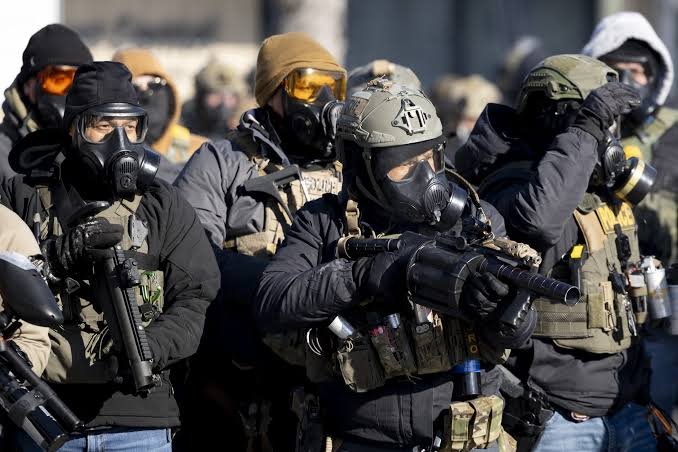
The legislation has been introduced in the context of a substantial increase in immigration arrests during Trump’s second administration. According to data provided by ICE to the Deportation Data Project and analysed by the Associated Press, the agency recorded 49,571 arrests in July 2026. That was the highest monthly total of Trump’s second term at the time and represented a 15% increase from June and a 70% increase from February.

The figures have become part of a wider political dispute in Washington over the scale, methods and consequences of immigration enforcement.
For Omar, the debate has particular relevance to Minnesota. Her congressional district includes Minneapolis and surrounding communities, where federal immigration enforcement operations have generated considerable political controversy.
The congresswoman has pointed to the financial consequences of enforcement operations in Minneapolis and has argued that communities should receive resources to address disruption caused by large federal operations. Her proposed bill would establish a mechanism for distributing money to affected communities, although the legislation would first need to pass Congress and receive presidential approval before becoming law.
The proposal would cover the costs associated with several federal enforcement operations carried out around the country. Among those identified in the legislation are operations in Illinois, Louisiana, Maine, North Carolina and Oregon.
The potential grants would have a broad remit. They could support economic recovery, reimburse certain operational expenses, assist educational institutions and provide psychosocial services to people affected by enforcement activity. The bill would also provide funding for official investigations, commissions of inquiry, documentation, truth-telling initiatives and memorialisation projects.
Under the proposed structure, the programme would be administered through the Office of Inspector General at the US Department of Housing and Urban Development. It would operate for three years.
The legislation therefore goes beyond a straightforward proposal to cut immigration funding. It attempts to establish a separate recovery framework in which money associated with federal immigration enforcement would instead be directed towards communities experiencing the consequences of those operations.
Whether such a framework could become law remains uncertain. Congress would have to approve the legislation, and the proposal would face debate over federal spending, immigration policy, agency authority and the appropriate use of government funds.
The wider immigration debate has intensified as enforcement numbers have increased.
AP’s analysis found that ICE’s July arrest figure of 49,571 was substantially higher than the monthly totals recorded before Trump returned to office. The agency’s arrests had been a little above 8,000 in the month before Trump’s second inauguration, according to the data cited by AP. By December, the monthly figure had risen above 40,000.
The increase has occurred alongside changes in enforcement strategy. AP reported that immigration authorities have increasingly relied on traffic stops and partnerships with state and local law-enforcement agencies, while also conducting arrests in settings outside the large, highly publicised operations that attracted national attention earlier in the administration.
Supporters of the administration’s enforcement programme argue that increased arrests are necessary to enforce federal immigration law and remove people who are subject to deportation. Critics, including Omar and other Democratic lawmakers, argue that the scale and methods of enforcement have imposed significant costs on communities and families.
The disagreement extends to the question of how enforcement should be measured. Arrest figures indicate the scale of government activity, but they do not by themselves establish the circumstances or legal status of every individual arrested.
The political debate has also been influenced by public opinion. An August Harvard CAPS/Harris poll surveyed 2,100 registered voters in the United States between 28 and 30 August. The survey included questions about immigration and other national issues, illustrating the extent to which immigration remains part of the country’s broader political debate.
Omar’s proposal comes after a period in which immigration enforcement has been especially prominent in Minnesota. Federal operations there became the subject of intense public debate following arrests and confrontations involving immigration officers.
The supplied report also refers to the deaths of two US citizens, Renée Good and Alex Pretti, during the period of heightened federal immigration activity in Minnesota. Those deaths became major points of contention over the conduct and consequences of immigration enforcement.
The proposed legislation does not itself determine responsibility for those deaths or establish legal findings about individual incidents. Instead, its approach is to create a funding mechanism for investigations, community recovery and documentation.
That distinction is important because the bill would use federal spending policy to address what its sponsors describe as the consequences of enforcement, rather than attempting to resolve individual cases through the legislation itself.
The proposal also reflects a broader disagreement over the appropriate role of federal immigration agencies.
ICE is responsible for immigration enforcement within the United States, including the detention and removal of people who are subject to immigration proceedings. CBP is responsible for border security and customs functions, including enforcement at and between ports of entry.
The two agencies received significantly greater resources under Trump’s major spending legislation. The administration has argued that additional funding is necessary to increase enforcement capacity.
Omar’s bill takes the opposite approach by seeking to redirect that funding. Its underlying argument is that resources currently devoted to enforcement should instead be used to address the consequences of enforcement operations in local communities.
For small businesses, schools and local governments, the issue is particularly significant where large federal operations affect normal economic and community activity. The bill would therefore create funding categories that extend beyond direct support for people involved in immigration proceedings.
Educational institutions could receive assistance under the proposal, while nonprofits could use grants for community services. Psychosocial support would also be eligible for funding under the proposed programme.
The inclusion of investigations and memorialisation would give the legislation another dimension. Supporters would be able to use the programme not only to address immediate economic effects but also to preserve records and examine the longer-term consequences of enforcement operations.
However, the proposed programme would have to compete with other federal spending priorities if Congress considered it seriously. Redirecting nearly $140 billion would represent a major change in how money appropriated for immigration enforcement could be used.
The debate would also involve constitutional and legislative questions concerning Congress’s authority over federal appropriations and the extent to which money allocated to one purpose can be redirected to another.
The proposal arrives at a particularly contentious moment for US immigration policy. Federal agencies are carrying out substantially more arrests than at the beginning of the administration, while courts, state governments, advocacy organisations and lawmakers continue to debate the limits of immigration enforcement.
A federal judge in California, for example, issued a preliminary injunction earlier in September restricting certain warrantless immigration arrests in Southern California. The order requires immigration officers to consider the circumstances surrounding an arrest and document probable cause, reflecting the broader legal scrutiny facing enforcement practices.
That legal scrutiny does not directly determine the fate of Omar’s legislation, but it illustrates the broader environment in which the proposal is being introduced.
The bill also places Omar at the centre of an ongoing national argument over immigration policy. Her political opponents have frequently criticised her positions on immigration and other issues, while her supporters view her as a prominent advocate for immigrant communities.
Her own background has also shaped the political context. Omar arrived in the United States as a refugee from Somalia as a child and later became a US citizen. She has frequently spoken about immigration and refugee policy from the perspective of her own experience.
The Make ICE Pay Act is therefore both a funding proposal and part of a wider congressional dispute over federal immigration policy. Its prospects will depend on congressional negotiations, the balance of political support in the House and Senate, and the administration’s response.

If enacted in its proposed form, the measure would represent a substantial shift in federal resources, moving money away from immigration enforcement and towards local recovery, education, community services and investigations.
For now, however, the proposal remains legislation awaiting congressional consideration. The scale of ICE arrests and the continuing debate over enforcement provide the immediate backdrop, while the proposed redirection of funding places the question of how the federal government should respond to the effects of immigration enforcement at the centre of the debate.
The coming congressional discussions are likely to focus not only on the size of the proposed programme but also on the competing arguments over federal immigration authority, community costs, public safety, legal protections and the use of taxpayer funds.
As those debates continue, the Make ICE Pay Act offers one clearly defined legislative response from Omar and its supporters: use a portion of the resources allocated to immigration enforcement for recovery in communities affected by those operations. Whether Congress ultimately adopts that approach will be determined through the legislative process.
Related News:
 Immigration Judges Fear Pressure in Trump Era
 Texas Charges Seven Noncitizens in Voting Crackdown
 US Labor Department in turmoil after secretary resigns
 Judge Blocks Trump Bid for Arizona Voter Data
 US Court Weighs Fate of TPS for Migrants
 US Charges Sinaloa Governor in Major Cartel Case
 US states redraw maps after voting rights ruling
 Florida Surgeon ‘Devastated’ Over Fatal Surgery Error
 Trump’s Revenge Drive Deepens GOP Divide
 Trump Refuses to Sign Housing Bill, But Law Takes Effect
 Trump Orders Signs Criticising Smithsonian Museum
 Is America Ready for an AOC Presidential Run?
 Judge Allows Pentagon Firings at Stars and Stripes
 Trump Calls Iran War ‘Small Potatoes’ Despite US Deaths
 Armed Suspect Attacks Ohio Governor Candidate
 Councils spend £125m on illegal children’s care
 New Mexico Takes Facebook to Trial Over Data Scandal
 Patriot Platform Raises Concern Across Britain
 Reform UK Receives Record £36m Donation From Crypto Billionaire
 Trump’s Washington Projects Face Architectural Criticism
 Election Candidate Abuse Raises Alarm in England
 Fugitive Developer Rants at NSW Corruption Inquiry
 Slave-Trade Wealth Embedded in Britain’s Financial System
 Piddington Votes for Symbolic Independence Over Asylum Plan
 Amnesty Finds Coordinated Abuses in Iran Protest Crackdown
 ICAC Examines Greenwood Payments and Nassif Links
 Turkey LGBTQ Crackdown Expands With New Arrests
 Lords Call for Tobacco-Style Gambling Ad Ban
 Iran School Strike Raises War Crimes Questions, UN Says
 Australia Post Worker Jailed Over Stolen Bank Cards
 Survivor Seeks Closure After Priest Dies in Prison
 US House Passes Russia Sanctions Bill Amid Debate
 US Sanctions Open New Battle for Cuba Assets
 US National Guard Member Killed in DC Shooting
 Government Unveils Northern Powerhouse Rail Plans
 Trump Fed bid heads to Supreme Court
 Trump officials continue false claims after Alex Pretti shooting
 Partial US Government Shutdown Hits Homeland Security Funding
 Thousands Protest ICE Operations in Nationwide US Day of Action
 Melania Trump Epstein remarks spark survivor backlash
 City & Guilds Sale Sparks Fees and Pay Uproar
 Trump at Press Dinner Sparks Tension
 Ukraine Urges UK to Seize Russian Oil Tankers
 Judge halts deportation of Yemeni refugees in US
 White House Security Case Sparks Political Firestorm
 Trump approval plunges amid Iran war fears
 Trump warns Iran as Middle East tensions surge again
 US ‘Narco Boat’ Strikes Draw Global Outcry
 Barrister Criticises Trial After Suicide Case Verdict
 US Awaits Iran Reply on New Ceasefire Proposal
 Kevin Warsh sworn in as Fed chair amid economic backlash
 US green card applicants must apply from abroad, DHS says
 Tulsi Gabbard exits after turbulent intelligence tenure
 Hormuz Talks Near Critical Stage
 Former ICC prosecutor condemns US sanctions
 Prosecutor Proposes Law to Combat Election Deceit
 Trump’s Mount Rushmore Speech: A Divisive Anniversary
 Le Pen’s Popularity Holds Despite Conviction
 Westminster Council Threatens Charing Cross Soup Kitchen
 BBC Warned About Missing Clothes of Murder Victim
 Burnham unveils £65m drought aid for farmers
 Unions Warn Labour Over Zero-Hours Contract Reforms
 Ghent Professors Questioned Cofnas Appointment
 RAF Barnham Protests Fuel Tensions in Norfolk Town
 Trump Hardens Canada Trade Stance as Talks Stall
 Internal Exclusions Surge in England’s Schools
 Reform Faces Fresh Financial Controversy
 UK plans tougher Israel stance with settlement trade ban
 Trump gives $45,000 holiday gifts to White House aides
 Man Arrested in Mississippi Woman’s Death
 Israel Accused of Undermining Palestinian Life
 UK Retailers Accused of Breaking Refund Laws
 Farage Threatens Union Funding Ban Over Reform Donations
 UK Pay Growth Slows to 3.9% as Rate Decision Nears
 Bank Urged to Slow Bond Sales as UK Costs Rise
 Mayors Could Gain Greater Powers Over Water Firms
 Horse Hill Oil Site Sold as New Drilling Bid Emerges
 Entain Plans 400 Job Cuts After Profit Update
 Trump Threatens EU With Tariffs Over Canada Proposal
 Yemen War Displaces 125,000 as Fighting Intensifies