Published: 07 October 2026. The English Chronicle Desk. The English Chronicle Online
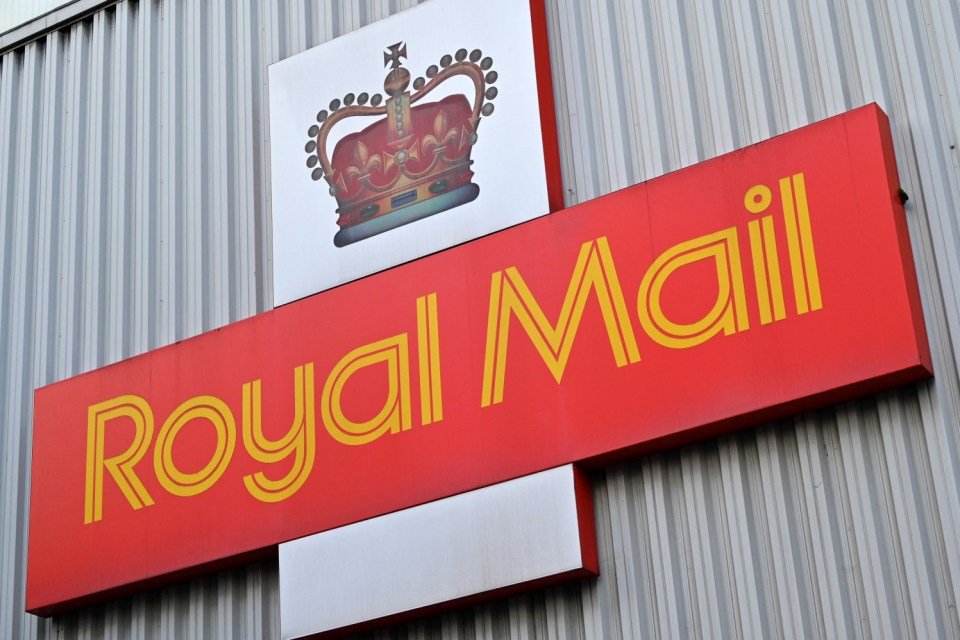
Royal Mail is planning to cut up to 2,500 jobs as part of a major restructuring programme aimed at reducing costs and simplifying its operations amid intense competition and a long-term decline in traditional letter deliveries.
The postal service said the proposed reductions would mainly affect head office positions and other support-function roles. The restructuring is expected to be completed by the end of next year and, according to the company, will be carried out without compulsory redundancies.
Royal Mail said the planned job reductions would be achieved through natural staff turnover and a voluntary exit programme. The company stressed that the changes would not involve cuts to frontline operational roles, meaning there would be no planned reduction in the number of posties or drivers working in delivery and processing operations.

The announcement comes as Royal Mail continues to face significant financial and operational pressures. The business has been fined a total of £37m since 2023 for failing to meet delivery performance targets established by the communications regulator Ofcom.
At the same time, the traditional postal market has undergone a profound transformation. Royal Mail said the number of letters being delivered has fallen by more than 70% from its peak in the mid-2000s, reflecting the growing shift towards email, digital communications, online services and other forms of electronic correspondence.
The decline has fundamentally altered the economics of running a national postal network. While the company still has to maintain extensive infrastructure and delivery operations across the UK, the volume of letters passing through that system has fallen dramatically.
Royal Mail’s latest restructuring is intended to respond to those changes while allowing the company to concentrate its resources on areas where demand remains stronger.
Alistair Cochrane, Royal Mail’s chief executive, said the business had been working to reduce costs and simplify processes across its operations as it attempted to compete in an increasingly challenging market.
The proposed changes, he said, would remove duplication within the organisation and allow the company to direct more investment towards the service provided to customers.
The decision to protect frontline delivery and processing positions is significant because those employees form the core of Royal Mail’s visible national operation. Posties and drivers continue to play a central role in delivering letters and parcels to households and businesses across the country.
Royal Mail employs more than 131,000 people, meaning the proposed reduction of up to 2,500 positions represents less than 2% of its total workforce. Nevertheless, the cuts will affect a substantial number of employees and come at a time when the company is under pressure to improve efficiency and financial performance.
The emphasis on voluntary departures is also intended to limit the disruption associated with compulsory redundancies. Staff who choose to leave under the voluntary programme will form a significant part of the workforce reduction, while normal employee turnover will account for some of the remaining changes.
The company has presented the restructuring as part of a broader transformation rather than simply a cost-cutting exercise. Management argues that reducing layers of administration and eliminating duplicated functions can create a simpler organisation capable of responding more quickly to changing customer demand.
The pressure on Royal Mail reflects wider changes affecting postal services across Europe and other developed economies. The traditional letter, once central to everyday communication, has increasingly been replaced by digital alternatives. Bills, official correspondence, personal messages and business communications are now routinely transmitted electronically.
Parcel delivery, by contrast, has become increasingly important as consumers have embraced online shopping. This has changed the competitive environment in which postal companies operate, with Royal Mail facing competition from specialist parcel firms and other delivery providers.
The challenge is therefore to adapt a business originally built around enormous volumes of letters to an environment in which parcels and other services play a much larger role.
Royal Mail’s delivery performance has also remained a major issue. The company has been subject to regulatory penalties after missing targets relating to the timely delivery of letters. Such failures have increased scrutiny of its ability to maintain service standards while simultaneously managing financial and operational pressures.
For customers, the announcement is likely to prompt questions about whether administrative reductions will eventually affect the quality of postal services. Royal Mail has sought to address those concerns by emphasising that frontline delivery and processing roles are not included in the planned reductions.
The company says the restructuring should instead allow it to invest further in customer services by reducing unnecessary duplication and administrative costs.
The continuing decline in letter volumes means that Royal Mail faces a structural problem that cannot easily be solved through temporary cost reductions. Even if the company becomes more efficient, it must still maintain a nationwide network while handling a substantially smaller number of traditional letters than it did two decades ago.
That makes the balance between service obligations, staffing and financial sustainability increasingly important.
Royal Mail’s workforce has already undergone significant changes as the company has attempted to adapt to the modern postal market. The latest announcement suggests that management believes further organisational simplification is necessary.
The planned reductions also underline how technological change has affected employment patterns in the postal industry. Roles associated with traditional administrative structures are increasingly being questioned as organisations use digital systems to automate processes, consolidate departments and reduce layers of management.
However, the company will still require a large operational workforce. The decision to protect delivery and processing jobs indicates that Royal Mail considers its physical network and frontline employees essential to its future operations.
The restructuring is also taking place against a backdrop of public expectations about the role of the postal service. Royal Mail has historically occupied a unique position in British life, connecting communities across urban and rural areas and providing services that remain important to people who may not rely entirely on digital communication.
For many households, particularly those with limited access to digital services, physical post remains an important means of receiving official documents, financial correspondence and other communications.
That creates a difficult balance for the company. Royal Mail must reduce costs and adapt to falling letter demand while maintaining a reliable service across the country.
The proposed job cuts therefore represent one part of a much broader transformation. The company is seeking to make its administrative structure smaller while protecting the workforce directly involved in delivering letters and parcels.
The impact on employees will nevertheless be closely watched as the voluntary exit programme progresses. Workers and unions are likely to examine how the changes are implemented and whether reductions in support roles place additional responsibilities on remaining staff.
The company has not indicated that compulsory redundancies will be necessary under the current plan, which could help limit some of the immediate disruption. But the longer-term direction of the business will depend on how effectively Royal Mail can adapt to changing patterns of communication and parcel demand.
The decline in letter deliveries is unlikely to reverse significantly. As digital communication continues to expand, the traditional postal market is expected to remain under pressure.
Royal Mail’s future will consequently depend increasingly on its ability to operate an efficient network, improve delivery performance and compete effectively in the parcel market while meeting its obligations as a national postal provider.
The announcement of up to 2,500 job cuts demonstrates the scale of the adjustment now under way. Although the reduction represents a relatively small share of Royal Mail’s overall workforce, it reflects a fundamental change in how the company is organising itself for the future.

For Royal Mail, the challenge is to ensure that efforts to reduce costs do not undermine the service customers depend upon. Management’s decision to protect frontline delivery and processing roles is designed to reassure customers that the restructuring is focused primarily on administrative efficiency.
Whether that strategy succeeds will depend on how the changes are implemented and whether the savings generated can be redirected into improving the service.
As Royal Mail prepares to complete the restructuring by the end of next year, the company faces a defining period in its long history. The decline of the letter may have changed the postal industry permanently, but the demand for reliable delivery has not disappeared. Royal Mail’s task is now to build a business model capable of serving that changing demand while remaining financially sustainable in a highly competitive market.
Related News:
 UK Risks Falling Behind in AI Race
 Ukraine Moves to Seize Water Company
 UK retailers plan 100,000 placements for young people
 Billionaire Chris Rokos poised to leave UK
 Oil nears $100 as Saudi attacks shake markets
 McLaren to Create 1,000 UK Jobs in £450m Investment
 Nats Boss Summoned as UK Flight Chaos Continues
 JPMorgan Boss Warns Against UK Bank Tax Rise
 Iceland to Open First UK High Street Store in Falklands
 John Lewis Losses Widen to £124m as Confidence Falls
 Thames Water Revises Oxfordshire Mega-Reservoir Plan
 UK Retailers Accused of Breaking Refund Laws
 UK Trade Losses Grow Without EU Product Deal
 AO Acquires Jessops in Camera Retail Expansion
 TalkTalk Races to Sell Arms as Administration Looms
 Avanti West Coast Set for Public Ownership in March
 Beaverbrooks Boss Calls for Relief on Business Costs
 Dale Vince Plans New London-Wide News Operation
 Poundland Rescue Bid Could Protect 11,000 Jobs
 Bank Chief Calls for Power to Intervene in AI
 UK Bookmakers Linked to Offshore Casino Deal
 Boots Sale Nears as Weston Family Eyes $9bn Deal
 BBC Three and Scotland Face Online-Only Future
 Royal Nursing Union Ends Partnership With Teva UK
 Palantir Lobbyist Had Role in Burnham Campaign
 Feeld Founders Receive Record Dividend as Sales Rise
 UK Diesel Reaches £2 as Inflation Surges Across Europe
 Minister Rejects Fears of UK Diesel Shortage
 BT Broadband Pauses Raise Digital Switchover Concerns
 UK Faces Calls to Review Bank Failure Bets
 UK Weighs Chinese Car Tariffs Amid EU Trade Push
 BT Agrees £400m TalkTalk Rescue Deal
 Informa Agrees £2.24bn Deal to Buy Clarion
 Asos Investigates Hack Claims After Customer Alerts
 Jaguar Unveils Bold Electric EV for US Buyers
 Reeves Faces Setback as Labour May Miss Homes Target
 Trump’s UK Ambassador Urges North Sea Drilling to Strengthen US Ties
 M&S Profits More Than Halve After Cyber-Attack
 Millionaires group urge Reeves to introduce wealth tax to ‘lift kids out of poverty’
 Starmer Says Labour’s Economic Plan Needs Years to Deliver
 Virgin Media Fined £23.8m Over Telecare Safety Failures
 Starmer Faces Parliamentary Battles Over UK-EU ‘Reset’ Plan
 ScottishPower Tops List of Worst UK Energy Suppliers
 City & Guilds pay surge sparks backlash amid £22m cuts
 UK Unemployment Rate Climbs to 5.2% Peak
 UK shelves £110m border project amid trade strain
 Switching Energy Deal Can Save £200 as Price Cap Falls
 Rachel Reeves Faces Middle East Conflict Test
 Grocery Inflation Rises Amid War Fears
 BrewDog sold Highland estate for knockdown price after abandoning reforestation plans
 Rising Costs Force Families to Rethink Days Out
 Aegon Sells Historic UK Arm to Standard Life for £2bn
 UK Staycations Rise as Travel Fears Grow
 Silent Tracks: Rail Line Without Passengers
 Lotus Boss Pledges Future to Norfolk and Seeks State Support
 UK Firms Freeze Spending as Iran Conflict Bites
 Reeves to Fast-Track Clean Energy Amid Iran Crisis
 Tube Strike Brings Capital to a Standstill Over Shift Disputes
 Tube Strike Brings Capital to a Standstill Over Shift Disputes
 EU Slashes Steel Quotas But Grants UK Favourable Rates
 Sainsbury’s Boss Optimistic As Grocery Inflation Eases
 Burnham unveils £65m drought aid for farmers
 Unions Warn Labour Over Zero-Hours Contract Reforms
 London Launches First Self-Driving Taxis
 Swedish Mining Push Puts Sami Land Rights Under Pressure
 Mayors Could Gain Greater Powers Over Water Firms
 Entain Plans 400 Job Cuts After Profit Update
 Tom Watson Takes Senior Role at Palantir
 UK Rent Gap Puts Low-Income Families Under Pressure
 Calls Grow to Expand UK National Wealth Fund
 MPs Defend UK Economic Watchdog Against Critics
 Chinese Hybrid Car Surge Raises EU Auto Industry Concerns
 Frome Community Loses Bid for Major Regeneration Site
 The Tests Awaiting Andy Burnham After Labour Conference
 UK University Strikes Spread as Financial Pressure Grows
 Burnham Opens Door to Possible UK Return to EU
 Healey urged to act as UK energy bills rise 4%
 UK house price growth slows as mortgage rates rise
 Badenoch Raises Prospect of 2027 UK Election
 UK house prices stall as mortgage costs rise