Published: 21 October 2026. The English Chronicle Desk. The English Chronicle Online
UK inflation rose faster than expected in September, reaching 3.5% as the escalating conflict in the Middle East drove up oil prices and pushed fuel costs to record levels. The latest figures have intensified concerns about the financial pressure facing households, the outlook for interest rates and the challenges confronting the government ahead of Chancellor John Healey’s first budget, scheduled for next week. With petrol and diesel becoming increasingly expensive, economists have warned that the inflation rate could climb to 4% or higher in the coming months, further complicating efforts to restore economic stability and improve living standards.
Figures released by the Office for National Statistics showed that annual consumer price inflation increased from 3.1% in August to 3.5% in September. The rise exceeded economists’ expectations of 3.4%, signalling that price pressures remain stronger than anticipated despite earlier hopes that inflation would gradually move closer to the Bank of England’s 2% target.
The latest increase has been closely linked to the surge in global energy prices following the outbreak of war involving the United States, Israel and Iran at the end of February. Disruption to international oil and gas supplies has pushed up the cost of transporting fuel and other goods, creating additional pressure on businesses and consumers across Britain. The effective closure of the Strait of Hormuz to most fossil fuel traffic has been particularly significant because the strategic waterway is a major route for global energy shipments.

Brent crude oil, the international benchmark, has risen well above $100 a barrel and has recently hovered around $110. Such elevated prices have raised concerns throughout the energy market, with analysts warning that prolonged disruption could keep fuel costs high and transmit inflationary pressure across the wider economy.
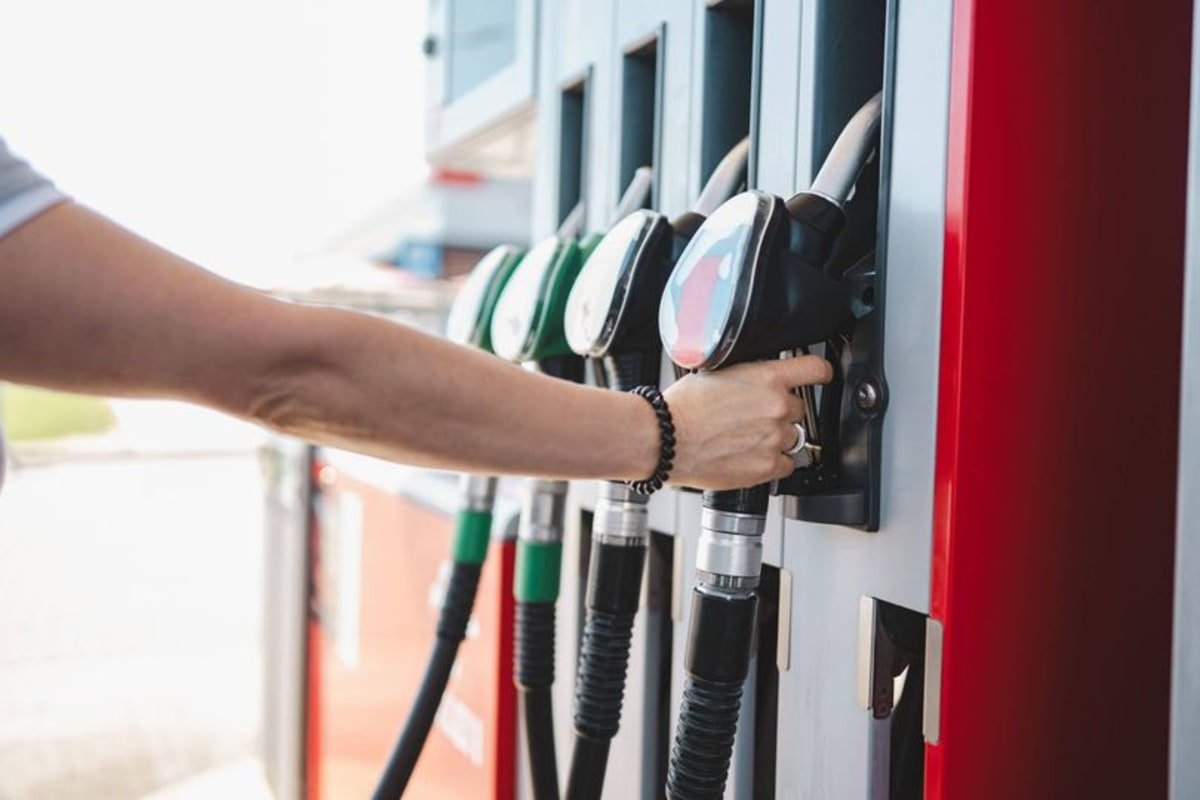
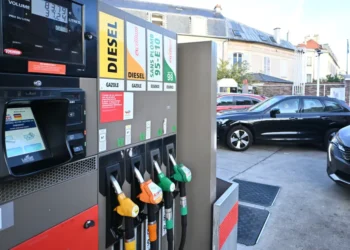
The consequences are already visible at British petrol stations. Petrol prices have climbed above £1.70 a litre in some reporting averages, while diesel has crossed £2 a litre, reaching a record high earlier this month before easing slightly. For motorists who depend on their vehicles for work, family responsibilities or everyday travel, the increase has placed additional pressure on household budgets. Businesses that rely on road transport are also facing higher operating costs, increasing the possibility that consumers will eventually pay more for a wide range of goods and services.
The ONS identified rising petrol and diesel prices as the single largest contributor to September’s increase in inflation. The average price of petrol rose by 8.2 pence per litre between August and September 2026. That compared with a decline of 0.2 pence during the same period in 2025. Diesel prices increased even more sharply, rising by 10.7 pence per litre in September, compared with a fall of 0.4 pence a year earlier.
The difference between this year’s figures and those recorded in 2025 illustrates how quickly the international energy crisis has changed the domestic cost environment. When fuel prices rise sharply over a short period, the impact is felt not only by private motorists but also by delivery companies, logistics operators, farmers and other businesses whose activities depend on transport. Higher costs can gradually filter through supply chains, potentially increasing prices for food, clothing, household goods and other essential products.
Airfares also contributed to the inflation picture. Prices fell in September following the traditional summer travel peak, but the decline was considerably smaller than usual. Airlines are exposed to changes in aviation fuel prices, and sustained increases in energy costs can limit the extent to which ticket prices fall after the busiest travel period. The figures suggest that the consequences of expensive fuel are reaching beyond road transport into other parts of the services economy.
There were, however, some signs of relative stability in other areas. Clothing prices fell slightly during September, while annual food price inflation remained unchanged at 1.3%. Competition between supermarkets appears to have helped limit food price increases, offsetting some of the additional costs associated with transport and distribution.
The comparatively stable food inflation rate offers some relief to households already struggling with expensive energy and transport. Nevertheless, economists have warned that this position may become more difficult to maintain if fuel prices remain elevated. Food producers, wholesalers and retailers all depend on transport, refrigeration and energy-intensive operations. If those costs continue to rise, businesses may eventually face difficult decisions about whether to absorb the increases, reduce margins or pass them on to customers.
The outlook has raised concerns at the Bank of England, where policymakers are expected to consider an interest rate increase when they meet on 5 November. Higher inflation could prompt officials to tighten monetary policy in an effort to prevent price increases from becoming embedded across the economy. The prospect of inflation exceeding 4% next year would place the rate at more than twice the central bank’s 2% target.
The challenge for policymakers is that the current inflationary pressure is being driven substantially by international energy supply disruptions rather than simply by excessive domestic demand. Raising interest rates can make borrowing more expensive, moderate spending and help prevent inflation expectations from rising, but it cannot directly increase the global supply of oil or natural gas.
That distinction has become central to the debate over the appropriate response. Higher borrowing costs could help restrain broader price pressures, but they could also weaken household consumption, discourage business investment and increase mortgage costs for borrowers whose payments are linked to interest rates. The effects could be particularly difficult for households already facing elevated living costs.
Martin Beck, chief economist at consultancy WPA, said the higher-than-expected inflation figure made an interest rate increase at the Bank of England’s November meeting increasingly likely. However, he cautioned that repeatedly raising borrowing costs could create additional risks for an economy that was already fragile.
Beck argued that tighter monetary policy could not produce more oil or gas and warned that further restrictions on borrowing and spending might weaken economic activity. He also questioned whether financial markets were placing too much emphasis on the prospect of several consecutive rate increases. If the international situation improves and energy prices retreat, the inflation outlook could change more quickly than investors currently anticipate.
The debate leaves the Bank of England facing a difficult balance between controlling inflation and protecting economic growth. A decision to raise rates could demonstrate that policymakers remain committed to the inflation target, but it would also increase financial pressure on some borrowers. Holding rates steady, meanwhile, could give the economy more breathing space but risk allowing rising energy costs to feed into prices more broadly.
The inflation figures also create a significant political challenge for Healey as he prepares his first budget as chancellor. The government faces pressure to help households cope with the rising cost of living while supporting economic growth and maintaining confidence in public finances. Yet the room for expensive interventions may be limited by the rising cost of government borrowing.
Government bond yields, which influence the cost of financing public debt, have reached levels not seen for decades. Higher yields mean the government may have to pay more to borrow money, potentially increasing the cost of servicing existing and future debt. That makes it harder to introduce large-scale financial support without placing additional pressure on public finances.
Healey blamed the increase in inflation on the effects of the conflict in the Gulf, saying that price rises linked to conflicts in the Middle East and Europe were affecting Britain and countries around the world. He said the forthcoming budget would seek to promote growth across the country and improve living standards.
However, the government’s ambitions will be tested by the combination of expensive energy, elevated borrowing costs and pressure on household finances. Measures designed to ease the burden on consumers could offer short-term relief, but their cost and long-term effectiveness will be important considerations. Broad subsidies or tax reductions may be difficult to sustain if international energy prices remain high and public borrowing becomes more expensive.
Charlotte O’Leary, an economist at the National Institute of Economic and Social Research, warned that the recent pattern of three consecutive months of rising annual inflation was likely to continue through the winter, even if the Middle East conflict begins to ease. She said higher fuel and transport costs were likely to push up food prices, while a substantial increase in the energy price cap expected in January could arrive when household energy demand is at its seasonal peak.
Her assessment suggests that consumers may face pressure from several directions at once. Motorists are already paying more to fill their vehicles, while households could also encounter higher heating bills. If transport expenses rise further, the impact could extend to supermarket prices and other everyday purchases. Lower-income households may be especially exposed because a larger share of their budgets is typically devoted to essential spending.

The scale and duration of the inflationary impact will depend heavily on developments in the Middle East. A lasting improvement in the security of energy shipments could help reduce oil and gas prices, easing pressure on businesses and consumers. Continued disruption, however, could keep fuel expensive and increase the risk that temporary energy shocks become a broader and more persistent inflation problem.
For now, September’s figures have increased uncertainty for households, policymakers and businesses preparing for the winter. The Bank of England must assess whether higher interest rates are necessary to prevent inflation from spreading, while the government must decide how best to support living standards without worsening the public finances. As Healey approaches his budget, the central economic challenge is becoming increasingly clear: Britain must navigate a renewed cost-of-living squeeze driven by international events while trying to protect growth, control inflation and limit the burden on ordinary families.
Related News:
 Oil nears $100 as Saudi attacks shake markets
 UK Diesel Reaches £2 as Inflation Surges Across Europe
 Minister Rejects Fears of UK Diesel Shortage
 IMF Warns Global Economy Is Nearing Its Limits
 UK Wage Growth Slows as Jobs Market Holds Firm
 Reeves Fights to Keep Treasury Role Amid Labour Turmoil
 Firms on both sides fear damage from US-Canada trade war
 Europe Faces Winter Gas Supply Anxiety
 Dutch Bank Moves 86 Tonnes of Gold to London
 UK Cost Squeeze Deepens as Mortgages and Gas Rise
 UK House Prices Fall as Mortgage Rates Rise
 Oil Prices Surge as Saudi Pipeline Closure Deepens Crisis
 Thames Water Revises Oxfordshire Mega-Reservoir Plan
 UK State Pension Set to Rise 3.9% as Triple Lock Holds
 UK Parents Cut School Uniform Costs as Prices Rise
 UK Pay Growth Slows to 3.9% as Rate Decision Nears
 Bank Urged to Slow Bond Sales as UK Costs Rise
 UK Inflation Hits 3.1% as Household Pressure Grows
 Trump Threatens EU With Tariffs Over Canada Proposal
 UK Productivity Improves as Bank Weighs Interest Rates
 Trump Threatens EU Over Canada Partnership Proposal
 Japan Raises Rates to 31-Year High
 UK Retail Sales Rebound as Consumers Spend More
 UK Borrowing Hits £18.3bn Ahead of Budget
 Thinktank Calls for Abolition of UK State Pension
 MPs Defend UK Economic Watchdog Against Critics
 Tony Blair Calls for Britain to Rejoin EU Within a Decade
 UK Trade Losses Grow Without EU Product Deal
 Saudi intercepts Houthi missiles as oil fears grow
 Should Savers Lock Into 5.25% Fixed Rates?
 UK Diesel Prices Hit Record High Amid Iran Conflict
 Ukraine Faces $45m Hourly Cost From Missile Alerts
 Poundland Rescue Bid Could Protect 11,000 Jobs
 UK house price growth slows as mortgage rates rise
 UK borrowing costs surge as global bond sell-off deepens
 French Debt Fears Put Euro Markets Under Pressure
 UK Assures Public Over Diesel Supply
 Informa Agrees £2.24bn Deal to Buy Clarion
 EU-China Talks Target Surge in Hybrid Car Imports
 Google Maps Brings Live Fuel Prices to UK Drivers
 Oil Shock Sends Markets Lower as Middle East Risks Grow
 France Faces Debt Crisis as Protests and Markets Clash
 IFS Warns UK Budget Faces £35bn Spending Gap
 UK Van Drivers Face £2.5bn Diesel Cost Surge
 Hall and Woodford Win Nobel Economics Prize
IMF Raises UK Growth Forecast Ahead of Healey’s Budget
 Healey Plans £1bn Online Marketplace Tax Crackdown
 Business Chief Urges Burnham to Fix Brexit Damage
 UK Could Rejoin EU Through a Switzerland Plus Deal
 UK Unemployment Falls to 4.7% as Vacancies Decline
 UK Pushes for New EU Goods Trade Deal
 UK rejects EV charging VAT cut amid Treasury clash
 Canada to Match Trump’s 50% Tariffs Dollar for Dollar
 US CEOs Earn 614 Times More Than Workers
 Trump Hardens Canada Trade Stance as Talks Stall
 Spire Healthcare Agrees £1bn Takeover by Toscafund
 Billionaire Chris Rokos poised to leave UK
 JPMorgan Boss Warns Against UK Bank Tax Rise
 John Lewis Losses Widen to £124m as Confidence Falls
 North Sea Firms Urge Early End to Windfall Tax
 JLR Eyes NATO Market With New Defender Military Vehicle
 Entain Plans 400 Job Cuts After Profit Update
 UK Rent Gap Puts Low-Income Families Under Pressure
 Calls Grow to Expand UK National Wealth Fund
 Trump Eyes Major Belarus Fertiliser Deal Amid Canada Trade Dispute
 Iran Rejects Claims of Shift in US Talks
 Chinese Hybrid Car Surge Raises EU Auto Industry Concerns
 AO Acquires Jessops in Camera Retail Expansion
 Beaverbrooks Boss Calls for Relief on Business Costs
 Burnham Opens Door to Possible UK Return to EU
 Healey urged to act as UK energy bills rise 4%
 Boots Sale Nears as Weston Family Eyes $9bn Deal
 North Sea Strike Threatens UK Fuel Supplies
 UK Weighs Chinese Car Tariffs Amid EU Trade Push
 BT Agrees £400m TalkTalk Rescue Deal
 UK house prices stall as mortgage costs rise
 IMF Warns Governments Over Rising Debt Burdens
 Tesco Raises Profit Forecast as Consumer Confidence Holds
 Ministers Push ATO to Reconsider Credit Card Ban
 Iran War Pushes UK Corporate Profit Warnings to Two-Year High