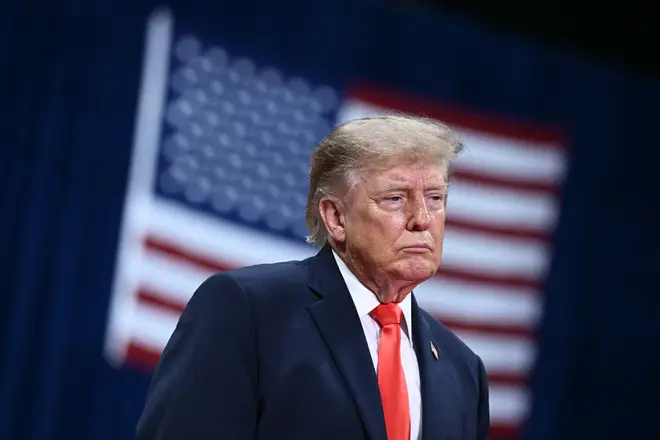
Donald Trump’s political influence over the Republican Party is facing renewed scrutiny after dozens of candidates personally endorsed by the US president suffered defeats in the 2026 midterm elections. The results have raised serious questions about whether Trump’s endorsement still carries the electoral strength it once commanded, particularly as his approval ratings decline and voters express growing dissatisfaction with his administration’s economic and foreign policies.
An analysis of the election results indicates that Trump’s preferred candidates struggled across several major contests for seats in the Senate, House of Representatives and state governorships. Although some Republican candidates secured victories, the overall performance of those backed by the president was significantly weaker than in previous election cycles. The setbacks have created an uncomfortable situation for Trump, whose political identity and leadership have become closely associated with the Republican Party’s electoral strategy over the past decade.

For years, a public endorsement from Trump has been considered a valuable advantage for Republican politicians. His support has helped candidates secure party nominations, attract conservative voters and strengthen their positions against political opponents. His Make America Great Again (MAGA) movement has also transformed the Republican Party, giving the president considerable influence over candidate selection and the party’s broader political direction.
However, the latest election results suggest that this influence may be weakening. According to an analysis of the 2026 midterm results, only 13 of the 26 Senate candidates endorsed by Trump had secured victories by Wednesday afternoon, representing approximately half of his preferred candidates. Eleven had lost, while two races were still awaiting final results.
The performance of Trump’s gubernatorial endorsements was even more disappointing. Of the 23 candidates he supported in governor elections, only nine had won, while 12 suffered defeats and two contests remained undecided. These figures indicate that the president’s personal backing was not sufficient to protect several Republican candidates from strong Democratic challenges.
Republican candidates endorsed by Trump performed somewhat better in elections for the House of Representatives, with approximately 60 per cent winning their races. Nevertheless, 46 Trump-backed House candidates had lost by Wednesday evening. Democrats also managed to flip more than two dozen House seats, while Republicans had gained only one from their opponents at that stage of the count.
The results represent a considerable departure from Trump’s previous electoral record. In 2022, approximately 82 per cent of candidates endorsed by him went on to win their respective races, according to an analysis published by The New York Times. That performance reinforced the perception that Trump’s political support could significantly influence Republican primary elections and general election outcomes.
This year’s results, however, demonstrate that the political environment has changed. Several candidates personally selected or strongly promoted by Trump failed to attract enough support, including in states traditionally considered favourable territory for Republicans. Some of the most damaging defeats came in closely watched Senate contests, where Democrats managed to overcome established Republican advantages.
One of the most significant setbacks occurred in Texas, where Republican Attorney General Ken Paxton lost to Democratic candidate James Talarico. The result is particularly historic because Talarico’s victory marks the first time since 1988 that a Democrat has been elected to represent Texas in the US Senate.
Paxton had been a longtime Trump ally and received the president’s personal backing earlier in the election cycle. Trump supported him in the Republican nomination contest, effectively turning away from incumbent Republican Senator John Cornyn. The president’s decision demonstrated his preference for a candidate considered more closely aligned with his political priorities.
However, the strategy ultimately failed to deliver the expected result. Talarico, a progressive Democrat and political newcomer, managed to defeat Paxton, creating one of the most significant political surprises of the election. The outcome has raised questions about whether Trump’s influence within Republican primaries can translate into success in broader statewide contests.
Another major defeat came in South Carolina, where Darline Graham, the sister of the late Republican Senator Lindsey Graham, lost to Democratic candidate Dr Annie Andrews. The result was particularly striking because Trump had won the state by 18 percentage points in the 2024 presidential election. South Carolina had also not elected a Democratic senator since 1998.
Trump had personally selected Graham as a candidate, publicly endorsed her campaign and appeared alongside her during the election campaign. Despite that support, Andrews secured a victory that challenged Republican expectations in a traditionally conservative state.
North Carolina also delivered an important setback for the president. Michael Whatley, a former Republican Party leader and Trump-endorsed candidate, lost his Senate contest to Roy Cooper, the state’s former governor. Cooper’s victory strengthened the Democratic position and demonstrated the difficulties facing Republican candidates in competitive statewide elections.
In Michigan, former congressman Mike Rogers, who had received Trump’s endorsement, was defeated by Democrat Abdul El-Sayed. The result carries additional national significance because El-Sayed is set to become the first Muslim senator in American history. His victory represents both a major political breakthrough for Democrats and another setback for the Republican candidate selected by Trump.
The governor elections also produced substantial losses for Republicans. Democrats managed to flip five governorships, including Texas, where the Democratic Party had been unable to secure the governor’s office for more than three decades. Iowa also moved into the Democratic column, marking a significant political change in a state that had not elected a Democratic governor since the mid-2000s.
These victories suggest that dissatisfaction with the Republican administration extended beyond individual congressional contests. Voters in several states appeared willing to support Democratic candidates despite the president’s efforts to mobilise conservative supporters on their behalf.
The House elections delivered further evidence of the changing political landscape. In Pennsylvania’s eighth congressional district, Trump-backed Republican incumbent Rob Bresnahan lost to Democratic candidate Paige Cognetti. In Texas’s 15th district, Republican incumbent Monica De La Cruz was defeated by Democrat Bobby Pulido.
The defeats are particularly notable because both candidates had the advantage of running as incumbents. Trump’s endorsement was expected to strengthen their campaigns, but voters ultimately chose their Democratic challengers.
Economic dissatisfaction appears to have been a major factor behind the Republican setbacks. Over recent months, voters have increasingly expressed concerns about the rising cost of living, household expenses and the overall direction of the American economy under Trump’s administration. Issues involving employment, inflation and everyday affordability have become central to political discussions, putting pressure on Republican candidates seeking re-election.
Trump’s declining approval ratings may also have weakened the effectiveness of his endorsements. Approximately two weeks before the midterm elections, his approval rating stood at around 36 per cent, according to polling figures cited in the election analysis. Such low approval levels created difficulties for Republican candidates attempting to attract independent voters and moderate conservatives.
Some Trump-endorsed candidates even tried to distance themselves from the president during their campaigns. Republican Senate candidate Ashley Hinson in Iowa was among those who sought to establish a more independent political identity in an effort to appeal to voters. However, the strategy failed to prevent her defeat.
The election results have also intensified divisions within Republican politics. Former congresswoman Marjorie Taylor Greene, who had previously been a prominent supporter of Trump before losing his endorsement, described the outcome as a direct referendum on the president. In a social media statement, she argued that Trump had encouraged voters to treat the midterms as an assessment of his leadership and that voters had responded accordingly.
Her remarks reflect a growing debate within the Republican Party over whether the president’s political strategy remains effective. While Trump’s loyal supporters continue to view him as the central figure of the conservative movement, other Republicans may increasingly question whether close association with the president is beneficial in competitive elections.
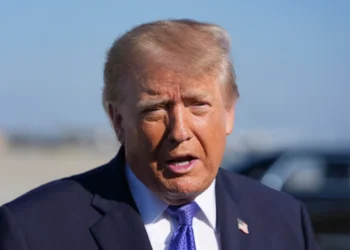
Trump, however, has rejected the suggestion that his political influence contributed to the Republican losses. Responding to the results through his Truth Social platform, he argued that he had not been a candidate in the election and claimed that Republicans would have achieved a landslide victory if his name had appeared on the ballot.
His response indicates that the president remains unwilling to accept responsibility for the setbacks. Nevertheless, the scale of the defeats has created pressure for Republican leaders to examine their campaign strategies, candidate selection and relationship with the White House.

The consequences could extend beyond the immediate election results. With Democrats strengthening their position in Congress and gaining ground in several states, Republicans may face difficult decisions about their political direction ahead of the next national election cycle.
The central question is whether Trump’s endorsement will continue to command the same loyalty among Republican voters or whether the latest defeats signal a broader shift in the party’s political dynamics. Although the president retains a powerful influence over the conservative movement, the 2026 midterms suggest that his personal popularity may no longer guarantee electoral success for candidates who depend heavily on his support.
For the Republican Party, the challenge will be to balance loyalty to Trump with the need to rebuild support among independent voters and dissatisfied sections of the electorate. The coming months will reveal whether party leaders respond by maintaining the existing political approach or reconsidering their dependence on the president’s personal influence.
Related News:
 Thousands Protest ICE Operations in Nationwide US Day of Action
 US Court Ruling Reshapes Voting Rights Landscape
 US states redraw maps after voting rights ruling
 Judge halts deportation of Yemeni refugees in US
 Trump warns Iran as Middle East tensions surge again
 US Court Restores Abortion Pill Access Temporarily
 Trump’s Revenge Drive Deepens GOP Divide
 Former ICC prosecutor condemns US sanctions
 Gunman Killed After White House Security Shootout
 Mystery Grows Over Mitch McConnell’s Health
 Trump Media Ban Triggers First Amendment Clash
 US Networks Suspend Trump White House Pool Coverage
 Republican Senator Questions Trump Ad Spending
 Trump Ads Trigger Fight Over Taxpayer Money
 Trump Immigration Policy Faces New Legal Tests
 Latin America women fear rollback of rights
 Lithuania Offers to Fund Permanent US Military Base
 Trump Rally Faces Protests as Texas Race Tightens
 Tanker Attacked Near Qatar as Hormuz Tensions Escalate
 Trump Says He Deserves Nobel Peace Prize
 Trump Attacks Norway After Nobel Peace Prize Snub
 Ten US Midterm Races That Could Defy Expectations
 Brazil Court Scandal Threatens Lula as Bolsonaros Rise
 Ohio Airports Become Key Hubs for ICE Deportation Flights
 Judge Blocks Trump White House Media Ban
 Trump Warns Alaska Voters Over Rival Dan Sullivans
 Trump Targets Arizona and Montana Amid GOP Election Worries
 Brazil Cuts Working Week to 40 Hours in Lula Election Boost
 Trump Rallies GOP as Senate Democrats Boost Key Races
 Talarico Faces Tough Voter Test in Texas Senate Race
 Trump’s Ambassador Picks Face Growing Controversy
 Serbia Leader Linked to Controversial Trump Tower Plan
 Trump Falsely Questions Ossoff’s Election Legitimacy
 Trump Administration Threatens California Election Officials
 Obama Warns Against Threat to Ilhan Omar’s Citizenship
 Meta Faces Election Bias Claims Ahead of Brazil Runoff
 Omar Claims US Raid on Residence Was Meant to Intimidate
 US Midterms Could Reshape Trump’s Second Term
 Trump’s Midterm Campaign Faces Racism and Political Backlash
 Flávio Bolsonaro Reportedly Leaves Brazil After Election Defeat
 Global Crises Test Diplomacy as Trump’s Policies Face Scrutiny
 US Midterms Put Trump’s Presidency to the Test
 Hegseth Faces Growing Pressure After GOP Election Defeat
 Trump Deploys DHS to Charlotte in Major Arrest Operation
 US National Guard Member Killed in DC Shooting
 Partial US Government Shutdown Hits Homeland Security Funding
 Report Says Pezzullo Acted ‘Recklessly’ in Dealings
 Suspected Plot Targets Pipeline Before Hungary Vote
 UK Stands Firm on Falklands Amid US Rift
 Trump orders US troop pullout from Germany
 Trump approval plunges amid Iran war fears
 US ‘Narco Boat’ Strikes Draw Global Outcry
 Houthis Strike Saudi Arabia as Middle East Tensions Rise
 Trump Hardens Canada Trade Stance as Talks Stall
 Trump Calls Iran War ‘Small Potatoes’ Despite US Deaths
 UK plans tougher Israel stance with settlement trade ban
 Trump gives $45,000 holiday gifts to White House aides
 New Mexico Takes Facebook to Trial Over Data Scandal
 Democrat Says ICE Restricted Detention Camp Oversight
 Xi urges Trump to avoid US-China military conflict
 Burnham Opens Door to Possible UK Return to EU
 French School Protests Escalate as 400 Schools Close
 Lula Warns of Bolsonaro Family Return as Brazil Votes
 Families Await USS Abraham Lincoln Homecoming
 Quebec separatists return to power without majority
 Canadian Veterans Condemn Trump Allies’ Military Remarks
 Okinawa US Troops Face Curfew After Murder Case
 UK Mission in East Jerusalem to Remain Open
 Trump Rules Out Iran Attack Before US Elections
 Trump’s Russian Diesel Deal Sparks Ukraine Fury
 Trump Names Katie Zachariah as Next White House Press Secretary
 India’s Voter Roll Crisis Sparks Nationwide Protests
 UK Could Rejoin EU Through a Switzerland Plus Deal
 Greens Face Leadership Test as Jordon Steele-John Misconduct Claims Leave Party in Limbo
 Lula Supporters Make Final Push Ahead of Brazil Runoff
 Trump Again Demands Peltola Prosecution as Alaska Race Escalates
 Trump’s Global Policies Put Republicans at Risk
 Riot Police Deployed as Poland Court Row Escalates
 King Charles Faces Reparations Protests at Antigua Summit
 James Talarico Makes History with Texas Senate Victory