Published: 30 October 2026. The English Chronicle Desk. The English Chronicle Online
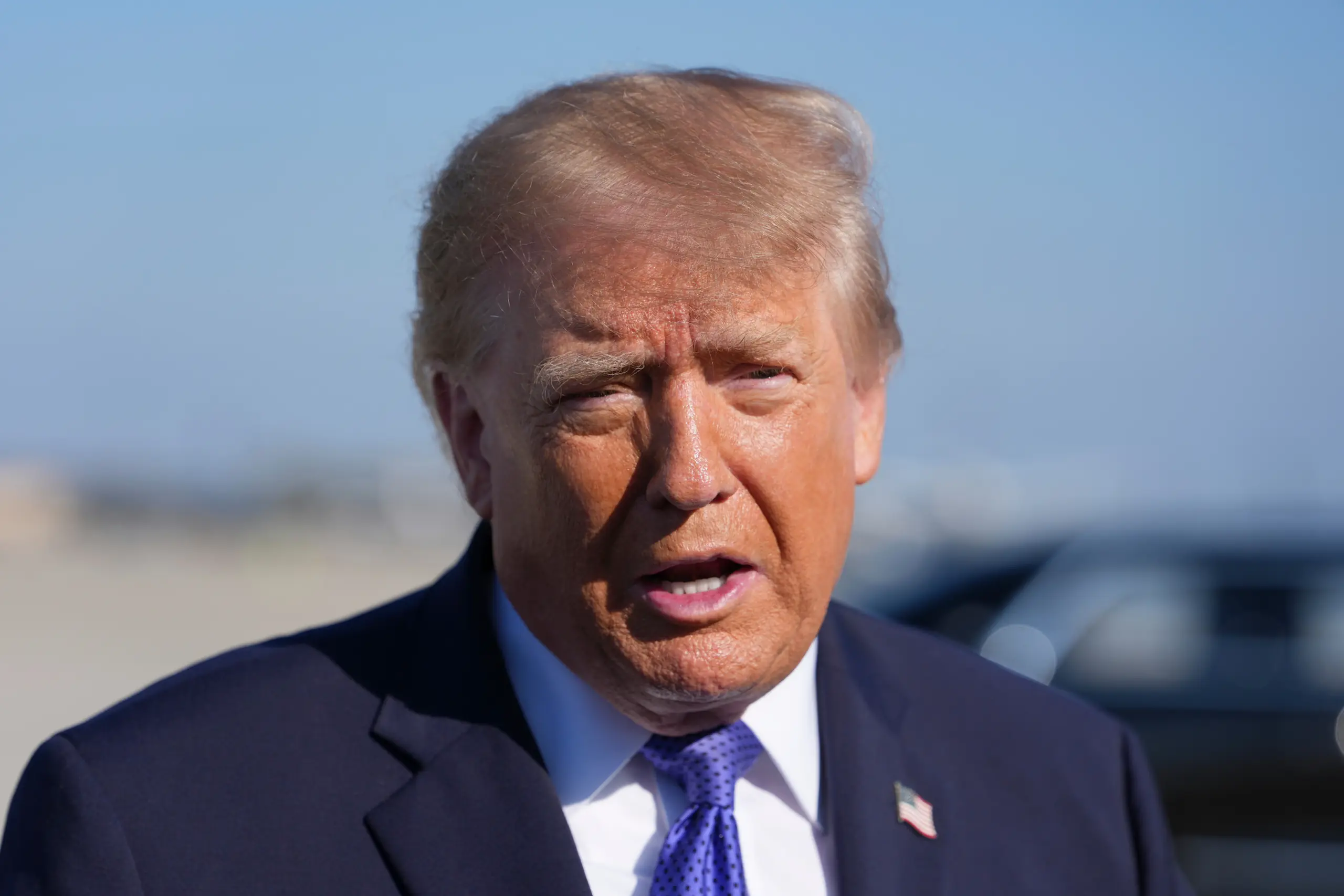
Donald Trump has renewed his demand that Democratic politician Mary Peltola face criminal prosecution and be removed from the Alaska Senate race, intensifying an increasingly contentious political dispute over allegations that her campaign was involved in an effort to recruit a candidate sharing the name of Republican incumbent Dan Sullivan. Trump’s latest intervention came as authorities and political figures continued to scrutinise the allegations, adding another layer of tension to an already closely watched US midterm election campaign.
Speaking to supporters during a campaign event in South Carolina, Trump described the alleged effort as voter fraud and argued that those responsible should face criminal consequences. He claimed that Peltola’s campaign had attempted to recruit a man with the same name as her Republican opponent in an effort to divert votes. Trump said Peltola should be removed from the ballot and prosecuted, while also calling for action against the candidate he described as the “fake Dan Sullivan.”
Trump’s comments came amid growing attention to an investigation into the Alaska Senate contest. The controversy has become one of several election-related disputes attracting national attention during the final stage of the US midterm campaign, with political parties and candidates increasingly focused on allegations of election manipulation and campaign misconduct.

The allegations centre on claims that an individual sharing the name Dan Sullivan was recruited to participate in the race against the Republican incumbent. Critics of Peltola’s campaign have characterised the alleged strategy as an attempt to confuse voters and divide support for the Republican candidate. Supporters of Peltola have faced pressure to respond to the allegations, while authorities consider whether the claims warrant further investigation.
The political stakes are particularly high because Alaska’s Senate race is taking place against the backdrop of a closely contested national midterm election. Control of the Senate and the broader balance of political power in Washington are major concerns for both Republicans and Democrats. Consequently, developments in individual states have attracted significantly greater attention than they might under less competitive circumstances.
Trump’s decision to personally intervene has further elevated the dispute. The former and current Republican leader has repeatedly used his public appearances to attack Democratic candidates and officials whom he believes have acted improperly. His demand for prosecution of Peltola represents a particularly strong escalation because criminal prosecution would move the dispute beyond political criticism and into the legal system.
However, allegations of election-related wrongdoing require investigation and evidence before criminal responsibility can be established. Political accusations alone do not constitute proof of a crime, and any legal action would depend on findings by the relevant authorities.
The Alaska controversy also comes as Republican and Democratic campaigns across the United States intensify their efforts to mobilise voters. Candidates are relying heavily on advertising, rallies and increasingly aggressive messaging as election day approaches. Allegations involving election integrity have become particularly powerful political tools, often generating significant public attention even before investigations have reached conclusions.
The situation has also drawn attention from Alaska’s political leadership. The state’s governor has ordered an investigation into claims surrounding the Peltola campaign, creating the possibility that the allegations could receive formal scrutiny independent of the political debate surrounding them.
Republican figures have argued that the alleged recruitment of a similarly named candidate could undermine the integrity of the election by confusing voters. Critics say that voters could mistakenly support the wrong candidate if two people with identical or highly similar names appeared on the ballot.
Democrats, meanwhile, have faced the broader challenge of responding to a political environment in which allegations of misconduct can spread rapidly through campaign events and social media. The Peltola controversy is therefore not only a question of the specific allegations but also an example of how modern election campaigns can become dominated by accusations before all relevant facts have been established.
The Alaska Senate race has already attracted considerable attention because of its unusual political dynamics. Alaska has traditionally leaned Republican in federal elections, but changing voting patterns and the competitiveness of individual races have made the state increasingly significant in national political calculations.
The allegations involving Peltola and the candidate named Dan Sullivan have added another unpredictable element to the contest. If investigators establish that campaign officials deliberately attempted to manipulate the ballot through the use of a similarly named candidate, the consequences could be politically serious. If the allegations cannot be substantiated, however, the controversy could instead become an example of political rhetoric overtaking available evidence.
Trump’s repeated demands have ensured that the dispute remains at the centre of national political discussion. His comments also reflect his broader approach to election politics, in which allegations of misconduct and fraud frequently feature prominently in his speeches and campaign messaging.
The controversy comes during an unusually turbulent period for the US political landscape. Across the country, candidates are facing intense competition, while disputes over campaign advertising, election administration and political conduct are appearing alongside major policy debates.
Other developments during the same campaign period have reinforced the highly confrontational atmosphere. Republican Ohio gubernatorial nominee Vivek Ramaswamy, for example, confirmed that his campaign had stopped airing a controversial attack advertisement targeting Democratic opponent Amy Acton. That advertisement had generated widespread criticism because it relied on deeply sensitive details of Acton’s childhood and family history.
The Ramaswamy controversy, like the Alaska dispute, has raised questions about the limits of political campaigning and the extent to which candidates should go when attempting to damage their opponents. The simultaneous controversies demonstrate how personal attacks and allegations of misconduct can dominate political coverage during the final weeks of an election.
Trump himself has remained at the centre of several other campaign controversies. During the same period, he criticised a Reuters reporter who asked why he had cancelled a planned appearance at a Kansas rally supporting Republican Senator Roger Marshall. Trump rejected suggestions that his decision was related to his health or fatigue and responded angrily to the reporter.
The president said he felt well and argued that he did not believe his presence in Kansas was necessary because Marshall was performing strongly. Trump said he would instead participate in a tele-rally and continue supporting the campaign from elsewhere.
The confrontation illustrated the increasingly hostile relationship between Trump and parts of the news media. His criticism of individual journalists has been a recurring feature of his political appearances, and his latest exchange quickly became part of the wider political conversation.
Another unusual episode occurred during Trump’s campaign activities in South Carolina, where a man who had compared Trump supporters to a cult during a live television interview was subsequently removed from the rally venue by Secret Service agents. The incident further demonstrated the tense atmosphere surrounding Trump’s public appearances.
The man, identified as Tom Hoyle, told reporters that he had accepted an invitation to the rally intending to protest. During an interview with Fox News before Trump’s speech, he compared the assembled supporters to followers of the Jonestown cult, prompting the correspondent to move away from the interview.
Hoyle later said he was removed from the venue by Secret Service personnel. The incident subsequently gained attention online and became another example of the political confrontations surrounding Trump’s campaign appearances.
At the same time, Trump continued to attract attention for the use of a luxury Boeing 747-8 aircraft gifted by Qatar for presidential travel. The aircraft flew at low altitude over a White House Halloween event in Washington, where some spectators welcomed the appearance while others were reportedly alarmed by the unexpected sound and sight of a large aircraft flying over the capital.
The episode added to a series of unusual developments surrounding the president’s public activities during the final stages of the midterm campaign.
Despite these distractions, the Alaska Senate controversy remains politically significant because of its potential implications for election integrity and the outcome of a closely watched Senate race. The investigation ordered by Alaska’s governor could provide important information about whether the allegations against Peltola’s campaign have a factual basis.
For now, Trump’s demand for prosecution represents a political position rather than a legal determination. Any criminal proceedings would require evidence establishing that laws were violated and identifying individuals responsible for any misconduct.
The continuing investigation therefore places Alaska’s election authorities and political institutions under considerable pressure. They must examine the allegations carefully while maintaining public confidence in the electoral process and avoiding the appearance that investigations are being driven by partisan political demands.

As the midterm elections approach, the controversy is likely to remain a major issue in Alaska and could become part of the broader national debate over election integrity. Whether it ultimately results in legal action, political consequences or simply another unresolved campaign dispute will depend on the findings of investigators and the evidence they uncover.
For Peltola, the controversy represents a serious political challenge at a critical moment. For Trump and Republican opponents, it provides another opportunity to argue that Democrats have engaged in unacceptable campaign tactics. But the final judgment will rest not on campaign rhetoric but on the facts established through the investigative process.
The Alaska Senate race therefore enters its closing phase under an unusual cloud of allegations, political pressure and heightened national attention. With Trump’s calls for prosecution becoming increasingly forceful, the investigation could have consequences extending well beyond Alaska, particularly if it produces findings that influence the national debate over election conduct and political accountability.
Related News:
 US states redraw maps after voting rights ruling
 Immigration Judges Fear Pressure in Trump Era
 Judge Allows Pentagon Firings at Stars and Stripes
 New Mexico Takes Facebook to Trial Over Data Scandal
 Trump Media Ban Triggers First Amendment Clash
 US Deportation Deals Send Migrants to Unfamiliar Countries
 US Networks Suspend Trump White House Pool Coverage
 Democrat Says ICE Restricted Detention Camp Oversight
 Republican Senator Questions Trump Ad Spending
 Trump Ads Trigger Fight Over Taxpayer Money
 Musk’s DOGE Sparks Turmoil Inside US Government
 Latin America women fear rollback of rights
 Trump Says He Deserves Nobel Peace Prize
 ICE Agent Shoots Man in New York as Child Escapes Harm
 Trump Attacks Norway After Nobel Peace Prize Snub
 Brazil Court Scandal Threatens Lula as Bolsonaros Rise
 Ohio Airports Become Key Hubs for ICE Deportation Flights
 Judge Blocks Trump White House Media Ban
 Serbia Leader Linked to Controversial Trump Tower Plan
 Trump’s New Press Secretary Faces Questions Over Credentials
 Trump’s Midterm Campaign Faces Racism and Political Backlash
 Judge Rejects Trump Bid to Withhold 20,000 Ballots
 US National Guard Member Killed in DC Shooting
 Trump officials continue false claims after Alex Pretti shooting
 Partial US Government Shutdown Hits Homeland Security Funding
 Thousands Protest ICE Operations in Nationwide US Day of Action
 Trump at Press Dinner Sparks Tension
 US Court Weighs Fate of TPS for Migrants
 Cartel crackdown raises fears of fresh violence
 Judge halts deportation of Yemeni refugees in US
 White House Security Case Sparks Political Firestorm
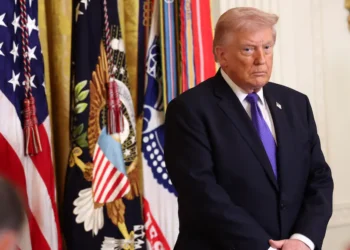 Trump warns Iran as Middle East tensions surge again
 US ‘Narco Boat’ Strikes Draw Global Outcry
 Florida Surgeon ‘Devastated’ Over Fatal Surgery Error
 US green card applicants must apply from abroad, DHS says
 Tulsi Gabbard exits after turbulent intelligence tenure
 Former ICC prosecutor condemns US sanctions
 Prosecutor Proposes Law to Combat Election Deceit
 Trump Refuses to Sign Housing Bill, But Law Takes Effect
 Trump Orders Signs Criticising Smithsonian Museum
 Trump Calls Iran War ‘Small Potatoes’ Despite US Deaths
 Trump gives $45,000 holiday gifts to White House aides
 Israel Accused of Undermining Palestinian Life
 Trump’s Washington Projects Face Architectural Criticism
 Texas Charges Seven Noncitizens in Voting Crackdown
 Omar Proposes Bill to Redirect ICE Funding
 Trump and Mamdani Hold Cordial Gracie Mansion Meeting
 Lula accuses Trump of seeking control over Brazil
 Free Speech Emerges as Key UK Election Issue
 Cornell Fraternity Assault Investigation Reopened
 Drumcree Talks Falter as Legal Challenge Deepens
 UK-France Returns Deal Faces Expiry as Talks Stall
 Kristi Noem Files for Divorce After 34 Years
 Trump Immigration Policy Faces New Legal Tests
 Badenoch Raises Prospect of 2027 UK Election
 New Prosecutor Takes Over Cornell Assault Case
 DOJ Declines to Reopen Powell Renovation Probe
 US bombers leave RAF Fairford after terror threat
 McIver Faces Key Deadline in ICE Confrontation Case
 Susan Collins Distances Herself From Trump in Maine Race
 Botstein Quits Bard Amid Epstein Investigation Calls
 Royal Navy Sailor Charged With Alleged Spying
 Sri Lanka Ex-First Lady Arrested Over Donation Probe
 Bolsonaro Gains Key Endorsement Ahead of Brazil Runoff
 Delhi Tightens Security Ahead of Election Protest
 US Execution Livestream Plan Sparks Global Outrage
 Controversial Vaccine Trial Approved in Guinea-Bissau
 Millions Face Tougher Medicaid Rules From January
 England and Wales Begin Second Wave of Early Prison Releases
 India’s Voter Roll Crisis Sparks Nationwide Protests
 Ukrainian Soldier Faces Trial Over Nord Stream Blast
 Farage Calls for Prosecution of Asylum Seeker Charities
 Gadi Eisenkot: Israel’s Anti-Netanyahu Challenger
 Trump Rallies GOP as Senate Democrats Boost Key Races
 Talarico Faces Tough Voter Test in Texas Senate Race
 Trump’s Ambassador Picks Face Growing Controversy
 Omar Claims US Raid on Residence Was Meant to Intimidate
 Serbia’s Student Victory Sparks a ‘Smell of Freedom’
 Flávio Bolsonaro Reportedly Leaves Brazil After Election Defeat
 Judge Disqualifies Trump-Appointed Federal Prosecutor