Published: 29 September 2026. The English Chronicle Desk. The English Chronicle Online
Prosecutors in New York have reopened an investigation into allegations of a sexual assault involving a Cornell University student at a fraternity house, following renewed public scrutiny over how the case was initially handled and the consequences faced by members of the fraternity who were identified in connection with the allegations.
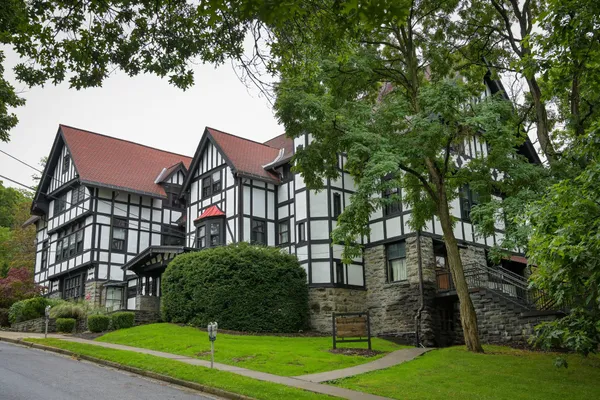
The investigation concerns an October 2024 incident at the Chi Phi fraternity house in Ithaca. A student, identified in court documents as Jane Doe, has alleged that she was sexually assaulted by multiple fraternity members over several hours after arriving at the house while heavily intoxicated. She later filed a civil lawsuit against Cornell University and members of the fraternity, bringing details of the allegations into wider public view.
The Tompkins County district attorney, Matthew Van Houten, announced that his office was reopening the investigation after reviewing the allegations contained in the civil lawsuit. He said the account presented in the lawsuit was substantially different from the statement the woman provided to police in November 2024.
Van Houten said his office had previously decided not to pursue criminal charges based on the information contained in the original police statement. He stressed that prosecutors could not have based their earlier decision on allegations contained in a civil lawsuit that was filed almost two years after the incident.

According to a summary released by the district attorney’s office, the student’s original statement described sexual activity and drug use as voluntary and consensual. The summary also described her interactions with several men at the fraternity house and said that she had difficulty remembering portions of what occurred later in the night.
Van Houten said that the differences between the original statement and the allegations contained in the subsequent lawsuit warranted another examination of the case. He said a senior female prosecutor had been asked to prepare the matter for consideration by a grand jury.
The district attorney also acknowledged that experiences of trauma can affect people differently and said that seeking justice can require authorities to reconsider cases when additional evidence becomes available.
The reopening follows widespread criticism of the handling of the case after the civil lawsuit became public. Attorneys for the student have argued that the university and law enforcement authorities failed to adequately respond to the allegations and that the fraternity members identified in the lawsuit did not face appropriate consequences.
According to the student’s attorneys, seven fraternity members were identified as alleged perpetrators. Two were expelled from Cornell, while others reportedly faced measures including essays, workshops or short suspensions. None of the seven was arrested in connection with the allegations.
The civil lawsuit presents a substantially different account of the night from the summary of the student’s original police statement released by the district attorney.
In the lawsuit, the woman said she had consumed a large amount of alcohol before arriving at the fraternity house and was already visibly intoxicated. She alleges that fraternity members subsequently encouraged her to take additional drugs and alcohol before multiple men became involved in sexual activity with her.
The lawsuit alleges that a message was sent to a fraternity Snapchat group inviting other members upstairs. It further claims that additional men entered the room and that the alleged assault continued for several hours.
The woman said she eventually lost consciousness. She later returned to her residence, where she described being in a state of shock and noticed a significant bruise. She reported the incident to Cornell police several weeks later.
The allegations have not been established as criminal facts in court, and several of the individuals named in the lawsuit have denied wrongdoing.
The reopening of the investigation has therefore placed particular importance on the differences between the two accounts and on what evidence may be available to investigators. Prosecutors will now have the opportunity to examine the allegations in the civil lawsuit alongside the earlier police material and any additional evidence that may have emerged.
The woman’s attorney, Thomas Giuffra, has strongly criticised the original handling of the complaint. He said his client went to Cornell police because she believed a crime had been committed and argued that investigators should have conducted a more extensive follow-up.
Giuffra has also pointed to the alleged fraternity group message as potentially important evidence. He said the message should have prompted further investigation and argued that his client was not adequately interviewed by investigators with specialist experience in dealing with sexual assault survivors.
The attorney has disputed the implication that the woman’s initial statement should be viewed as resolving the matter. He argued that survivors of sexual violence may require sensitive and specialised approaches when describing traumatic experiences, particularly when alcohol, drugs and memory difficulties are involved.
Van Houten, however, has defended the decision made by his office at the time. He said the prosecutor’s office relied on the statement that had been provided to police and did not receive information from the student’s attorneys at the time indicating that the original account was inaccurate.
He said that after the civil lawsuit was filed, he contacted the student’s attorneys himself to understand the apparent differences and determine how the new allegations should be addressed.
Cornell University has also responded to the renewed investigation. University vice-president for university relations Kyle Kimball described the allegations as deeply disturbing and said university offices had conducted inquiries following the 2024 incident.
After the district attorney announced that the criminal investigation would be reopened, Cornell said it supported the decision to allow the student’s account to be considered by a criminal grand jury.
The university also said the fraternity chapter involved had been closed in 2024 and remained barred from campus.
The case has generated wider discussion about the responsibilities of universities, fraternities and students when allegations of sexual violence arise. It has also raised questions about how institutions should respond when an alleged victim’s account changes or becomes more detailed over time.
Such cases can present complicated evidentiary questions for investigators. Alcohol and drug use can affect memory, while trauma can influence how an individual recalls and describes an experience. At the same time, investigators must assess evidence carefully and establish whether the legal requirements for criminal charges are satisfied.
The reopened investigation will now determine whether the evidence supports presenting the case to a grand jury and whether criminal charges should be pursued. The process does not itself establish that any of the defendants committed the alleged offences.
At least two of the named defendants have publicly denied the allegations. An attorney representing Scott Kretzschmar said his client never sexually assaulted or touched the plaintiff. Scott Norris also denied engaging in sexual activity or drug use, while acknowledging that he sent a message that appeared in the civil complaint. He said he briefly entered the room but was not there when the alleged misconduct occurred.
The responses underline the disputed nature of the case. The allegations in the lawsuit remain subject to legal examination, while the defendants are entitled to contest the claims against them.
The renewed investigation has nonetheless attracted considerable public attention, partly because of the broader questions it raises about institutional responsibility. The controversy has prompted criticism from people who believe that more should have been done after the original report and from others who stress the importance of following established investigative and legal procedures.
The case has also drawn attention from public figures. Actor Florence Pugh publicly expressed support for the alleged victim and called for greater discussion about how communities respond to sexual violence and behaviour that can enable or tolerate abuse.
For the student at the centre of the case, the reopening represents another stage in a process that began with her report in 2024 and later expanded into a civil lawsuit. She subsequently left Cornell, according to the lawsuit.
For the fraternity members named in the case, the renewed investigation could bring further legal scrutiny after nearly two years. Any criminal proceedings would require prosecutors to present evidence through the appropriate legal process.
The reopening also places Cornell and local authorities under renewed scrutiny over how allegations of sexual assault are handled on university campuses. The case highlights the difficult balance between supporting alleged victims, protecting due process and determining facts through a fair investigation.

As the district attorney’s office prepares the matter for possible grand-jury consideration, the central questions will be whether additional evidence can clarify what happened at the fraternity house and whether that evidence meets the legal threshold for criminal prosecution.
The decision to reopen the case does not resolve those questions. Instead, it begins another stage of examination in a case that has already generated intense debate over sexual assault, institutional accountability, investigative practices and the treatment of both alleged victims and accused individuals.
The outcome will depend on the evidence reviewed by prosecutors and any subsequent decisions made through the criminal justice system. Until then, the allegations remain contested, while the renewed investigation provides an opportunity for authorities to examine the circumstances of the 2024 incident again.
Related News:
 FBI Links Brown University Shooting to Long-Term Grievances
 Cambridge Professor Jason Arday Found Dead at Home
 Councils spend £125m on illegal children’s care
 Democrat Says ICE Restricted Detention Camp Oversight
 Undercover officer deceived women with ‘grotesque and cruel’ lies, spycops inquiry told
 Police Suspect Help in Missing Alice Springs Girl Case
 Florida Surgeon ‘Devastated’ Over Fatal Surgery Error
 Barrister Criticises Trial After Suicide Case Verdict
 Immigration Judges Fear Pressure in Trump Era
 Westminster Council Threatens Charing Cross Soup Kitchen
 BBC Warned About Missing Clothes of Murder Victim
 Internal Exclusions Surge in England’s Schools
 Armed Suspect Attacks Ohio Governor Candidate
 Patriot Platform Raises Concern Across Britain
 Man Arrested in Mississippi Woman’s Death
 Texas Charges Seven Noncitizens in Voting Crackdown
 Survivor Seeks Closure After Priest Dies in Prison
 Texas Transfers Raise Fears for Migrant Children
 Memphis Questions National Guard Crime Surge
 Patrick Clancy speaks publicly about children’s deaths
 Clancy Defense Seeks Inquiry Into Lone Juror
 Tennessee Set to Execute Woman After Clemency Denied
 Melania Trump Epstein remarks spark survivor backlash
 Prevent Failings Exposed After Southport Attack
 Ben Roberts-Smith Denies War Crime Allegations in First Statement
 City & Guilds Sale Sparks Fees and Pay Uproar
 Harmeet Dhillon Faces Scrutiny in DOJ Role Debate
 NHS Safety Fears as Nurses Cover Doctor Gaps
 Walsall Rapist Jailed After Hate-Filled Online Trail
 Two Children Die in Wolverhampton House Fire Tragedy
 US Labor Department in turmoil after secretary resigns
 Trump DOJ Targets James Comey Again
 US Court Weighs Fate of TPS for Migrants
 Teacher Alleges Misogyny at Elite School
 US Charges Sinaloa Governor in Major Cartel Case
 Cartel crackdown raises fears of fresh violence
 US states redraw maps after voting rights ruling
 US ‘Narco Boat’ Strikes Draw Global Outcry
 Trump’s Revenge Drive Deepens GOP Divide
 Victim says non-custodial rape sentence ‘rock in my face’
 Gunman Killed After White House Security Shootout
 Murder Probe Continues After Arrest Release
 New Footage Revives Peter Falconio Mystery
 Teen Charged After Layla Jeffery Found Dead
 Trump Orders Signs Criticising Smithsonian Museum
 Pradhan Resigns Amid Protests
 Is America Ready for an AOC Presidential Run?
 Survivor Sues Musk’s xAI Over AI Abuse Images
 Argentina Orders Return of Nazi-Looted Painting
 Judge Allows Pentagon Firings at Stars and Stripes
 New Mexico Takes Facebook to Trial Over Data Scandal
 Reform UK Receives Record £36m Donation From Crypto Billionaire
 Israel Accused of Undermining Palestinian Life
 Election Candidate Abuse Raises Alarm in England
 UK Urged to Probe US Diplomat Case
 Piddington Votes for Symbolic Independence Over Asylum Plan
 NBC Helicopter Crash in Los Angeles Kills Three
 Iran School Strike Raises War Crimes Questions, UN Says
 Australia Post Worker Jailed Over Stolen Bank Cards
 Omar Proposes Bill to Redirect ICE Funding
 Gaza Strike Kills Child and Paramedic
 Mahmood Warns Far Right Over Asylum Protests
 NHS Breast Care Review Finds Serious Patient Harm
 Harrods Faces Dispute Over Fayed Abuse Compensation
 China’s MeToo Movement Finds New Ways to Survive
 US Deportation Deals Send Migrants to Unfamiliar Countries
 US Networks Suspend Trump White House Pool Coverage
 Trump and Mamdani Hold Cordial Gracie Mansion Meeting
 Briton Faces Cyprus Court Over Son’s Fatal Fall
 UK Reviews Hague Child Abduction Cases Involving Abuse
 King Refers Jamaica Slavery Petition to Privy Council
 Court Says Judge Should Not Have Heard Case From Bed
 Judge orders Trump to restore access for three media outlets
 Paris child pickpocketing gang leader jailed for eight years
 Far-Right Activist Arrested After Channel Dinghy Incident
 Elizabeth Holmes Set for Halfway House Transfer
 Yemen fighting forces children out of school and into work
 Portadown protest ends after tense Orange Order standoff
 Republican Senator Questions Trump Ad Spending
 Free Speech Emerges as Key UK Election Issue