Published: 24 September 2026. The English Chronicle Desk. The English Chronicle Online.
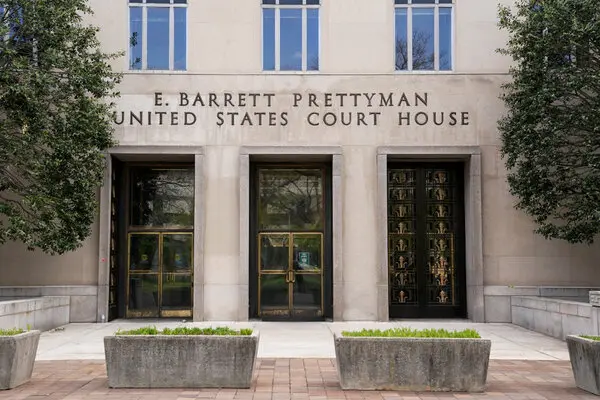
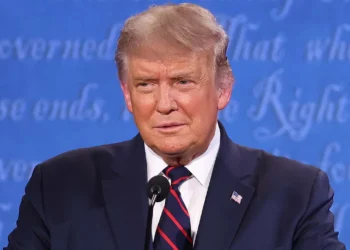
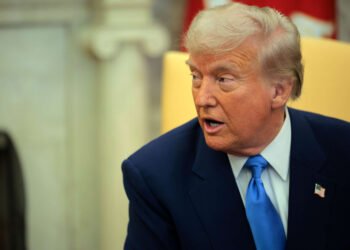
A federal judge in the United States has ordered the Trump administration to immediately restore White House access for journalists from CNN, MS NOW and Politico, temporarily blocking the administration from enforcing a ban that had prevented the three outlets from covering presidential activities inside the White House. US District Judge Timothy Kelly said the media organisations had demonstrated a strong likelihood of succeeding in their legal challenge and that the revocation of their press credentials appeared to have been carried out without constitutionally adequate due process.
The ruling came after CNN, MS NOW and Politico filed a federal lawsuit challenging President Donald Trump’s decision to remove their White House access. The outlets argued that the administration’s action violated constitutional protections for freedom of speech and freedom of the press, as well as their right to due process. They asked the court to intervene immediately while their broader legal challenge proceeds.
Judge Kelly granted a temporary restraining order that will remain in force for 14 days unless the court changes or extends it. The order requires the administration, its officials and representatives to return, reinstate and restore the White House hard-pass press credentials held by employees of the three organisations. The order does not represent a final decision on the underlying lawsuit, but it prevents the disputed ban from remaining in effect while the court examines the case further.
The dispute began on 18 September, when Trump announced that CNN, MS NOW and Politico would no longer be allowed to access the White House. Trump criticised the outlets’ reporting and accused them of repeatedly publishing what he described as false or fabricated information. His administration subsequently defended the decision in court, arguing that access to the White House is a privilege rather than an entitlement and that the president has significant authority over which news organisations are permitted access to the presidential complex.

The Justice Department also attempted to justify the restrictions on national security grounds. Government lawyers argued that reporting by the three organisations had raised concerns relating to national security and that the administration was entitled to consider such issues when determining press access.
Kelly, however, expressed significant skepticism about the government’s explanation. According to the ruling, the judge questioned whether the administration had demonstrated that national security was actually the reason for revoking the journalists’ credentials. He also noted that the government’s explanation came after the press passes had already been withdrawn and after the news organisations had initiated legal proceedings.
A central issue before the court was whether the administration followed the proper legal process before taking away the journalists’ hard passes. Kelly pointed to previous court decisions involving White House press access and indicated that journalists generally must receive notice of an alleged violation and an opportunity to respond before the government takes away a constitutionally protected interest.
The judge had previously questioned the administration’s procedures during a hearing on Wednesday. Government lawyers maintained that letters subsequently sent to the affected organisations provided adequate explanations for the decision. Kelly appeared unconvinced, particularly because the letters were issued only after the credentials had already been revoked.
The dispute has therefore involved not only the First Amendment and press freedom but also the question of procedural fairness. The media organisations maintain that the administration effectively punished them because of their reporting and editorial viewpoint. The government, meanwhile, has argued that the president has broad authority to control access to the White House and that the restrictions were connected to legitimate governmental concerns.
The legal challenge has attracted support from a broad coalition of media organisations and press-freedom groups. A court filing supporting CNN, MS NOW and Politico argued that government officials cannot withdraw access from journalists because of disagreement with their editorial viewpoints. The filing was supported by organisations representing press freedom and by several major news organisations.
The case has also revived broader questions about the relationship between the US presidency and the news media. White House access provides journalists with an important opportunity to question officials, attend briefings and report directly from the centre of the federal government. Restrictions on that access can therefore affect how news organisations gather information and report on presidential activities.
The three affected outlets continued challenging the ban in court after their journalists were prevented from accessing the White House. Their lawsuit sought immediate restoration of their credentials while the broader constitutional dispute is considered. The judge’s temporary order now provides that relief for the time being.
The decision does not permanently resolve whether the Trump administration can impose restrictions on the three organisations. Instead, it establishes a temporary legal position while the court continues to consider the underlying claims. The administration could continue to defend its authority in subsequent proceedings, while the media organisations will have the opportunity to pursue their arguments concerning the First Amendment and due process.
Judge Kelly’s decision is also notable because he was nominated to the federal bench by Trump in 2017. He had previously dealt with a dispute involving White House press access, making his handling of the current case particularly significant in the ongoing legal debate. The judge has indicated that his decision will be guided by existing legal precedents governing press access and constitutional protections.
For journalists from CNN, MS NOW and Politico, the immediate effect of the ruling is that their White House press credentials must be restored under the temporary order. The administration is therefore required to comply with the court’s direction while the case continues.

The case comes amid heightened tensions between the Trump administration and sections of the US news media. The latest dispute has raised concerns among press-freedom organisations about whether government officials can restrict journalists’ access in response to critical reporting. At the same time, the administration has maintained that White House access is subject to presidential authority and that its restrictions can be justified by governmental interests.
The next stage of the case is expected to focus on whether the administration’s actions can ultimately withstand constitutional scrutiny and whether the procedures used to revoke the journalists’ credentials complied with established legal standards. The 14-day temporary restraining order gives the court additional time to examine those questions while restoring access to the three organisations in the meantime.
The ruling thus represents an important interim development in a rapidly developing legal battle over presidential control of White House press access. While it does not settle the wider dispute, it ensures that CNN, MS NOW and Politico journalists will regain access during the temporary period and places the administration’s decision under continued judicial review
Related News:
 Immigration Judges Fear Pressure in Trump Era
 Patriot Platform Raises Concern Across Britain
 Reform UK Receives Record £36m Donation From Crypto Billionaire
 Election Candidate Abuse Raises Alarm in England
 Democrat Says ICE Restricted Detention Camp Oversight
 Undercover officer deceived women with ‘grotesque and cruel’ lies, spycops inquiry told
 Judge Blocks Trump Bid for Arizona Voter Data
 US Court Weighs Fate of TPS for Migrants
 Police Suspect Help in Missing Alice Springs Girl Case
 Cartel crackdown raises fears of fresh violence
 US states redraw maps after voting rights ruling
 UK may ban protests amid rising antisemitism fears
 Florida Surgeon ‘Devastated’ Over Fatal Surgery Error
 Barrister Criticises Trial After Suicide Case Verdict
 Trump’s Revenge Drive Deepens GOP Divide
 Murder Probe Continues After Arrest Release
 Le Pen’s Popularity Holds Despite Conviction
 Trump Orders Signs Criticising Smithsonian Museum
 Westminster Council Threatens Charing Cross Soup Kitchen
 BBC Warned About Missing Clothes of Murder Victim
 Is America Ready for an AOC Presidential Run?
 Cambridge Professor Jason Arday Found Dead at Home
 Five Years of Taliban Rule Leave Afghanistan in Crisis
 RAF Barnham Protests Fuel Tensions in Norfolk Town
 Internal Exclusions Surge in England’s Schools
 Judge Allows Pentagon Firings at Stars and Stripes
 Armed Suspect Attacks Ohio Governor Candidate
 Ministers Condemn Far-Right Unrest in Portsmouth
 Councils spend £125m on illegal children’s care
 New Mexico Takes Facebook to Trial Over Data Scandal
 Israel Accused of Undermining Palestinian Life
 Piddington Votes for Symbolic Independence Over Asylum Plan
 Texas Charges Seven Noncitizens in Voting Crackdown
 Amnesty Finds Coordinated Abuses in Iran Protest Crackdown
 Turkey LGBTQ Crackdown Expands With New Arrests
 Iran School Strike Raises War Crimes Questions, UN Says
 Omar Proposes Bill to Redirect ICE Funding
 Texas Transfers Raise Fears for Migrant Children
 Memphis Questions National Guard Crime Surge
 Mahmood Warns Far Right Over Asylum Protests
 Disabled Travellers Seek Fairer UK Care Rules
 NHS Breast Care Review Finds Serious Patient Harm
 Trump Media Ban Triggers First Amendment Clash
 Lib Dems Prepare for Election Amid Reform Challenge
 China’s MeToo Movement Finds New Ways to Survive
 US Deportation Deals Send Migrants to Unfamiliar Countries
 US Networks Suspend Trump White House Pool Coverage
 Trump and Mamdani Hold Cordial Gracie Mansion Meeting
 UK Reviews Hague Child Abduction Cases Involving Abuse
 King Refers Jamaica Slavery Petition to Privy Council
 UK Pauses Chagos Deal Amid US Opposition
 Court Says Judge Should Not Have Heard Case From Bed
 French Taxi Driver Cleared in David Lammy Theft Case After Fare Dispute
 Major Rent Reform Ends No-Fault Evictions in England
 Trump Deploys DHS to Charlotte in Major Arrest Operation
 US National Guard Member Killed in DC Shooting
 ICC to Rule on Duterte’s Provisional Release
 Australia grants Asio powers to designate hate groups under new laws
 Partial US Government Shutdown Hits Homeland Security Funding
 Thousands Protest ICE Operations in Nationwide US Day of Action
 Proposed Law Leaves Gap for Children of Convicted Paedophiles
 Report Says Pezzullo Acted ‘Recklessly’ in Dealings
 Suspected Plot Targets Pipeline Before Hungary Vote
 Ben Roberts-Smith Denies War Crime Allegations in First Statement
 Greens Face Internal Row Over Antisemitism Claims
 US ‘Narco Boat’ Strikes Draw Global Outcry
 Farage and Reform UK Reshape British Politics
 Trump’s Mount Rushmore Speech: A Divisive Anniversary
 New Footage Revives Peter Falconio Mystery
 Burnham unveils £65m drought aid for farmers
 Unions Warn Labour Over Zero-Hours Contract Reforms
 Ghent Professors Questioned Cofnas Appointment
 British Museum Faces Questions Over Peter Thiel’s Private Bayeux Viewing
 Ukraine Villagers Demand Answers After Deadly Arms Depot Strike
 Trump Calls Iran War ‘Small Potatoes’ Despite US Deaths
 Trump gives $45,000 holiday gifts to White House aides
 Man Arrested in Mississippi Woman’s Death
 UK Retailers Accused of Breaking Refund Laws
 US Sanctions Open New Battle for Cuba Assets
 Harrods Faces Dispute Over Fayed Abuse Compensation