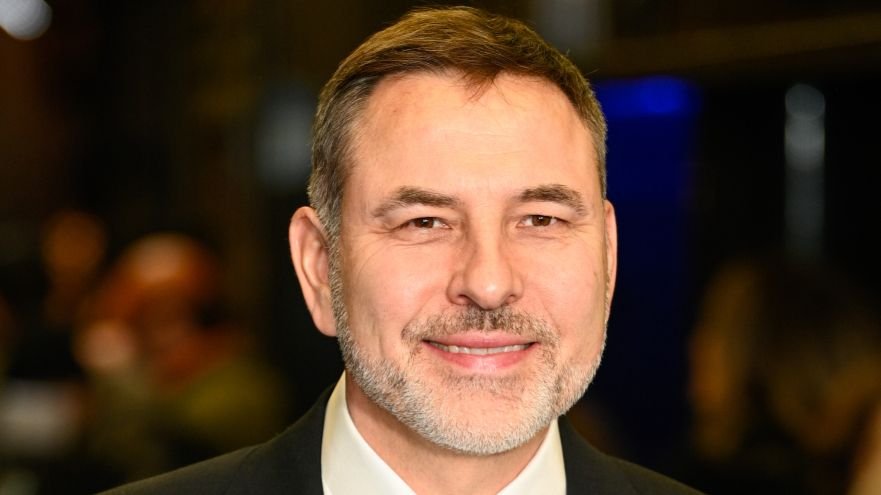
For years, jokes about comedian and television personality David Walliams’ reputation for pursuing women appeared regularly across British television, comedy programmes and entertainment interviews. What once seemed to be part of his public image is now attracting renewed scrutiny following allegations made by several women, raising wider questions about whether the entertainment industry overlooked warning signs surrounding influential celebrities.
The controversy has prompted fresh debate about the relationship between celebrity culture, professional influence and accountability within the British entertainment industry. Television insiders have suggested that references to Walliams’ behaviour were visible for years, even if those making jokes were not necessarily aware of specific incidents or alleged misconduct.

The renewed attention follows an investigation published by The Guardian and ITV News, which reported allegations from several women who claimed that Walliams had used his celebrity status and professional influence to pursue young women and teenagers for sexual encounters. Walliams, 55, has denied any wrongdoing. The allegations remain disputed, and the comedian has not been established as guilty of the conduct described.
One of the most widely discussed examples of the industry’s earlier references to Walliams came from a comedy sketch produced for the BBC’s Comic Relief campaign in 2013. In the sketch, Walliams appeared in a doctor’s office without trousers, where he was informed that he had contracted a fictional sexually transmitted infection. The doctor instructed him to contact everyone with whom he had been intimate during the previous year.
Walliams responded with an exaggerated expression of shock, asking whether he really had to contact everyone. The sketch then showed him travelling between the homes of several well-known celebrities to deliver the news. Among those featured were model Kate Moss, actress Gwyneth Paltrow, comedian Alan Carr, television presenter Clare Balding, actor David Schwimmer and Hugh Grant.
Although the sketch was presented as entertainment, it has acquired a different significance in light of the recent allegations. It was one of several public references to Walliams’ supposed romantic and sexual reputation that circulated within British television and comedy for more than two decades.
Industry observers are now questioning whether such repeated jokes reflected a broader awareness of his reputation and whether the entertainment business was too willing to turn potentially uncomfortable subjects into comedy.
Another notable example dates back to the 2004 British Comedy Awards. During the ceremony, presenter Jonathan Ross made a joke about Walliams that has attracted considerable attention since the allegations emerged. Ross told the audience that the awards event was 15 years old and suggested that, like many teenagers, it was unpredictable, enjoyed drinking and might end up going home with Walliams.
The camera then turned towards the comedian, capturing his reaction as the audience responded to the remark.
The exchange has become particularly controversial because two women who have made allegations against Walliams said they first met him when they were 15 years old. The connection between the old joke and the newly reported accounts has led to questions about how the entertainment industry understood and discussed the comedian’s reputation at the time.
Ross has since described the footage as deeply shocking to revisit. He explained that the joke had been submitted to him by the event’s scriptwriting team and that he understood its meaning as a humorous exaggeration of Walliams’ publicly discussed relationships with younger women. His explanation has nevertheless prompted further discussion about the responsibility of programme producers, writers and presenters when preparing jokes involving potentially sensitive subjects.
Television insiders have pointed out that such material usually passes through several stages of preparation before being broadcast. Writers, producers and other members of the production team may all have opportunities to review the content. One industry insider suggested that the incident reflected a degree of enabling within the entertainment business, although there is no established evidence that everyone involved knew about specific allegations or incidents.
Walliams’ reputation was also discussed during a 2004 appearance on Scott Mills’ BBC Radio 1 programme. During the interview, Mills described the comedian’s public image as that of a womaniser and asked whether other men attempted to keep him away from their girlfriends.
Walliams rejected the suggestion that he was some kind of dangerous animal, describing himself instead as a gentleman. He also acknowledged enjoying the company of women. The exchange was treated as light entertainment at the time, but it has now become part of a wider examination of how his public image developed.
Five years later, comedian Alan Carr made another pointed remark about Walliams during an appearance on his Channel 4 programme, Chatty Man. Carr compared the comedian to an illegal taxi driver, suggesting that he attracted women by making them feel comfortable before pursuing them. The comment played on Walliams’ camp public persona and his widely discussed interest in women.
Other comedians also made similar references. In 2006, during the launch of the second series of Britain’s Next Top Model, Jimmy Carr joked in an interview with ITN that he was primarily interested in meeting Walliams’ next conquest. He also questioned whether meeting the comedian was effectively another prize for the programme’s models.
These comments demonstrate how references to Walliams’ romantic reputation became a recurring feature of public entertainment discussions. However, the existence of jokes does not establish that those involved had knowledge of alleged misconduct. The distinction between a celebrity’s public image, humorous exaggeration and specific claims of inappropriate behaviour remains central to the current debate.
The references were not confined to comedy shows and interviews. In 2021, the BBC comedy series Motherland included a line in which a character expressed a desire to become a father and a children’s author, describing the ambition as similar to Walliams’ career but with less sinister associations.
The remark attracted little wider attention when it originally appeared. Following the recent allegations, however, it has been revisited as another example of how references to Walliams’ reputation became embedded in popular entertainment.
In response to questions about the comedian’s past public image and the jokes made about him, lawyers representing Walliams said he had never concealed the fact that he enjoyed the company of women during a particular period of his life. They acknowledged that this aspect of his personal life had frequently attracted attention from tabloid newspapers.
His legal representatives also accepted that Walliams and other people had made jokes about that period. However, they stressed that such remarks were jokes rather than factual statements. They further pointed out that many of the comments identified during the investigation had been written or delivered by people who were close friends of the comedian.
The response highlights an important distinction in the controversy. A celebrity’s reputation for dating or pursuing women is not, by itself, evidence of criminal or inappropriate conduct. Nevertheless, the repeated public references have encouraged questions about whether the entertainment industry sometimes uses humour to normalise behaviour that deserves more serious examination.
Industry insiders have generally cautioned against assuming that everyone who participated in these jokes knew about specific incidents involving Walliams. One insider nevertheless suggested that awareness of his wider reputation had been visible to people working in television and comedy for years. The phrase that it was effectively happening in plain sight has become a defining description of the renewed debate.
The controversy has also drawn attention to concerns raised by comedian Lucy Beaumont. She previously described how a young television worker had told her that he was asked to take young women to Walliams’ dressing room. Similar allegations emerged during the recent investigation. Beaumont has clarified that she did not personally witness any concerning behaviour.
Her comments have nevertheless raised questions about the responsibilities of production companies and television employers towards junior staff, particularly those who may feel pressured to follow instructions involving powerful and influential personalities.
Beaumont, who has established herself as a comedian and appeared on the BBC programme Celebrity Traitors, has also spoken about the difficulties of challenging influential figures within the entertainment business. She acknowledged that speaking publicly about uncomfortable experiences can carry professional risks.
In comments to Sky News, she described the television industry as highly competitive, financially driven and demanding. Workers can be replaced relatively easily, she suggested, making individuals cautious about expressing concerns that could affect their future employment.
Her remarks highlight a broader problem within the entertainment sector: the imbalance of power between established celebrities, production executives and younger employees attempting to build careers. When professional opportunities depend heavily on personal relationships and industry connections, individuals may hesitate to raise concerns or challenge questionable workplace practices.
Beaumont said her intention was to encourage change, explaining that the issue had remained on her mind for many years. Her position reflects growing demands for stronger workplace protections and a culture in which concerns can be raised without fear of professional retaliation.
The renewed scrutiny surrounding Walliams also follows the conviction of Russell Brand for rape and sexual assault, which has intensified wider discussions about misogyny, celebrity influence and the treatment of women within the entertainment industry. The two cases involve separate allegations and circumstances, but both have encouraged questions about whether the television and comedy industries have historically been too tolerant of behaviour involving powerful male personalities.
The central issue is no longer simply whether comedians made inappropriate jokes about their colleagues. It is whether an entertainment culture built around celebrity status, professional influence and commercial success sometimes allowed warning signs to be dismissed as harmless humour.

For many observers, the Walliams controversy has become an opportunity to examine how public reputations are constructed, how allegations are handled and whether people working behind the scenes have sufficient protection to raise concerns. While jokes and public comments cannot establish the truth of specific allegations, their recurrence has prompted difficult questions about the industry’s willingness to confront uncomfortable issues.
As the allegations continue to receive attention, pressure is likely to remain on broadcasters, production companies and entertainment organisations to consider their responsibilities. The wider challenge for British television is to ensure that celebrity status does not place individuals beyond scrutiny and that workplace concerns are taken seriously, regardless of the influence or commercial value of the people involved.
Related News:
 Is This the End of Harry and Meghan’s US Dream?
 Susan Sarandon Says Palestine Stand Costs Roles
 Pelicot Trial Play Comes to London for One Night
 BBC Three and Scotland Face Online-Only Future
 Sam Wood Denied Bail Over Alleged Domestic Assault
 Breaking Bad Actor RJ Mitte Dies at 34
 Joni Mitchell Becomes US Citizen After 62 Years
 Aardman Cuts Losses but Fails to Return to Profit
 Met Police Chief Urges More Russell Brand Victims to Speak Out
 Russell Brand’s Barrister Reports Himself to Legal Watchdog
 Kate Winslet to Narrate Film Highlighting King’s Environmental Mission
 Top Christmas Books Reads: Classics to Cozy Romcoms
 Pauline Collins, Beloved ‘Shirley Valentine’ Star, Dies at 85
 VAR Must Rein Its Neck In to Save Football’s Spirit
 Pop Stars Call on UK Government to Cap Resale Prices for Fans
 John Lithgow criticises Rowling stance in trans debate
 Rising Costs Force Families to Rethink Days Out
 Scott Mills Sacked by BBC Over Personal Conduct Claims
 Army Probes Apache Flyover at Kid Rock’s Nashville Estate
 Kezia Dugdale Warns of Possible Reversal of Equal Rights Gains
 Synagogue Arson Attempt Sparks Security Fears
 Greens Face Internal Row Over Antisemitism Claims
 Barrister Criticises Trial After Suicide Case Verdict
 Farage and Reform UK Reshape British Politics
 Starmer Leadership Under Pressure After Setbacks
 BBC Faces Backlash Over Ashley Cain Vetting Failures
 BBC Faces Backlash Over Ashley Cain Vetting Failures
 British Teens in EU Face Soaring UK University Fees
 UK Schools Struggle as Classrooms Top 40C
 London Tube Heat Reaches Dangerous Levels
 Westminster Council Threatens Charing Cross Soup Kitchen
 BBC Warned About Missing Clothes of Murder Victim
 Burnham unveils £65m drought aid for farmers
 Queue row erupts on Wales’ highest mountain
 RAF Barnham Protests Fuel Tensions in Norfolk Town
 British Museum Faces Questions Over Peter Thiel’s Private Bayeux Viewing
 Internal Exclusions Surge in England’s Schools
 UK Subsidence Claims Surge After Record-Breaking Summer
 Councils spend £125m on illegal children’s care
 UK Retailers Accused of Breaking Refund Laws
 Mahmood Warns Far Right Over Asylum Protests
 Disabled Travellers Seek Fairer UK Care Rules
 UK Rent Gap Puts Low-Income Families Under Pressure
 Lib Dems Prepare for Election Amid Reform Challenge
 Headteachers Warn New Ofsted System Is Harming Wellbeing
 Labour Apprenticeship Scheme Faces Slow Start
 Roman Finds Reveal Bath’s Suburban Past
 Greece Pushes for Parthenon Marbles Reunification
 Frome Community Loses Bid for Major Regeneration Site
 Free Speech Emerges as Key UK Election Issue
 London Facial Recognition Trial Ends With False Alert
 UK University Strikes Spread as Financial Pressure Grows
 Burnham Opens Door to Possible UK Return to EU
 Poundland Rescue Bid Could Protect 11,000 Jobs
 Healey urged to act as UK energy bills rise 4%
 Badenoch Raises Prospect of 2027 UK Election
 Gosport Protesters Clash With Police Over Migrant Rescue
 Police accused of failing abuse victims
 UK Water Firms Earn Millions From Industrial Wastewater
 British Military School Abuse Victims Denied Justice
 UK Shoppers Urged to Avoid Hake and Coley
 UK Bill Faces Warning Over Fayed Trafficking Victims
 UK Visa Refusal Threatens Baby’s Family Christmas
 Up to 20 English Maternity Units Face Possible Closure
 UK Pledges Stronger Protections for Disabled Air Passengers
 Middleton Revitalisation Blueprint for UK Towns
 MoD Seeks Out-of-Court Resolution in LGBT Veterans Compensation Fight
 UK Land Registry Plan Faces Opposition From Landowners
 UK Chancellor Moves to Scrap Gas Standing Charges
 Yvette Cooper Reverses NHS Patient Watchdog Abolition Plan
 King Charles Faces Reparations Protests at Antigua Summit
 Avanti West Coast Faces £70m Refund Bill
 NHS Rolls Out Child Illness Warning System Across England
 Domestic Abuse Survivor Fears Attacker Without Tag
 UK Employers to Be Forced to Publish Job Salaries
 Early-Release Prisoners Face Rising Risk of Homelessness
 EU Citizens Sue Home Office Over UK Residency Rights
 Starbucks to Create 7,500 UK Jobs in Major Expansion
 Burnham’s Christmas Homelessness Pledge Faces Uncertainty
 UK Youth Face Jobs Crisis as Economy Loses Momentum