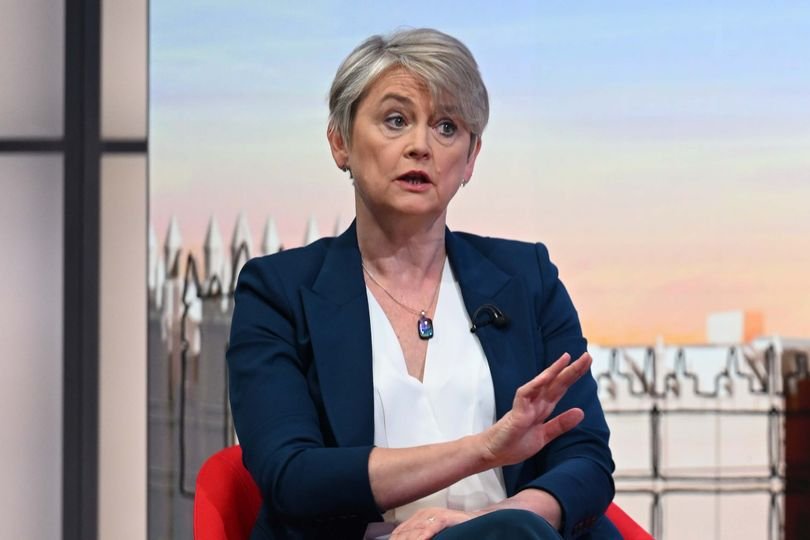
The health secretary has instead committed to retaining and strengthening Healthwatch England and its network of 150 local branches. The organisation will continue collecting and analysing feedback from patients, identifying recurring problems in NHS services and highlighting areas where improvements are needed. Its expanded responsibilities are expected to reinforce the role of patients and communities in shaping health and social care policy.
The reversal represents a significant change in the government’s approach to reforming the NHS in England. Healthwatch had been scheduled for abolition under the government’s proposed health bill, with its responsibilities due to be transferred to regional integrated care boards (ICBs) and local councils. However, concerns raised by MPs, peers and healthcare policy experts prompted ministers to reconsider the proposals.
Cooper said the decision reflected her longstanding belief that patients must have a meaningful voice in the services they use. She emphasised the importance of allowing local communities to influence healthcare decisions and ensuring that public feedback can lead to tangible improvements.

“Patients need a voice in our NHS,” Cooper said, explaining that she had committed to reviewing reforms affecting public involvement in health services. She confirmed that both Healthwatch England and Local Healthwatch would be retained and strengthened so that patients’ experiences could influence change across health and care services.
The announcement is expected to be formally confirmed by Gillian Merron, the health minister in the House of Lords, during Wednesday’s debate on the health bill. The decision follows sustained pressure from parliamentarians representing Labour, the Conservatives and the Liberal Democrats, demonstrating that concerns about the future of Healthwatch extended beyond party political divisions.
Healthwatch England and its local branches have established a reputation for highlighting problems that affect patients across the country. Their reports have drawn attention to declining access to NHS-funded dental treatment, lengthy waiting periods for attention-deficit/hyperactivity disorder (ADHD) assessments and shortcomings in communication between healthcare providers and patients.
These investigations have helped bring attention to difficulties that might otherwise remain less visible to policymakers and the public. Reports of patients receiving appointment notifications after their scheduled dates have passed, for example, have raised questions about administrative processes, communication systems and the overall patient experience.
Supporters argue that Healthwatch provides an important independent perspective because it gathers information directly from people who use NHS services. By identifying patterns across individual complaints and experiences, the organisation can help healthcare authorities understand where problems are widespread rather than isolated incidents.
The proposed abolition had therefore raised concerns about whether alternative arrangements would offer the same level of independence. Critics warned that transferring oversight responsibilities to organisations already involved in planning, commissioning or administering healthcare could create potential conflicts of interest.
Thea Stein, chief executive of the Nuffield Trust health policy thinktank and a former head of an NHS trust in Leeds, argued that abolishing Healthwatch would have undermined the independence that gives the organisation credibility. She maintained that removing the watchdog would not resolve the underlying reasons patients sometimes feel that the health service fails to listen to their concerns.
Stein described the original proposal as the wrong response to a genuine problem. In her view, Healthwatch has helped make it more difficult for the NHS to overlook the frustrations patients experience when accessing treatment and navigating healthcare services.
The Local Government Association had also raised concerns about the proposed changes. The organisation warned that abolishing Healthwatch could create confusion for patients and risk leaving NHS organisations appearing to assess their own performance without sufficiently independent scrutiny.
Such concerns have become particularly significant as the government considers how to improve healthcare standards, address waiting lists and strengthen public confidence in the NHS. Independent feedback mechanisms can help identify weaknesses in service delivery and provide evidence for decisions about where improvements are most urgently required.
Under the revised approach, Healthwatch is expected to play a greater role in identifying recurring concerns and drawing attention to areas requiring action on quality, safety and patient experience. Although the precise details of its strengthened responsibilities will need to be established through the government’s legislative and implementation processes, the commitment to retaining the organisation marks a departure from the earlier restructuring plans.
The decision also forms part of a wider reconsideration of the health bill inherited by Cooper from her predecessor, Wes Streeting. Several elements of the proposed legislation have already been revised following criticism from healthcare professionals, parliamentarians and organisations concerned about governance and patient safety.
Among the changes, ministers have dropped plans to abolish the Health Services Safety Investigations Body, remove councils’ automatic representation on integrated care board committees and end the requirement for a nurse to sit on every NHS foundation trust board.
Taken together, these changes suggest that the government is reassessing how healthcare reform can improve efficiency without weakening essential safeguards, professional representation and independent oversight. They also highlight the political challenges involved in restructuring a complex public service while maintaining confidence among patients and healthcare workers.
The government’s revised position on Healthwatch is likely to be welcomed by campaigners who have argued that meaningful patient participation must remain central to NHS reform. They contend that healthcare services cannot be judged solely through administrative targets, financial performance or waiting-time statistics. The experiences of patients, including their ability to obtain appointments, receive clear information and access appropriate treatment, are also important measures of service quality.
However, retaining Healthwatch alone will not necessarily resolve the problems it has identified. Its effectiveness will depend on whether healthcare organisations respond to its findings, whether recommendations lead to measurable improvements and whether local branches have sufficient capacity to engage with diverse communities.
The organisation’s supporters have therefore emphasised the need for a broader cultural change across the NHS. They argue that patients’ concerns should be treated as valuable evidence for improving services rather than as secondary considerations in an already pressured healthcare system.
Stein said the government’s retreat from abolition should be followed by a change in the way the health service responds to the public. She warned that patients’ voices too often remain low on the list of priorities when services are struggling with competing demands.

For patients, the significance of the announcement will ultimately depend on whether the strengthened watchdog can influence decisions and help secure improvements in everyday healthcare experiences. Continued scrutiny of dental access, diagnostic waiting times, appointment communication and other service shortcomings could provide a foundation for more responsive care.
The government’s decision represents a notable victory for those who argued that independent patient representation should be preserved during NHS restructuring. It also signals a broader recognition that reform must balance organisational change with transparency, accountability and public participation.
As the health bill progresses through Parliament, attention will turn to how ministers translate their commitment into practical arrangements. The challenge will be to ensure that Healthwatch England and its local branches not only survive but have the authority, resources and influence needed to make patients’ experiences count.
For now, Cooper’s reversal has removed the immediate threat of abolition and reaffirmed the principle that people who rely on the NHS should have an independent voice in shaping its future. Whether the strengthened organisation can deliver lasting change will depend on the government’s implementation of the reforms and the willingness of healthcare leaders to act on what patients say.
Related News:
 NHS Safety Fears as Nurses Cover Doctor Gaps
 Disabled Travellers Seek Fairer UK Care Rules
 Up to 20 English Maternity Units Face Possible Closure
 Support for NHS Founding Principles Declines Across UK
 Celebrities and Charities Demand UK Government Act on Child Poverty
 Lancashire council plans to close care homes and day centres
 Reeves rejects £1bn plea for NHS redundancy payouts
 Boris Johnson Oversaw Toxic No 10 Culture, Covid Inquiry Finds
 Welsh Government Christmas 2020 Lockdown Criticised
 Reform UK Health Plan ‘Would Cost £1.7bn’, Streeting Says
 NHS Maternity Units Cover Up Harmful Childbirth Errors
 NHS Plans to Cut Overseas Workers Labeled Overambitious
 NHS Staff Shortages Stifling Recovery for Stroke Survivors
 Unions Raise Concerns Over Doctors’ Pay Dispute
 Wes Streeting Accuses Doctors of Torpedoing Pay Deal
 Kezia Dugdale Warns of Possible Reversal of Equal Rights Gains
 Reform UK funding: mystery billionaire revealed
 John Terry Faces Backlash Over Political Posts
 UK may ban protests amid rising antisemitism fears
 Barrister Criticises Trial After Suicide Case Verdict
 Labour Members Turn Against Starmer Leadership
 NHS Drug Deal Faces Legal Threat Over US Trade Agreement
 Farage and Reform UK Reshape British Politics
 Starmer Leadership Under Pressure After Setbacks
 The Race for Radical Change in Westminster
 Labour MP Revives Blocked Assisted Dying Bill in Commons
 UK Nations Brace for Potential Breakup Amid Reform Surge
 UK Schools Struggle as Classrooms Top 40C
 London Tube Heat Reaches Dangerous Levels
 Three-Quarters of England’s Riverbanks Still Off Limits
 Burnham unveils £65m drought aid for farmers
 RAF Barnham Protests Fuel Tensions in Norfolk Town
 Green Leader Targets Starmer’s Former Seat
 Masked Protesters Bring Dover Port Traffic to Standstill
 Patriot Platform Raises Concern Across Britain
 Reform UK Receives Record £36m Donation From Crypto Billionaire
 Election Candidate Abuse Raises Alarm in England
 Lords Call for Tobacco-Style Gambling Ad Ban
 Mahmood Warns Far Right Over Asylum Protests
 NHS Breast Care Review Finds Serious Patient Harm
 Lib Dems Prepare for Election Amid Reform Challenge
 Headteachers Warn New Ofsted System Is Harming Wellbeing
 UK Reviews Hague Child Abduction Cases Involving Abuse
 King Refers Jamaica Slavery Petition to Privy Council
 GP List Policy Risks Cutting Off Vulnerable Patients
 Elif Eralp Emerges as Berlin’s Next Political Force
 Portadown protest ends after tense Orange Order standoff
 Free Speech Emerges as Key UK Election Issue
 Three Die in Channel Crossing Attempt Near France
 Burnham Opens Debate on Pension Triple Lock for Care
 Fayed Survivors Demand Inquiry Into Medical Regulator
 Burnham Opens Door to Possible UK Return to EU
 Drumcree Talks Falter as Legal Challenge Deepens
 UK-France Returns Deal Faces Expiry as Talks Stall
 Green Party faces dispute over Zionism motion
 Drumcree Talks End Without Agreement Ahead of Appeal
 Badenoch Raises Prospect of 2027 UK Election
 Polanski Says Leadership Not Tied to By-election Result
 Experts Warn UK Food Security Is at Risk
 Gosport Protesters Clash With Police Over Migrant Rescue
 Teenager Receives UK’s First Testicular Tissue Transplant
 Luton Residents Reject Claims of ‘No-Go Zones’
 Labour Wins Key London By-election as Greens Fall Short
 Burnham Rises as Farage and Polanski Face Setbacks
 Labour Beats Greens in Crucial London By-election
 Controversial Vaccine Trial Approved in Guinea-Bissau
 Milburn Proposes Pre-Apprenticeship Route for Young People
 UK Gaza Refugee Route Criticised Over False Hope Claims
 Labour Fears Budget Will Fail to Lift Living Standards
 UK Greens Face Crisis Over Zionism and Extremism Row
 Millions Face Tougher Medicaid Rules From January
 England and Wales Begin Second Wave of Early Prison Releases
 Farage Rejects Claims Reform Would Let Troops Shoot Migrants
 Jenrick Defends Farage Amid Fresh Reform Racism Claims
 NHS Trusts Reject Palantir’s £330m Patient Data Platform
 UK Pledges Stronger Protections for Disabled Air Passengers
 Helen Haines Loses Leg in Alleged Targeted Attack
 Middleton Revitalisation Blueprint for UK Towns
 Older Worker Training Plan Faces Business Backlash
 UK Land Registry Plan Faces Opposition From Landowners