Published: 10 October 2026. The English Chronicle Desk. The English Chronicle Online
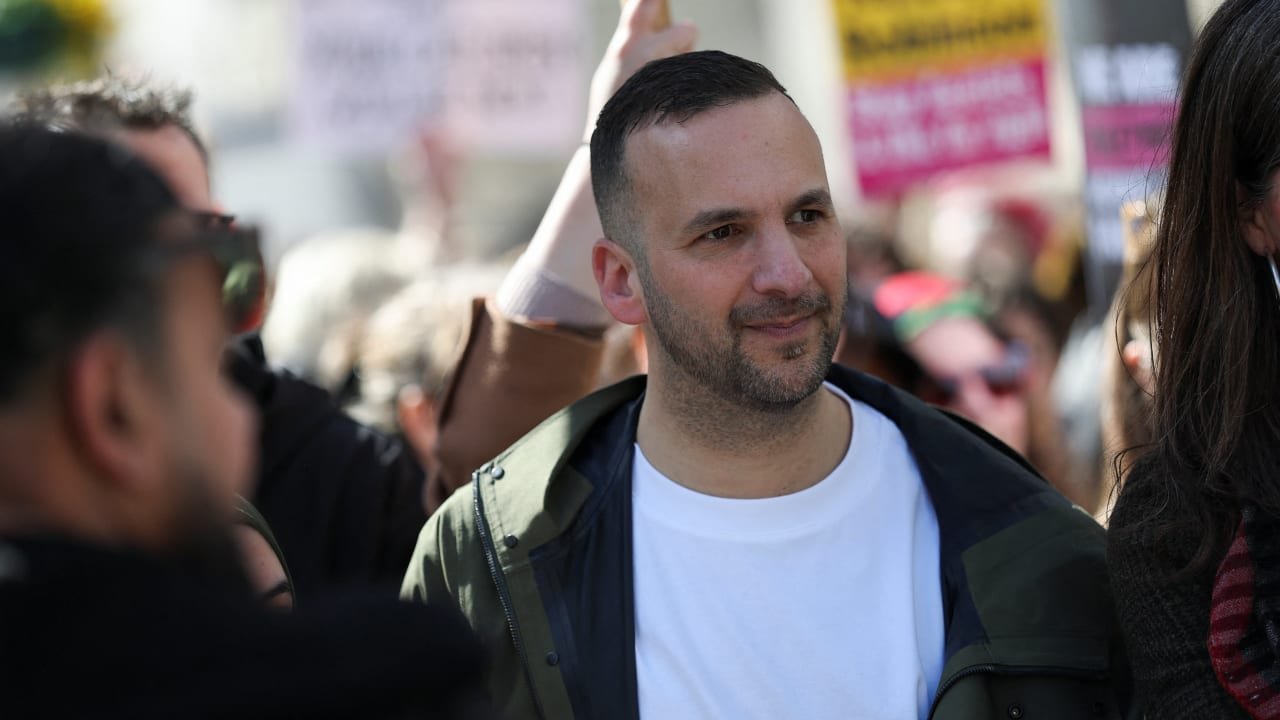
The Green Party of England and Wales is facing growing internal divisions over its controversial decision to classify Zionism as racism, with senior MP Ellie Chowns warning that the party must strengthen its internal decision-making processes to prevent extremists and racists from gaining disproportionate influence.
The dispute has intensified pressure on party leader Zack Polanski following a difficult week for the Greens, which included a contentious policy vote at the party’s annual conference and a disappointing result in the Holborn and St Pancras parliamentary byelection. The controversy has raised questions about the party’s approach to Israel and Palestine, its internal democratic structures and its ability to maintain unity as its membership expands.
Chowns, the party’s leader in the House of Commons, said the adoption of a policy with potentially significant political consequences by a relatively small proportion of the membership demonstrated weaknesses in the party’s existing procedures. She argued that the Greens needed to ensure their policies reflected the views of the wider membership rather than allowing contentious decisions to emerge from a narrow participation base.

The motion, approved at the party conference the previous week, called for Zionism, broadly understood as support for a Jewish state, to be treated as a form of racism. It also backed a single Palestinian state rather than the conventional two-state framework for resolving the Israeli-Palestinian conflict.
According to the figures cited in the debate, just over 1,000 members supported the motion, representing approximately 0.4 per cent of the party’s total membership. The result has prompted questions about whether the Greens’ decentralised policy-making system remains appropriate for a party that has experienced rapid growth.
Chowns said she did not believe the policy represented the views of the overwhelming majority of Green Party members or the wider British public. She argued that the party should concentrate on challenging the actions of the Israeli government rather than becoming consumed by disputes over contested political terminology.
Her comments reflect concern among some Green representatives that the controversy could undermine the party’s broader political objectives. While criticism of Israeli government policies and support for Palestinian rights remain important issues for many members, the dispute has raised questions about how the party distinguishes legitimate political criticism from language that could be interpreted as hostility towards Jewish people.
The controversy has also placed renewed attention on Polanski’s leadership. The Green leader missed the conference debate and vote because he was campaigning in the Holborn and St Pancras byelection, where he sought to strengthen the party’s position against Labour.
His absence became a source of criticism after the motion was passed. Some members argued that the leader should have been present for a decision with such far-reaching implications, particularly given the potential consequences for Jewish members and the party’s public reputation.
Polanski subsequently said he would have voted against the motion had he attended the conference. He explained that two amendments he had supported were rejected. Those amendments sought to establish that Palestinians themselves should determine the future political structure of their state, rather than having a single-state arrangement imposed upon them.
His explanation has not ended the criticism. Chowns described his handling of the issue as disappointing, although she suggested that he still had an opportunity to bring the party together after acknowledging flaws in the motion.
The disagreement has developed at a sensitive moment for the Greens. Polanski received just under 33 per cent of the vote in the Holborn and St Pancras byelection, where Labour retained the seat. The result added to questions about the party’s electoral strategy and leadership, particularly as some supporters had hoped the Greens would make further gains among voters dissatisfied with the main parties.
Despite calls for him to step down, Polanski has indicated that he intends to remain leader. The party generally holds leadership elections every two years, meaning the next regular contest is expected in summer 2027 unless circumstances change.
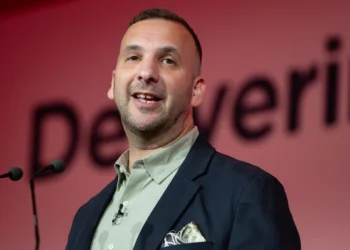
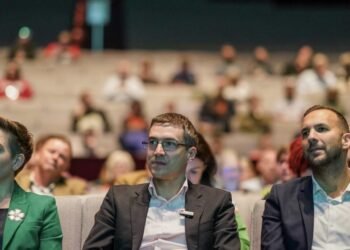
The controversy has also divided opinion within the party’s Jewish membership. Vivien Lichtenstein, chair of the Jewish Greens, criticised Polanski for missing the vote and described his decision as a serious mistake. She subsequently called on him to resign, arguing that his handling of the dispute had demonstrated inadequate leadership.
However, other members of the Jewish Greens said Lichtenstein’s position did not represent the majority view within the group. A motion of no confidence in her was reportedly tabled, illustrating that disagreements over the issue extend beyond the party’s central leadership and involve competing perspectives among Jewish Green members themselves.
The debate has become particularly sensitive because of the wider political context surrounding Israel and the Palestinian territories. The Labour government has imposed sanctions on illegal Israeli settlements in occupied Palestinian territory, while Israel has retaliated by attempting to close the British consulate in Jerusalem, according to the account of recent developments.
Within the Green Party, members hold differing views on Zionism, Palestinian statehood and the appropriate response to Israeli government policies. For some, the conference motion represented a forceful expression of solidarity with Palestinians. For others, its wording risked conflating a political movement with racism in a way that could alienate Jewish members and complicate efforts to oppose antisemitism.
Research conducted before the conference vote reportedly found that British Jewish Green voters had become less attached to Israel, even as the proportion of British Jews identifying as Zionist increased more broadly between 2022 and 2025. These findings illustrate the complexity of Jewish political identity and the difficulty of assuming that all Jewish people share the same position on Israel, Zionism or Palestinian statehood.
Chowns was also questioned about concerns involving extremism and racism within the party, including comments previously made by deputy leader Mothin Ali following the Hamas attacks of 7 October 2023. Ali had called for an end to what he described as white supremacist European settler colonialism.
Responding to concerns about the party’s internal culture, Chowns said her priority was to ensure that the organisation could not be captured by extremists or racists. She emphasised that the purpose of improving internal procedures was to make sure the party’s policies reflected the views of the wider membership, which she said should not be characterised in those terms.
She also acknowledged that legitimate differences of opinion existed over many of the issues covered by the motion. Her argument was not that political disagreement should be eliminated, but that the party needed reliable processes capable of handling contentious questions fairly and responsibly.
The debate has exposed a broader challenge facing political parties that rely heavily on grassroots participation. Decentralised decision-making can encourage members to engage directly in policy development and give activists a meaningful voice. However, when participation in a particular vote represents only a small proportion of the membership, the resulting policy may raise questions about how representative the decision really is.
For a party seeking to expand its electoral support, such questions can have significant consequences. Policies adopted at internal conferences may influence public perceptions, affect relations with community groups and shape the party’s ability to build coalitions around its wider programme.
The Greens must now navigate the competing demands of internal democracy, political principle and public accountability. Reforming the decision-making process could help the party maintain grassroots involvement while ensuring that major policy changes receive sufficient scrutiny and broader support.
At the same time, the leadership faces pressure to clarify its position on Israel and Palestine and demonstrate that opposition to the Israeli government’s actions can coexist with a clear commitment to combating antisemitism and all forms of racism.
Polanski’s response will be closely watched by supporters and critics alike. His ability to address the concerns raised by Chowns and other members could determine whether the controversy becomes a prolonged internal conflict or an opportunity to establish clearer procedures and rebuild trust.

The immediate dispute concerns a conference motion, but the implications extend to the Greens’ political identity and organisational future. The party must decide how to preserve its tradition of member-led democracy while preventing a small group of participants from determining policies that carry consequences for the entire organisation.
For Chowns, the central objective is to ensure that the Green Party remains open to vigorous political debate without becoming vulnerable to extremist influence. Whether the leadership can translate that objective into practical reforms will be a significant test as the party seeks to recover from its recent electoral setback and maintain public confidence.
Related News:
 New Evidence Deepens Church of England Slavery Reckoning
 Lib Dems Prepare for Election Amid Reform Challenge
 Elif Eralp Emerges as Berlin’s Next Political Force
 Drumcree Talks Falter as Legal Challenge Deepens
 UK-France Returns Deal Faces Expiry as Talks Stall
 Green Party faces dispute over Zionism motion
 Jewish Greens Leader Calls for Polanski to Quit
 UK Gaza Refugee Route Criticised Over False Hope Claims
 Farage and Reform UK Reshape British Politics
 Starmer Leadership Under Pressure After Setbacks
 Dreyfus Statue Finally Gets Permanent Paris Home
 Is America Ready for an AOC Presidential Run?
 Five Years of Taliban Rule Leave Afghanistan in Crisis
 Ghent Professors Questioned Cofnas Appointment
 RAF Barnham Protests Fuel Tensions in Norfolk Town
 Green Leader Targets Starmer’s Former Seat
 Masked Protesters Bring Dover Port Traffic to Standstill
 Europe’s democracies face a growing far-right threat
 Pavlohrad Strike Kills Five, Injures 67
 Patriot Platform Raises Concern Across Britain
 Reform UK Receives Record £36m Donation From Crypto Billionaire
 Election Candidate Abuse Raises Alarm in England
 Slave-Trade Wealth Embedded in Britain’s Financial System
 King Refers Jamaica Slavery Petition to Privy Council
 UK Plans New Centre to Counter Information Warfare
 UK Pauses Chagos Deal Amid US Opposition
 Free Speech Emerges as Key UK Election Issue
 Three Die in Channel Crossing Attempt Near France
 Dale Vince Plans New London-Wide News Operation
 Burnham Opens Door to Possible UK Return to EU
 Hundreds of UK prisoners released early amid overcrowding
 Drumcree Talks End Without Agreement Ahead of Appeal
 Badenoch Raises Prospect of 2027 UK Election
 Latin America women fear rollback of rights
 British Jews Show Stronger Israel Ties After October 7
 Report Urges UK to Rethink Overseas Military Spending
 Holborn and St Pancras Vote Tests Labour and Greens
 Luton Residents Reject Claims of ‘No-Go Zones’
 Labour Wins Key London By-election as Greens Fall Short
 India’s Youth Movement Alleges Mass Detentions Before Protest
 Gaza War Deepens India’s Strategic Ties With Israel
 Bolsonaro Gains Key Endorsement Ahead of Brazil Runoff
 Burnham Rises as Farage and Polanski Face Setbacks
 Labour Beats Greens in Crucial London By-election
 Controversial Vaccine Trial Approved in Guinea-Bissau
 Trump Attacks Norway After Nobel Peace Prize Snub
 Delhi Braces for Youth Protests Over Voter Roll Dispute
 Trump Names Katie Zacharia as Next White House Spokesperson
 PTI Announces Swabi Rally Ahead of Long March Plans
 French Students Protest Poor Conditions in Paris Suburbs
 Trump Tariffs Threat Spark UK and EU Alarm
 Gordon Brown urges court for crimes against children
 Army Probes Apache Flyover at Kid Rock’s Nashville Estate
 Relationship with Trump may be beyond repair, Starmer warned
 UK Stands Firm on Falklands Amid US Rift
 Greens Face Internal Row Over Antisemitism Claims
 Barrister Criticises Trial After Suicide Case Verdict
 Westminster Council Threatens Charing Cross Soup Kitchen
 Burnham unveils £65m drought aid for farmers
 Former Diplomats Urge UK and France to Act on Palestine
 British Museum Faces Questions Over Peter Thiel’s Private Bayeux Viewing
 Ukraine Villagers Demand Answers After Deadly Arms Depot Strike
 Bayeux Tapestry Revives Franco-British Ties
 Trump Calls Iran War ‘Small Potatoes’ Despite US Deaths
 Royal Crown Branded Enslaved Africans in Britain’s Slave Trade
 Turkey LGBTQ Crackdown Expands With New Arrests
 Mahmood Warns Far Right Over Asylum Protests
 US Networks Suspend Trump White House Pool Coverage
 Democrat Says ICE Restricted Detention Camp Oversight
 Republican Senator Questions Trump Ad Spending
 Madrid Tent Camp Grows as Spain Housing Crisis Deepens
 London Facial Recognition Trial Ends With False Alert
 UK University Strikes Spread as Financial Pressure Grows
 French School Protests Escalate as 400 Schools Close
 US bombers leave RAF Fairford after terror threat
 Gosport Protesters Clash With Police Over Migrant Rescue
 Trump Says He Deserves Nobel Peace Prize
 Australian Advocates Seek Subsidised Drugs for PMOS
 Trump Names Katie Zachariah as Next White House Press Secretary
 British Military School Abuse Victims Denied Justice