Published: 10 October 2026. The English Chronicle Desk. The English Chronicle Online.
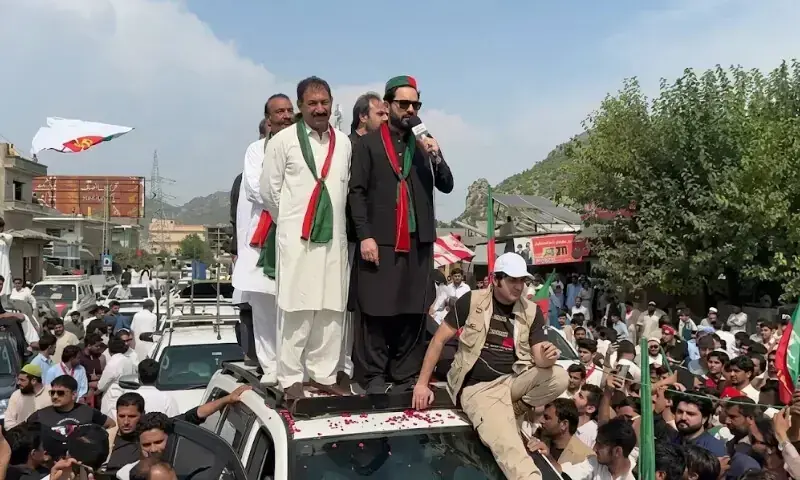
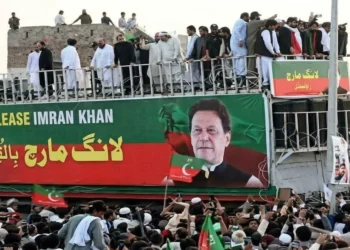
Pakistan’s political tensions are intensifying as Khyber Pakhtunkhwa Chief Minister and Pakistan Tehreek-e-Insaf (PTI) leader Sohail Afridi has called on party supporters from across the country to gather at Swabi Interchange on 11 October, where the opposition party is expected to announce the next phase of its long march demanding the release of former prime minister Imran Khan. The planned gathering comes amid uncertainty over the protest’s final destination, warnings from the federal government and growing concerns about the possibility of confrontation between demonstrators and the authorities.
Afridi has urged PTI leaders, workers and supporters to assemble in Swabi district, in Khyber Pakhtunkhwa province, as the party prepares to determine how its ongoing campaign will proceed. The rally is expected to serve as an important moment for the movement, which has sought to maintain pressure on the federal government over Khan’s imprisonment and the political disputes surrounding his detention.

The long march began on 4 October after earlier changes to the protest schedule. Initially, PTI had announced plans to move towards Islamabad, Pakistan’s capital, but the route and eventual destination have remained uncertain. Although the demonstration has continued to attract party supporters, its movement has so far remained within Khyber Pakhtunkhwa, a province governed by PTI.
The gathering at Swabi Interchange could therefore provide a clearer indication of whether the party intends to extend its campaign beyond its provincial stronghold. However, Afridi has not publicly confirmed where demonstrators will travel after the planned meeting, leaving the next stage of the protest unresolved.
The immediate objective of the campaign is to secure the release of Imran Khan, the former Pakistani prime minister and PTI founder who has been imprisoned since August 2023. The party maintains that his imprisonment is unjust and has repeatedly called for his freedom. The authorities’ position and the wider legal disputes surrounding Khan’s cases remain central to the country’s continuing political confrontation.
PTI had previously announced that its long march would begin on 27 September and head towards Islamabad. The programme was subsequently postponed by two days and rescheduled for 4 October. Before the march began, representatives of the party held two rounds of discussions with government representatives, but the talks failed to produce an agreement that could resolve the dispute.
The breakdown of those negotiations has left the opposition movement pursuing street mobilisation as a means of applying political pressure. For PTI, the challenge is to maintain the participation and enthusiasm of supporters while deciding how far the demonstrations should extend. For the federal government, the priority appears to be preventing the protest from spreading into other parts of the country and creating a wider security or political crisis.
Speaking briefly to demonstrators in Charsadda, another location in Khyber Pakhtunkhwa, Afridi encouraged participants not to become anxious about the course of the movement. He indicated that the party would have to travel to other locations after Swabi, suggesting that the rally should be viewed as part of a broader campaign rather than an isolated gathering.
Afridi also dismissed warnings from the federal government as empty threats. Addressing supporters, he suggested that the authorities would be unable to harm participants once the march crossed the provincial boundary. His remarks underline the determination of PTI’s provincial leadership to continue the campaign despite warnings from Islamabad.
However, the situation remains politically sensitive. Federal ministers have cautioned the party against taking its protest beyond Khyber Pakhtunkhwa. Their warnings have been linked not only to the potential disruption caused by a large political demonstration but also to broader disagreements over security policy and the government’s response to terrorism.
The federal authorities have reportedly raised the possibility of imposing emergency measures in Khyber Pakhtunkhwa or introducing governor’s rule if the political and security situation deteriorates. Such possibilities would represent a significant escalation in relations between the provincial administration and the central government. At present, however, these remain matters of political warning and speculation rather than confirmed government action.
The dispute is taking place against a complicated security backdrop. Khyber Pakhtunkhwa has faced persistent security challenges, and concerns about the safety of public gatherings have added to the uncertainty surrounding the march. The government’s warnings and PTI’s determination to continue have created a difficult environment in which decisions about protest routes and public mobilisation carry both political and practical consequences.
Afridi’s position is particularly important because PTI controls the provincial government in Khyber Pakhtunkhwa. His leadership of the campaign places him at the centre of a confrontation involving the party’s national demands, provincial responsibilities and the federal government’s efforts to contain the protest.
The long march has also highlighted the limitations facing PTI as it attempts to transform support within its provincial stronghold into a movement capable of exerting pressure nationwide. Remaining within Khyber Pakhtunkhwa may allow the party to organise demonstrations more easily, but extending the march towards Punjab or Islamabad could expose participants to additional restrictions and a more difficult political environment.
Former Pakistani senator and political analyst Afrasiab Khattak has expressed concern about the situation surrounding the protest. He has pointed to security worries in Peshawar and the broader difficulties confronting the provincial government. In his assessment, the federal government’s increasingly firm stance suggests that it may seek to prevent demonstrators from entering Punjab or reaching the capital.
Khattak has also highlighted the pressure facing PTI’s provincial administration. Allegations have emerged that party workers and provincial ministers have been subjected to abductions, adding another dimension to the confrontation. Such allegations remain serious and require appropriate investigation, particularly where the safety of political participants and public officials is concerned.
The combination of security concerns, political mistrust and unresolved negotiations has made it more difficult to predict the march’s eventual direction. Even if the Swabi gathering proceeds as planned, the party will still need to determine how to organise the next phase, whether to pursue a route towards Islamabad and how to respond to potential restrictions imposed by the authorities.
For PTI supporters, the campaign represents a continued effort to secure the release of their imprisoned leader and challenge the government’s handling of the political dispute. For the federal authorities, the prospect of demonstrations spreading across provincial boundaries raises questions about public order, security and the management of political opposition.
The outcome will depend partly on the decisions announced at Swabi Interchange and partly on whether either side shows a willingness to reduce tensions. A clearly defined protest route could help supporters understand the movement’s immediate objectives, but it could also increase the likelihood of confrontation if the planned journey conflicts with government restrictions.
The failed negotiations before the march began demonstrate that the dispute has not yet reached a mutually acceptable resolution. Without renewed dialogue or a change in either side’s approach, the demonstrations could continue to place pressure on Pakistan’s political institutions and complicate relations between the provincial and federal governments.

As the 11 October gathering approaches, attention will focus on Afridi’s announcement and the response from Islamabad. The central question is whether PTI will move beyond its provincial base and take its demand for Imran Khan’s release directly towards the national capital, or whether the march will remain confined to Khyber Pakhtunkhwa for the foreseeable future.
For now, the destination remains uncertain. What is clear is that the Swabi rally has become a significant point in PTI’s campaign, with implications for political stability, public security and the continuing struggle between the opposition party and Pakistan’s federal authorities. The decisions taken after the gathering could determine whether the confrontation intensifies or whether a new opportunity emerges for political dialogue.
Related News:
 India’s Youth Movement Alleges Mass Detentions Before Protest
 Delhi Braces for Youth Protests Over Voter Roll Dispute
 Five Years of Taliban Rule Leave Afghanistan in Crisis
 Nepal Flood Survivors Face Unimaginable Loss
 Nepal Tunnel Rescue Offers Hope Amid Flood Devastation
 Nepal PM calls deadly flood a global climate warning
 Gaza War Deepens India’s Strategic Ties With Israel
 Delhi Detains Protest Leaders as Youth Rally Escalates
 Israeli Strike in Southern Lebanon Kills Seven
 Is America Ready for an AOC Presidential Run?
 Nepal-Tibet Flood Death Toll Rises as 2,478 Remain Missing
 Yemen War Displaces 125,000 as Fighting Intensifies
 Lib Dems Prepare for Election Amid Reform Challenge
 Elif Eralp Emerges as Berlin’s Next Political Force
 Trump Asked Xi About Buying US Weapons
 South Korea-Ukraine Row Erupts Over North Korean POWs
 Drumcree Talks Falter as Legal Challenge Deepens
 UK-France Returns Deal Faces Expiry as Talks Stall
 Green Party faces dispute over Zionism motion
 Pilot Recalls Fight to Save Flydubai Passengers
 Germany Pledges €1bn Military Aid to Ukraine
 Latin America women fear rollback of rights
 Pacific Climate Summit Draws Limited Global Leaders
 Delhi Freezes Promotion of Police Officer After Allegations
 Sri Lanka Ex-First Lady Arrested Over Donation Probe
 Israel Promotes Film Challenging Controversial Gaza Documentary
 Turkey Rules Out Troops in Saudi Arabia’s Houthi Conflict
 Bolsonaro Gains Key Endorsement Ahead of Brazil Runoff
 Pakistan Lawyers Back PTI Long March and Demands
 Delhi Tightens Security Ahead of Election Protest
 Controversial Vaccine Trial Approved in Guinea-Bissau
 Trump Attacks Norway After Nobel Peace Prize Snub
 Trump Names Katie Zacharia as Next White House Spokesperson
 UK Gaza Refugee Route Criticised Over False Hope Claims
 China Fireworks Factory Blast Kills 21 in Hunan
 US ‘Narco Boat’ Strikes Draw Global Outcry
 US Awaits Iran Reply on New Ceasefire Proposal
 Immigration Judges Fear Pressure in Trump Era
 Maldives Cave Diving Tragedy Raises Safety Alarm
 Discontent grows around Putin amid war strain
 Farage and Reform UK Reshape British Politics
 Starmer Leadership Under Pressure After Setbacks
 Le Pen’s Popularity Holds Despite Conviction
 Houthis Strike Saudi Arabia as Middle East Tensions Rise
 Ghent Professors Questioned Cofnas Appointment
 RAF Barnham Protests Fuel Tensions in Norfolk Town
 Ukraine Villagers Demand Answers After Deadly Arms Depot Strike
 Trump Calls Iran War ‘Small Potatoes’ Despite US Deaths
 Europe’s democracies face a growing far-right threat
 Saudi Arabia Shuts Oil Pipeline After Drone Attack
 Israel Accused of Undermining Palestinian Life
 Turkey LGBTQ Crackdown Expands With New Arrests
 US Networks Suspend Trump White House Pool Coverage
 Democrat Says ICE Restricted Detention Camp Oversight
 Japan PM Backs International Criminal Court
 UK Plans New Centre to Counter Information Warfare
 Greece Pushes for Parthenon Marbles Reunification
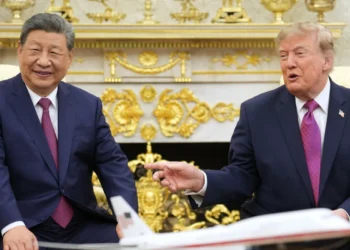 Xi urges Trump to avoid US-China military conflict
 Lula accuses Trump of seeking control over Brazil
 Republican Senator Questions Trump Ad Spending
 Free Speech Emerges as Key UK Election Issue
 Madrid Tent Camp Grows as Spain Housing Crisis Deepens
 South Korea demands apology over DMZ mine blast
 Economic growth and political strain reshape Benin
 Burnham Opens Door to Possible UK Return to EU
 New Maps Reveal Gaza’s Vast Destruction
 Badenoch Raises Prospect of 2027 UK Election
 French School Protests Escalate as 400 Schools Close
 Families Await USS Abraham Lincoln Homecoming
 Bosnia’s Young People Look Beyond Election Hope
 Israel Marks Three Years Since October 7 Attack
 South Korea Probes Fuel Shipments to Russia
 Trump Says He Deserves Nobel Peace Prize
 USS Lincoln Ends Record 265-Day Deployment
 Japan’s Princess Aiko Fuels Debate Over Royal Succession
 Houthi Missile Claim Sparks Riyadh Airport Disruption
 Labour Wins Key London By-election as Greens Fall Short
 Trump Rules Out Iran Attack Before US Elections
 Trump’s Russian Diesel Deal Sparks Ukraine Fury
 Australian Advocates Seek Subsidised Drugs for PMOS