Published: 09 October 2026. The English Chronicle Desk. The English Chronicle Online
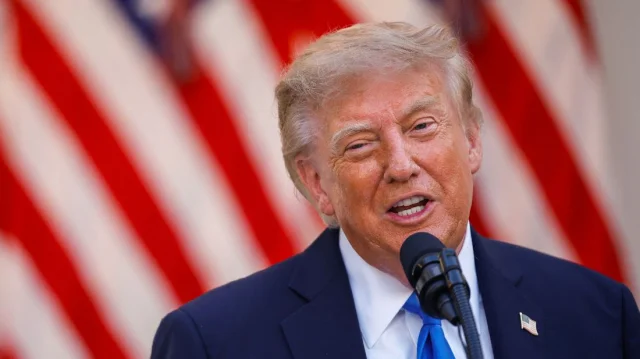
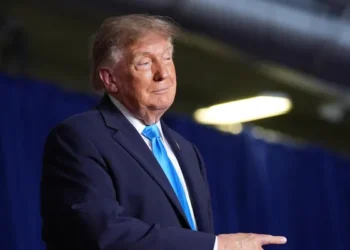
US President Donald Trump has said Washington is engaged in productive discussions with Iran and indicated that the United States will not launch an attack against Tehran before the country’s midterm elections on 3 November. The remarks have added a new dimension to an already tense confrontation between Washington and Tehran, with both sides continuing to signal that diplomacy remains possible while preparing for the prospect of a prolonged conflict.
Trump’s comments came as his administration attempted to present the latest diplomatic contacts with Iran as meaningful progress. The US president’s suggestion that military action would not take place before the elections could provide temporary reassurance to markets and governments concerned that tensions could rapidly escalate into a wider regional conflict.
However, the situation remains uncertain. Iran has continued to express deep scepticism about Washington’s approach, while officials in Tehran have warned that a lasting settlement will be difficult if the United States maintains what they describe as unilateral policies.

US Defence Secretary Pete Hegseth said Washington does not seek to build a new state in Iran or seize Iranian territory. His remarks appeared intended to clarify the administration’s strategic objectives at a time when speculation over possible US military action has intensified.
The distinction is significant because concerns about a potential American military campaign have extended beyond the immediate dispute between Washington and Tehran. Any direct conflict could affect energy supplies, shipping routes and security throughout the Middle East, particularly because of the strategic importance of the Strait of Hormuz.
Iranian officials have simultaneously sought to demonstrate that the country is prepared for a prolonged confrontation if diplomacy fails. Iranian state media reported that President Masoud Pezeshkian told Russian President Vladimir Putin on Thursday that an end to the conflict would not be possible in the near future if the United States continued pursuing what Tehran considers a unilateral policy.
The conversation with Putin reflects Iran’s broader effort to maintain close diplomatic relationships with countries that can provide political and economic support as tensions with Washington continue. Russia remains an important partner for Tehran, and communication between the Iranian and Russian leaderships has taken on added significance as the possibility of further confrontation with the United States remains unresolved.
Iranian Foreign Minister Abbas Araqchi also indicated that Tehran had received a response from Washington regarding Iran’s proposals. He said Iranian officials would study the American response before providing their own answer within the coming days.
That exchange could become an important test of whether the latest diplomatic efforts can produce a framework for reducing tensions. Both governments have strong incentives to avoid an uncontrolled escalation, but their positions remain separated by major disagreements over security, sovereignty and the broader direction of US-Iran relations.
Trump’s decision to rule out an attack before the US elections also places the issue within a highly sensitive domestic political context. The midterm elections on 3 November will determine control of Congress and could significantly influence the political environment surrounding the administration.
Military action against Iran before voting could have major political consequences. It could shift public attention towards national security and foreign policy, while also exposing the administration to criticism over the potential human, financial and strategic costs of another major military confrontation in the Middle East.
By publicly stating that an attack will not occur before the elections, Trump has created a temporary boundary around the immediate military risk. Yet his comments do not necessarily indicate that the possibility of force has been removed from the broader US strategy. Instead, they suggest that diplomacy is currently being given greater space while the administration continues assessing its options.
For Tehran, the challenge is equally complicated. Iranian leaders have to demonstrate that they can defend national interests without unnecessarily provoking a conflict that could carry enormous economic and security consequences. At the same time, accepting terms viewed domestically as a concession to Washington could create political difficulties for the Iranian government.
The situation has also been complicated by reports of a major explosion in the Strait of Hormuz. Iranian media reported the incident, although the available information did not immediately establish its cause or wider implications. The waterway is one of the world’s most strategically important maritime routes, making any significant security incident there particularly sensitive.
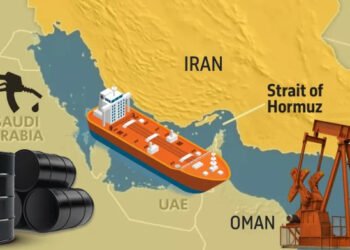
The Strait of Hormuz connects the Persian Gulf with the Gulf of Oman and is vital to global energy markets. A serious disruption in the waterway could affect oil and gas shipments and create economic consequences far beyond the Middle East. As a result, developments around the strait are being closely watched by governments, energy companies and international markets.
The latest diplomatic exchanges therefore come at a moment when the cost of miscalculation is exceptionally high. A limited incident could potentially trigger a wider confrontation if either side concludes that the other is preparing for military escalation.
Trump’s assertion that Washington will not attack Iran before the elections may therefore offer a short-term opportunity for diplomacy. The coming days could determine whether the two sides can convert their current exchanges into substantive negotiations capable of addressing the issues driving the confrontation.
Iran’s response to the latest American communication will be particularly important. Araqchi’s indication that Tehran intends to review Washington’s position before responding suggests that Iranian officials are not immediately rejecting the diplomatic channel.
At the same time, Pezeshkian’s warning to Putin demonstrates that Tehran remains prepared for a long confrontation if it believes Washington is unwilling to change course. That combination of diplomacy and military preparedness has defined much of the recent relationship between the two countries.
For Washington, the central challenge will be maintaining diplomatic momentum while preventing developments on the ground from undermining negotiations. For Tehran, the challenge will be determining whether engagement with the United States can produce meaningful guarantees without compromising its strategic interests.

The next several weeks could therefore prove decisive. With the US midterm elections approaching, Trump’s pledge not to attack Iran before the vote provides a temporary window for diplomacy. Whether that window produces a lasting reduction in tensions or merely delays a more serious confrontation will depend on the responses of both governments and their ability to manage events that could quickly move beyond diplomatic control.
For now, the emphasis appears to be on negotiations rather than military action. Yet the sharply different statements coming from Washington and Tehran show that the underlying dispute remains unresolved. The possibility of dialogue may have increased, but so too has the importance of ensuring that political calculations, regional incidents and mutual distrust do not push the two countries towards a conflict neither side ultimately wants.
Related News:
 Houthis Strike Saudi Arabia as Middle East Tensions Rise
 Tanker Attacked Near Qatar as Hormuz Tensions Escalate
 UK Prepares Aircraft Carrier for Middle East Crisis
 Trump Calls Strait of Hormuz ‘American Territory’
 Trump Faces Iran War Crisis Before Midterm Vote
 Saudi Pact Raises Risk of Pakistan Entering War
 Netanyahu faces protests and pressure at UN
 Trump Asked Xi About Buying US Weapons
 New Maps Reveal Gaza’s Vast Destruction
 US Sends Third Carrier to Middle East
 Vance Demands Iran Cut Nuclear Enrichment
 Israel Marks Three Years Since October 7 Attack
 Israel Promotes Film Challenging Controversial Gaza Documentary
 Thousands Protest Iran Strikes Outside US Embassy London
 US Bombers Arrive at RAF Base Amid Rising Iran Tensions
 Trump likens US Navy actions to ‘pirates’
 Middle East Crisis Escalates as Oil Routes Shake Markets
 Tensions Emerge in Netanyahu-Trump Alliance
 US Awaits Iran Reply on New Ceasefire Proposal
 Hormuz Talks Near Critical Stage
 Former ICC prosecutor condemns US sanctions
 Trump Claims Iran Peace Deal Near Completion
 Millions Gather for Khamenei’s Six-Day State Funeral
 Taliban global ties grow as rights fears mount
 Israeli Strike in Southern Lebanon Kills Seven
 Trump dismisses concerns over 250-day carrier deployment
 Trump Calls Iran War ‘Small Potatoes’ Despite US Deaths
 North Korea Expands Uranium Facility at Yongbyon
 Saudi Arabia Shuts Oil Pipeline After Drone Attack
 Nearly 50,000 Flee as Houthis Advance in Yemen
 South Korea Rules Out Military Role in Iran War
 Middle powers seek new alliances amid Trump era
 Xi urges Trump to avoid US-China military conflict
 Saudi intercepts Houthi missiles as oil fears grow
 Iran Awaits Trump Response on Seven-Day Hormuz Plan
 South Korea-Ukraine Row Erupts Over North Korean POWs
 Yemen government launches offensive against Houthis
 Germany Pledges €1bn Military Aid to Ukraine
 Japan PM condemns alleged killing by US Marine
 Trump Comments on Iran Strike Draw US Backlash
 Canadian Veterans Condemn Trump Allies’ Military Remarks
 Israeli Settlers Assault Palestinian Photographer
 Three Years On, October 7 Survivors Face Lasting Trauma
 Yemen Conflict Escalates as Houthis Expand Their Front
 Turkey Rules Out Troops in Saudi Arabia’s Houthi Conflict
 Thousands Protest ICE Operations in Nationwide US Day of Action
 Epstein Files Reveal Trump Officials’ Emails with Financier
 Ukraine war briefing: Zelenskyy offers help to Saudi Crown prince on combatting Iranian drones
 Iran Defiance Grows Amid US-Israel War Pressure
 Injured Mojtaba Khamenei Elevated as Iran Leader
 UK Stands Firm on Falklands Amid US Rift
 Trump orders US troop pullout from Germany
 Trump approval plunges amid Iran war fears
 Ohio’s Battle for Trust: Democrats Vying to Flip the Buckeye State
 US ‘Narco Boat’ Strikes Draw Global Outcry
 Afghan Families Left in Limbo Face Risk of Deportation
 Trump Announces 3-Day Russia–Ukraine Ceasefire Deal
 Discontent grows around Putin amid war strain
 House Curbs Trump’s War Powers in Rare Rebellion
 Former Diplomats Urge UK and France to Act on Palestine
 Trump Hardens Canada Trade Stance as Talks Stall
 Israel Accused of Undermining Palestinian Life
 US Networks Suspend Trump White House Pool Coverage
 Japan PM Backs International Criminal Court
 Trump gives Xi red-carpet welcome as trade truce extends
 Lula accuses Trump of seeking control over Brazil
 Republican Senator Questions Trump Ad Spending
 South Korea demands apology over DMZ mine blast
 Pilot and Passengers Help Save Flydubai Flight
 Brazil Election Draws Religion Into Final Campaign
 Lula Warns of Bolsonaro Family Return as Brazil Votes
 Families Await USS Abraham Lincoln Homecoming
 US bombers leave RAF Fairford after terror threat
 Quebec separatists return to power without majority
 Iran Nobel Laureate Reveals Prison Torture and Fears
 Argentina Protesters Resist Milei’s Land Sale Drive
 Okinawa US Troops Face Curfew After Murder Case
 South Korea Probes Fuel Shipments to Russia
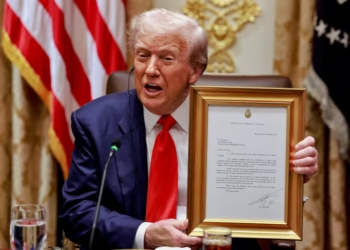 Trump Says He Deserves Nobel Peace Prize
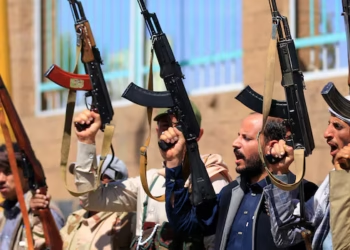 Houthi Missile Claim Sparks Riyadh Airport Disruption