Published: 06 October 2026. The English Chronicle Desk. The English Chronicle Online
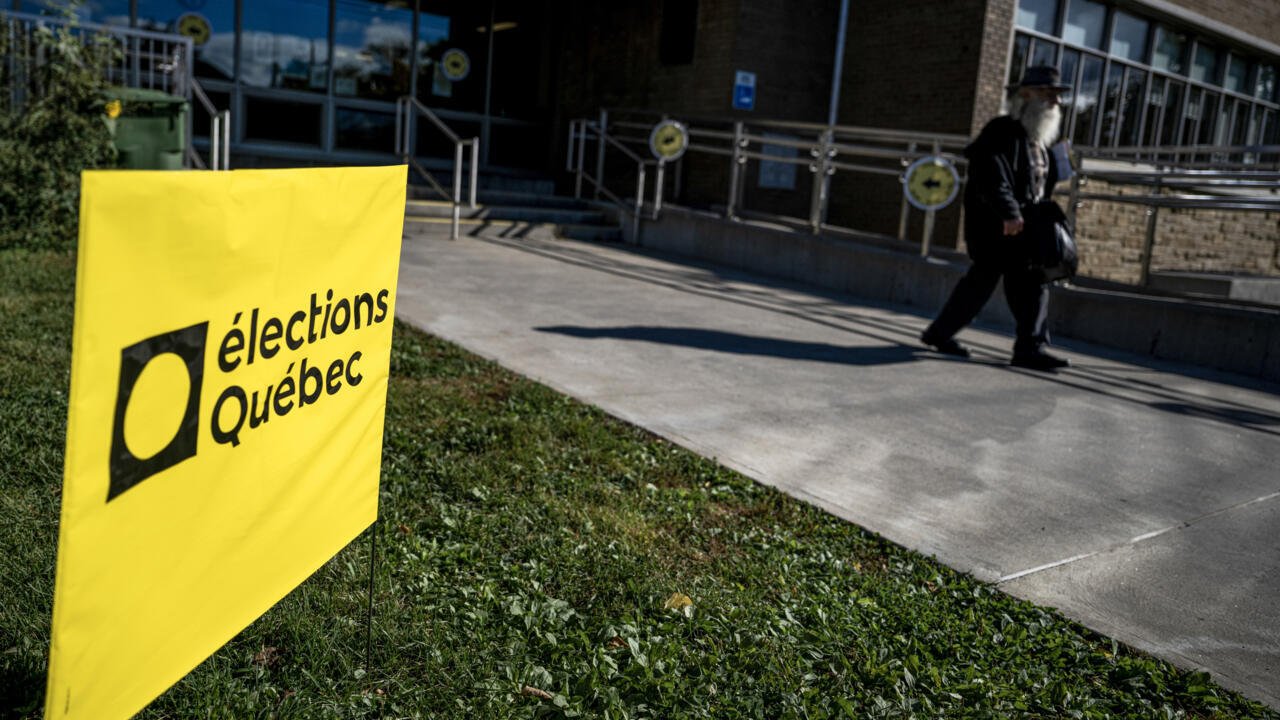
Quebec’s separatist Parti Québécois has returned to power after winning the province’s election, reopening a long-running debate over the future of Canada while falling short of the majority needed to govern without opposition support.
The result brings the Parti Québécois, commonly known as the PQ, back into government for the first time in more than a decade. Its leader, Paul St-Pierre Plamondon, has promised to revive the question of Quebec independence, although he has said that another referendum will not be held while Donald Trump remains president of the United States.
The election outcome creates a new political challenge for Canadian Prime Minister Mark Carney, who has made national unity a central part of his response to growing tensions with Washington. Canada is facing continuing pressure from Trump over trade, tariffs and the future of the bilateral economic relationship, making the return of a separatist government in Quebec particularly significant.

The PQ was on course to secure close to 60 seats in Quebec’s 127-member National Assembly as the final votes were counted. The party needed 64 seats to win an outright majority.
Instead, it will have to govern as a minority administration, meaning that it will need the cooperation of opposition lawmakers to pass important legislation and survive confidence votes. The arrangement could limit the PQ’s ability to implement some of its more ambitious policies while forcing it to negotiate with parties that do not share its vision for Quebec’s future.
The election result had been widely anticipated by political observers, who attributed the change in government largely to voter dissatisfaction with the centre-right Coalition Avenir Québec administration. The party had governed Quebec since 2018, but faced growing frustration over its record and the political direction of the province.
For the Parti Québécois, the victory represents a major revival after years in which Quebec independence appeared to occupy a less prominent position in provincial politics.
The PQ has historically been one of the main political vehicles for Quebec nationalism and independence. Its previous governments organised referendums on sovereignty in 1980 and 1995. Both votes ended with Quebec remaining part of Canada, with the 1995 referendum producing an exceptionally narrow result.
The political environment surrounding independence is considerably different today. Opinion polls have generally shown support for Quebec breaking away from Canada at around 30%, close to historic lows for the separatist movement.
Plamondon has therefore avoided promising an immediate referendum. He has argued that the economic uncertainty created by the current trade environment makes the timing inappropriate and has indicated that a vote on independence would not take place until after Trump leaves the White House.
That position reflects the complicated circumstances facing Quebec. While the province has a strong tradition of national identity and considerable political autonomy, its economy remains deeply integrated with the rest of Canada and the United States.
Trump’s trade policies have added another layer to the debate. Tariffs and repeated threats directed at Canada have contributed to a stronger sense of Canadian national identity in parts of the country, potentially making independence less attractive to voters who see the federal state as a source of economic and political protection.
For Prime Minister Carney, that broader Canadian response to Trump has been politically important. His Liberals performed strongly in the 2025 federal election after previously trailing in national polling, with the threat posed by Trump becoming a major issue during the campaign.
Carney has repeatedly emphasised the importance of maintaining a united Canada while dealing with pressure from the United States. The emergence of a separatist government in Quebec could make that task more complicated, even though the PQ has not committed to an immediate independence referendum.
Earlier on election day, Carney said he would work with whichever party Quebec voters selected to govern the province. His comments indicated an intention to maintain cooperation between Ottawa and Quebec despite differences over the constitutional future of Canada.
The relationship could nevertheless become difficult because of several PQ policies.
The separatist party has opposed federal efforts to increase immigration levels in Quebec and has pledged to pursue greater control over immigration policy. Quebec already operates a distinctive immigration system designed in part to attract French-speaking newcomers and protect the province’s linguistic identity.
The province has also established extensive protections for the French language. French is the dominant public language, while provincial laws give it priority over English in many areas of public and commercial life.
Another proposed PQ policy would seek to end Quebec’s formal links to the British monarchy. The party has also opposed a proposed high-speed rail project intended to connect Quebec with Ontario, a position that could create disagreements with the federal government over infrastructure and economic development.
These issues could become particularly sensitive if Ottawa and Quebec pursue different approaches to economic policy, immigration and national infrastructure.
The election also comes at a time when separatist sentiment is being discussed elsewhere in Canada. Alberta is scheduled to vote on 19 October on whether to hold a referendum on separation from Canada.
The developments in Quebec and Alberta are politically distinct, and support for independence in the two provinces is rooted in different historical and economic circumstances. Nevertheless, the timing means that the federal government faces renewed attention over national unity from more than one region.
Political scientist Daniel Béland of McGill University has cautioned against interpreting the Quebec result as a rejection of Carney personally. The prime minister remains popular in Quebec, suggesting that the provincial election was influenced more by dissatisfaction with the previous provincial government and local political issues than by a direct verdict on the federal government.
Even so, the return of a separatist government creates an important new challenge for Ottawa.
Quebec occupies a unique position within Canada. Approximately 80% of its population is French-speaking, and the province exercises substantial authority over areas that are handled more centrally elsewhere in the country.
It collects its own provincial income tax, maintains significant immigration powers and has developed an extensive legal framework to protect the French language.
These powers have allowed Quebec to preserve a distinct political and cultural identity while remaining within the Canadian federation. The PQ’s return to government raises the possibility that the province could seek to expand that autonomy further.
The party’s approach is likely to focus initially on governing Quebec rather than immediately pursuing constitutional separation. Plamondon has signalled that he intends to work with Ottawa when doing so benefits the province, while maintaining the long-term objective of independence.
That approach could give the new government room to prioritise domestic issues and build public support before making any decision about a referendum.
For Canada’s federal government, however, the central challenge will be balancing Quebec’s desire for greater autonomy with the need to maintain national cohesion.
Trump’s policies make that balance particularly delicate. The United States is Canada’s largest trading partner, and disputes over tariffs can have consequences for businesses, workers and consumers across the country. Ottawa therefore has strong incentives to present a unified national position in negotiations with Washington.
At the same time, Quebec’s political leadership has its own priorities and electoral mandate. The PQ will need to demonstrate that it can protect the province’s economic interests while advancing its distinctive political agenda.
The coming months could therefore reveal how far the separatist government is prepared to push its differences with Ottawa.

For supporters of Quebec independence, the election represents an opportunity to place sovereignty back at the centre of political debate. For opponents, the minority result may provide reassurance that the PQ does not currently have the parliamentary strength to pursue its agenda without negotiation.
The immediate political reality is that the Parti Québécois has returned to government but does not control the legislature alone. Its ability to govern will depend on building relationships with opposition parties and responding to voters whose priorities include the economy, public services, immigration and Quebec’s place within Canada.
The election has not produced an immediate constitutional crisis, nor does it guarantee another independence referendum. Instead, it has reopened a debate that has shaped Canadian politics for generations.
With tensions over trade with the United States continuing and another separation-related vote approaching in Alberta, Mark Carney now faces a more complex national political landscape. Quebec’s new government may seek greater autonomy while remaining cautious about the timing of independence, leaving Canada’s unity debate active but far from settled.
Related News:
 Putin Intensifies Territorial Demands Before US Talks
 Trump to Recheck Green Cards from 19 Nations After DC Attack
 Trump Escalates Minnesota Immigration Surge Amid Rising Tensions
 Greenland Faces Pivotal Summit Over Arctic Power Struggle
 Trump Threatens Strong Action If Iran Executes Protesters
 Trump Receives Machado’s Nobel Medal in White House Meeting
 EU Says US Ties Have Suffered ‘Big Blow’ After Greenland Crisis
 Thousands Protest ICE Operations in Nationwide US Day of Action
 Epstein Files Reveal Trump Officials’ Emails with Financier
 Thousands Protest ICE in New York Against Trump Deportation Campaign
 Trump Praises ‘Terrific’ Petro After White House Talks
 Clinton Testimony Erupts in Fiery Exchange
 Trump Faces Questions Over Iran Conflict Plan
 UK Prepares Aircraft Carrier for Middle East Crisis
 Pete Hegseth Iran War Remarks Spark Alarm
 Trump’s Harsh Rhetoric on Iran Sparks Global Alarm
 Trump Faces Crisis as Iran Reopens Hormuz Tensions
 Charles Faces Trump Test in High-Stakes US Visit
 UK Stands Firm on Falklands Amid US Rift
 US Court Ruling Reshapes Voting Rights Landscape
 US states redraw maps after voting rights ruling
 Trump orders US troop pullout from Germany
 Judge halts deportation of Yemeni refugees in US
 Trump likens US Navy actions to ‘pirates’
 Trump approval plunges amid Iran war fears
 Giuliani hospitalised in critical condition
 Ohio’s Battle for Trust: Democrats Vying to Flip the Buckeye State
 Trump Threatens UN Budget Cuts as US Pushes ‘Trade Over Aid’ Agenda
 Trump warns Iran as Middle East tensions surge again
 US ‘Narco Boat’ Strikes Draw Global Outcry
 Indiana Republicans Defy Trump in Key Vote Test
 US Court Restores Abortion Pill Access Temporarily
 Ohio Primaries Set Stage for Crucial Midterms
 Afghan Families Left in Limbo Face Risk of Deportation
 Tensions Emerge in Netanyahu-Trump Alliance
 US Awaits Iran Reply on New Ceasefire Proposal
 Hormuz Talks Near Critical Stage
 Trump’s Revenge Drive Deepens GOP Divide
 Former ICC prosecutor condemns US sanctions
 Gunman Killed After White House Security Shootout
 Trump Claims Iran Peace Deal Near Completion
 US Midterm Primaries: Democrats Target Key Republican Seats
 House Curbs Trump’s War Powers in Rare Rebellion
 Mystery Grows Over Mitch McConnell’s Health
 Senate Halts Defense Bill Over Iran Clashes
 Trump Jokes, Jabs and Press Tensions at WHCA Dinner
 Houthis Strike Saudi Arabia as Middle East Tensions Rise
 Is America Ready for an AOC Presidential Run?
 Trump dismisses concerns over 250-day carrier deployment
 Trump Calls Strait of Hormuz ‘American Territory’
 Trump Faces Iran War Crisis Before Midterm Vote
 Trump announces major US oil deal with Venezuela
 Trump Hardens Canada Trade Stance as Talks Stall
 Trump Calls Iran War ‘Small Potatoes’ Despite US Deaths
 Trump Pledges $5,000 if Republicans Win Midterms
 Experts Warn of Growing US Terrorism Risks 25 Years After 9/11
 Trump Media Ban Triggers First Amendment Clash
 Middle powers seek new alliances amid Trump era
 Macron and Carney deepen France-Canada ties
 US Networks Suspend Trump White House Pool Coverage
 Trump Eyes Major Belarus Fertiliser Deal Amid Canada Trade Dispute
 Netanyahu faces protests and pressure at UN
 Xi urges Trump to avoid US-China military conflict
 Lula accuses Trump of seeking control over Brazil
 Trump Faces Growing Pressure as Political Support Shifts
 White House Bars CNN From Air Force One Trip
 Trump Asked Xi About Buying US Weapons
 Republican Senator Questions Trump Ad Spending
 AI Deepfakes Put New Pressure on Election Trust
 Trump Ads Trigger Fight Over Taxpayer Money
 Brazil Election Draws Religion Into Final Campaign
 Trump Immigration Policy Faces New Legal Tests
 Lula Warns of Bolsonaro Family Return as Brazil Votes
 Families Await USS Abraham Lincoln Homecoming
 Brazil heads for runoff as Bolsonaro leads Lula
 Latin America women fear rollback of rights
 Flávio Bolsonaro takes shock lead in Brazil election
 Japan PM condemns alleged killing by US Marine
 Trump approval hits record low before midterms
 Investigation Into Anti-Trump Motives After Gala Shooting