Published: 26 September 2026. The English Chronicle Desk. The English Chronicle Online
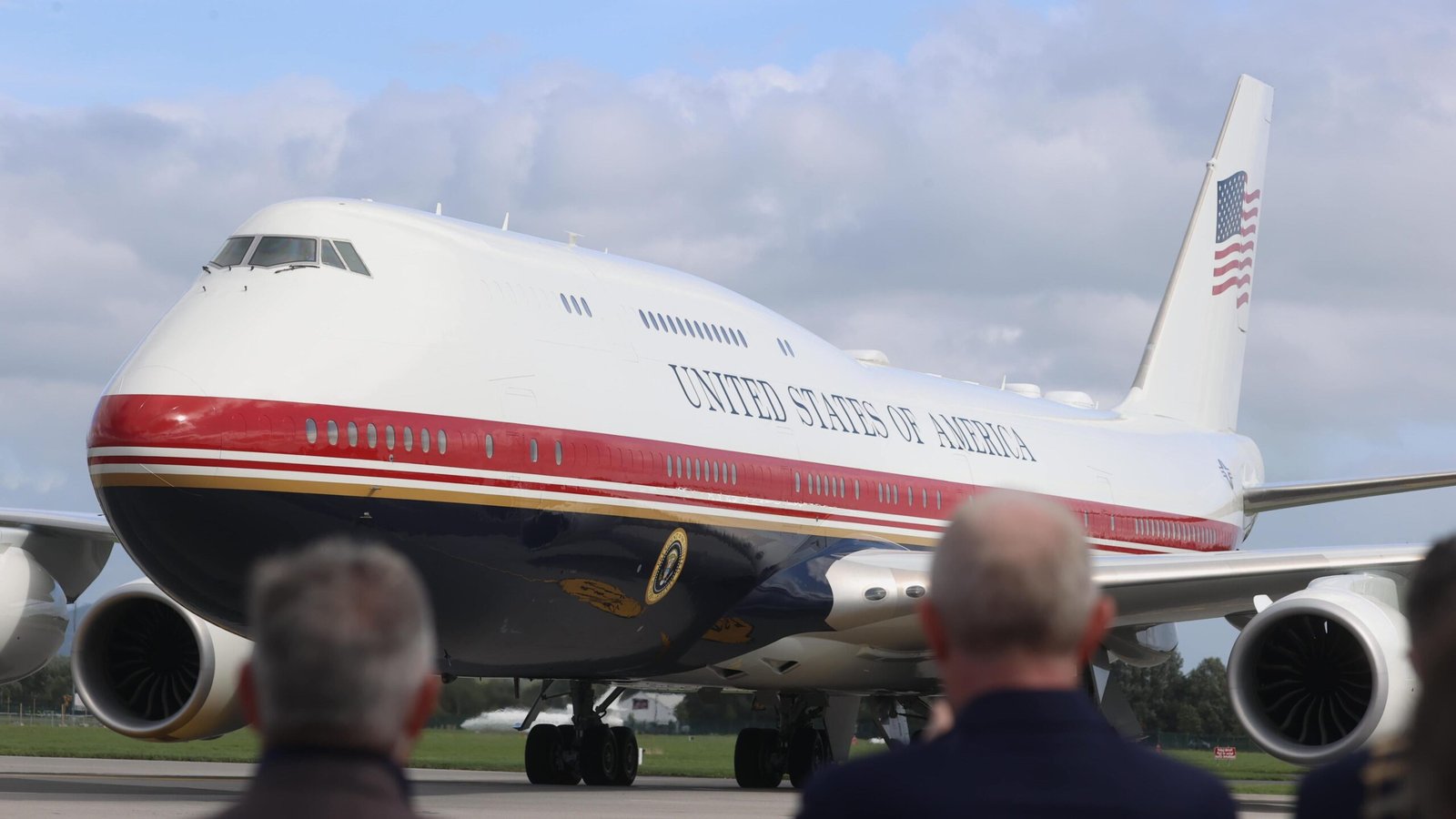
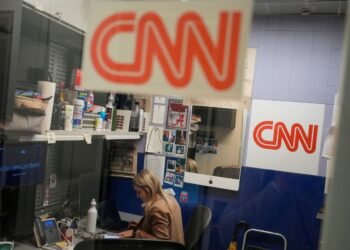
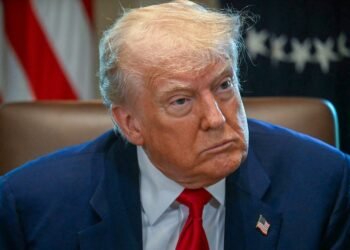
The White House has blocked CNN from travelling aboard Air Force One with President Donald Trump for his trip to Tennessee, intensifying an increasingly contentious dispute between the administration and several major news organisations. CNN had been scheduled to take part in the television press pool covering Trump’s visit, but the network was left off official guidance issued to journalists regarding the president’s schedule.
The decision comes only days after a federal judge ordered the administration to restore White House access to CNN, MS NOW and Politico, three outlets that Trump had sought to exclude from the White House following his criticism of their coverage. The latest restriction has therefore added another layer to an ongoing legal and political dispute over how presidential media access should be managed.
According to reports confirmed by multiple news organisations, CNN had been scheduled to travel with Trump to Tennessee on Saturday for a college football game. The network was expected to carry out its normal responsibilities as part of the rotating television press pool, a system designed to ensure that a small group of journalists can accompany the president and provide footage and reporting that can be shared with other media organisations.
CNN’s removal from the trip means the network will not perform that scheduled role during Trump’s Tennessee visit. The White House did not immediately provide a detailed public explanation for the decision.

The development follows a series of confrontations between the administration and news organisations that have raised broader questions about press access to the US president. The dispute has increasingly involved not only political disagreements over coverage but also the courts, with CNN, MS NOW and Politico challenging the administration’s actions under the First Amendment.
The television press pool plays a particularly important role in presidential coverage because it allows journalists from participating networks to share limited-access coverage of events involving the president. When Trump travels aboard Air Force One, for example, members of the pool can document his departure, activities during travel and arrival at his destination. Their footage can then be made available to other television networks that are not physically present.
CNN has previously explained that the system is not simply a privilege for the individual network assigned to the pool on a particular day. The journalist and camera crew generally provide material for the wider television press corps. That makes changes to the system potentially significant for organisations beyond the outlet directly affected.
The current dispute began escalating earlier in September when Trump announced that CNN, MS NOW and Politico would no longer have access to the White House. Trump accused the organisations of publishing what he described as false or misleading reports about his administration. The outlets rejected the accusations and argued that the administration was retaliating against news organisations because of their journalism.
The decision generated a strong response from other members of the White House press corps. The television pool temporarily suspended some coverage in solidarity with the excluded organisations, arguing that news organisations should not lose access because the administration objects to their reporting.
The dispute subsequently moved into federal court. CNN, MS NOW and Politico argued that the administration’s restrictions violated constitutional protections for freedom of the press. Government lawyers, meanwhile, argued that the White House has authority to manage access to its grounds and raised national-security considerations involving information that officials described as sensitive or classified.
US District Judge Timothy Kelly issued a temporary restraining order requiring the administration to restore the three organisations’ access to the White House. The ruling stated that the outlets had met the legal threshold for temporary relief and that the court would continue considering the wider dispute.
The reporters were subsequently able to return to the White House, although the restoration of access was accompanied by further disagreements over which journalists could cover particular events. Associated Press reporting indicated that journalists from the affected organisations encountered delays and restrictions even after the court order.
The latest Air Force One decision has therefore created a new point of tension. While the court order addressed access to the White House grounds, the administration’s control over presidential travel arrangements and press-pool assignments remains part of the broader dispute.
For CNN, the exclusion is particularly significant because the network is one of the organisations participating in the rotating television pool that covers presidential movements. A restriction preventing the network from travelling with Trump can affect not only CNN’s own reporting but also the normal distribution of television footage to other broadcasters.
The administration’s handling of the media pool has already changed substantially during Trump’s second presidency. The White House has assumed greater control over the selection of outlets participating in the presidential press pool, a responsibility that was traditionally coordinated through the White House Correspondents’ Association. The change has prompted debate about whether the government should have a larger role in determining which journalists receive access to presidential activities.
The White House has maintained that it has legitimate authority to determine access arrangements and has rejected accusations that its policies amount to an attack on press freedom. Trump has repeatedly criticised news organisations whose reporting he considers unfair, while supporters of his administration have argued that traditional media organisations should not receive automatic access simply because they have historically participated in presidential coverage.
News organisations and press-freedom advocates have taken a different position. They argue that government officials should not be able to determine access according to whether they approve of a publication’s editorial coverage. The legal dispute involving CNN, MS NOW and Politico is expected to examine the constitutional limits of presidential control over media access.
The issue also has practical implications for the public. Presidential travel generates a large volume of information that reaches audiences through pooled television coverage. When a major outlet is removed from the system, questions arise over who will document events, how footage will be distributed and whether the public will receive the same level of independent reporting.
The Tennessee trip comes at a particularly sensitive moment for the administration’s relationship with the media. Trump has been travelling extensively during his second term, while his administration has faced intense scrutiny over domestic policy, foreign affairs and its approach to federal institutions.
The White House’s decision to exclude CNN from Saturday’s Air Force One trip illustrates how the conflict has moved beyond criticism of individual reports and into the practical organisation of presidential coverage. At the same time, the federal court proceedings demonstrate that the dispute is no longer confined to political exchanges between the president and journalists.

For the news organisations involved, the central issue is whether government access can be restricted because of editorial disagreements. For the administration, the question is how much discretion the president and White House should have in determining which organisations participate in official presidential activities.
Those competing arguments are now being tested through the courts as well as through the day-to-day relationship between the White House and the press corps. The latest exclusion of CNN from Air Force One suggests that the disagreement over presidential media access remains unresolved, even after a judge ordered the administration to restore the network’s access to the White House.
As Trump prepares to travel to Tennessee, the immediate question is not simply which organisation will cover the president’s trip, but how the traditional system of shared presidential press coverage will operate while the wider legal dispute continues. The outcome could influence how journalists from major US networks cover presidential travel and White House events during the remainder of Trump’s second term.
Related News:
 Trump Jokes, Jabs and Press Tensions at WHCA Dinner
 Putin Intensifies Territorial Demands Before US Talks
 Trump to Recheck Green Cards from 19 Nations After DC Attack
 Trump Escalates Minnesota Immigration Surge Amid Rising Tensions
 Greenland Faces Pivotal Summit Over Arctic Power Struggle
 Trump Threatens Strong Action If Iran Executes Protesters
 Trump Receives Machado’s Nobel Medal in White House Meeting
 EU Says US Ties Have Suffered ‘Big Blow’ After Greenland Crisis
 Thousands Protest ICE Operations in Nationwide US Day of Action
 Epstein Files Reveal Trump Officials’ Emails with Financier
 Thousands Protest ICE in New York Against Trump Deportation Campaign
 Trump Praises ‘Terrific’ Petro After White House Talks
 Clinton Testimony Erupts in Fiery Exchange
 Trump Faces Questions Over Iran Conflict Plan
 UK Prepares Aircraft Carrier for Middle East Crisis
 Pete Hegseth Iran War Remarks Spark Alarm
 Trump’s Harsh Rhetoric on Iran Sparks Global Alarm
 Trump Faces Crisis as Iran Reopens Hormuz Tensions
 Charles Faces Trump Test in High-Stakes US Visit
 UK Stands Firm on Falklands Amid US Rift
 US Court Ruling Reshapes Voting Rights Landscape
 US states redraw maps after voting rights ruling
 Trump orders US troop pullout from Germany
 Judge halts deportation of Yemeni refugees in US
 Trump likens US Navy actions to ‘pirates’
 Trump approval plunges amid Iran war fears
 Giuliani hospitalised in critical condition
 Ohio’s Battle for Trust: Democrats Vying to Flip the Buckeye State
 Trump Threatens UN Budget Cuts as US Pushes ‘Trade Over Aid’ Agenda
 Trump warns Iran as Middle East tensions surge again
 US ‘Narco Boat’ Strikes Draw Global Outcry
 Indiana Republicans Defy Trump in Key Vote Test
 US Court Restores Abortion Pill Access Temporarily
 Ohio Primaries Set Stage for Crucial Midterms
 Afghan Families Left in Limbo Face Risk of Deportation
 Tensions Emerge in Netanyahu-Trump Alliance
 US Awaits Iran Reply on New Ceasefire Proposal
 Hormuz Talks Near Critical Stage
 Trump’s Revenge Drive Deepens GOP Divide
 Former ICC prosecutor condemns US sanctions
 Gunman Killed After White House Security Shootout
 Trump Claims Iran Peace Deal Near Completion
 US Midterm Primaries: Democrats Target Key Republican Seats
 House Curbs Trump’s War Powers in Rare Rebellion
 Mystery Grows Over Mitch McConnell’s Health
 Senate Halts Defense Bill Over Iran Clashes
 Houthis Strike Saudi Arabia as Middle East Tensions Rise
 Is America Ready for an AOC Presidential Run?
 Trump dismisses concerns over 250-day carrier deployment
 Trump Calls Strait of Hormuz ‘American Territory’
 Trump Faces Iran War Crisis Before Midterm Vote
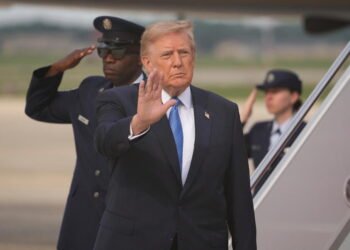 Trump announces major US oil deal with Venezuela
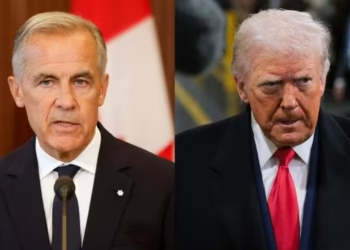 Trump Hardens Canada Trade Stance as Talks Stall
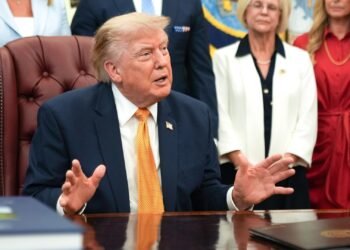 Trump Calls Iran War ‘Small Potatoes’ Despite US Deaths
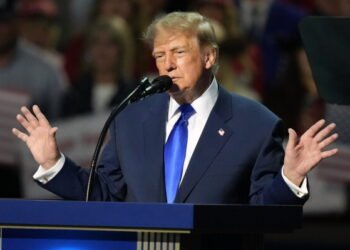 Trump Pledges $5,000 if Republicans Win Midterms
 Experts Warn of Growing US Terrorism Risks 25 Years After 9/11
 Trump Media Ban Triggers First Amendment Clash
 Middle powers seek new alliances amid Trump era
 Macron and Carney deepen France-Canada ties
 US Networks Suspend Trump White House Pool Coverage
 Trump Eyes Major Belarus Fertiliser Deal Amid Canada Trade Dispute
 Netanyahu faces protests and pressure at UN
 Xi urges Trump to avoid US-China military conflict
 Lula accuses Trump of seeking control over Brazil
 CNN, MS NOW Barred From Xi State Dinner Coverage
 Trump Faces Growing Pressure as Political Support Shifts
 BBC to Apologise Over Edited Trump Speech Amid Backlash
 Greene Pushes Epstein Files Amid Trump Fallout
 Shadow Fleet at Sea: Europe’s Battle Against Illicit Oil Shipping
 UK and US Drop in Global Corruption Index Rankings
 Canberra Poster Seizure Sparks Free Speech Row
 Jacinda Ardern Move Sparks Kiwi Reflection
 Injured Mojtaba Khamenei Elevated as Iran Leader
 Air Canada CEO Faces Outcry Over Recent Language Misstep
 Relationship with Trump may be beyond repair, Starmer warned
 Investigation Into Anti-Trump Motives After Gala Shooting
 Trump Sends 5,000 More US Troops to Poland
 Bayeux Tapestry Revives Franco-British Ties
 Trump gives $45,000 holiday gifts to White House aides
 Trump gives Xi red-carpet welcome as trade truce extends