Published: 05 October 2026. The English Chronicle Desk. The English Chronicle Online.
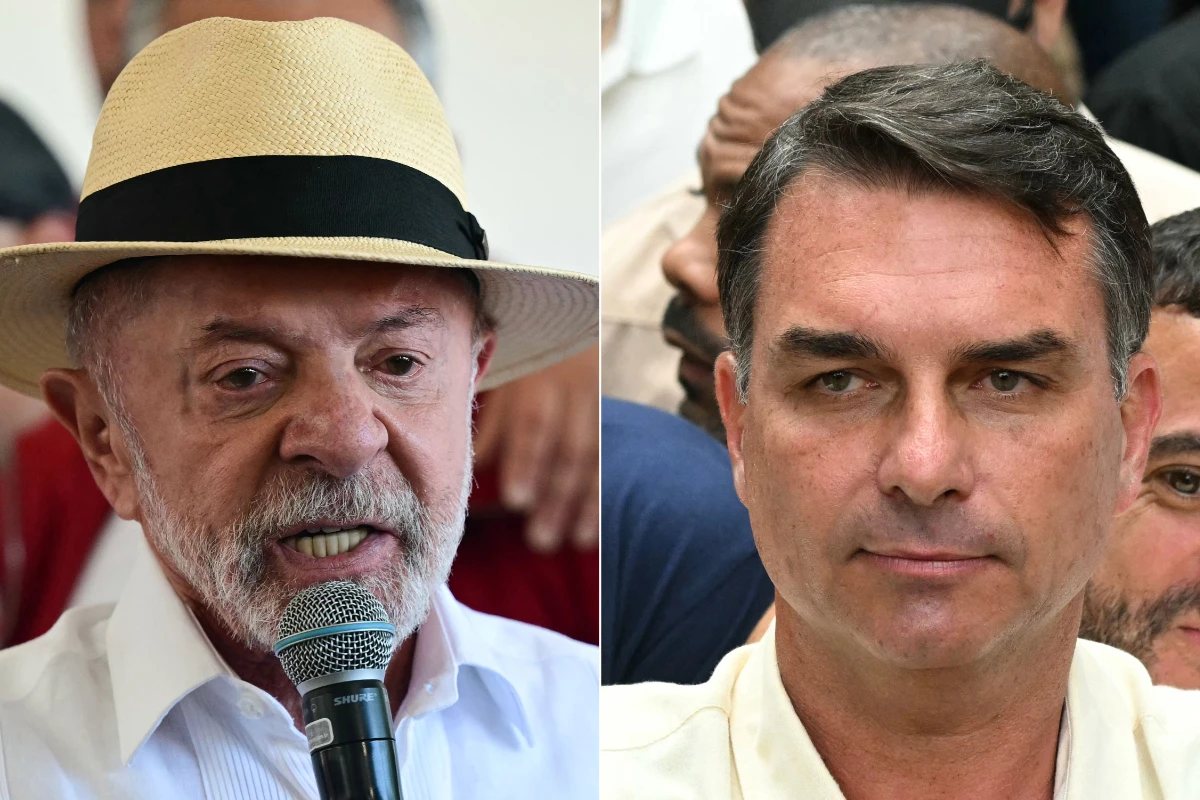
Brazil’s presidential election is heading for a decisive second round after far-right candidate Flávio Bolsonaro emerged ahead of incumbent President Luiz Inácio Lula da Silva, delivering a stronger-than-expected performance for the political movement associated with former president Jair Bolsonaro. With almost all votes counted, Flávio Bolsonaro secured about 47% of the vote, while Lula received approximately 45.1%, leaving neither candidate with the majority required to win the presidency outright.
The result sets up a closely fought runoff on 25 October, when Brazilian voters will choose between the 45-year-old Bolsonaro and the 80-year-old Lula. Although Bolsonaro finished ahead in the first round, the relatively narrow margin means the contest remains open, particularly as votes from other conservative candidates are expected to become increasingly important.
Bolsonaro received roughly 56.1 million votes compared with about 53.8 million for Lula. His performance was particularly significant because opinion polling had not fully anticipated the strength of the right-wing vote. The result demonstrated that the political movement built around the Bolsonaro family remains a powerful force in Brazil despite the controversies and legal difficulties surrounding the former president.

The second round is likely to become a direct ideological confrontation between the left and right, with both campaigns seeking to persuade voters who supported smaller parties and candidates. Two other right-wing candidates, Ronaldo Caiado and Renan Santos, attracted around 2.1% and 2.2% respectively. Their supporters could play a crucial role in determining the outcome of the runoff, particularly if conservative voters unite behind Bolsonaro in an effort to remove Lula from office.
The strength of the Bolsonaro movement was also visible beyond the presidential contest. Several politicians associated with the former president performed strongly in congressional and state-level elections. Carlos Bolsonaro, one of Jair Bolsonaro’s sons, and Michelle Bolsonaro won Senate seats, while another son, Jair Renan Bolsonaro, was elected to the lower house.
Tarcísio de Freitas, a former infrastructure minister under Jair Bolsonaro and an influential figure on the Brazilian right, was also re-elected governor of São Paulo, the country’s most populous and economically significant state. The Senate results were particularly notable, with 34 of the 54 senators elected coming from the right or far right.
The congressional gains could give Bolsonaro’s political camp considerable influence if Flávio Bolsonaro wins the presidency. His supporters have long sought greater political leverage over Brazil’s powerful institutions, including the Supreme Court. The Senate has a central constitutional role in impeachment proceedings involving Supreme Court justices, making control of the chamber especially important to the Bolsonaro movement.
Speaking to supporters in Brasília after the result became clear, Flávio Bolsonaro described the outcome as evidence that a political era associated with Lula and the Workers’ Party was coming to an end. He argued that while Lula had spent decades pursuing political power, his own campaign was focused on what he described as the future of Brazil.
Lula, meanwhile, acknowledged that the result was not what his campaign had expected but sought to project confidence ahead of the second round. Speaking to supporters in São Paulo, he described the election as a lesson in Brazilian democracy and admitted that he had believed he could win outright in the first round.
The president immediately turned his attention toward the campaign ahead. Lula argued that the runoff would give voters a clearer choice because only two candidates would remain. He also indicated that his campaign would focus heavily on Bolsonaro’s political record and controversies, seeking to persuade voters that a return of the Bolsonaro family to the presidency would represent a dangerous direction for the country.
The contest carries particular significance because Jair Bolsonaro remains a deeply polarising figure in Brazilian politics. The former president is serving a lengthy prison sentence after being convicted over his involvement in efforts to undermine the democratic process and challenge the outcome of the 2022 presidential election, which Lula won.
Flávio Bolsonaro has presented his presidential campaign in part as an opportunity to challenge what his family considers political persecution. His supporters hope that a victory would create new political circumstances that could eventually benefit the former president.
Lula’s allies, however, have portrayed the election as a crucial defence of Brazil’s democratic institutions. They have repeatedly highlighted the events that followed the 2022 election, when Bolsonaro supporters stormed government buildings in Brasília in an attempt to overturn Lula’s victory.
The first-round result nevertheless showed that concerns over Bolsonaro’s political legacy have not prevented a large portion of the electorate from supporting his son. For some voters, the election appears to have been driven less by personal enthusiasm for Flávio Bolsonaro than by dissatisfaction with Lula and his government.
Economic pressures are expected to play a major role in the second round. The cost of living, household finances and concerns over urban crime have contributed to public frustration, giving Bolsonaro an opportunity to portray the election as a choice between the continuation of Lula’s government and a political change under the Bolsonaro camp.
One Bolsonaro supporter in Rio de Janeiro reflected that sentiment, saying his vote was motivated more by a desire to remove Lula from power than by personal enthusiasm for Flávio Bolsonaro. Such voters could become particularly important in the runoff because both candidates will need to expand their support beyond their traditional political bases.
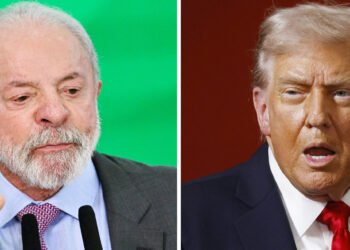
The election has also acquired an international dimension. US President Donald Trump became an increasingly prominent issue during the campaign, with Lula accusing the American president of attempting to influence the Brazilian election in favour of Bolsonaro. Lula has argued that closer US involvement could threaten Brazil’s sovereignty and natural resources.
Flávio Bolsonaro, by contrast, has indicated that he would seek a closer relationship with Trump. A Bolsonaro victory would therefore have implications beyond Brazil’s borders, potentially strengthening a growing network of conservative and pro-Trump governments across Latin America.
Brazil’s election is taking place against the backdrop of a wider political transformation across the region. Conservative and right-wing movements have gained ground in several Latin American countries, while voters have increasingly expressed dissatisfaction with established political parties and economic conditions.
For Lula, the second round offers an opportunity to rebuild momentum. The president remains one of Brazil’s most experienced political figures and has previously demonstrated an ability to mobilise working-class voters and build broad electoral coalitions. His campaign is expected to concentrate on economic achievements, social programmes and warnings about the political consequences of a Bolsonaro victory.
For Flávio Bolsonaro, the challenge will be to convert his first-round lead into a majority while maintaining support from the wider conservative electorate. He will need to attract voters who supported other right-wing candidates without alienating more moderate Brazilians who may be uncomfortable with the Bolsonaro family’s confrontational political style.
The mood among supporters of the two camps reflected the uncertainty surrounding the race. In Rio de Janeiro, some Lula supporters who had gathered expecting to celebrate a first-round victory were left visibly disappointed as Bolsonaro’s lead held. On the other side, Bolsonaro supporters celebrated what they regarded as an unexpectedly strong breakthrough.
Brazil’s nearly 159 million voters were also choosing governors, state legislators and members of both houses of Congress, making the election much larger than the presidential contest alone. The results indicate that the political balance of the country could shift significantly even before the next president takes office.

The runoff on 25 October will therefore determine more than simply whether Lula secures another term or whether Flávio Bolsonaro becomes the next member of the Bolsonaro family to occupy the presidency. It will also provide a major test of Brazil’s political direction, the strength of the country’s democratic institutions and the future influence of the competing left-wing and far-right movements.
With the first round now concluded, both campaigns face a short and intense period of political mobilisation. Lula will seek to convince undecided and moderate voters that his leadership offers stability and democratic continuity. Bolsonaro will attempt to transform his first-round advantage into a broader coalition capable of defeating the incumbent.
The final result remains uncertain. What is already clear, however, is that Brazil has entered one of the most consequential presidential runoffs in its recent political history, with millions of voters preparing to make a final choice between two sharply contrasting visions for the country’s future.
Related News:
 Putin Intensifies Territorial Demands Before US Talks
 Trump to Recheck Green Cards from 19 Nations After DC Attack
 Trump Escalates Minnesota Immigration Surge Amid Rising Tensions
 Greenland Faces Pivotal Summit Over Arctic Power Struggle
 Trump Threatens Strong Action If Iran Executes Protesters
 Trump Receives Machado’s Nobel Medal in White House Meeting
 EU Says US Ties Have Suffered ‘Big Blow’ After Greenland Crisis
 Thousands Protest ICE Operations in Nationwide US Day of Action
 Epstein Files Reveal Trump Officials’ Emails with Financier
 Thousands Protest ICE in New York Against Trump Deportation Campaign
 Trump Praises ‘Terrific’ Petro After White House Talks
 Clinton Testimony Erupts in Fiery Exchange
 Trump Faces Questions Over Iran Conflict Plan
 UK Prepares Aircraft Carrier for Middle East Crisis
 Pete Hegseth Iran War Remarks Spark Alarm
 Trump’s Harsh Rhetoric on Iran Sparks Global Alarm
 Trump Faces Crisis as Iran Reopens Hormuz Tensions
 Charles Faces Trump Test in High-Stakes US Visit
 UK Stands Firm on Falklands Amid US Rift
 US Court Ruling Reshapes Voting Rights Landscape
 US states redraw maps after voting rights ruling
 Trump orders US troop pullout from Germany
 Judge halts deportation of Yemeni refugees in US
 Trump likens US Navy actions to ‘pirates’
 Trump approval plunges amid Iran war fears
 Giuliani hospitalised in critical condition
 Ohio’s Battle for Trust: Democrats Vying to Flip the Buckeye State
 Trump Threatens UN Budget Cuts as US Pushes ‘Trade Over Aid’ Agenda
 Trump warns Iran as Middle East tensions surge again
 US ‘Narco Boat’ Strikes Draw Global Outcry
 Indiana Republicans Defy Trump in Key Vote Test
 US Court Restores Abortion Pill Access Temporarily
 Ohio Primaries Set Stage for Crucial Midterms
 Afghan Families Left in Limbo Face Risk of Deportation
 Tensions Emerge in Netanyahu-Trump Alliance
 US Awaits Iran Reply on New Ceasefire Proposal
 Hormuz Talks Near Critical Stage
 Trump’s Revenge Drive Deepens GOP Divide
 Former ICC prosecutor condemns US sanctions
 Gunman Killed After White House Security Shootout
 Trump Claims Iran Peace Deal Near Completion
 US Midterm Primaries: Democrats Target Key Republican Seats
 House Curbs Trump’s War Powers in Rare Rebellion
 Mystery Grows Over Mitch McConnell’s Health
 Senate Halts Defense Bill Over Iran Clashes
 Trump Jokes, Jabs and Press Tensions at WHCA Dinner
 Houthis Strike Saudi Arabia as Middle East Tensions Rise
 Is America Ready for an AOC Presidential Run?
 Trump dismisses concerns over 250-day carrier deployment
 Trump Calls Strait of Hormuz ‘American Territory’
 Trump Faces Iran War Crisis Before Midterm Vote
 Trump announces major US oil deal with Venezuela
 Trump Hardens Canada Trade Stance as Talks Stall
 Trump Calls Iran War ‘Small Potatoes’ Despite US Deaths
 Trump Pledges $5,000 if Republicans Win Midterms
 Experts Warn of Growing US Terrorism Risks 25 Years After 9/11
 Trump Media Ban Triggers First Amendment Clash
 Middle powers seek new alliances amid Trump era
 Macron and Carney deepen France-Canada ties
 US Networks Suspend Trump White House Pool Coverage
 Trump Eyes Major Belarus Fertiliser Deal Amid Canada Trade Dispute
 Netanyahu faces protests and pressure at UN
 Xi urges Trump to avoid US-China military conflict
 Lula accuses Trump of seeking control over Brazil
 Trump Faces Growing Pressure as Political Support Shifts
 White House Bars CNN From Air Force One Trip
 Trump Asked Xi About Buying US Weapons
 Republican Senator Questions Trump Ad Spending
 AI Deepfakes Put New Pressure on Election Trust
 Trump Ads Trigger Fight Over Taxpayer Money
 Brazil Election Draws Religion Into Final Campaign
 Trump Immigration Policy Faces New Legal Tests
 Lula Warns of Bolsonaro Family Return as Brazil Votes
 Families Await USS Abraham Lincoln Homecoming
 UK and US Drop in Global Corruption Index Rankings
 Canberra Poster Seizure Sparks Free Speech Row
 Jacinda Ardern Move Sparks Kiwi Reflection
 Bayeux Tapestry Revives Franco-British Ties
 Trump gives $45,000 holiday gifts to White House aides
 Trump gives Xi red-carpet welcome as trade truce extends