Published: 06 October 2026. The English Chronicle Desk. The English Chronicle Online
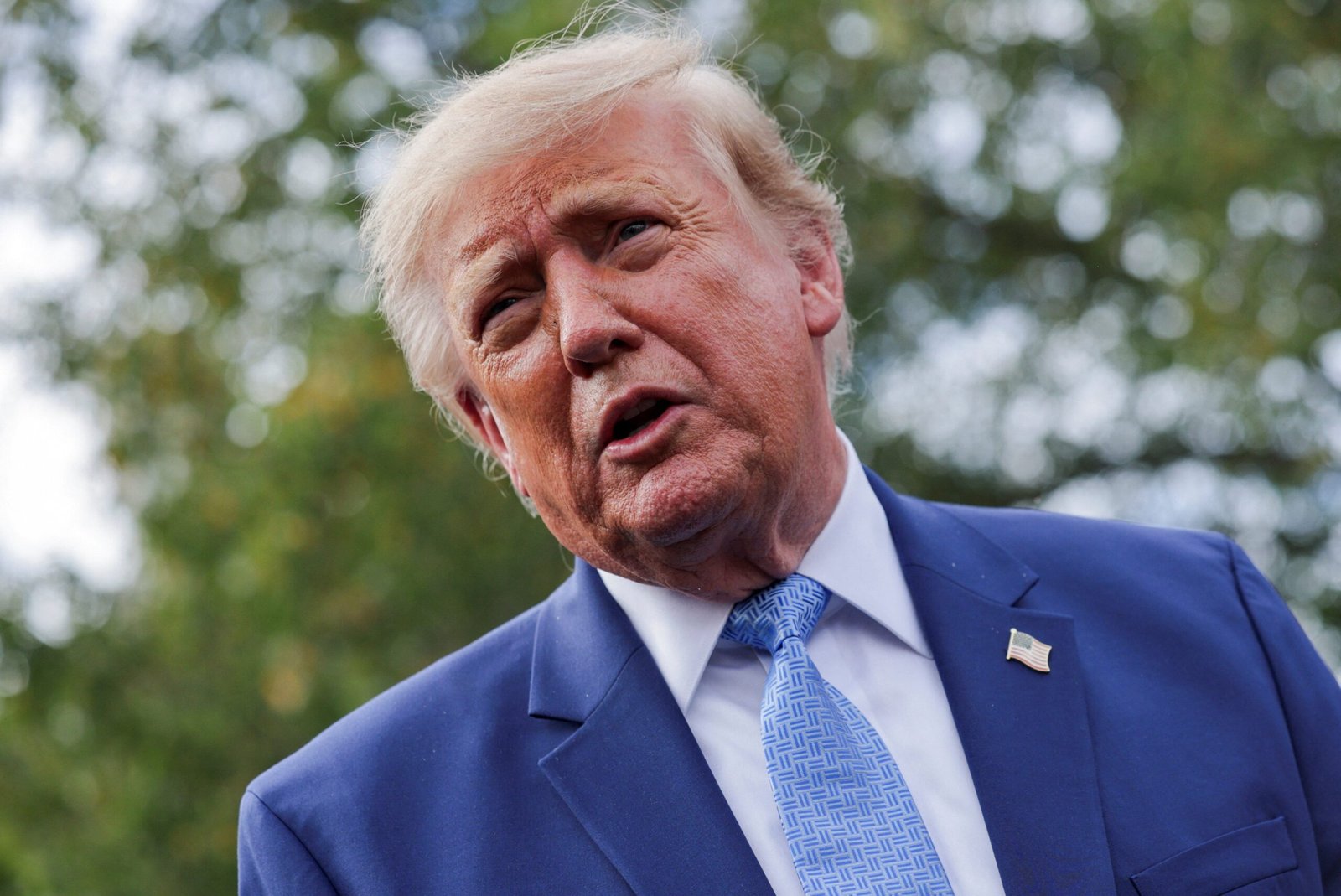
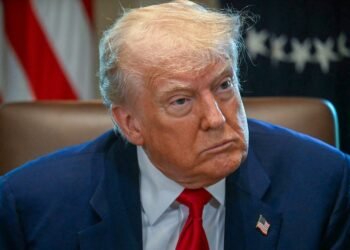
US President Donald Trump is facing renewed political pressure after his approval rating remained at a record low of 32%, according to a new Reuters/Ipsos poll, while support among Hispanic voters has fallen sharply ahead of November’s congressional midterm elections.
The latest polling adds to growing evidence of dissatisfaction with the administration among several groups of American voters. The survey found that Trump’s overall approval remained unchanged from a previous Reuters/Ipsos poll that had already placed his rating at the lowest level recorded during his political career. The latest survey was conducted from 30 September to 5 October among 4,506 US adults and carried a margin of error of roughly two percentage points.
The findings come at a particularly important moment for the Republican Party. The 3 November midterm elections will determine the balance of power in Congress, meaning that public attitudes towards the president and his administration could have significant consequences for congressional campaigns across the country.

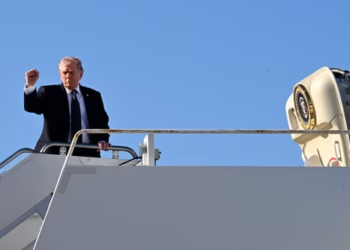
Trump, however, has publicly dismissed concerns about his declining polling numbers. Before boarding a flight to Nebraska on Monday, he was asked about recent surveys showing weaker support among Hispanic voters. The president responded that he was “doing great” and criticised CNN and other media organisations rather than accepting the polling figures as an accurate reflection of his political position.
The latest numbers nevertheless show a substantial challenge among Hispanic Americans. According to the Reuters/Ipsos survey, only 24% of Hispanic respondents approved of Trump’s performance in office, the lowest level recorded among Hispanic Americans during either of his presidential terms. Hispanic voters were an important part of Trump’s coalition in the 2024 presidential election, when his share of the Hispanic vote increased significantly compared with his 2020 performance.
The shift is particularly significant because Hispanic voters are a large and increasingly important part of the US electorate. Their preferences can influence closely contested congressional races in states and districts where relatively small changes in turnout or party support can affect the result.
The Reuters/Ipsos survey found that only 26% of Hispanic registered voters said they planned to support Republican candidates in the November midterms, while 52% said they intended to vote for Democrats. The figures represent a substantial change from the political environment that helped Trump expand Republican support among Hispanic voters during the 2024 presidential election.
A separate NBC News/Telemundo survey has also highlighted the change in attitudes among Hispanic voters. That poll found that 59% preferred a Democratic-controlled Congress, while only 24% approved of Trump’s job performance. The results have increased attention on whether the Republican Party can maintain the gains it made with Hispanic voters in the previous presidential election.
The polling comes as the administration faces voter dissatisfaction over economic conditions. Cost-of-living pressures, inflation and fuel prices have become central issues in the political debate, with voters increasingly focused on whether household finances are improving.
Economic concerns are especially important because Trump returned to the White House after campaigning heavily on promises to improve living standards and address inflation. Recent polling has shown that the economy and cost of living remain among the most important issues for Americans as the midterms approach.
The administration has argued that economic conditions should be judged in the context of broader international pressures, including the conflict with Iran and disruptions affecting energy markets. But for many voters, higher prices at petrol stations and increased household expenses have become immediate concerns that can influence their assessment of government performance.
Trump has continued to campaign actively for Republican candidates despite the difficult polling environment. He has travelled to different parts of the country in an effort to mobilise Republican voters and support candidates seeking to retain congressional seats.
The president’s political difficulties are not confined to Hispanic voters. The latest polling has also pointed to weaker support among independent voters, an important group in national elections. Independents often play a decisive role in competitive contests because they are less consistently aligned with either of the two major parties.
The Reuters/Ipsos findings also indicate that dissatisfaction over economic issues has begun affecting parts of the Republican electorate. Earlier polling showed a decline in Republican approval of Trump’s handling of the cost of living, particularly as fuel prices increased amid the wider geopolitical situation. Ipsos has reported that Republican approval of Trump’s overall performance has fallen from earlier levels during 2026, alongside weaker assessments of his handling of economic issues.
That presents a complicated political situation for Republican candidates. While Trump remains the central figure in the party, candidates competing in individual congressional districts must also respond to local economic concerns and the views of voters who may not share the president’s position on every issue.
Some Republicans have already sought to create greater distance from Trump on particular policy questions, including immigration, as they attempt to protect their standing in their own states and districts. Such differences do not necessarily indicate a wider break with the president, but they illustrate the pressure facing lawmakers as they prepare for the midterm campaign.
The president’s response has been to maintain confidence in his political position. His assertion that he is “doing great” contrasts sharply with the polling numbers, but the two reflect different ways of assessing a president’s standing. Trump has frequently argued that conventional polls underestimate his support or fail to capture the enthusiasm of his political base.
The current figures should also be interpreted within the limits of polling. Surveys measure attitudes at a particular moment and can change as campaigns develop, candidates make new arguments and voters reassess their priorities. They do not determine election results, and the midterm outcome will depend on turnout, individual races and developments during the final weeks of campaigning.
Nevertheless, the 32% approval figure represents a significant political warning sign because it comes so close to a major national election. The Reuters/Ipsos survey found that 65% of Americans disapproved of Trump’s job performance, leaving the president with a substantially larger share of negative than positive responses.
The Republican Party therefore enters the final stage of the midterm campaign with several competing pressures. Candidates must defend the party’s congressional position, maintain support among Trump’s core voters and attempt to appeal to independents and other groups where approval of the president has weakened.
For Democrats, the polling provides evidence of changing voter attitudes that they can use to frame their campaigns around the economy, household costs and dissatisfaction with the administration. But the strength of those arguments will ultimately depend on how effectively individual candidates translate national concerns into local campaigns.

For Hispanic voters in particular, the change is attracting close attention. The community’s movement away from Trump in recent polling does not necessarily mean that all Hispanic voters have permanently shifted toward Democrats. Political preferences can change quickly, especially when voters are responding to economic conditions, immigration policy and other immediate concerns.
What is clear from the latest surveys is that the political coalition that supported Trump in 2024 is facing a more complicated environment in 2026. His overall approval has reached a new low, while support among Hispanic voters has weakened considerably and independent voters remain an important battleground.
With the midterm elections approaching on 3 November, Trump and Republican candidates have only a limited period in which to address those concerns. The coming weeks will show whether the administration can change the public conversation, whether economic issues continue to dominate voter priorities and how much the president’s current approval rating influences congressional races across the United States.
Related News:
 Putin Intensifies Territorial Demands Before US Talks
 Trump to Recheck Green Cards from 19 Nations After DC Attack
 Trump Escalates Minnesota Immigration Surge Amid Rising Tensions
 Greenland Faces Pivotal Summit Over Arctic Power Struggle
 Trump Threatens Strong Action If Iran Executes Protesters
 Trump Receives Machado’s Nobel Medal in White House Meeting
 EU Says US Ties Have Suffered ‘Big Blow’ After Greenland Crisis
 Thousands Protest ICE Operations in Nationwide US Day of Action
 Epstein Files Reveal Trump Officials’ Emails with Financier
 Thousands Protest ICE in New York Against Trump Deportation Campaign
 Trump Praises ‘Terrific’ Petro After White House Talks
 Clinton Testimony Erupts in Fiery Exchange
 Trump Faces Questions Over Iran Conflict Plan
 UK Prepares Aircraft Carrier for Middle East Crisis
 Pete Hegseth Iran War Remarks Spark Alarm
 Trump’s Harsh Rhetoric on Iran Sparks Global Alarm
 Trump Faces Crisis as Iran Reopens Hormuz Tensions
 Charles Faces Trump Test in High-Stakes US Visit
 UK Stands Firm on Falklands Amid US Rift
 US Court Ruling Reshapes Voting Rights Landscape
 US states redraw maps after voting rights ruling
 Trump orders US troop pullout from Germany
 Judge halts deportation of Yemeni refugees in US
 Trump likens US Navy actions to ‘pirates’
 Trump approval plunges amid Iran war fears
 Giuliani hospitalised in critical condition
 Ohio’s Battle for Trust: Democrats Vying to Flip the Buckeye State
 Trump Threatens UN Budget Cuts as US Pushes ‘Trade Over Aid’ Agenda
 Trump warns Iran as Middle East tensions surge again
 US ‘Narco Boat’ Strikes Draw Global Outcry
 Indiana Republicans Defy Trump in Key Vote Test
 US Court Restores Abortion Pill Access Temporarily
 Ohio Primaries Set Stage for Crucial Midterms
 Afghan Families Left in Limbo Face Risk of Deportation
 Tensions Emerge in Netanyahu-Trump Alliance
 US Awaits Iran Reply on New Ceasefire Proposal
 Hormuz Talks Near Critical Stage
 Trump’s Revenge Drive Deepens GOP Divide
 Former ICC prosecutor condemns US sanctions
 Gunman Killed After White House Security Shootout
 Trump Claims Iran Peace Deal Near Completion
 US Midterm Primaries: Democrats Target Key Republican Seats
 House Curbs Trump’s War Powers in Rare Rebellion
 Mystery Grows Over Mitch McConnell’s Health
 Senate Halts Defense Bill Over Iran Clashes
 Trump Jokes, Jabs and Press Tensions at WHCA Dinner
 Houthis Strike Saudi Arabia as Middle East Tensions Rise
 Is America Ready for an AOC Presidential Run?
 Trump dismisses concerns over 250-day carrier deployment
 Trump Calls Strait of Hormuz ‘American Territory’
 Trump Faces Iran War Crisis Before Midterm Vote
 Trump announces major US oil deal with Venezuela
 Trump Hardens Canada Trade Stance as Talks Stall
 Trump Calls Iran War ‘Small Potatoes’ Despite US Deaths
 Trump Pledges $5,000 if Republicans Win Midterms
 Experts Warn of Growing US Terrorism Risks 25 Years After 9/11
 Trump Media Ban Triggers First Amendment Clash
 Middle powers seek new alliances amid Trump era
 Macron and Carney deepen France-Canada ties
 US Networks Suspend Trump White House Pool Coverage
 Trump Eyes Major Belarus Fertiliser Deal Amid Canada Trade Dispute
 Netanyahu faces protests and pressure at UN
 Xi urges Trump to avoid US-China military conflict
 Lula accuses Trump of seeking control over Brazil
 Trump Faces Growing Pressure as Political Support Shifts
 White House Bars CNN From Air Force One Trip
 Trump Asked Xi About Buying US Weapons
 Republican Senator Questions Trump Ad Spending
 AI Deepfakes Put New Pressure on Election Trust
 Trump Ads Trigger Fight Over Taxpayer Money
 Brazil Election Draws Religion Into Final Campaign
 Trump Immigration Policy Faces New Legal Tests
 Lula Warns of Bolsonaro Family Return as Brazil Votes
 Families Await USS Abraham Lincoln Homecoming
 Brazil heads for runoff as Bolsonaro leads Lula
 Latin America women fear rollback of rights
 Flávio Bolsonaro takes shock lead in Brazil election
 Japan PM condemns alleged killing by US Marine
 BBC to Apologise Over Edited Trump Speech Amid Backlash
 Investigation Into Anti-Trump Motives After Gala Shooting