Published: 09 October 2026. The English Chronicle Desk. The English Chronicle Online
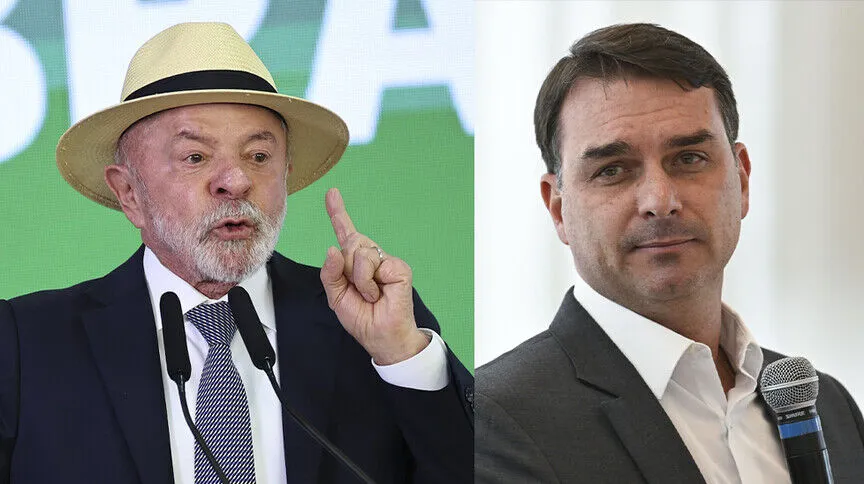
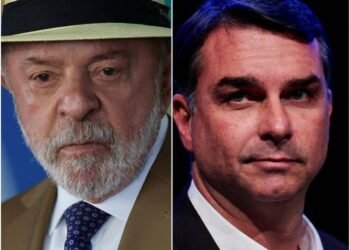
Brazil’s right-wing presidential candidate Flavio Bolsonaro has secured the backing of Augusto Cury, the candidate who finished third in the first round of voting, strengthening his position ahead of a closely contested battle against incumbent left-wing President Luiz Inácio Lula da Silva. Cury’s endorsement could prove significant as both leading candidates seek to attract voters whose preferred candidate failed to reach the next stage of the election.
The endorsement follows Sunday’s first-round vote, in which Flavio Bolsonaro secured approximately 47 per cent of the vote, compared with 45 per cent for Lula. Cury received around 3 per cent, placing him third in the contest. Although his share was considerably smaller than those of the two frontrunners, his support could become politically important in a race where the leading candidates are separated by only a narrow margin.
Cury announced his decision after the first-round results established a direct contest between Bolsonaro and Lula. His backing offers Bolsonaro an opportunity to appeal to voters who supported an alternative candidate, particularly those dissatisfied with the incumbent administration or seeking a change in Brazil’s political direction.

However, Cury has made clear that his endorsement should not be interpreted as an unconditional commitment. In a statement following the announcement, he said: “My support is not an unconditional promise.” The remark suggests that his decision does not necessarily amount to unrestricted approval of Bolsonaro’s political programme or a guarantee that all his supporters will follow his recommendation.
The distinction is important because endorsements do not automatically translate into votes. Cury’s supporters may have backed him for reasons that differ from Bolsonaro’s political priorities, and some may be reluctant to support either of the two remaining candidates. Whether the endorsement produces a measurable electoral advantage will depend on how voters interpret Cury’s decision and whether they consider Bolsonaro an acceptable alternative.
The first-round figures underline the significance of even relatively small shifts in voter preference. Bolsonaro’s reported 47 per cent share placed him ahead of Lula, who received approximately 45 per cent. Cury’s roughly 3 per cent provides a potential pool of additional support, although the final outcome will depend on the broader electorate and the voting decisions made in the next stage of the contest.
For Bolsonaro, the endorsement offers an opportunity to build a wider coalition beyond his existing right-wing base. A candidate entering a runoff must persuade voters who may not share the same political identity or priorities as core supporters. Winning over these voters can require a combination of policy assurances, appeals to national interests and efforts to present a credible governing programme.
Cury’s decision may also give Bolsonaro an opening to portray his campaign as capable of attracting support beyond a single political bloc. Yet the extent of that advantage remains uncertain. The endorsement itself does not establish whether Cury’s voters will transfer their support to Bolsonaro, abstain from voting or choose Lula instead.
Lula, meanwhile, faces the challenge of retaining his existing support while persuading undecided voters and those who backed other candidates in the first round. As the incumbent president, he can draw attention to his administration’s record and offer voters a case for continuity. At the same time, he must address concerns that may have encouraged some voters to support alternative candidates.
The narrow gap between the two leading candidates means that the runoff campaign is likely to place considerable emphasis on persuading voters who remain undecided. Both campaigns will need to consider economic concerns, public services, employment, social policy and the wider direction of the country. The relative importance of these issues will depend on voters’ priorities and how effectively each candidate communicates their plans.
Brazil’s political divisions also form an important backdrop to the contest. The competition between Bolsonaro and Lula reflects a broader struggle between rival visions for the country’s political and economic future. Bolsonaro represents the right-wing side of that divide, while Lula leads the left-wing political camp. Their competing approaches have made the election an important test of the strength of their respective coalitions.
The endorsement from Cury could influence how the right-wing campaign approaches voters outside its traditional base. However, it remains necessary to distinguish between a political announcement and a demonstrable change in public opinion. An endorsement may provide momentum, attract media attention or encourage negotiations over policy priorities, but its electoral impact cannot be established solely from the announcement.
Cury’s qualification that his support is not unconditional could be particularly relevant in the coming campaign. It leaves room for scrutiny of Bolsonaro’s proposals and suggests that support may depend, at least in part, on how the candidate responds to voters’ concerns. The statement does not specify particular conditions, so it would be premature to assume that Cury has demanded specific policy commitments.
The development also illustrates the importance of candidates who finish outside the leading positions in a first-round election. Although they may not advance to the runoff, their support can become the subject of intense political attention. Their endorsements may help shape campaign narratives, influence public debate and signal which political alliances are emerging ahead of the final vote.
Nevertheless, voters are not bound by the decisions of candidates they previously supported. Cury’s roughly 3 per cent share should therefore be viewed as a potential source of support for Bolsonaro rather than a guaranteed addition to his vote total. Some of those voters may agree with Cury’s endorsement, while others may make independent choices based on the candidates’ policies, records and public statements.
For Lula, the challenge is to prevent Bolsonaro from expanding his support among voters who preferred a third option in the first round. That may involve emphasising the incumbent’s achievements, addressing criticism and presenting a persuasive argument about the consequences of a change in government. The effectiveness of that strategy will depend on whether voters regard Lula’s record and future commitments as more compelling than Bolsonaro’s alternative.
For Bolsonaro, the task is equally demanding. Maintaining his first-round support while gaining additional votes requires a campaign that can appeal to people beyond his most loyal supporters. Cury’s endorsement offers a possible advantage, but Bolsonaro will still need to persuade voters that his leadership would address their concerns and provide a credible path forward for Brazil.

With the first-round results placing the two frontrunners close together, the contest remains sensitive to shifts in voter behaviour and the success of each campaign’s outreach. The endorsement gives Bolsonaro a new political opportunity, but it does not settle the central question of who will secure the presidency.
The next phase of the election will reveal whether Cury’s backing can help consolidate right-wing support or whether Lula can retain enough voters and attract additional backing to overcome Bolsonaro’s first-round lead. For now, the endorsement represents a notable development in a closely fought campaign, with its ultimate significance dependent on how Brazil’s electorate responds.
Related News:
 Is America Ready for an AOC Presidential Run?
 Latin America women fear rollback of rights
 US states redraw maps after voting rights ruling
 US ‘Narco Boat’ Strikes Draw Global Outcry
 Immigration Judges Fear Pressure in Trump Era
 Trump’s Revenge Drive Deepens GOP Divide
 Five Years of Taliban Rule Leave Afghanistan in Crisis
 Trump Calls Iran War ‘Small Potatoes’ Despite US Deaths
 Experts Warn of Growing US Terrorism Risks 25 Years After 9/11
 Trump Media Ban Triggers First Amendment Clash
 Lib Dems Prepare for Election Amid Reform Challenge
 US Networks Suspend Trump White House Pool Coverage
 Democrat Says ICE Restricted Detention Camp Oversight
 Elif Eralp Emerges as Berlin’s Next Political Force
 Lula accuses Trump of seeking control over Brazil
 Republican Senator Questions Trump Ad Spending
 AI Deepfakes Put New Pressure on Election Trust
 Trump Ads Trigger Fight Over Taxpayer Money
 Drumcree Talks Falter as Legal Challenge Deepens
 UK-France Returns Deal Faces Expiry as Talks Stall
 Green Party faces dispute over Zionism motion
 Senators warn US childcare policies could raise costs
 Families Await USS Abraham Lincoln Homecoming
 Trump Says He Deserves Nobel Peace Prize
 USS Lincoln Ends Record 265-Day Deployment
 ICE Agent Shoots Man in New York as Child Escapes Harm
 India’s Youth Movement Alleges Mass Detentions Before Protest
 Gaza War Deepens India’s Strategic Ties With Israel
 Thousands Protest ICE Operations in Nationwide US Day of Action
 Epstein Files Reveal Trump Officials’ Emails with Financier
 Thousands Protest ICE in New York Against Trump Deportation Campaign
 Melania Trump Epstein remarks spark survivor backlash
 UK Stands Firm on Falklands Amid US Rift
 Trump orders US troop pullout from Germany
 Judge halts deportation of Yemeni refugees in US
 Trump approval plunges amid Iran war fears
 Ohio’s Battle for Trust: Democrats Vying to Flip the Buckeye State
 Afghan Families Left in Limbo Face Risk of Deportation
 Florida Surgeon ‘Devastated’ Over Fatal Surgery Error
 US Awaits Iran Reply on New Ceasefire Proposal
 Farage and Reform UK Reshape British Politics
 Starmer Leadership Under Pressure After Setbacks
 House Curbs Trump’s War Powers in Rare Rebellion
 Trump’s Mount Rushmore Speech: A Divisive Anniversary
 Le Pen’s Popularity Holds Despite Conviction
 Houthis Strike Saudi Arabia as Middle East Tensions Rise
 Ghent Professors Questioned Cofnas Appointment
 RAF Barnham Protests Fuel Tensions in Norfolk Town
 Ukraine Villagers Demand Answers After Deadly Arms Depot Strike
 Trump Hardens Canada Trade Stance as Talks Stall
 Europe’s democracies face a growing far-right threat
 New Mexico Takes Facebook to Trial Over Data Scandal
 Man Arrested in Mississippi Woman’s Death
 Israel Accused of Undermining Palestinian Life
 Texas Charges Seven Noncitizens in Voting Crackdown
 Turkey LGBTQ Crackdown Expands With New Arrests
 Yemen War Displaces 125,000 as Fighting Intensifies
 Omar Proposes Bill to Redirect ICE Funding
 UK Plans New Centre to Counter Information Warfare
 Xi urges Trump to avoid US-China military conflict
 Nepal PM calls deadly flood a global climate warning
 Free Speech Emerges as Key UK Election Issue
 Madrid Tent Camp Grows as Spain Housing Crisis Deepens
 Cornell Fraternity Assault Investigation Reopened
 Economic growth and political strain reshape Benin
 Burnham Opens Door to Possible UK Return to EU
 Brazil Election Draws Religion Into Final Campaign
 Badenoch Raises Prospect of 2027 UK Election
 French School Protests Escalate as 400 Schools Close
 New Prosecutor Takes Over Cornell Assault Case
 Lula Warns of Bolsonaro Family Return as Brazil Votes
 Musk’s DOGE Sparks Turmoil Inside US Government
 Bosnia’s Young People Look Beyond Election Hope
 US bombers leave RAF Fairford after terror threat
 Quebec separatists return to power without majority
 Canadian Veterans Condemn Trump Allies’ Military Remarks
 Argentina Protesters Resist Milei’s Land Sale Drive
 Vance Demands Iran Cut Nuclear Enrichment
 Israel Promotes Film Challenging Controversial Gaza Documentary
 Labour Wins Key London By-election as Greens Fall Short