Published: 09 October 2026. The English Chronicle Desk. The English Chronicle Online
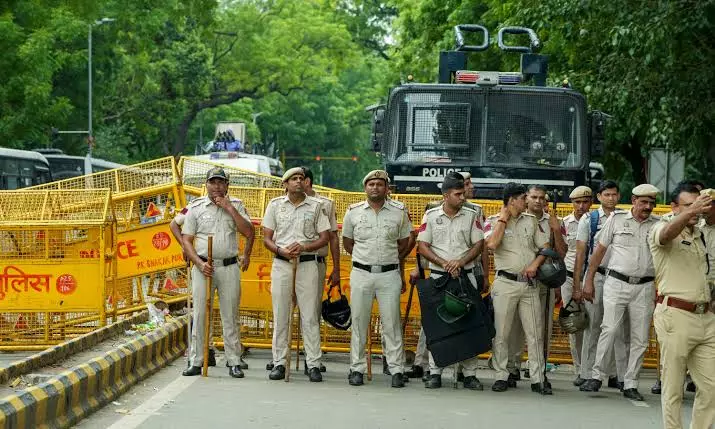
Thousands of police and paramilitary personnel have been deployed across New Delhi ahead of a planned mass demonstration over India’s controversial voter-list revision process, as authorities prepare for possible tensions surrounding Saturday’s protest.
The demonstration has been called by several organisations, including the youth-led Cockroach Janata Party, or CJP, which is demanding accountability from India’s Chief Election Commissioner Gyanesh Kumar. Opposition parties have also been protesting the electoral roll revision process, arguing that legitimate voters could potentially be removed from the lists.
The Election Commission of India has rejected such allegations, maintaining that the revision is intended to identify and remove ineligible or fraudulent names from electoral rolls and that the process is being conducted according to established rules.

The dispute has nevertheless developed into a politically sensitive confrontation between the election authorities, opposition parties and protest groups. With a major demonstration expected in the capital, authorities have significantly increased security and restricted access to areas associated with the planned protest.
According to information released ahead of the demonstration, more than 20,000 police and paramilitary personnel have been deployed across the capital. Yellow metal barricades have been placed along important roads, while security has been tightened around Jantar Mantar, the designated protest area in central Delhi.
Police have not granted permission for the planned gathering at Jantar Mantar. Authorities have cited several reasons for refusing the request, including the short notice given by organisers, alleged violations of rules during previous demonstrations and concerns over public safety and traffic management.
The CJP had called for a protest on 10 October, with organisers planning a march towards Jantar Mantar as part of what they describe as a mass solidarity programme. The group has accused the authorities of attempting to prevent its supporters from participating by detaining volunteers and activists ahead of the event. Police have not publicly responded to those allegations.
The dispute comes after opposition parties began demonstrations earlier this month over the Election Commission’s voter-roll revision exercise. The commission has defended the initiative, arguing that removing fake and otherwise ineligible voters is necessary to protect the integrity of elections.
Opposition leaders and critics, however, have raised concerns that the process could inadvertently remove legitimate voters from electoral registers. They have further alleged that such changes could benefit Prime Minister Narendra Modi’s Bharatiya Janata Party, or BJP, during future elections.
The allegations have transformed what would ordinarily be an administrative electoral exercise into a broader political dispute over the independence and credibility of India’s electoral institutions.
Congress leaders have joined demonstrations in several parts of the country, including opposition leader Rahul Gandhi. Gandhi was briefly detained during a protest earlier in the week, adding further visibility to the opposition campaign.
The political confrontation is now unfolding against heightened security measures in the capital. Rahul Gandhi and other opposition leaders were also expected to meet President Droupadi Murmu on Friday to present their concerns regarding the Election Commission and its chief.
Such a meeting would give opposition leaders an opportunity to take their objections directly to the head of state, although the Election Commission remains an independent constitutional institution responsible for conducting elections and managing electoral rolls.
The authorities’ decision to deny permission for the CJP demonstration has become a separate point of contention. CJP co-convener Saurav Das reportedly submitted an application on 7 October seeking permission for a protest demanding accountability from the Chief Election Commissioner.
Delhi Police Joint Commissioner Nupur Prasad said the application had been submitted only shortly before the proposed demonstration. Police also cited concerns arising from previous events as well as potential disruption to public movement and security.
The restrictions have not prevented organisers from pressing ahead with their plans. The CJP has said it intends to organise a mass mobilisation in New Delhi and march towards Jantar Mantar, despite the lack of permission for the gathering at the protest site.
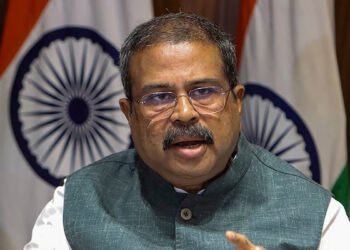
The organisation itself is relatively new. It emerged online in May this year as a satirical political movement before expanding its activities into street protests. The group later led demonstrations at Jantar Mantar, where its campaign contributed to growing calls for the resignation of the then education minister.
Its latest campaign is more directly focused on the Election Commission and the controversy surrounding voter registration. The group’s supporters argue that the electoral process must be transparent and that constitutional institutions should be accountable to the public.
Criticism of the election authorities has also gained traction among established opposition parties. Their concerns centre on whether the voter-list revision process could affect electoral participation and whether safeguards are sufficient to prevent legitimate voters from being excluded.
The Election Commission has strongly rejected suggestions that it is acting outside the law. Its position is that electoral rolls must be regularly reviewed to ensure that only eligible voters remain registered and that the integrity of the voting process is protected.
The disagreement therefore involves two competing concerns. The commission says maintaining accurate electoral rolls is essential to preventing manipulation and ensuring credible elections, while critics fear that an aggressive revision process could disenfranchise people whose names are removed incorrectly.
The atmosphere in Delhi has become particularly tense because the disagreement has moved beyond institutional debate and into the streets. The presence of thousands of security personnel, barricades and restrictions around protest locations reflects the authorities’ determination to prevent disorder.
For residents and commuters, the demonstrations could also create significant disruption. Central Delhi contains major government buildings, administrative offices and important transport routes, making large protests particularly challenging for police attempting to balance the right to demonstrate with public safety.
The security measures also highlight the sensitivity surrounding political demonstrations in the Indian capital. Authorities have frequently imposed restrictions around key government areas when large crowds are expected, particularly when organisers have not received official permission.
For the opposition, however, restrictions could become part of the political argument itself. Protest leaders are likely to portray the denial of permission and heavy police presence as evidence that authorities are unwilling to tolerate criticism. The government and police, by contrast, are expected to frame the measures as necessary for maintaining order and preventing disruption.
The coming days could therefore determine whether the dispute remains a political campaign centred on electoral reform or develops into a wider confrontation over democratic institutions and the right to protest.
At the heart of the controversy is public confidence in the electoral system. India’s elections involve hundreds of millions of voters, making the accuracy of electoral rolls a fundamental part of the democratic process. Any perception that eligible voters are being unfairly excluded can quickly become politically explosive.

As Delhi prepares for Saturday’s planned mobilisation, the deployment of more than 20,000 police and paramilitary personnel demonstrates the seriousness with which authorities are treating the situation. Whether the security operation succeeds in preventing violence without intensifying political tensions will be closely watched.
For now, the Election Commission continues to defend its voter-list revision process, while opposition parties and protest organisers demand greater accountability. With political leaders already taking the dispute to the streets and preparing to raise their concerns with the president, the controversy is likely to remain a significant issue in India’s political debate.
Related News:
 Sri Lanka Ex-First Lady Arrested Over Donation Probe
 Pakistan Lawyers Back PTI Long March and Demands
 Cartel crackdown raises fears of fresh violence
 Murder Probe Continues After Arrest Release
 Pradhan Resigns Amid Protests
 Israeli Strike in Southern Lebanon Kills Seven
 Patriot Platform Raises Concern Across Britain
 Israel Accused of Undermining Palestinian Life
 Democrat Says ICE Restricted Detention Camp Oversight
 Japan PM Backs International Criminal Court
 Hundreds of UK prisoners released early amid overcrowding
 Drumcree Talks End Without Agreement Ahead of Appeal
 Latin America women fear rollback of rights
 Flydubai Co-Pilot Studied in Australia Before Attack
 Delhi Freezes Promotion of Police Officer After Allegations
 Royal Navy Sailor Charged With Alleged Spying
 NSW Police Bid Delays Inquiry Into Sydney Protest
 ICE Agent Shoots Man in New York as Child Escapes Harm
 Israel Promotes Film Challenging Controversial Gaza Documentary
 India’s Youth Movement Alleges Mass Detentions Before Protest
 French Taxi Driver Cleared in David Lammy Theft Case After Fare Dispute
 Remaining rebel Labour MPs have whip restored
 South African Detained After Neo-Nazi Rally in Australia
 Trump Signs Bill Releasing Justice Department Files on Epstein
 Prevent Failings Exposed After Southport Attack
 Ben Roberts-Smith Denies War Crime Allegations in First Statement
 US states redraw maps after voting rights ruling
 US ‘Narco Boat’ Strikes Draw Global Outcry
 Barrister Criticises Trial After Suicide Case Verdict
 Immigration Judges Fear Pressure in Trump Era
 Gunman Killed After White House Security Shootout
 New Footage Revives Peter Falconio Mystery
 Westminster Council Threatens Charing Cross Soup Kitchen
 BBC Warned About Missing Clothes of Murder Victim
 Nepal-Tibet Flood Death Toll Rises as 2,478 Remain Missing
 Ukraine Villagers Demand Answers After Deadly Arms Depot Strike
 Survivor Sues Musk’s xAI Over AI Abuse Images
 Nepal Flood Survivors Face Unimaginable Loss
 Nepal Tunnel Rescue Offers Hope Amid Flood Devastation
 Councils spend £125m on illegal children’s care
 New Mexico Takes Facebook to Trial Over Data Scandal
 Fugitive Developer Rants at NSW Corruption Inquiry
 Texas Charges Seven Noncitizens in Voting Crackdown
 Yemen War Displaces 125,000 as Fighting Intensifies
 Iran School Strike Raises War Crimes Questions, UN Says
 Mahmood Warns Far Right Over Asylum Protests
 Saudi Pact Raises Risk of Pakistan Entering War
 Harrods Faces Dispute Over Fayed Abuse Compensation
 US Deportation Deals Send Migrants to Unfamiliar Countries
 US Networks Suspend Trump White House Pool Coverage
 King Refers Jamaica Slavery Petition to Privy Council
 UK Pauses Chagos Deal Amid US Opposition
 Ukraine and Russia Escalate Long-Range Drone War
 Nepal PM calls deadly flood a global climate warning
 Republican Senator Questions Trump Ad Spending
 Free Speech Emerges as Key UK Election Issue
 Cornell Fraternity Assault Investigation Reopened
 South Korea-Ukraine Row Erupts Over North Korean POWs
 London Facial Recognition Trial Ends With False Alert
 French Student Protests Escalate Into Violent Clashes
 Drumcree Talks Falter as Legal Challenge Deepens
 UK-France Returns Deal Faces Expiry as Talks Stall
 Pilot Recalls Fight to Save Flydubai Passengers
 Badenoch Raises Prospect of 2027 UK Election
 French School Protests Escalate as 400 Schools Close
 New Prosecutor Takes Over Cornell Assault Case
 Musk’s DOGE Sparks Turmoil Inside US Government
 Germany Pledges €1bn Military Aid to Ukraine
 Gosport Protesters Clash With Police Over Migrant Rescue
 Andrew Mountbatten-Windsor Challenges Police Raids
 Palace Rejects Funding Andrew’s Police Legal Challenge
 Former German Intelligence Chief Arrested Over Espionage
 France Braces for Major Student Protest Mobilisation
 Okinawa US Troops Face Curfew After Murder Case
 Detective Breaks Down Recalling Double Murder Scene
 Botstein Quits Bard Amid Epstein Investigation Calls
 Luton Residents Reject Claims of ‘No-Go Zones’
 Trump Says He Deserves Nobel Peace Prize
 Gaza War Deepens India’s Strategic Ties With Israel
 South Africa Withdraws Directive on Asylum Applications