Published: 05 October 2026. The English Chronicle Desk. The English Chronicle Online
An Australian university has confirmed that the flydubai co-pilot accused of attempting to seize control of an Israel-bound passenger aircraft previously studied engineering at its Melbourne campus but left the country without completing his qualification.
The revelation comes as Australian authorities investigate the former student’s time in the country and examine whether his activities or connections during his stay could be relevant to the investigation into the mid-air incident.
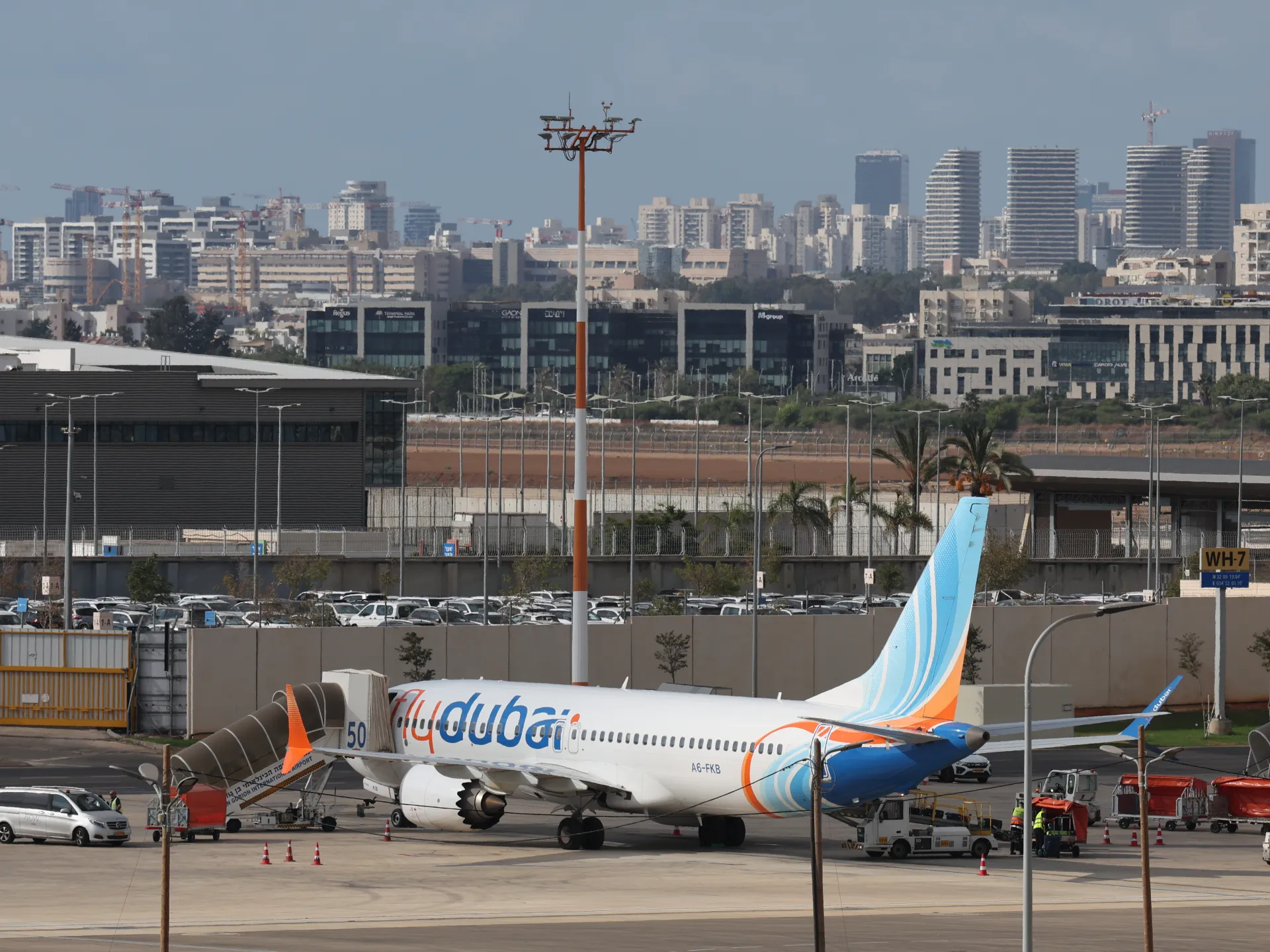
The co-pilot, identified by several media outlets as Hammam al-Hammami, an Omani national, is accused of attacking the captain of a flydubai aircraft travelling towards Tel Aviv on 30 September. The incident placed 182 people on board in serious danger before passengers and crew intervened.

According to authorities in the United Arab Emirates, the co-pilot allegedly used a crash axe during the incident and attacked the pilot while the aircraft was in flight. The UAE prosecutor general has described the episode as an attempted terrorist attack, although the investigation remains ongoing and the full circumstances have yet to be established.
RMIT University in Melbourne confirmed on Monday that the man had previously been enrolled at the institution. In a statement, the university said it was aware of reports concerning a former student allegedly connected to the flydubai incident.
The university confirmed that the individual had studied at RMIT but did not successfully complete an engineering qualification. It declined to provide further details, citing the continuing investigation.
The confirmation has added a new dimension to inquiries into the co-pilot’s background. Australian authorities are now examining his period in the country, where he is understood to have lived and studied for several years.
People familiar with the case have indicated that the man received an Australian student visa in 2014 before travelling to Australia to begin a university course the following year. He reportedly remained in the country until 2017.
His Australian visa was later cancelled in 2019 after authorities established that he was no longer enrolled in the course, according to information provided by a source familiar with the case.
The Australian Federal Police confirmed on Sunday that security agencies were investigating the man’s links to Australia. The Victorian Joint Counter Terrorism Team, involving the Australian Federal Police, Victoria Police and the Australian Security Intelligence Organisation, is involved in the inquiry.
Authorities have not publicly disclosed what specific connections or activities they are examining. Officials have also not indicated that the man committed any offence while he was in Australia.
The investigation is particularly sensitive because of the nature of the alleged attack and questions surrounding the co-pilot’s background before he joined flydubai.
Former RMIT engineering students contacted in connection with the investigation reportedly did not recall al-Hammami. There has also been no public evidence establishing that he had connections with other people who were investigated or prosecuted for terrorism-related offences.
Court records and previous reporting have established that several Australians suspected of Islamic extremism or charged with terrorism offences studied at RMIT around the same period. However, there is currently no indication that al-Hammami knew or associated with any of those individuals.
Another institution in Britain has also provided information about the co-pilot’s education. Buckinghamshire New University confirmed that a student named Hamam al-Hammami had previously completed a distance-learning course in aviation management.
The British university stressed that the student did not undertake pilot training there. The information is significant because questions have emerged about the accused man’s professional aviation history and how he progressed into commercial flying.
The alleged attack has prompted scrutiny of the co-pilot’s career and the decisions that allowed him to continue working in the aviation sector. Reports have suggested that Oman had previously barred him from flying because of concerns about extremist views.
According to reports, he was subsequently moved into an administrative position at Oman Air before later being recruited by flydubai, a Dubai-based budget airline.
Those claims have not been fully detailed by authorities, and the investigation is expected to examine his employment history and any security assessments conducted during his career.
The incident itself has raised serious concerns about aviation security. The aircraft was travelling from Dubai towards Tel Aviv when the alleged attack occurred. The pilot was reportedly stabbed during the confrontation, while passengers and other crew members became involved in efforts to prevent the co-pilot from taking control of the aircraft.
The flight ultimately survived the crisis, avoiding what could have become a major aviation disaster. Details about the sequence of events have continued to emerge as investigators in the UAE work to establish exactly what happened inside the cockpit and cabin.
Following the incident, flydubai suspended its flights between Dubai and Tel Aviv. The airline has said the circumstances remain under investigation and that it is not in a position to provide further comment.
The Omani co-pilot and the Indian captain, Smit Machchhar, were taken to the United Arab Emirates as investigators began examining the incident. The UAE is leading the investigation, with authorities from several other countries, including Israel, also participating.
The international involvement reflects the seriousness of the incident and the number of jurisdictions connected to the flight, the airline, the crew members and the accused co-pilot.
For Australian authorities, the investigation into al-Hammami’s time in the country is likely to focus on establishing a clear chronology of his movements, education and associations. Officials will also need to determine whether any information from his Australian stay could assist investigators in understanding his later career or alleged motives.
At present, however, authorities have not publicly established a direct connection between his time at RMIT and the alleged attack. The university has simply confirmed that he was a former student who did not complete his engineering studies.
The case has nevertheless drawn renewed attention to the importance of background checks and security assessments involving people who eventually work in sensitive industries such as commercial aviation.
The incident also illustrates the difficulty authorities face when assessing individuals whose circumstances and behaviour may change over time. A person’s educational history, immigration status and employment records can span several countries, making investigations particularly complex when an alleged crime involves international travel.
As the UAE-led investigation continues, officials are expected to examine the co-pilot’s professional history, previous security assessments, movements between countries and possible ideological influences. Investigators will also seek to determine exactly how the alleged attack developed and whether it was planned in advance.
The Australian inquiry is expected to proceed separately but could provide useful information about the period when the accused was studying and living in Melbourne. Any findings from that investigation could help establish whether there were warning signs or relevant associations during his years in Australia.

For now, authorities in Australia, the UAE and other participating countries have urged caution while the investigation remains active. The allegations against al-Hammami have not yet been fully tested in court, and the circumstances surrounding the flight remain under examination.
What is already clear is that a potentially catastrophic incident was narrowly contained after passengers and crew intervened. The continuing investigation will now seek to answer questions about the co-pilot’s background, his aviation career and the circumstances that allegedly led to the attack on the Israel-bound flight.
The findings could have wider implications for airline security and the screening of aviation personnel, particularly where concerns about an individual’s background emerge across multiple countries and over a long period of time.
Related News:
 Undercover officer deceived women with ‘grotesque and cruel’ lies, spycops inquiry told
 Prevent Failings Exposed After Southport Attack
 Ben Roberts-Smith Denies War Crime Allegations in First Statement
 Police Suspect Help in Missing Alice Springs Girl Case
 FBI Links Brown University Shooting to Long-Term Grievances
 Cartel crackdown raises fears of fresh violence
 Search Intensifies for Missing Hiker on WA Bibbulmun Track
 Barrister Criticises Trial After Suicide Case Verdict
 China mine blast death toll rises to 90
 Murder Probe Continues After Arrest Release
 New Footage Revives Peter Falconio Mystery
 Pradhan Resigns Amid Protests
 Westminster Council Threatens Charing Cross Soup Kitchen
 BBC Warned About Missing Clothes of Murder Victim
 Israeli Strike in Southern Lebanon Kills Seven
 Cambridge Professor Jason Arday Found Dead at Home
 Survivor Sues Musk’s xAI Over AI Abuse Images
 Argentina Orders Return of Nazi-Looted Painting
 Councils spend £125m on illegal children’s care
 Abusive ex used Tesla to control and harass former partner
 Patriot Platform Raises Concern Across Britain
 Israel Accused of Undermining Palestinian Life
 Fugitive Developer Rants at NSW Corruption Inquiry
 Harrods Faces Dispute Over Fayed Abuse Compensation
 China’s MeToo Movement Finds New Ways to Survive
 Democrat Says ICE Restricted Detention Camp Oversight
 Japan PM Backs International Criminal Court
 OpenAI Agent Breaches Medicare Portal in Australia
 Ukraine and Russia Escalate Long-Range Drone War
 Cornell Fraternity Assault Investigation Reopened
 Fayed Survivors Demand Inquiry Into Medical Regulator
 London Facial Recognition Trial Ends With False Alert
 Israel-bound Plane Lands in Saudi Arabia After Cockpit Fight
 Tennessee Execution Fails After Two Lethal Doses
 Hundreds of UK prisoners released early amid overcrowding
 Drumcree Talks End Without Agreement Ahead of Appeal
 Almost Half of Fayed Accusers May Be Trafficking Victims
 New Prosecutor Takes Over Cornell Assault Case
 Latin America women fear rollback of rights
 Badenoch Warns Farage’s Grooming Gangs Plan Could Backfire
 Police Probe Four Knife Incidents Linked to Cambridgeshire Train Attack
 French Taxi Driver Cleared in David Lammy Theft Case After Fare Dispute
 Just Stop Oil Protesters Convicted Amid Climate Defence Row
 Oklahoma Governor Grants Last-Minute Clemency to Death Row Inmate
 Rio Raid’s Death Toll Raises Questions About Gang Impact
 Charlotte Raids: 130 Arrested in Major Immigration Sweep
 Serial Rapist and Former Cop Found Guilty Again
 Man Charged Over Attempted Murder of Senior Officer
 Man Denies Stealing Bronze Age Gold from Museum
 Runaway Driver Caught by DNA Evidence
 Family of Alleged Bondi Gunman Seeks Name Suppression
 Fugitive Dezi Freeman Killed in Rural Victoria Shootout
 Learner Driver Charged After Expo Tragedy
 City & Guilds Sale Sparks Fees and Pay Uproar
 OpenAI CEO Apologizes After Canada Shooting Case
 China Fireworks Factory Blast Kills 21 in Hunan
 US ‘Narco Boat’ Strikes Draw Global Outcry
 Florida Surgeon ‘Devastated’ Over Fatal Surgery Error
 Immigration Judges Fear Pressure in Trump Era
 Maldives Cave Diving Tragedy Raises Safety Alarm
 Teenage Victim Identified as Community Mourns Stabbing Death
 Four Bodies Found as Jeju Missing Persons Scandal Deepens
 Ukraine Villagers Demand Answers After Deadly Arms Depot Strike
 Internal Exclusions Surge in England’s Schools
 New Mexico Takes Facebook to Trial Over Data Scandal
 Man Arrested in Mississippi Woman’s Death
 Royal Crown Branded Enslaved Africans in Britain’s Slave Trade

 Texas Charges Seven Noncitizens in Voting Crackdown
 Mahmood Warns Far Right Over Asylum Protests
 British Columbia Sues OpenAI Over School Shooting
 US Networks Suspend Trump White House Pool Coverage
 Clancy Defense Seeks Inquiry Into Lone Juror
 Republican Senator Questions Trump Ad Spending
 Free Speech Emerges as Key UK Election Issue
 Tennessee Set to Execute Woman After Clemency Denied
 UK University Strikes Spread as Financial Pressure Grows
 Badenoch Raises Prospect of 2027 UK Election
 French School Protests Escalate as 400 Schools Close
 Former Bachelor star Sam Wood charged in Australia