Published: 10 October 2026. The English Chronicle Desk. The English Chronicle Online
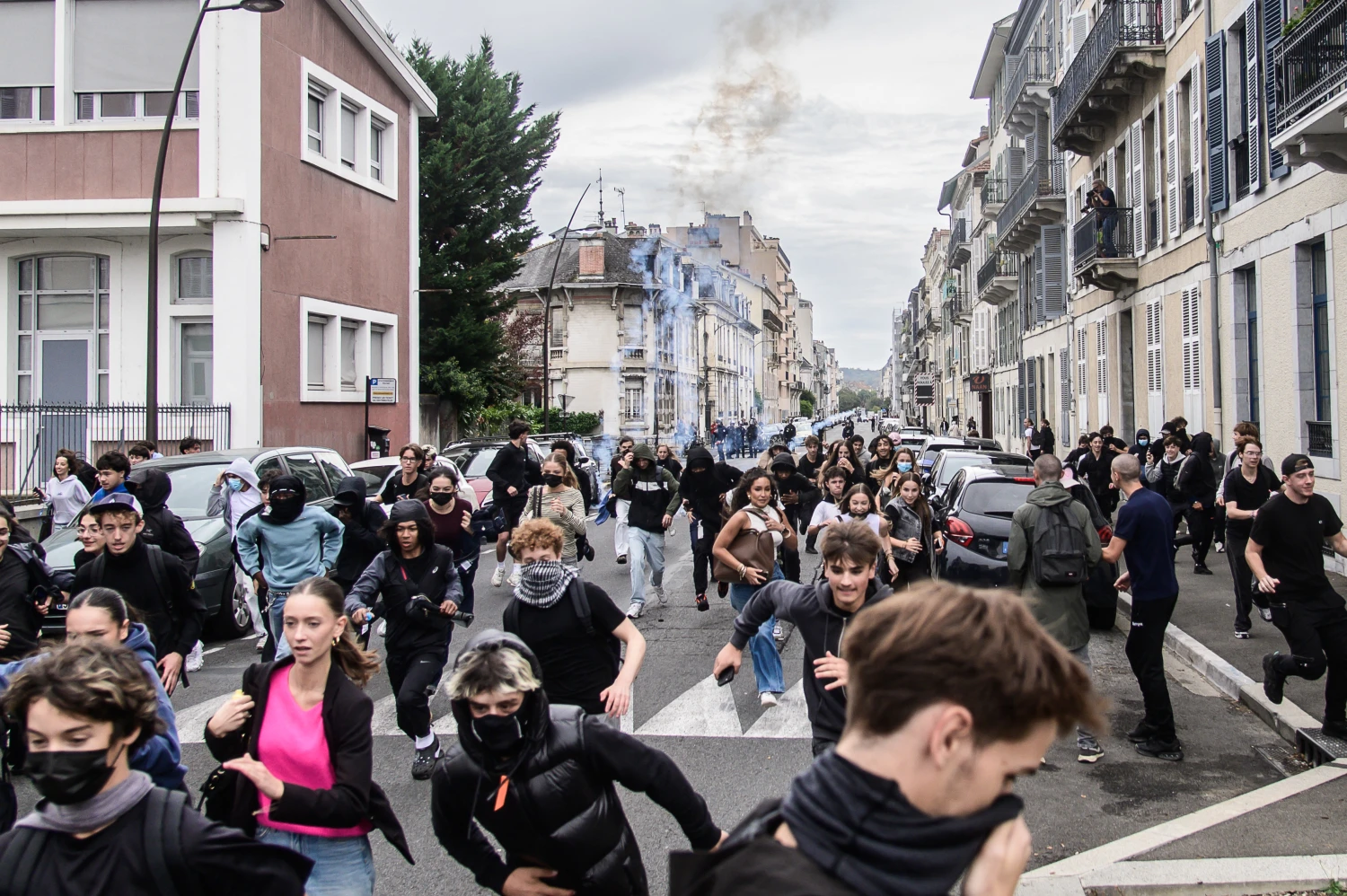
Students at a high school in Sevran, a disadvantaged suburb north-east of Paris, are continuing their protests over deteriorating school conditions, teacher shortages and educational inequality, saying they feel abandoned by the French state and are being denied the basic resources needed to succeed.
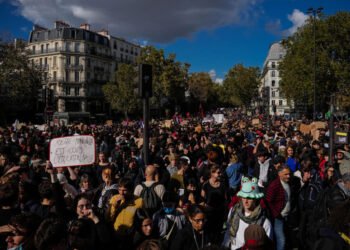
The demonstrations have become part of a wider youth movement that has spread across France, bringing hundreds of thousands of people into the streets amid growing anger over the country’s education system. Students, teachers and parents are demanding urgent improvements to school buildings, better staffing, manageable class sizes and a more equal distribution of educational resources.
For many young people in Seine-Saint-Denis, one of mainland France’s poorest administrative departments, the dispute is about more than broken furniture or inadequate facilities. They see it as a struggle for equal opportunities, dignity and recognition in a society where a family’s income and postcode can influence a child’s educational prospects.

Mohammed, a 17-year-old student preparing for his final year of secondary education, understands those pressures personally. His school day begins at around six in the morning, when he helps care for his younger siblings so that his single mother can go to work as a security guard. He then takes two crowded buses and a local train to reach the Lycée Blaise-Cendrars in Sevran.
Despite the effort he puts into his education, Mohammed said the conditions inside the school make learning unnecessarily difficult. According to his account, there are not enough chairs and desks for everyone, leaving some pupils standing during lessons. Overcrowded classrooms also make it difficult for students to communicate with teachers or receive individual attention.
The problem becomes particularly severe during periods of extreme heat. Mohammed recalled classrooms becoming unbearably hot during recent heatwaves, with inadequate shade and curtains making it difficult to concentrate. He said the temperature and overcrowding left him struggling to think clearly during lessons.
His ambitions remain considerable. He hopes to study management and digital communication at a university in Paris, but fears that the quality of education available to him and his classmates puts them at a disadvantage before they even begin competing for university places.
Teacher shortages have added to those concerns. Mohammed said some classes had gone months without teachers because absent staff were not replaced promptly. In one instance, students preparing for the French baccalaureate examination reportedly spent several months without a French teacher, preventing them from studying all the prescribed texts. He also described a case in which a teacher assigned to a subject taught in English reportedly could not speak the language.
For students approaching crucial examinations, such disruptions can have lasting consequences. Missing lessons may affect grades, university applications and future employment prospects, particularly for young people who cannot afford private tutoring or additional educational support.
The conditions at Lycée Blaise-Cendrars have become a symbol of wider grievances across Seine-Saint-Denis. The school has more than 1,000 pupils and has faced criticism over its facilities for several years. Students and teachers previously drew attention to deteriorating classrooms, toilets and equipment through a widely circulated video in 2024. Although the Île-de-France regional authorities announced a major refurbishment programme, students say important problems remain unresolved.
Photographs shared by pupils show broken chairs, damaged walls and ceilings, mould, leaking roofs and buckets placed beneath leaks. Students have also raised concerns about faulty lighting, insufficient science equipment and a shortage of video projectors. Sanitation facilities are another source of frustration, with reports of broken toilets, missing doors and inadequate supplies of soap and toilet paper.
The protesters insist that their demands are modest. They are not asking for luxury facilities, they say, but for safe, functional classrooms in which teachers can teach and pupils can learn without unnecessary obstacles.
Yet the campaign has also exposed tensions between young people and the police. Mohammed said officers on horseback charged students gathered outside the school and used tear gas while making arrests. He described the confrontation as frightening, particularly because a charging horse could seriously injure someone in a crowded group.
The demonstrations have coincided with a broader wave of student activism across France. Hundreds of schools have reportedly been blockaded, while thousands of teenagers have been arrested during protests. Rights groups have raised concerns about alleged police brutality, including incidents in which children reportedly suffered severe injuries.
These reports have intensified the debate over how authorities should respond to young people demanding improvements to public services. While officials have defended aspects of the police response, local representatives have questioned whether some tactics have unnecessarily escalated tensions.
Seine-Saint-Denis has become a focal point of the movement partly because of its demographic and economic circumstances. The area has one of the youngest populations in mainland France, a relatively high birthrate and average incomes among the lowest in the country. Schools also face difficulties retaining teachers, with a high turnover among younger staff contributing to concerns about continuity and educational quality.
The region’s disadvantage has persisted despite major national initiatives intended to address poverty and inequality. It was also home to the athletes’ village during the 2024 Paris Olympics, an event that brought international attention and investment to parts of the Paris suburbs. However, students and local residents say those developments have not eliminated longstanding problems in their communities.
The current demonstrations have also revived memories of the unrest that began in Seine-Saint-Denis in 2005 after two boys died while hiding from police in an electricity substation. The deaths triggered weeks of unrest across housing estates and contributed to a national emergency being declared. More than two decades later, concerns about discrimination, economic exclusion and mistrust between young people and law enforcement remain prominent.
For Ilian, another 17-year-old student whose family has Moroccan roots, educational inequality is inseparable from the financial difficulties faced by many households. His father works as a traffic warden, and Ilian believes students from less affluent backgrounds must work significantly harder than their wealthier counterparts to achieve similar opportunities.
He said his classmates were desperate to return to normal lessons because they were already losing valuable preparation time in an examination year. Nevertheless, he argued that ending the demonstrations without meaningful commitments from the government would leave the underlying problems untouched.
The students’ concerns extend beyond classrooms and examination results. Ilian said he had been waiting for months to see a child psychiatrist, highlighting the difficulties young people can face when seeking mental health support. He also reported that the school lacked a nurse and did not have sufficient support staff for pupils with disabilities.
Such shortages raise questions about whether schools in disadvantaged communities can adequately meet the educational, physical and psychological needs of their students. For families already facing financial pressure, limited access to support services can make existing difficulties harder to manage.
Students have also alleged that some police officers used racial insults during the demonstrations. Ilian said young people felt they were treated with contempt by officers. These allegations have added a further dimension to the protests, linking demands for better schools with broader concerns about discrimination and the treatment of young people from minority backgrounds.
Stéphane Troussel, the Socialist president of the Seine-Saint-Denis departmental council, met students during the protests and criticised policing that he believed was contributing to the difficulties. He called for restrictions on the use of a type of rubber-bullet launcher after authorities suspended the use of stun grenades following injuries. France’s interior minister, Laurent Nuñez, has defended the police response.
The mayor of Sevran, Stéphane Blanchet, has expressed support for the students’ demands. He said residents of the town, which has a population of approximately 52,000 and an above-average poverty rate, frequently feel forgotten and pushed to the margins by the state.
The national government has acknowledged some of the concerns. Prime Minister Sébastien Lecornu has described the students’ grievances as legitimate, while the education ministry has promised 3,000 teachers to help fill urgent staffing gaps. However, teachers’ unions have questioned whether the commitment will be sufficient and have called for longer-term planning and additional funding.
The government faces pressure to improve educational provision at a time when public finances are constrained. Nevertheless, students and teachers argue that short-term recruitment pledges will not resolve structural problems involving school maintenance, staff retention, classroom overcrowding and support services.
Sarah, a 17-year-old who hopes to study at an elite engineering institution in Paris, said students in the suburbs felt abandoned. Her father works in a warehouse, and she said he was proud of her involvement in the campaign and her willingness to meet local officials.
She also welcomed support from teenagers in wealthier parts of France who joined demonstrations in solidarity. Their participation, she suggested, showed that the problems faced by students in disadvantaged suburbs were gaining wider recognition.
For Sarah and her classmates, however, solidarity alone will not be enough. They want assurances that their schools will receive the resources necessary to provide a proper education, regardless of where their families live or how much money their parents earn.
The students have voted to continue their protests in the coming week, with plans to present their demands to the mayor, elected representatives and education officials. They say they want to return to their classrooms and concentrate on their studies, but cannot accept a return to conditions they believe are undermining their futures.

Their campaign presents a difficult challenge for French authorities. Maintaining public order and ensuring that pupils can attend school are immediate responsibilities, but so is addressing the conditions that have driven the demonstrations. Without credible improvements, the government risks deepening the frustration of a generation that already feels excluded from the opportunities promised by the education system.
Ultimately, the protests in Sevran are about whether every child in France can expect a safe classroom, adequate teaching and a fair chance to succeed. The students are demanding that educational opportunity should not depend on family wealth or neighbourhood. Their message is straightforward: they want to study, prepare for their futures and return to ordinary school life, but they believe that requires the state to act on the problems they have raised.
Related News:
 Elif Eralp Emerges as Berlin’s Next Political Force
 French Student Protests Escalate Into Violent Clashes
 French School Protests Escalate as 400 Schools Close
 French Student Protests Grow Despite Government Pledge
 France Promises 3,000 Teachers as Student Protests Grow
 Canadian astronaut French words ease language row
 France Faces Record Presidential Crowded Race Amid Far-Right Surge
 Is America Ready for an AOC Presidential Run?
 Five Years of Taliban Rule Leave Afghanistan in Crisis
 Ghent Professors Questioned Cofnas Appointment
 Ukraine Villagers Demand Answers After Deadly Arms Depot Strike
 Europe’s democracies face a growing far-right threat
 Lib Dems Prepare for Election Amid Reform Challenge
 Madrid Tent Camp Grows as Spain Housing Crisis Deepens
 Drumcree Talks Falter as Legal Challenge Deepens
 UK-France Returns Deal Faces Expiry as Talks Stall
 Green Party faces dispute over Zionism motion
 Senators warn US childcare policies could raise costs
 Bosnia’s Young People Look Beyond Election Hope
 Germany Pledges €1bn Military Aid to Ukraine
 Latin America women fear rollback of rights
 Spain Sets Snap Election as Housing Crisis Deepens
 Former German Intelligence Chief Arrested Over Espionage
 France Braces for Major Student Protest Mobilisation
 France Schools Protests Draw 250,000 as Police Clash
 France Suspends Stun Grenades After Student Injury
 India’s Youth Movement Alleges Mass Detentions Before Protest
 Gaza War Deepens India’s Strategic Ties With Israel
 Bolsonaro Gains Key Endorsement Ahead of Brazil Runoff
 Controversial Vaccine Trial Approved in Guinea-Bissau
 France Faces Debt Crisis as Protests and Markets Clash
 Trump Attacks Norway After Nobel Peace Prize Snub
 Delhi Braces for Youth Protests Over Voter Roll Dispute
 Trump Names Katie Zacharia as Next White House Spokesperson
 UK Gaza Refugee Route Criticised Over False Hope Claims
 PTI Announces Swabi Rally Ahead of Long March Plans
 UK University Suspends Human Rights Research Following Pressure from China
 Italian Town Buys Mussolini Villa to Keep Away Fascist Fans
 Hungary election: Orbán faces biggest test amid scandal
 US ‘Narco Boat’ Strikes Draw Global Outcry
 Immigration Judges Fear Pressure in Trump Era
 Pope Meets Families in Italy Toxic Waste Zone
 Farage and Reform UK Reshape British Politics
 Starmer Leadership Under Pressure After Setbacks
 Le Pen to Run for President Despite Embezzlement Conviction
 Le Pen’s Popularity Holds Despite Conviction
 England and Norway Fans Turn Miami Into World Cup Carnival
 Russian Missiles Intensify Pressure on Kyiv
 RAF Barnham Protests Fuel Tensions in Norfolk Town
 Internal Exclusions Surge in England’s Schools
 Bayeux Tapestry Revives Franco-British Ties
 Trump Calls Iran War ‘Small Potatoes’ Despite US Deaths
 Reform Faces Fresh Financial Controversy
 Councils spend £125m on illegal children’s care
 Sweden Election Hangs on Far-Right Breakthrough
 Israel Accused of Undermining Palestinian Life
 Turkey LGBTQ Crackdown Expands With New Arrests
 Yemen War Displaces 125,000 as Fighting Intensifies
 US Networks Suspend Trump White House Pool Coverage
 Democrat Says ICE Restricted Detention Camp Oversight
 UK Plans New Centre to Counter Information Warfare
 Greece Pushes for Parthenon Marbles Reunification
 Lula accuses Trump of seeking control over Brazil
 Nepal PM calls deadly flood a global climate warning
 Republican Senator Questions Trump Ad Spending
 Free Speech Emerges as Key UK Election Issue
 Cornell Fraternity Assault Investigation Reopened
 Economic growth and political strain reshape Benin
 UK University Strikes Spread as Financial Pressure Grows
 Burnham Opens Door to Possible UK Return to EU
 Badenoch Raises Prospect of 2027 UK Election
 New Prosecutor Takes Over Cornell Assault Case
 Families Await USS Abraham Lincoln Homecoming
 Trump Says He Deserves Nobel Peace Prize
 USS Lincoln Ends Record 265-Day Deployment
 Israel Promotes Film Challenging Controversial Gaza Documentary
 Labour Wins Key London By-election as Greens Fall Short
 EU Divisions Deepen Over Israel Policy
 Australian Advocates Seek Subsidised Drugs for PMOS
 Trump Names Katie Zachariah as Next White House Press Secretary