Published: 05 October 2026. The English Chronicle Desk. The English Chronicle Online.
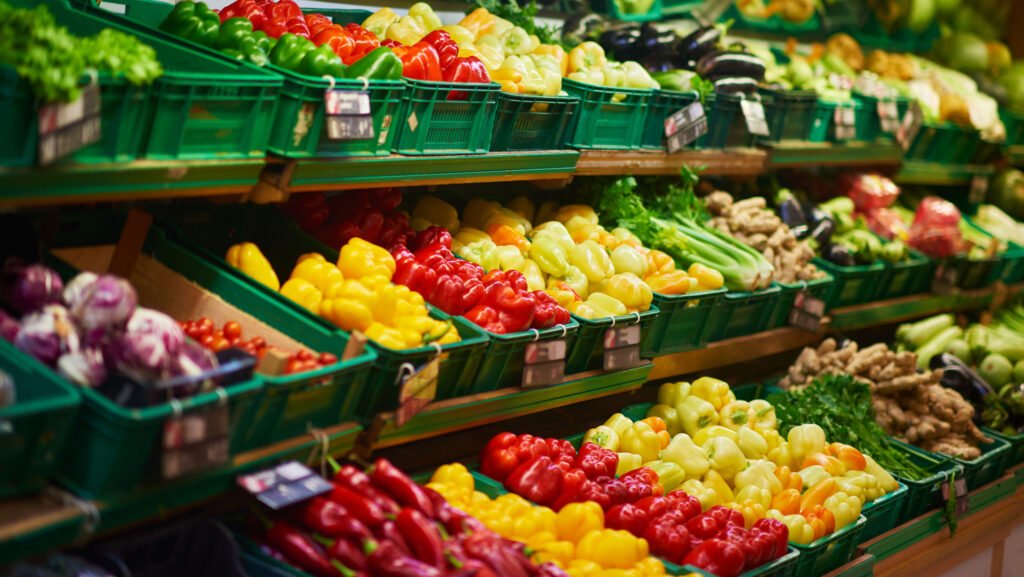
Britain is facing growing risks to its food supply but lacks a comprehensive national plan for feeding the population during a major crisis, according to a warning from more than 150 academics, business leaders, community organisations and food-sector experts.
The experts have urged the government to treat food security as a matter of national security, warning that climate change, geopolitical instability, cyber-attacks, energy disruptions and other emergencies could expose serious weaknesses across the UK’s food system. In an open letter delivered to Andy Burnham, the signatories said the government had become too complacent about the country’s ability to maintain food supplies during a major disruption.
The warning comes at a time when governments across Europe are reassessing the resilience of essential supply chains following years of geopolitical uncertainty, extreme weather and economic disruption. Food is increasingly being viewed not simply as a consumer commodity but as a strategic resource whose availability can influence public health, economic stability and social order.

The experts argue that Britain’s current food distribution system is poorly equipped for a period of sustained disruption. The “just-in-time” model that has developed over recent decades relies heavily on continuous transportation and relatively limited stock throughout the supply chain. While the system can keep costs low during normal conditions, its dependence on uninterrupted deliveries could become a significant weakness during a crisis.
Britain also does not maintain a national food storage system. A strategic food stockpile that had existed since the second world war was brought to an end during the 1990s, leaving the country without a central reserve designed specifically to protect national food supplies during prolonged emergencies.
The signatories warned that modern threats to the food system are increasingly diverse. Severe weather linked to climate change could damage crops and disrupt transport routes, while geopolitical conflicts could affect international trade and access to essential imports. Cyber-attacks against food manufacturers, distributors or retailers could potentially interrupt operations, while energy shortages or failures could affect refrigeration, processing, transport and storage.
Software failures and misinformation could create additional problems by disrupting logistics or encouraging panic buying. In an increasingly interconnected food system, disruption in one part of the chain can quickly affect consumers far beyond the original point of failure.
The experts also highlighted Britain’s dependence on imports. Although the UK produces significant quantities of food domestically, many products and agricultural inputs rely on international supply chains. Disruption to shipping, international markets or supplies from key producing countries could therefore have consequences for availability and prices in British shops.
The letter argues that these vulnerabilities are particularly concerning because they are being combined with environmental pressures and existing household financial difficulties. Millions of people already struggle to afford a healthy diet, meaning that a sudden increase in food prices or a shortage of essential products could disproportionately affect lower-income families.
Among the experts’ concerns is the government’s recent emphasis on household preparedness. Ministers have encouraged people to keep enough food and water at home to cope for several days without essential services, particularly in the event of severe weather or other emergencies.
However, the signatories argue that asking households to prepare individually cannot solve deeper structural weaknesses in the food system. Many low-income households may not have enough disposable income, storage space or flexibility to build significant reserves. For families already facing difficult choices between food, housing, energy and other essential costs, maintaining an emergency stockpile could be financially challenging.
The experts are therefore calling for resilience to be built at several levels, from communities and local authorities to regional networks and national government. They argue that the country needs a more decentralised food system in which supplies are not excessively concentrated among a small number of large companies or dependent on a narrow group of import routes.
Professor Tim Lang of the Centre for Food Policy at City St George’s, University of London, said Britain needed a fundamental shift in how it approached food resilience. He argued that the country should grow more food, increase regional diversity, establish storage capacity at different levels and encourage public participation in what he described as civil food defence.
Lang said central government needed to provide stronger strategic leadership while allowing communities and households to play their part. He stressed that individuals and local communities could not solve structural weaknesses within Britain’s food system on their own.
Professor Paul Behrens of the Oxford Martin School at the University of Oxford also backed the call for greater domestic food production. He argued that food resilience, healthier diets and environmental benefits could be pursued together by producing more vegetables, fruit and pulses that people need, and growing them closer to where they are consumed.
The warning follows concerns raised by the National Audit Office about the UK’s preparedness for possible disruptions to food supplies. The spending watchdog has previously criticised the government for not doing enough to ensure that households and businesses are ready for major emergencies.
Government research has also suggested that British households are less prepared for potentially catastrophic events than people in several other European countries. The UK’s relatively high reliance on food imports adds another layer of vulnerability, particularly as climate change places pressure on agricultural production in Britain and abroad.
Extreme weather is becoming a central part of the debate. Environment Secretary Angela Eagle has urged households to maintain supplies of food and water that could help them cope for several days if power or water services were disrupted. Her comments came amid warnings that the El Niño weather phenomenon could contribute to a wet and stormy winter in Britain.
Eagle has also said she intends to oversee improvements in farming and support the construction of reservoirs, measures intended to strengthen Britain’s ability to deal with increasingly unpredictable weather conditions. Water availability is becoming an important concern for agriculture as changing rainfall patterns and periods of extreme weather create greater uncertainty for farmers.
At the same time, the Cabinet Office is preparing a public awareness campaign encouraging households to keep emergency supplies, including tinned food. The government’s preparedness guidance advises people to consider storing foods that can be kept for long periods and, where possible, do not require cooking.
Such measures may help households cope with short-term disruption, but the experts argue that national resilience requires a much broader strategy. They want the government to assess Britain’s dependence on a small number of major food companies and imported supplies, reconsider how national food production is aligned with nutritional needs, and develop storage systems at national, regional, local and community levels.
The proposed approach would represent a significant change from a food system largely organised around efficiency, cost and commercial demand. The experts believe resilience should become a central consideration alongside price and convenience, particularly as the risks facing supply chains become more complex.
There is also an argument that stronger domestic food production could bring wider benefits. Producing more fruit, vegetables and pulses within Britain could potentially improve access to healthier diets while reducing some dependence on long-distance supply chains. Greater regional diversity could also mean that disruption in one part of the country would be less likely to affect the entire national system.

The debate ultimately raises questions about how Britain prepares for emergencies that may not resemble traditional crises. A cyber-attack, prolonged power outage, severe storm, international conflict or simultaneous disruption across several supply routes could place unprecedented pressure on the food system.
The experts’ warning is therefore not simply about whether supermarket shelves could become empty. It is about whether Britain has sufficient resilience to protect access to affordable, nutritious food when several systems fail at once.
For a country that has become heavily reliant on complex supply chains, the challenge is to balance efficiency with preparedness. The latest warning suggests that without stronger national planning, greater domestic production, wider storage capacity and more resilient local networks, Britain could remain vulnerable to food shortages at precisely the moment when households would be least able to cope with them.
Related News:
 UK Schools Struggle as Classrooms Top 40C
 London Tube Heat Reaches Dangerous Levels
 Britain Faces Worst Bluetongue Outbreak on Record
 NHS Safety Fears as Nurses Cover Doctor Gaps
 Barrister Criticises Trial After Suicide Case Verdict
 Tractor Breakdown Tests Lincolnshire Farmers
 Britons Build Emergency Supplies Amid Rising Fears
 Sycamore Gap Artwork Chosen After Public Vote
 Pope Meets Families in Italy Toxic Waste Zone
 Three-Quarters of England’s Riverbanks Still Off Limits
 London’s 2026 ‘Great Stink’ Raises Sewer Concerns
 Burnham unveils £65m drought aid for farmers
 UK Subsidence Claims Surge After Record-Breaking Summer
 Thames Water Revises Oxfordshire Mega-Reservoir Plan
 Nature Access Gaps Expose Inequality Across England
 Disabled Travellers Seek Fairer UK Care Rules
 NHS Breast Care Review Finds Serious Patient Harm
 Headteachers Warn New Ofsted System Is Harming Wellbeing
 GP List Policy Risks Cutting Off Vulnerable Patients
 UK Food Trade Deficit Hits £21bn in 2026
 Fayed Survivors Demand Inquiry Into Medical Regulator
 New UK Homes in Flood Zones Face Insurance Risk
 Edinburgh Glasshouses Reopen After Major Restoration
 Banned Health Coach Faces UK Events Criticism
 Polanski Says Leadership Not Tied to By-election Result
 Hospice Cuts Raise Alarm Across England Amid Funding Crisis
 Patients to Test Health at Home to Ease NHS Winter Pressure
 Shouting Works Best to Deter Gulls, UK Study Finds
 Reeves rejects £1bn plea for NHS redundancy payouts
 Stroke Patient Mistaken for Drunk, Care Delayed
 ‘Traumatic Wait’: Northern Ireland Women Face Breast Cancer Delays
 Coffins Now Too Large to Cremate Amid Rising Obesity Crisis
 Five-Year-Old Dies After Rare Tonsil Surgery Complication
 Fibromyalgia Patients Struggle as NHS Fails to Provide Care
 More Patients Now Contacting GPs Online, Data Shows
 Children to Receive Home Vaccines as England Acts
 UK Enforces Junk Food Ad Ban Before 9pm
 Patients Collapsing in NHS Corridors, Watchdog Warns
 Streeting moves on doctor pay to end strike dispute
 UK reports baby formula toxin poisoning cases across the country
 Placenta Accreta Warning as Hunt Urges Action
 Cancer Death Rate in Britain Falls by Nearly a Third
 NHS Plans to Cut Overseas Workers Labeled Overambitious
 UK Energy Reform Could Cut Bills by £200
 Rising Costs Force Families to Rethink Days Out
 Palantir Boss Defends NHS Deal Amid Government Break Clause
 Unions Raise Concerns Over Doctors’ Pay Dispute
 Private Profits From NHS Contracts Spark Urgent National Debate
 Crisis in NHS Surgery Scheduling Hits Patients Hard
 Crackdown Backfires on UK Climate Protesters
 New AI Tool To Target Obesity Risk And Transform NHS Care
 Greens Face Internal Row Over Antisemitism Claims
 UK Faces Mass Water Shortages by 2055, Lords Warn
 Record Spending Highlights Growing Crisis In National Health Service
 Farage and Reform UK Reshape British Politics
 Starmer Leadership Under Pressure After Setbacks
 Clean Air Initiatives Spark Major Fall in London Hospital Admissions
 Labour MP Revives Blocked Assisted Dying Bill in Commons
 NHS Urges Investigation For Irregular Periods
 British Teens in EU Face Soaring UK University Fees
 Olympus Awaits Unesco Heritage Recognition
 Westminster Council Threatens Charing Cross Soup Kitchen
 Queue row erupts on Wales’ highest mountain
 British Museum Faces Questions Over Peter Thiel’s Private Bayeux Viewing
 UK Retailers Accused of Breaking Refund Laws
 UK Heatwaves Set to Worsen Pothole Damage, RAC Warns
 Mayors Could Gain Greater Powers Over Water Firms
 Mahmood Warns Far Right Over Asylum Protests
 UK Rent Gap Puts Low-Income Families Under Pressure
 Tropics May Wait Longest for Net-Zero Climate Benefits
 Frome Community Loses Bid for Major Regeneration Site
 Drones Could Speed Up Defibrillator Delivery
 Free Speech Emerges as Key UK Election Issue
 London Facial Recognition Trial Ends With False Alert
 Pelicot Trial Play Comes to London for One Night
 UK University Strikes Spread as Financial Pressure Grows
 Burnham Opens Door to Possible UK Return to EU
 Healey urged to act as UK energy bills rise 4%
 Europe’s Record Heat Summer Signals Climate Risks
 Badenoch Raises Prospect of 2027 UK Election