Published: 18 September 2026. The English Chronicle Desk. The English Chronicle Online.
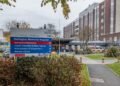
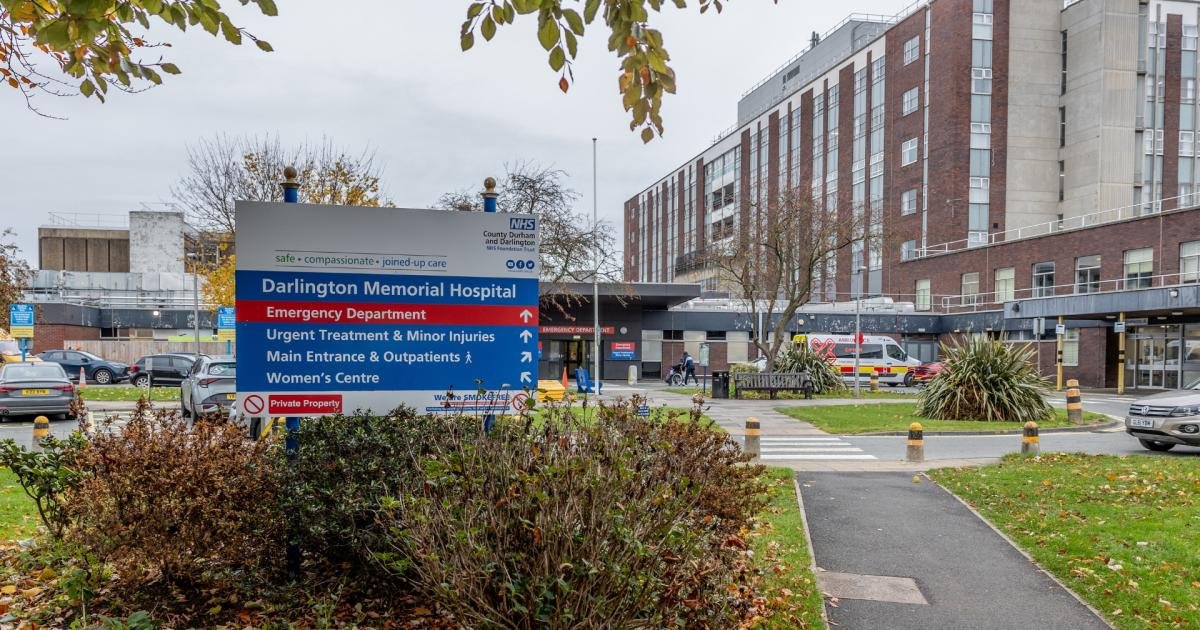
Twenty women underwent mastectomies that were later found to have been unnecessary while receiving breast cancer care at an NHS trust in north-east England, according to findings from an ongoing review into the service. The cases form part of a much wider investigation that has identified hundreds of patients who suffered harm during treatment at County Durham and Darlington NHS Foundation Trust.
The trust has acknowledged serious failings within its breast services and apologised to patients and their families. Its review is examining breast cancer cases treated between January 2023 and February 2025, alongside concerns raised by hundreds of former patients who contacted a dedicated support service.
Of 514 cases examined at the stage reported on 18 September, 315 patients had been found to have suffered harm, including 77 cases classified as significant harm. One patient is known to have died. The review has also identified cases in which breast cancer was missed or diagnosed later than it should have been, with some cancers subsequently spreading.
The figures have intensified concerns about the quality of care provided by the breast unit and the systems that were supposed to identify problems before they could affect large numbers of patients. The National Crime Agency is reportedly working with Durham police to examine allegations made by former patients and determine whether any criminal offences may have occurred. Such an investigation remains separate from the NHS review and any conclusions about criminal liability would depend on the outcome of the relevant inquiries.

The trust’s chief executive, Steve Russell, has expressed regret over the harm suffered by patients and families. He said there had been opportunities for the organisation to listen more carefully and act sooner, while stressing that significant changes had since been introduced within the breast service.
The trust has said its review process is continuing and that it is working to identify patients who may have been affected, provide them with information and offer appropriate support. A further discussion by the trust board is expected to consider the future scope and timeframe of the review.
For women who underwent major surgery, the consequences have extended far beyond the immediate medical treatment. A mastectomy is a major operation involving the removal of breast tissue and can have lasting physical and emotional effects. Being subsequently informed that the operation may not have been necessary can therefore be particularly distressing for patients who believed they were receiving essential cancer treatment.
One woman, identified as Jo, described the moment she learned that further screening and biopsies could have shown that areas of concern were benign. She said she had been left struggling to understand how a procedure involving the removal of her breast could have taken place when, according to the subsequent assessment, it was not required.
Her experience reflects the uncertainty faced by other patients whose treatment is now being reviewed. Cancer diagnosis and treatment can involve difficult decisions, and doctors must often act on information available at the time. However, when a later review identifies a treatment as unnecessary, patients and families may naturally seek explanations about how the decision was reached and whether additional checks could have changed the outcome.
Denise Howarth, 51, from Consett in County Durham, is among those affected. She was diagnosed with stage one cancer in her left breast in February 2023. She initially underwent a lumpectomy and removal of lymph nodes before being told at a follow-up review that she needed a mastectomy.
Howarth subsequently underwent the mastectomy, followed by chemotherapy and radiotherapy. In September last year, she was contacted by the trust and told that the breast removal had not been necessary.
The news came after she had already endured a difficult period in her personal life. She had lost two close relatives and her father had been seriously unwell. She said that, just as she was beginning to concentrate on her own recovery and look towards the future, being told that the operation might have been avoided was devastating.
Howarth has described the experience as life-changing and said that she feels she lost part of the confidence and identity she had before the surgery. Her case illustrates the long-term consequences that can follow a medical decision even after treatment has ended.
The trust has acknowledged that the impact on affected patients is not limited to physical harm. Its public statements have recognised the distress, loss of trust and psychological consequences experienced by patients and families following failures in the breast service.
The organisation has also said that the breast service has undergone substantial changes. Earlier reviews and assessments identified weaknesses in clinical oversight, leadership and governance, prompting the trust to begin a major programme of reform.
The trust says its current breast service operates under a redesigned model intended to strengthen specialist involvement, clinical oversight and adherence to national standards. New specialist staff have been appointed, and changes have been made to the way patients are assessed and their treatment planned.
The continuing review is important because the full scale of the problem may not yet be known. The trust has been examining cases from a defined period while also responding to concerns raised by former patients through a dedicated helpline. More cases may therefore be identified as the review progresses.
The number of patients contacting the service has itself demonstrated the level of concern among people previously treated at the trust. The organisation has maintained a dedicated support line and email service for patients who have questions or concerns about their breast care.
The case has also raised questions about the safeguards that should operate when major breast cancer treatment decisions are made. Breast cancer care can involve imaging, biopsies, pathology, surgery, oncology and other specialist services. Decisions are often reviewed by multidisciplinary teams so that different areas of expertise can contribute to treatment planning.
The existence of a multidisciplinary process does not eliminate the possibility of mistakes, but it is intended to provide additional clinical scrutiny when important decisions are made. The ongoing review will therefore be significant in determining not only what happened in individual cases but also whether broader organisational and governance problems contributed to the failures.
Medical negligence specialists representing some affected women have called for a public inquiry. Rachel O’Connor, from Hudgell Solicitors, said the firm was advising several women who had undergone surgery that they were subsequently told was unnecessary.
A public inquiry would represent a broader form of investigation than an internal clinical review and could examine the history of the service, decision-making processes, governance arrangements and the response to concerns raised by patients and staff. Whether such an inquiry is established remains a matter for the relevant authorities.
The trust has already faced external scrutiny. Previous reviews identified concerns about leadership, governance and the management of breast services, while specialist assessments have also examined aspects of breast imaging. The trust has accepted that serious weaknesses existed and has said it is implementing changes designed to improve safety and accountability.
For patients currently receiving care, the trust has emphasised that the service operating today has been substantially changed from the arrangements that were in place during the period under review. It has said that patient safety, specialist oversight and compliance with national clinical guidance are now central to the redesigned service.
Nevertheless, rebuilding confidence is likely to depend not only on changes to current practice but also on how openly the organisation addresses the experiences of patients who were affected in the past.
The distinction between a clinical error, an unavoidable complication and avoidable harm will be an important part of the continuing review. Cancer treatment is inherently complex, and decisions are sometimes made under difficult circumstances. However, the identification of 20 unnecessary mastectomies and hundreds of other cases involving harm has raised concerns that go beyond individual treatment outcomes.

The reported cases also underline the importance of timely diagnosis. Where cancer is missed or treatment is delayed, the disease can potentially progress, changing the treatment options available to a patient and potentially affecting their prognosis. The trust’s chief executive has acknowledged that some patients in the review were diagnosed late and that their cancers subsequently spread.
For those patients and their families, the consequences can be especially serious because the issue concerns not only the treatment they received but whether opportunities to intervene earlier were missed.
The ongoing investigation will now be closely watched by patients, families, healthcare professionals and regulators. Its findings could help establish how widespread the problems were, why existing safeguards did not prevent them and what further measures may be needed.
At the centre of the case are women who entered the NHS breast service expecting specialist care during one of the most difficult periods of their lives. Some have now been left dealing with the consequences of surgery they say they should never have needed, while others are facing the uncertainty of learning whether their diagnosis or treatment was affected by the problems under investigation.
The trust has apologised and says significant reforms are already under way. But for the affected patients, the continuing review will be about more than institutional change. It will also be about establishing what happened, understanding why it happened and ensuring that the lessons from the failures are reflected in safer breast cancer care in the future.
Related News:
 Barrister Criticises Trial After Suicide Case Verdict
 Undercover officer deceived women with ‘grotesque and cruel’ lies, spycops inquiry told
 Florida Surgeon ‘Devastated’ Over Fatal Surgery Error
 Westminster Council Threatens Charing Cross Soup Kitchen
 BBC Warned About Missing Clothes of Murder Victim
 Cambridge Professor Jason Arday Found Dead at Home
 Internal Exclusions Surge in England’s Schools
 Councils spend £125m on illegal children’s care
 Patriot Platform Raises Concern Across Britain
 Reform UK Receives Record £36m Donation From Crypto Billionaire
 Election Candidate Abuse Raises Alarm in England
 Disabled Travellers Seek Fairer UK Care Rules
 NHS trust fined after woman takes life in mental health unit
 Reeves Rejects £1bn NHS Payout Plea from Streeting
 Study Finds One in Seven England Takeaways Are Dark Kitchens
 Prevent Failings Exposed After Southport Attack
 Synagogue Arson Attempt Sparks Security Fears
 City & Guilds Sale Sparks Fees and Pay Uproar
 NHS Safety Fears as Nurses Cover Doctor Gaps
 Walsall Rapist Jailed After Hate-Filled Online Trail
 Two Children Die in Wolverhampton House Fire Tragedy
 Police Suspect Help in Missing Alice Springs Girl Case
 UK may ban protests amid rising antisemitism fears
 Greens Face Internal Row Over Antisemitism Claims
 City & Guilds Faces Governance Crisis Over Sale
 Immigration Judges Fear Pressure in Trump Era
 Five Toys in UK Found to Contain Asbestos
 Victim says non-custodial rape sentence ‘rock in my face’
 Cornwall Van Dwellers Face Eviction in Housing Crisis
 Murder Probe Continues After Arrest Release
 UK Schools Struggle as Classrooms Top 40C
 London Tube Heat Reaches Dangerous Levels
 RAF Barnham Protests Fuel Tensions in Norfolk Town
 British Museum Faces Questions Over Peter Thiel’s Private Bayeux Viewing
 British Man Faces Deportation Threat in Sweden
 Ministers Condemn Far-Right Unrest in Portsmouth
 British widow says deportation from Sweden feels like a death sentence
 UK Retailers Accused of Breaking Refund Laws
 Piddington Votes for Symbolic Independence Over Asylum Plan
 Nature Access Gaps Expose Inequality Across England
 Lords Call for Tobacco-Style Gambling Ad Ban
 English Hospitals Face Shortage of Health Play Staff
 Mahmood Warns Far Right Over Asylum Protests
 French Taxi Driver Cleared in David Lammy Theft Case After Fare Dispute
 Patients to Test Health at Home to Ease NHS Winter Pressure
 Shouting Works Best to Deter Gulls, UK Study Finds
 Reeves rejects £1bn plea for NHS redundancy payouts
 Major Rent Reform Ends No-Fault Evictions in England
 Stroke Patient Mistaken for Drunk, Care Delayed
 ‘Traumatic Wait’: Northern Ireland Women Face Breast Cancer Delays
 Serial Rapist and Former Cop Found Guilty Again
 Five-Year-Old Dies After Rare Tonsil Surgery Complication
 Fibromyalgia Patients Struggle as NHS Fails to Provide Care
 Virgin Media Fined £23.8m Over Telecare Safety Failures
 More Patients Now Contacting GPs Online, Data Shows
 UK Enforces Junk Food Ad Ban Before 9pm
 Patients Collapsing in NHS Corridors, Watchdog Warns
 Google Employee Claims Redundancy After Harassment Report
 Streeting moves on doctor pay to end strike dispute
 UK reports baby formula toxin poisoning cases across the country
 Placenta Accreta Warning as Hunt Urges Action
 Proposed Law Leaves Gap for Children of Convicted Paedophiles
 Rising Costs Force Families to Rethink Days Out
 Palantir Boss Defends NHS Deal Amid Government Break Clause
 Police Chiefs Under Fire for Failing to Address Racism
 Unions Raise Concerns Over Doctors’ Pay Dispute
 Ben Roberts-Smith Denies War Crime Allegations in First Statement
 Crisis in NHS Surgery Scheduling Hits Patients Hard
 Maldives Cave Diving Tragedy Raises Safety Alarm
 Pope Meets Families in Italy Toxic Waste Zone
 Farage and Reform UK Reshape British Politics
 Clean Air Initiatives Spark Major Fall in London Hospital Admissions
 Labour MP Revives Blocked Assisted Dying Bill in Commons
 British Teens in EU Face Soaring UK University Fees
 New Footage Revives Peter Falconio Mystery
 Burnham unveils £65m drought aid for farmers
 Unions Warn Labour Over Zero-Hours Contract Reforms
 Queue row erupts on Wales’ highest mountain
 Man Arrested in Mississippi Woman’s Death
 Entain Plans 400 Job Cuts After Profit Update