Published: 22 October 2026. The English Chronicle Desk. The English Chronicle Online
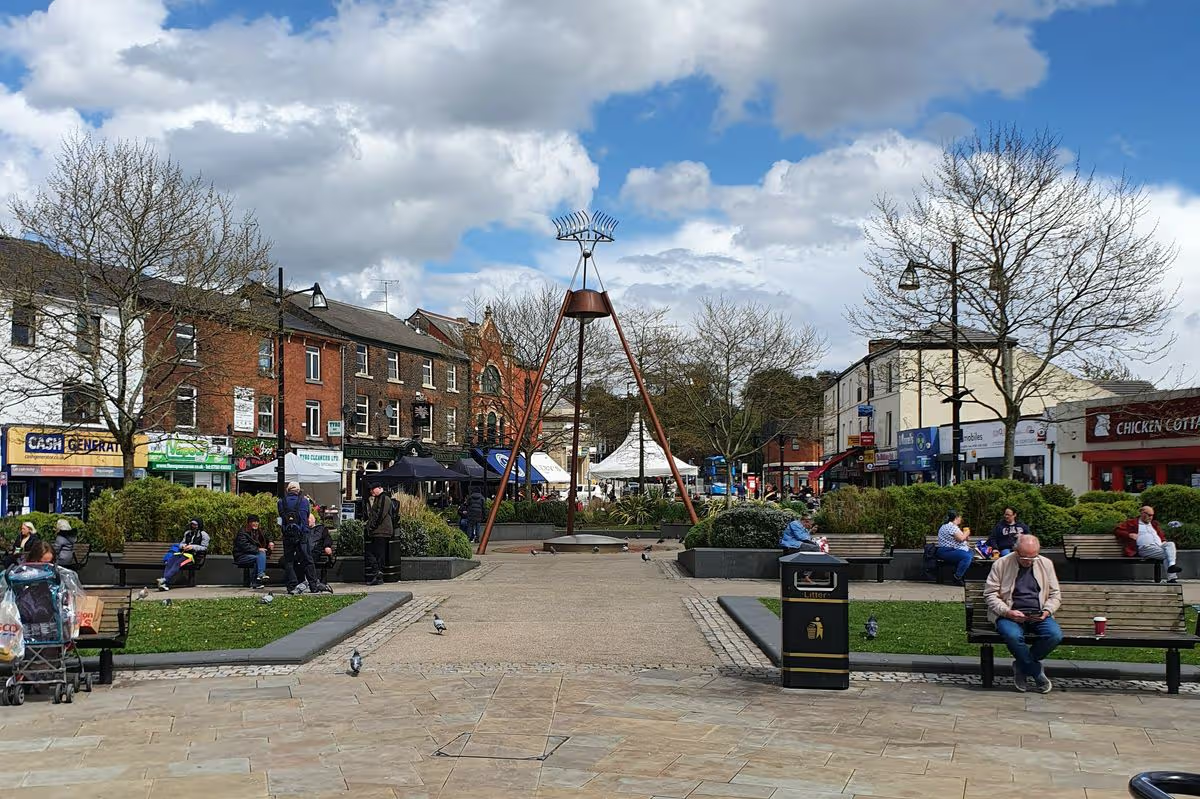
Across post-industrial Britain, towns that once served as the beating heart of the nation’s manufacturing economy have long grappled with deep-seated economic decline, fading high streets, and a pervasive sense of community neglect. A compelling case study in this national existential crisis is Middleton, a Greater Manchester town of fifty thousand residents sandwiched between major urban hubs. Once celebrated for its bustling commercial square, independent grocers, and thriving textile industry anchored by towering architectural landmarks like the historic Warwick Mill, the town has suffered decades of disinvestment, absentee landlords, and corporate flight. However, an ambitious new grassroots and municipal revival initiative spearheaded by local leaders and cultural figures aims to transform Middleton into a pioneering regeneration blueprint for neglected towns across the United Kingdom.
The structural decline of Middleton mirrors the wider trajectory of post-industrial communities throughout Britain. Over the past generation, local residents have watched helplessly as essential banking services vanished, family-run shops shuttered, and community hubs were replaced by vape stores, pawnbrokers, and fast-food outlets. The economic shift toward out-of-town retail parks and internet shopping, compounded by absentee property owners registered in distant offshore jurisdictions, hollowed out the local town centre. The towering presence of Warwick Mill—a magnificent Grade II-listed cotton mill that fell silent decades ago—stood for years as a desolate symbol of abandoned potential, its cavernous shell frequented only by online urban explorers documenting its decay while millions of pounds in local capital were extracted without reinvestment.

Seeking to reverse this compounding cycle of neglect, local leaders and community organizers launched a concerted fightback aimed at rewiring the local economy from the bottom up. Months before stepping into national leadership, Andy Burnham established a dedicated mayoral development corporation specifically for Middleton, granting local stakeholders unprecedented powers to acquire underused derelict land, adjust business rates to support independent traders, and spearhead residential development. Crucially, the initiative is driven by local community empowerment rather than top-down philanthropy, ensuring that residents, small business owners, and civic groups retain a direct voice in shaping the long-term future of their neighborhood.
At the forefront of this community-led renaissance is the acclaimed actor and comedian Steve Coogan, a native son of the area who has partnered with community networks and cooperative leaders to champion public control over everyday essentials and vital infrastructure. Working alongside grassroots groups like Middleton Co-operating, organizers have secured vital funding to pilot local energy resilience projects, including solar installations and heat pump integration across residential terraces and community facilities. Furthermore, plans are underway to reintroduce essential services such as rotating banking hubs and localized healthcare support, directly addressing the systemic gaps left behind by departing corporate giants and private equity owners.
Central to the physical transformation of the town centre is the ambitious rescue and adaptive reuse of the dilapidated Warwick Mill. Following intense municipal pressure, local authorities successfully wrestled ownership of the sprawling structure from an absentee developer, paving the way for a massive architectural and residential overhaul. Experts in urban regeneration note that successfully breathing new life into such a colossal historic anchor has the profound potential to restore civic pride, stimulate surrounding private investment, and catalyze wider economic revival across the entire municipal footprint.
As local organizers, municipal authorities, and community champions forge ahead with their comprehensive renewal strategy, the eyes of urban planners and policymakers nationwide are fixed on Middleton. By combining aggressive land acquisition, community-owned infrastructure, sustainable energy initiatives, and staunch local empowerment, the town’s revival offers a powerful counter-narrative to decades of post-industrial decline. Whether this ambitious blueprint can successfully scale to revitalize struggling high streets across Britain remains to be seen, but for the residents of Middleton, it represents a long-awaited beacon of hope for a prosperous and self-determined future.
The structural decline of Middleton mirrors the wider trajectory of post-industrial communities throughout Britain. Over the past generation, local residents have watched helplessly as essential banking services vanished, family-run shops shuttered, and community hubs were replaced by vape stores, pawnbrokers, and fast-food outlets. The economic shift toward out-of-town retail parks and internet shopping, compounded by absentee property owners registered in distant offshore tax havens, hollowed out the local town centre. The towering presence of Warwick Mill—a magnificent Grade II-listed cotton mill that fell silent decades ago—stood for years as a desolate symbol of abandoned potential, its cavernous shell frequented only by online urban explorers documenting its decay while millions of pounds in local capital were extracted without reinvestment.
Seeking to reverse this compounding cycle of neglect, local leaders and community organizers launched a concerted fightback aimed at rewiring the local economy from the bottom up. Months before stepping into national leadership, Andy Burnham established a dedicated mayoral development corporation specifically for Middleton, granting local stakeholders unprecedented powers to acquire underused derelict land, adjust business rates to support independent traders, and spearhead residential development. Crucially, the initiative is driven by local community empowerment rather than top-down philanthropy, ensuring that residents, small business owners, and civic groups retain a direct voice in shaping the long-term future of their neighborhood through active consultative engagement.
At the forefront of this community-led renaissance is the acclaimed actor and comedian Steve Coogan, a native son of the area who has partnered with community networks and cooperative leaders to champion public control over everyday essentials and vital infrastructure. Working alongside grassroots groups like Middleton Co-operating, organizers have secured vital funding to pilot local energy resilience projects, including solar installations and heat pump integration across residential terraces and community facilities. Furthermore, plans are underway to reintroduce essential services such as rotating banking hubs and localized healthcare support, directly addressing the systemic gaps left behind by departing corporate giants and private equity owners who prioritized short-term financial returns over community stability.
Central to the physical transformation of the town centre is the ambitious rescue and adaptive reuse of the dilapidated Warwick Mill. Following intense municipal pressure, local authorities successfully wrestled ownership of the sprawling structure from an absentee developer, paving the way for a massive architectural and residential overhaul. Experts in urban regeneration note that successfully breathing new life into such a colossal historic anchor has the profound potential to restore civic pride, stimulate surrounding private investment, and catalyze wider economic revival across the entire municipal footprint. Collaborating with specialized urban design firms, local leaders envision a transformed landmark that houses modern residential spaces while paying homage to the industrial heritage that once defined the region.

As local organizers, municipal authorities, and community champions forge ahead with their comprehensive renewal strategy, the eyes of urban planners, sociologists, and policymakers nationwide are fixed on Middleton. By combining aggressive land acquisition, community-owned infrastructure, sustainable energy initiatives, and staunch local empowerment, the town’s revival offers a powerful counter-narrative to decades of post-industrial decline. Whether this ambitious blueprint can successfully scale to revitalize struggling high streets across Britain remains to be seen, but for the residents of Middleton, it represents a long-awaited beacon of hope for a prosperous, self-determined, and economically resilient future.
Related News:
 Reform UK funding: mystery billionaire revealed
 Burnham unveils £65m drought aid for farmers
 Green Leader Targets Starmer’s Former Seat
 Thinktank Calls for Abolition of UK State Pension
 Dale Vince Plans New London-Wide News Operation
 Burnham Opens Door to Possible UK Return to EU
 Badenoch Raises Prospect of 2027 UK Election
 Labour MP Urges Billions for Affordable Homes
 Milburn Proposes Pre-Apprenticeship Route for Young People
 Labour Fears Budget Will Fail to Lift Living Standards
 Bradford Rail Hub Promises Faster Northern Connections
 Trump’s UK Ambassador Urges North Sea Drilling to Strengthen US Ties
 MPs Press Rachel Reeves to Hike Gambling Taxes
 Millionaires group urge Reeves to introduce wealth tax to ‘lift kids out of poverty’
 PM Highlights UK Business at G20 in South Africa
 Starmer Says Labour’s Economic Plan Needs Years to Deliver
 UK Government Borrowing Drops to £11.6bn in December
 UK shelves £110m border project amid trade strain
 UK Sees Record £30.4bn Budget Surplus, Boosting Reeves’ Position
 Reeves Must Back Defence Plan or Face Dismissal, Says Unite Chief
 OBR Reform Row Deepens Before Spring Forecast
 UK Doubles Steel Tariffs to 50% to Protect Domestic Plants
 Rising Costs Force Families to Rethink Days Out
 Kezia Dugdale Warns of Possible Reversal of Equal Rights Gains
 John Terry Faces Backlash Over Political Posts
 Silent Tracks: Rail Line Without Passengers
 UK Urged to Build EU Rejoin Consensus, Says Miliband
 Farage and Reform UK Reshape British Politics
 Starmer Leadership Under Pressure After Setbacks
 Andy Burnham Enlists Economic Heavyweights for Leadership Bid
 UK Nations Brace for Potential Breakup Amid Reform Surge
 Three-Quarters of England’s Riverbanks Still Off Limits
 Unions Warn Labour Over Zero-Hours Contract Reforms
 RAF Barnham Protests Fuel Tensions in Norfolk Town
 UK Subsidence Claims Surge After Record-Breaking Summer
 Reform Faces Fresh Financial Controversy
 UK House Prices Fall as Mortgage Rates Rise
 UK plans tougher Israel stance with settlement trade ban
 Councils spend £125m on illegal children’s care
 UK Retailers Accused of Breaking Refund Laws
 UK Pay Growth Slows to 3.9% as Rate Decision Nears
 Bank Urged to Slow Bond Sales as UK Costs Rise
 Mayors Could Gain Greater Powers Over Water Firms
 Tom Watson Takes Senior Role at Palantir
 Mahmood Warns Far Right Over Asylum Protests
 Disabled Travellers Seek Fairer UK Care Rules
 UK Rent Gap Puts Low-Income Families Under Pressure
 Lib Dems Prepare for Election Amid Reform Challenge
 Reform UK Faces Internal Debate Over £72m Spending
 Labour Apprenticeship Scheme Faces Slow Start
 Trump and Mamdani Hold Cordial Gracie Mansion Meeting
 King Refers Jamaica Slavery Petition to Privy Council
 MPs Defend UK Economic Watchdog Against Critics
 Frome Community Loses Bid for Major Regeneration Site
 The Tests Awaiting Andy Burnham After Labour Conference
 Free Speech Emerges as Key UK Election Issue
 Avanti West Coast Set for Public Ownership in March
 UK University Strikes Spread as Financial Pressure Grows
 Poundland Rescue Bid Could Protect 11,000 Jobs
 Drumcree Talks Falter as Legal Challenge Deepens
 UK-France Returns Deal Faces Expiry as Talks Stall
 Healey urged to act as UK energy bills rise 4%
 Green Party faces dispute over Zionism motion
 BT Broadband Pauses Raise Digital Switchover Concerns
 Gosport Protesters Clash With Police Over Migrant Rescue
 Labour Wins Key London By-election as Greens Fall Short
 UK Water Firms Earn Millions From Industrial Wastewater
 Turkey Rules Out Troops in Saudi Arabia’s Houthi Conflict
 UK Must Build Its Own AI to Protect National Security
 UK Greens Face Crisis Over Zionism and Extremism Row
 IFS Warns UK Budget Faces £35bn Spending Gap
 Millions Face Tougher Medicaid Rules From January
 UK Could Rejoin EU Through a Switzerland Plus Deal
 Jenrick Defends Farage Amid Fresh Reform Racism Claims
 Brexit Debate Returns as UK Voters Reconsider EU Exit
 UK Plans Higher Training Costs for Older Apprentices
 Up to 20 English Maternity Units Face Possible Closure
 UK Pledges Stronger Protections for Disabled Air Passengers
 Milan Luxury Stores Shut as Italy Plans Troop Deployment
UK Borrowing Hits £24.5bn Ahead of Healey’s Budget