Published: 15 October 2026. The English Chronicle Desk. The English Chronicle Online
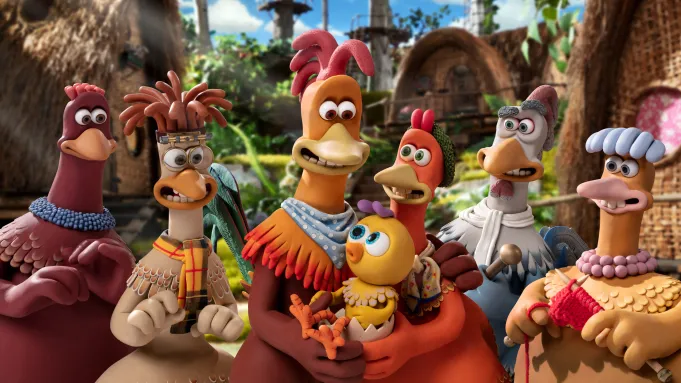
Aardman, the British animation studio behind the internationally loved characters Wallace and Gromit and Shaun the Sheep, has reduced its annual losses substantially but failed to achieve its target of returning to profitability in 2025. The employee-owned company increased its revenue despite production delays and difficult trading conditions in the children’s entertainment market, highlighting the financial challenges facing even well-established creative businesses.
The Bristol-based studio had hoped to record a modest profit after suffering losses in the previous two financial years. However, its latest accounts show that it recorded a loss of £1.1 million for 2025, an improvement on the £4.1 million loss reported a year earlier. Revenue rose by 8% to £20.4 million, suggesting that the business continued to generate significant commercial activity despite its difficulties.
The results offer a mixed picture for one of Britain’s most recognisable animation companies. Aardman’s distinctive stop-motion productions have attracted audiences across generations, while its characters have become familiar figures in British popular culture. Yet the studio’s latest financial performance demonstrates that creative success does not automatically translate into consistent profits, particularly when production schedules, deal timings and operating costs place pressure on a company’s finances.

Aardman attributed the shortfall partly to delays in production and what it described as a “challenging market” for children’s content. The timing of several significant commercial deals also affected the results, alongside weaker income in certain parts of the business. Although revenue increased, these pressures meant the studio was unable to meet its ambition of moving back into the black.
The improvement in its financial position nevertheless represents progress compared with the previous year. Cutting the annual loss from £4.1 million to £1.1 million indicates that the company has narrowed the gap between its income and expenditure. However, the continued deficit means it must still find ways to strengthen profitability while maintaining the creative standards that have helped establish its reputation.
Aardman has already begun reshaping its business in response to changing market conditions. In 2024, the studio introduced a five-year business plan focused on investing more heavily in its intellectual property and reducing costs. The strategy reflects the importance of building long-term value from characters and productions that can generate income through films, television, merchandise, exhibitions and other forms of entertainment.
Intellectual property is particularly important for an animation studio whose best-known characters have developed enduring commercial appeal. Wallace and Gromit, Shaun the Sheep and Morph are not simply characters appearing in individual productions; they form part of a wider creative portfolio that can support new projects and reach audiences through different platforms.
However, developing successful animation requires substantial time, specialist skills and careful production planning. Stop-motion animation, in particular, can be labour-intensive because physical models and sets are photographed frame by frame to create the illusion of movement. Production delays can affect delivery schedules and the timing of payments, making it difficult for studios to manage income consistently from one financial year to another.
Aardman will be looking to new projects and public engagement to support its future performance. Among its recent initiatives is an exhibition at London’s Lightroom venue exploring the studio’s 54-year history. The immersive presentation offers audiences an opportunity to experience the characters, craftsmanship and creative processes behind its productions, while potentially creating an additional source of commercial activity beyond traditional film and television releases.
The studio has also been supported by the continuing popularity of Shaun the Sheep. A third film in the franchise, *Shaun the Sheep: The Beast of Mossy Bottom*, was released in September 2026. New releases can help strengthen a studio’s visibility, create opportunities for licensing and merchandise, and encourage audiences to reconnect with established characters.
Another project is bringing a fresh dimension to the famously silent character Gromit. An audiobook adaptation of his autobiography, read by actor Martin Freeman, is due to reach audiences in October. The project illustrates how familiar characters can be developed across different entertainment formats without abandoning the identity that made them popular.
One of Aardman’s most significant recent successes was *Wallace & Gromit: Vengeance Most Fowl*, which broke viewing records over Christmas 2024. The film became the most-watched animated film broadcast on British television since 2002, demonstrating the continuing strength of the franchise and its appeal to a broad domestic audience.
The production also won two BAFTA awards and received an Oscar nomination for best animated feature film. Such recognition reinforces Aardman’s standing as a major force in British animation and demonstrates the creative value of its established properties. However, the studio’s latest accounts show that even award-winning productions and strong audience figures cannot eliminate the financial uncertainty associated with the wider business.
The company has also taken steps to manage its cost base. Its annual accounts reveal that the workforce contracted during the 2025 financial year, with total headcount falling from 297 to 230 people. The number of permanent employees declined from 128 to 110.
Aardman also carried out another strategic review in early 2026 in response to inflationary cost pressures. The review resulted in several redundancies, indicating that the company has continued to assess how its operations can be sustained in a difficult market.
Workforce reductions can help businesses control expenditure, but they may also create uncertainty for employees and place additional demands on the people who remain. For a studio whose reputation depends on specialist creative skills, maintaining the right balance between financial discipline and investment in talent is particularly important. Its ability to deliver future productions will depend on preserving the craftsmanship and collaborative working practices that distinguish its output.
The company has also identified artificial intelligence as a significant risk and uncertainty for its business. Its accounts acknowledge that AI and generative AI are reshaping parts of the creative industries, offering opportunities to improve workflows and support innovation while raising important questions about legality, ethics and authorship.
Aardman has stressed that the technology should be developed and used responsibly and selectively. Its stated position is that AI should support and celebrate human creativity and craftsmanship rather than replace them. This approach reflects a broader debate across the entertainment industry about how emerging tools should be incorporated into established creative processes.
For animation studios, AI could potentially assist with selected technical tasks and help streamline aspects of production. At the same time, questions remain about the ownership of training material, the protection of artists’ work, the attribution of creative contributions and the effect of automation on employment. These issues are especially significant for companies whose commercial identities are closely associated with distinctive artistic techniques and the work of skilled animators.
Aardman’s emphasis on human creativity is consistent with its history. Founders Peter Lord and David Sproxton began experimenting with animation as teenagers before selling their first short film, featuring a superhero called Aardman, to the BBC programme *Vision On* in 1972. Their early work helped establish the foundations of a studio that would eventually become one of the country’s best-known animation businesses.
The company created Morph for the children’s television programme *Take Hart* in 1977. It subsequently broadened its appeal through Channel 4’s *Conversation Pieces* series, while animators including Nick Park helped develop the Wallace and Gromit films that brought the studio international recognition.
Aardman’s development over more than five decades demonstrates how a small creative enterprise can grow into a globally recognised brand while retaining a distinctive production style. Its long-term challenge is to preserve that independence and artistic identity while responding to shifts in audience behaviour, production costs and the economics of the entertainment industry.
The company became employee-owned in 2018, when Lord and Sproxton transferred majority ownership to staff in an effort to protect its independence. The structure gives employees a direct stake in the business and reflects the founders’ commitment to safeguarding the studio’s future. Both founders were knighted earlier in 2026, recognising their contributions to animation and British creative industries.
Employee ownership may help maintain a long-term focus on the studio’s values, but it does not remove the need for sound financial management. Continued losses can restrict the resources available for new productions, investment and workforce development. The improvement in Aardman’s latest results is therefore encouraging, although the company must still demonstrate that its strategy can deliver sustainable profits.
The next phase will depend on whether new releases, licensing opportunities, exhibitions and other projects can generate sufficient income to offset production expenses and inflationary pressures. Aardman’s established characters provide a valuable foundation, but the timing of commercial agreements and the performance of individual projects will continue to influence annual results.

The studio’s latest accounts ultimately reveal a business balancing a celebrated creative legacy against the practical demands of operating in a competitive market. Revenue growth and a substantially smaller loss indicate progress, but the failure to return to profit in 2025 shows that its recovery remains incomplete.
For Aardman, the priority will be to turn its enduring audience appeal into more reliable financial performance without compromising the craftsmanship that defines its work. As the company develops new stories and explores changing production technologies, its ability to protect creative quality while managing costs will be central to its future. The studio remains an important part of Britain’s animation industry, but its next challenge is to ensure that commercial sustainability keeps pace with its creative achievements.
Related News:
 BBC Three and Scotland Face Online-Only Future
 Oprah enjoys Meghan’s jam on English muffins
 UK Pushes NHS and MoD to Buy British Tech
 Reform UK funding: mystery billionaire revealed
 UK firms accused of ‘AI washing’ boom
 Cannes filmmakers split over AI’s role in cinema
 Is This the End of Harry and Meghan’s US Dream?
 UK Risks Falling Behind in AI Race
 London Launches First Self-Driving Taxis
 Tom Watson Takes Senior Role at Palantir
 Taylor Swift and Madonna Lead 2026 MTV VMAs
 Pelicot Trial Play Comes to London for One Night
 Bank Chief Calls for Power to Intervene in AI
 Drax Datacentre Faces Major Carbon Emissions Concerns
 UK Must Build Its Own AI to Protect National Security
 Breaking Bad Actor RJ Mitte Dies at 34
 Reeves Faces Setback as Labour May Miss Homes Target
 Kate Winslet to Narrate Film Highlighting King’s Environmental Mission
 Trump’s UK Ambassador Urges North Sea Drilling to Strengthen US Ties
 M&S Profits More Than Halve After Cyber-Attack
 Millionaires group urge Reeves to introduce wealth tax to ‘lift kids out of poverty’
 From Lego to Pokémon: How Adults Are Driving UK Toy Market Growth
 Starmer Says Labour’s Economic Plan Needs Years to Deliver
 Virgin Media Fined £23.8m Over Telecare Safety Failures
 Starmer Faces Parliamentary Battles Over UK-EU ‘Reset’ Plan
 ScottishPower Tops List of Worst UK Energy Suppliers
 City & Guilds pay surge sparks backlash amid £22m cuts
 AI job losses UK: Britain faces sharper employment shock
 John Lithgow criticises Rowling stance in trans debate
 UK Unemployment Rate Climbs to 5.2% Peak
 UK shelves £110m border project amid trade strain
 Switching Energy Deal Can Save £200 as Price Cap Falls
 Rachel Reeves Faces Middle East Conflict Test
 Grocery Inflation Rises Amid War Fears
 BrewDog sold Highland estate for knockdown price after abandoning reforestation plans
 UK Energy Reform Could Cut Bills by £200
 Rising Costs Force Families to Rethink Days Out
 Ticketmaster Fees Rise Despite Recent US Junk Fee Crackdown
 Scott Mills Sacked by BBC Over Personal Conduct Claims
 Army Probes Apache Flyover at Kid Rock’s Nashville Estate
 Aegon Sells Historic UK Arm to Standard Life for £2bn
 UK Staycations Rise as Travel Fears Grow
 Silent Tracks: Rail Line Without Passengers
 Lotus Boss Pledges Future to Norfolk and Seeks State Support
 UK Firms Freeze Spending as Iran Conflict Bites
 Reeves to Fast-Track Clean Energy Amid Iran Crisis
 Tube Strike Brings Capital to a Standstill Over Shift Disputes
 Tube Strike Brings Capital to a Standstill Over Shift Disputes
 BP Stands Firm on Amanda Blanc Amid Boardroom Storm
 UK House Prices Drop For Third Month Due To War Fears
 EU Slashes Steel Quotas But Grants UK Favourable Rates
 Sainsbury’s Boss Optimistic As Grocery Inflation Eases
 Burnham unveils £65m drought aid for farmers
 Unions Warn Labour Over Zero-Hours Contract Reforms
 British Museum Faces Questions Over Peter Thiel’s Private Bayeux Viewing
 Bayeux Tapestry Revives Franco-British Ties
 Billionaire Chris Rokos poised to leave UK
 UK plans tougher Israel stance with settlement trade ban
 JPMorgan Boss Warns Against UK Bank Tax Rise
 UK Retailers Accused of Breaking Refund Laws
 UK Rent Gap Puts Low-Income Families Under Pressure
 Calls Grow to Expand UK National Wealth Fund
 MPs Defend UK Economic Watchdog Against Critics
 Roman Finds Reveal Bath’s Suburban Past
 Trump gives Xi red-carpet welcome as trade truce extends
 AO Acquires Jessops in Camera Retail Expansion
 Xi urges Trump to avoid US-China military conflict
 Frome Community Loses Bid for Major Regeneration Site
 The Tests Awaiting Andy Burnham After Labour Conference
 UK University Strikes Spread as Financial Pressure Grows
 Burnham Opens Door to Possible UK Return to EU
 Sheikh Tahnoon and the UAE’s AI Ambitions
 Healey urged to act as UK energy bills rise 4%
 UK house price growth slows as mortgage rates rise
 Badenoch Raises Prospect of 2027 UK Election
 North Sea Strike Threatens UK Fuel Supplies
 UK house prices stall as mortgage costs rise
 Royal Mail Plans Up to 2,500 Job Cuts
 UK Water Firms Earn Millions From Industrial Wastewater
 Healey Plans £1bn Online Marketplace Tax Crackdown