Published: 07 November 2026. The English Chronicle Desk. The English Chronicle Online
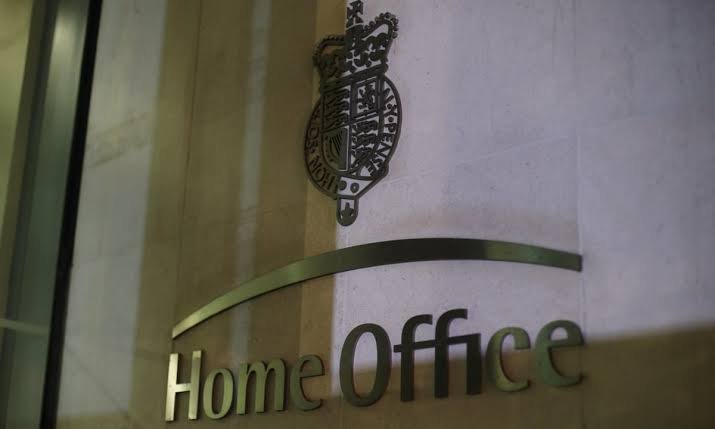
The UK Home Office is facing a fresh legal challenge over its treatment of European Union citizens who were previously granted permission to remain in the country following Brexit. Campaign group the3million has taken the government department to the High Court, arguing that almost 1,500 EU citizens have had some or all of their residency rights withdrawn after being informed that their original pre-settled status decisions were made in error.
The legal action raises serious questions about the protection of EU citizens under the Brexit Withdrawal Agreement and whether the Home Office has followed the necessary legal procedures before removing rights that people have relied upon to build their lives in Britain. At the centre of the dispute is the campaign group’s argument that individuals should not lose their residency protections without a fair assessment of their circumstances and an opportunity to appeal.
The3million submitted court papers on Friday, 6 November, challenging what it describes as the Home Office’s grant-in-error policy. Under the policy, some individuals who previously received pre-settled status under the EU Settlement Scheme have been told that the decisions were incorrect and that they were not entitled to the rights originally granted to them.

According to the group’s legal claim, the Home Office has removed or restricted the rights of affected individuals without providing the procedural safeguards required under the Withdrawal Agreement. These safeguards include the right to appeal and an assessment of proportionality, which would consider whether withdrawing someone’s rights is appropriate in light of their personal circumstances and the life they have established in the UK.
The campaign group argues that a person’s residency status cannot simply be withdrawn on the basis of an administrative conclusion that an earlier decision was mistaken. It says authorities must consider the consequences of such a decision, particularly where individuals have lived, worked, studied, paid taxes and developed family and professional relationships in Britain after receiving official permission to stay.
For many affected people, the issue is not merely a question of immigration paperwork. Their ability to remain in the country is closely connected to employment, family stability, education, housing and long-term financial security. Losing residency rights can create uncertainty about whether they can continue working, accessing services or maintaining the lives they have built over several years.
One case highlighted in the dispute involves a 33-year-old Brazilian-born Italian engineer who has lived in London since 2018. He was initially informed that he should not have received settled status. Although he could remain in the UK, his Brazilian wife was told she did not have the right to stay.
The decision created a difficult situation for the couple, raising concerns about the possibility of family separation. Following objections and further representations, the Home Office reversed its position in recent weeks. The case has become an example of how an administrative decision can have consequences extending beyond the individual whose immigration status is being reviewed.
Another affected person is a woman employed by the National Health Service while pursuing a PhD in dentistry. She said the Home Office notification had turned her life upside down, reflecting the anxiety experienced by people who believed their immigration position had already been settled.
The dispute has also drawn attention to the treatment of Brazilian-born individuals who have Italian ancestry. Under Italian law, citizenship can be recognised through jure sanguinis, a principle under which people may acquire Italian citizenship by descent from an Italian parent or qualifying ancestor. In certain circumstances, citizenship is recognised from birth, even if the individual has not previously obtained an Italian passport.
However, several people with Italian parents or grandparents were reportedly informed by the Home Office that their pre-settled status had been granted incorrectly because they had not presented an Italian passport when submitting their applications. They had instead declared that they were Italian citizens.
The issue became particularly complicated for some applicants during the coronavirus pandemic. They argued that lockdown restrictions and the disruption of public institutions made it difficult or impossible to obtain the necessary Italian passports and supporting documents. As a result, individuals who believed they were legally entitled to Italian citizenship faced difficulties proving their status through the documents requested by British authorities.
In October 2026, the Home Office accepted that people who provide evidence of Italian citizenship alongside documentation establishing that their citizenship was acquired through jure sanguinis would be recognised as Italian citizens from birth. The change represented a significant adjustment to the department’s position and strengthened the campaign group’s argument that earlier decisions may have been based on an unnecessarily restrictive interpretation of citizenship evidence.
Monique Hawkins, acting chief executive of the3million, criticised the Home Office’s approach, arguing that affected individuals were being denied essential legal protections because the department had already decided they were not covered by the Withdrawal Agreement.
She said the government was effectively putting the cart before the horse by refusing to provide safeguards such as a fair assessment and a right of appeal. Comparing the approach to a criminal justice process, Hawkins argued that someone should not be denied a trial simply because authorities believe they are clearly guilty.
The campaign group maintains that the Home Office’s recent change concerning Italian citizens by descent demonstrates that government policy can be corrected when errors are identified and challenged. It believes that the same principle should apply to other individuals whose residency rights have been withdrawn or restricted.
In its High Court claim, the3million argues that the grant-in-error policy is unlawful because it breaches the Withdrawal Agreement and potentially conflicts with common law principles. The group is asking the court to declare the policy unlawful and issue an appropriate order requiring the Home Office to remove or amend the disputed provisions of its published guidance.
The legal challenge also focuses on the way the EU Settlement Scheme was originally designed and administered. Following Brexit, the scheme allowed eligible EU citizens and their family members to secure their rights to live in the UK. The British government introduced certain forms of evidential flexibility and discretionary decision-making to make the application process more accessible.
According to Hawkins, this flexibility created situations in which individuals received status through different administrative routes. Some applicants may have met the substantive requirements of the Withdrawal Agreement, while others may have qualified under the UK’s domestic immigration rules. In some cases, caseworkers may have accepted alternative evidence or exercised discretion when assessing applications.
The campaign group argues that many status holders have no practical way of knowing precisely why their applications were approved. They may not be able to establish whether their status was granted because they fulfilled the requirements of the Withdrawal Agreement, met domestic immigration criteria, benefited from evidential flexibility or received a decision that the Home Office now considers genuinely mistaken.
The3million believes that this uncertainty makes it particularly important for the government to provide transparent assessments and meaningful appeal rights before withdrawing any previously granted protection.
The latest case is not the first major legal dispute involving the Home Office’s implementation of the Brexit Withdrawal Agreement. In 2022, the department faced legal action from the Independent Monitoring Authority, the statutory watchdog responsible for overseeing the protection of citizens’ rights under the agreement. The3million supported that challenge, which concerned rules requiring EU citizens with pre-settled status to apply again for settled status when their existing permission expired.
The watchdog argued that the rules placed people at risk of losing important rights, including the ability to work and rent accommodation. High Court judges ruled in favour of the Independent Monitoring Authority, concluding that the Home Office’s approach was unlawful.
That earlier judgment has become an important part of the wider debate over how Britain fulfils its commitments to EU citizens following its departure from the European Union. The latest challenge could once again test the legal boundaries of the government’s immigration powers and the extent to which individuals can rely on residency decisions made by public authorities.
For the nearly 1,500 people reportedly affected by the current policy, the outcome could have significant consequences. A successful challenge may require the Home Office to reconsider its approach and provide stronger procedural protections before removing rights previously granted under the EU Settlement Scheme. It could also influence how future cases involving disputed immigration decisions are handled.

The Home Office has declined to comment on the allegations, stating that legal proceedings are ongoing. The court will now be asked to consider whether the department’s policy complies with the obligations established under the Brexit Withdrawal Agreement and the principles of fair administrative decision-making.
Beyond the legal arguments, the case highlights the continuing uncertainty experienced by some EU citizens more than six years after the UK’s departure from the European Union. Many made long-term decisions about employment, family life and their futures based on the immigration status granted to them by British authorities. For them, the central concern is whether those decisions can now be reversed without a proper opportunity to challenge the government’s position.
The proceedings are therefore likely to attract close attention from EU citizens, immigration lawyers and organisations monitoring the implementation of post-Brexit rights. At stake is not only the legality of one Home Office policy but also the broader question of how a government should treat people who have organised their lives around official decisions made in good faith.
Related News:
 King Refers Jamaica Slavery Petition to Privy Council
 Burnham Opens Door to Possible UK Return to EU
 Drumcree Talks Falter as Legal Challenge Deepens
 UK-France Returns Deal Faces Expiry as Talks Stall
 Farage Rejects Claims Reform Would Let Troops Shoot Migrants
 King Charles Faces Reparations Protests at Antigua Summit
 English Mayors Warn Police Merger Could Weaken Local Policing
 UK and EU Signal Fresh Push for Defence Cooperation Talks
 UK may ban protests amid rising antisemitism fears
 Farage and Reform UK Reshape British Politics
 Starmer Leadership Under Pressure After Setbacks
 Le Pen’s Popularity Holds Despite Conviction
 Exeter Approves Saudi Military Training Partnership
 Green Leader Targets Starmer’s Former Seat
 Masked Protesters Bring Dover Port Traffic to Standstill
 UN expert urges UK to rethink Israel policy
 UK plans tougher Israel stance with settlement trade ban
 Miliband Rejects Chief Rabbi’s West Bank Warning
 Patriot Platform Raises Concern Across Britain
 Reform UK Receives Record £36m Donation From Crypto Billionaire
 Election Candidate Abuse Raises Alarm in England
 Mahmood Warns Far Right Over Asylum Protests
 Disabled Travellers Seek Fairer UK Care Rules
 Lib Dems Prepare for Election Amid Reform Challenge
 Briton Faces Cyprus Court Over Son’s Fatal Fall
 UK Reviews Hague Child Abduction Cases Involving Abuse
 UK Pauses Chagos Deal Amid US Opposition
 Elif Eralp Emerges as Berlin’s Next Political Force
 Far-Right Activist Arrested After Channel Dinghy Incident
 Portadown protest ends after tense Orange Order standoff
 Free Speech Emerges as Key UK Election Issue
 Three Die in Channel Crossing Attempt Near France
 French Student Protests Escalate Into Violent Clashes
 Green Party faces dispute over Zionism motion
 Drumcree Talks End Without Agreement Ahead of Appeal
 Badenoch Raises Prospect of 2027 UK Election
 French School Protests Escalate as 400 Schools Close
 Latin America women fear rollback of rights
 Gosport Protesters Clash With Police Over Migrant Rescue
 UK Mission in East Jerusalem to Remain Open
 Labour Wins Key London By-election as Greens Fall Short
 Burnham Rises as Farage and Polanski Face Setbacks
 Labour Beats Greens in Crucial London By-election
 Controversial Vaccine Trial Approved in Guinea-Bissau
 Delhi Detains Protest Leaders as Youth Rally Escalates
 UK Gaza Refugee Route Criticised Over False Hope Claims
 UK Greens Face Crisis Over Zionism and Extremism Row
 Ohio Airports Become Key Hubs for ICE Deportation Flights
 England and Wales Begin Second Wave of Early Prison Releases
 Brazil Cuts Working Week to 40 Hours in Lula Election Boost
 Gadi Eisenkot: Israel’s Anti-Netanyahu Challenger
 Talarico Faces Tough Voter Test in Texas Senate Race
 UK Could Rejoin EU Through a Switzerland Plus Deal
 UK Visa Refusal Threatens Baby’s Family Christmas
 Macron Condemns Violence as France Faces 2,400 Arrests
 UK Pledges Stronger Protections for Disabled Air Passengers
 Suu Kyi Appears in Rare Photos After Royal Gift
 Zelenskyy Accuses US of Delaying Ukraine Missile Supplies
 Fifth Foreign Firm Withdraws From Jerusalem Cable Car Plan
 Milan Braces for Unrest as Debate Intensifies Over Lost Generation
 Greens Face Leadership Test as Jordon Steele-John Misconduct Claims Leave Party in Limbo
 MoD Seeks Out-of-Court Resolution in LGBT Veterans Compensation Fight
 Briton Faces Deportation from Sweden and Separation from Infant Son
 US Midterms Could Reshape Trump’s Second Term
 Serbia’s Student Victory Sparks a ‘Smell of Freedom’
 Trump’s Midterm Campaign Faces Racism and Political Backlash
 UK Land Registry Plan Faces Opposition From Landowners
 Albania Introduces $6,000 Fines for Violent Protests
 Montenegro Embassy Sparks London Neighbourhood Legal Row
 Ministers Clash Over Mahmood’s Migration Reforms
 Bedouin Women Drive Historic Arab Election Gains
 European Peacekeepers Could Return Fire in Ukraine
 Australia Reviews UK Visa Rules Amid Worker Influx
 Henry Nowak Family Rejects Political Use of His Death
 Exiled Journalists Defy Putin’s Growing Media Crackdown
 UK Parliament Faces Risk of Notre Dame-Style Fire
 Hanson Takes Racial Discrimination Case to High Court
 Judge Blocks Trump’s $100m Washington Arch Project
 UK Employers to Be Forced to Publish Job Salaries
 Early-Release Prisoners Face Rising Risk of Homelessness