Published: 30 October 2026. The English Chronicle Desk. The English Chronicle Online
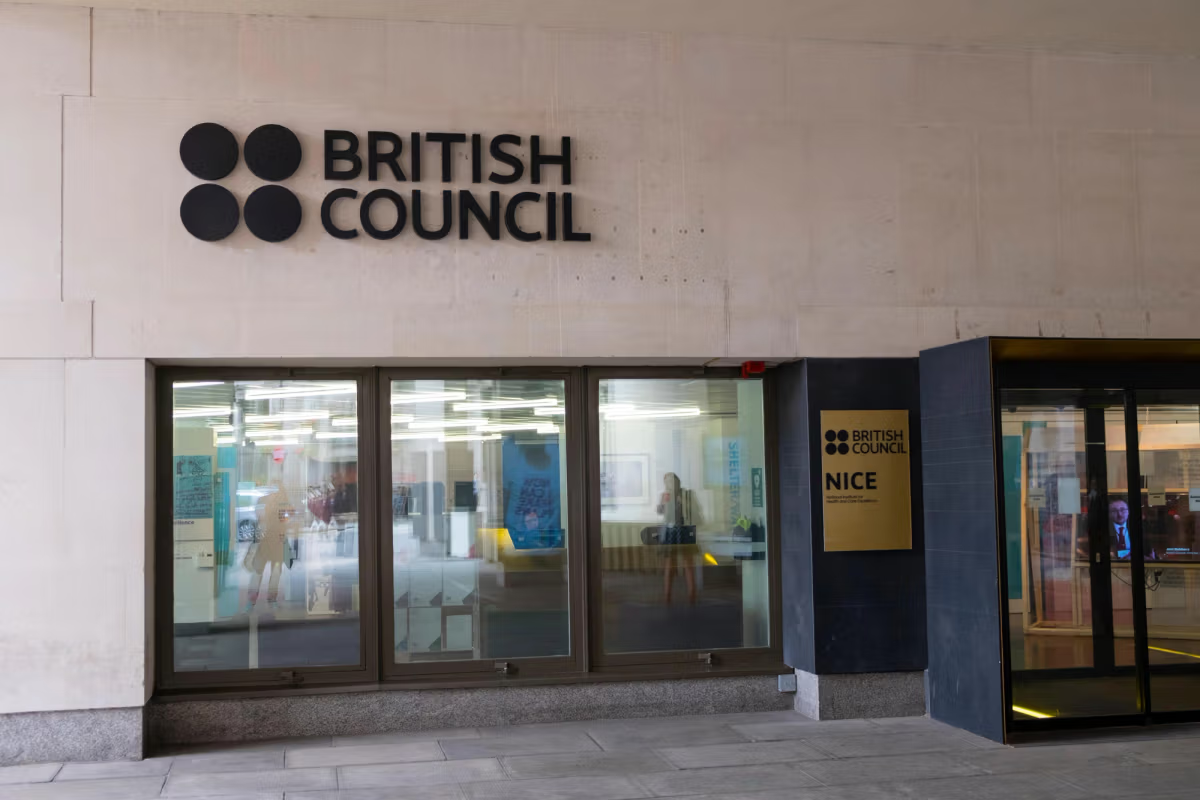
British lawmakers have called on the UK government to consider writing off most of the British Council’s £197m debt, warning that the organisation’s financial future remains precarious despite years of cost-cutting, job losses and the sale of valuable assets.
The recommendation comes from the House of Commons Public Accounts Committee, which has urged the Foreign, Commonwealth and Development Office to develop a clearer long-term strategy for the organisation and recognise the value it provides to Britain through cultural diplomacy, education and international relations.
The committee said ministers should examine whether the debt could be converted, at least in large part, into a grant or another form of government support. MPs argued that treating the British Council primarily as a debtor fails to take sufficient account of the organisation’s wider contribution to Britain’s international influence.
The British Council is one of the UK’s most recognisable institutions abroad. Through teaching English, supporting education and developing cultural relationships, it has operated as an important instrument of British soft power for decades.

The organisation operates in almost 100 countries and says its work reaches more than 700 million people each year. Its activities range from English-language teaching and examinations to educational programmes and cultural exchanges.
Yet the institution has been under intense financial pressure since the coronavirus pandemic disrupted its international operations.
During the pandemic, restrictions on travel and the closure of educational institutions severely affected the British Council’s overseas teaching and examinations business. The organisation subsequently received a £60m loan from the Foreign Office under the Conservative government led by Boris Johnson.
The loan was agreed on commercial terms and was originally expected to be repaid in 2026. However, the financial situation has made repayment increasingly difficult, and the arrangement was restructured so that the debt can now be cleared over a period of 15 years.
The loan has grown dramatically since it was first issued. According to the Public Accounts Committee, the amount now stands at approximately £197m.
That growing debt has become one of the central issues surrounding the organisation’s future.
The British Council has already undertaken significant restructuring in an attempt to stabilise its finances. About one-third of its workforce has been eliminated, while historic properties and other assets have been sold to raise funds and reduce costs.
Further reductions are planned.
The organisation’s current turnaround strategy includes another 25% reduction in staffing, additional asset sales and the closure of operations in nine countries. These measures would bring the overall number of employees substantially below the level recorded before the pandemic.
More than 2,000 full-time equivalent positions have already been lost since 2021. If the latest restructuring plans are implemented, the organisation’s workforce will have fallen by almost half compared with 2020.
The scale of the cuts has generated significant concern among British Council staff.
Employees in several European countries have staged strikes and protests over restructuring plans and the sale of historic properties. Staff and unions have argued that continued reductions could undermine the organisation’s ability to perform the international cultural and educational role for which it is known.
The Public Accounts Committee has now called for a different approach from government.
Rather than focusing solely on the council’s debts and financial performance, MPs believe ministers should consider the broader strategic value of the organisation.
The committee estimates that the British Council’s contribution to UK soft power could be worth around £1bn a year. Soft power refers to a country’s ability to influence others through culture, education, diplomacy, reputation and relationships rather than through military or economic pressure alone.
The British Council has long been central to that approach.
Its English-language programmes allow people around the world to develop skills connected to Britain’s education system and economy. Its cultural programmes create relationships between British institutions and organisations overseas, while its education work supports connections between students, teachers and professionals.
The organisation therefore occupies an unusual position within the UK public sector.
It is an arm’s-length body of the Foreign, Commonwealth and Development Office, but it is also a registered charity and a commercial organisation. Its financial model depends heavily on income generated through teaching and examinations.
Government funding represents only a portion of its annual revenue.
Grant-in-aid from the Foreign Office accounts for roughly 15% of the organisation’s income and is used to support its charitable objectives, including cultural relationships, the English language and education.
The majority of its revenue comes from commercial activities, particularly English-language teaching and examinations.
That model worked relatively effectively before the pandemic, but the disruption to international travel and education exposed the organisation’s vulnerability.
The Public Accounts Committee warned that the British Council’s future remains uncertain even after extensive efforts to reduce expenditure.
According to the committee, the organisation does not expect to generate an operating surplus until the 2029–30 financial year. That means several more years of financial pressure could lie ahead.
MPs believe the Foreign Office needs to provide greater clarity about what it wants the British Council to become.
The committee criticised what it described as a lack of a “positive vision” for the organisation and urged the Foreign Office and British Council to work together on a long-term strategy.
The relationship between the two organisations has reportedly been affected by a lack of trust. MPs called for a more collaborative approach, arguing that both sides need to recognise their shared interests.
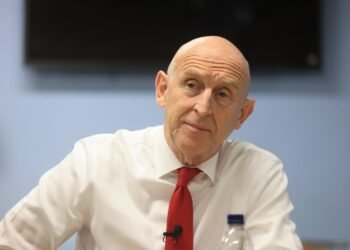
Geoffrey Clifton-Brown, chair of the Public Accounts Committee, said the British Council needed government assistance to continue its international work rather than being treated simply as a debtor.
The comments reflect a wider debate about how Britain should use its international institutions in an increasingly competitive global environment.
Countries around the world are investing heavily in cultural diplomacy, educational exchanges and international engagement. For Britain, organisations such as the British Council provide a way to maintain relationships and influence without relying exclusively on traditional diplomatic structures.
The question is therefore whether the financial cost of supporting the British Council should be considered alongside the strategic value generated by its activities.
Those arguing for debt relief say the government benefits from the organisation’s international reach and reputation. If the council were forced to shrink too far, they warn, Britain could lose part of its ability to build relationships with younger generations and future leaders around the world.
Critics of further government support may argue that the organisation must become financially sustainable and adapt its operations to changing conditions.
The Foreign Office has previously maintained that the British Council needs to change in order to survive. That position has been reflected in the organisation’s restructuring plans, including staff reductions, asset disposals and withdrawals from some countries.
The Public Accounts Committee does not reject the need for reform. Instead, MPs are arguing that reform should be accompanied by a clearer commitment from government to the organisation’s long-term purpose.
The debate also highlights the tension between commercial sustainability and public diplomacy.
The British Council’s teaching and examination activities generate much of its income, but its broader cultural and educational work often produces benefits that are difficult to measure in direct financial terms.
A cultural exchange, an English-language programme or an educational partnership may not immediately generate revenue for the UK government. However, such activities can strengthen relationships that may become valuable for trade, diplomacy and international cooperation years later.
That is the basis for the committee’s argument that the organisation’s debt should not be considered in isolation.
The proposed conversion of much of the £197m loan into a grant would represent a significant change in the government’s approach. It would effectively recognise that part of the organisation’s financial burden was created during an extraordinary crisis that severely disrupted its commercial operations.
At the same time, any decision to write off public money would require ministers to demonstrate that the British Council has a credible plan for long-term sustainability.
The organisation itself faces a difficult period.
It must reduce costs while maintaining its international reputation, protect the quality of its educational services and continue delivering cultural programmes in countries where its presence contributes to British influence.
For staff who have already experienced years of cuts, the latest parliamentary intervention may provide some hope that the government recognises the consequences of further reductions.
For ministers, however, the challenge is to balance financial discipline with the strategic value of one of Britain’s most established international institutions.
The Public Accounts Committee’s intervention has therefore placed the British Council’s future firmly back on the government’s agenda.

The central question is no longer simply how the organisation can repay its debt. It is whether the UK is prepared to invest in an institution that has played a major role in projecting British education, culture and influence around the world.
With its workforce already substantially reduced and its finances still fragile, the British Council faces a decisive period.
Whether the government ultimately writes off most of its debt, provides additional support or demands further restructuring could shape the organisation for years to come.
For now, MPs have made their position clear: the British Council’s contribution to British soft power should be recognised as part of the financial equation, and its future should be addressed through a long-term government strategy rather than through debt collection alone.
Related News:
 Milburn Proposes Pre-Apprenticeship Route for Young People
 Older Worker Training Plan Faces Business Backlash
 NHS Safety Fears as Nurses Cover Doctor Gaps
 Reform UK funding: mystery billionaire revealed
 Public Confidence in University Degrees Plummets in the UK
 Burnham unveils £65m drought aid for farmers
 Green Leader Targets Starmer’s Former Seat
 UK retailers plan 100,000 placements for young people
 Councils spend £125m on illegal children’s care
 UK Youth Jobs Gap Reveals Deep Regional Divide
 Labour Apprenticeship Scheme Faces Slow Start
 Thinktank Calls for Abolition of UK State Pension
 Dale Vince Plans New London-Wide News Operation
 UK University Strikes Spread as Financial Pressure Grows
 Burnham Opens Door to Possible UK Return to EU
 Senators warn US childcare policies could raise costs
 Badenoch Raises Prospect of 2027 UK Election
 Polanski Says Leadership Not Tied to By-election Result
 Labour MP Urges Billions for Affordable Homes
 Labour Fears Budget Will Fail to Lift Living Standards
 UK Plans Higher Training Costs for Older Apprentices
 Up to 20 English Maternity Units Face Possible Closure
 Bradford Rail Hub Promises Faster Northern Connections
 Support for NHS Founding Principles Declines Across UK
 Middleton Revitalisation Blueprint for UK Towns
 UK Aid Set to Fall Short of Reduced 2027 Target
 Goldsmiths Students Seek Compensation Amid Strike
 Brexit Deal Not Good Enough for Britain, Burnham Says
 UK Land Registry Plan Faces Opposition From Landowners
 Essex Volunteer Accuses Reform Councillor of Nazi Remark
 Trump’s UK Ambassador Urges North Sea Drilling to Strengthen US Ties
 Millionaires group urge Reeves to introduce wealth tax to ‘lift kids out of poverty’
 England’s Special Needs Support Faces Breaking Point
 Starmer Says Labour’s Economic Plan Needs Years to Deliver
 City & Guilds pay surge sparks backlash amid £22m cuts
 UK Government Borrowing Drops to £11.6bn in December
 UK shelves £110m border project amid trade strain
 Reeves Must Back Defence Plan or Face Dismissal, Says Unite Chief
 Rising Costs Force Families to Rethink Days Out
 Kezia Dugdale Warns of Possible Reversal of Equal Rights Gains
 Silent Tracks: Rail Line Without Passengers
 Farage and Reform UK Reshape British Politics
 Starmer Leadership Under Pressure After Setbacks
 British Teens in EU Face Soaring UK University Fees
 UK Schools Struggle as Classrooms Top 40C
 Unions Warn Labour Over Zero-Hours Contract Reforms
 Ghent Professors Questioned Cofnas Appointment
 RAF Barnham Protests Fuel Tensions in Norfolk Town
 Internal Exclusions Surge in England’s Schools
 UK Subsidence Claims Surge After Record-Breaking Summer
 UK plans tougher Israel stance with settlement trade ban
 UK Retailers Accused of Breaking Refund Laws
 UK Pay Growth Slows to 3.9% as Rate Decision Nears
 Bank Urged to Slow Bond Sales as UK Costs Rise
 Mayors Could Gain Greater Powers Over Water Firms
 Tom Watson Takes Senior Role at Palantir
 Mahmood Warns Far Right Over Asylum Protests
 UK Rent Gap Puts Low-Income Families Under Pressure
 Lib Dems Prepare for Election Amid Reform Challenge
 Headteachers Warn New Ofsted System Is Harming Wellbeing
 MPs Defend UK Economic Watchdog Against Critics
 Frome Community Loses Bid for Major Regeneration Site
 The Tests Awaiting Andy Burnham After Labour Conference
 Free Speech Emerges as Key UK Election Issue
 Poundland Rescue Bid Could Protect 11,000 Jobs
 Healey urged to act as UK energy bills rise 4%
 French School Protests Escalate as 400 Schools Close
 Gosport Protesters Clash With Police Over Migrant Rescue
 UK Water Firms Earn Millions From Industrial Wastewater
 French Students Protest Poor Conditions in Paris Suburbs
 Greta Thunberg Backs French Students in School Protests
 UK Could Rejoin EU Through a Switzerland Plus Deal
 Brexit Debate Returns as UK Voters Reconsider EU Exit
 UK Pledges Stronger Protections for Disabled Air Passengers
 UK Borrowing Hits £24.5bn Ahead of Healey’s Budget
Tax Online Sales to Save High Street, Burnham Urged
 UK-EU Youth Mobility Scheme Delayed Over Fee Row
 Labour MPs Urge Burnham to Lead UK Reindustrialisation
 UK Chancellor Moves to Scrap Gas Standing Charges
 Yvette Cooper Reverses NHS Patient Watchdog Abolition Plan