Published: 13 October 2026. The English Chronicle Desk. The English Chronicle Online
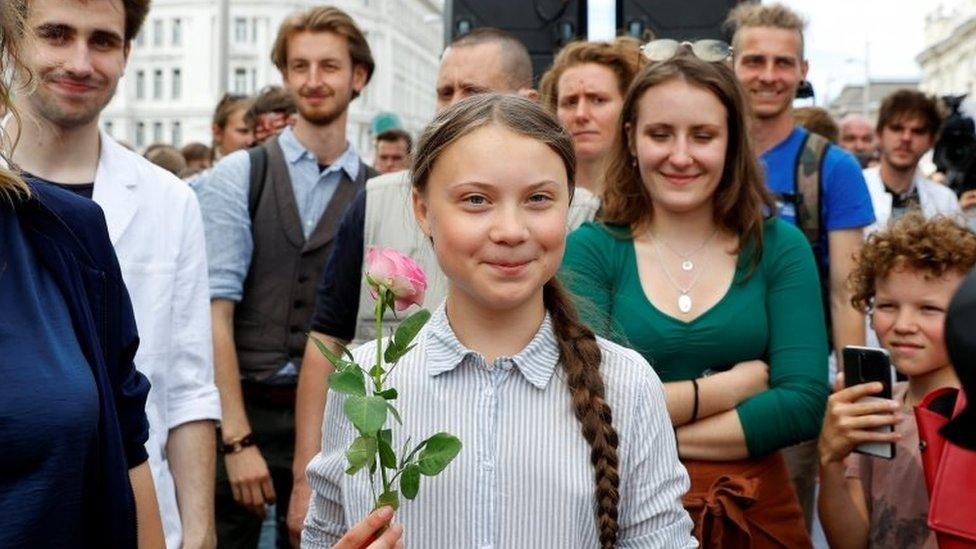
Swedish climate activist Greta Thunberg has joined high school students protesting in France over teacher shortages, overcrowded classrooms and deteriorating school buildings, adding international attention to a growing dispute about the future of public education. Appearing alongside demonstrators in Saint-Denis, a suburb of Paris, the 23-year-old activist criticised the lack of investment in schools and argued that young people were being excluded from decisions that directly affect their lives.
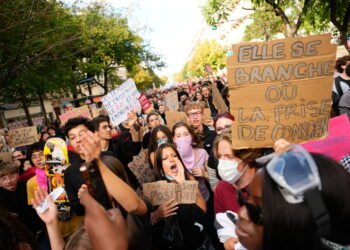
The demonstrations, which have continued for a third week, have spread across France as students, teachers, trade unionists and left-wing political groups demand urgent action to improve school conditions. The movement has placed the government under pressure to address longstanding problems in the education system while attempting to control a widening budget deficit and mounting public debt.
Thunberg, who became internationally recognised through school strikes calling for stronger action on climate change, told reporters outside Lycée Paul Éluard in Saint-Denis that young people were not being included in the discussion about their future. She argued that the condition of schools demonstrated the consequences of failing to invest adequately in essential public services.

Her appearance linked the student demonstrations to a broader debate about the responsibilities governments have towards younger generations. While Thunberg first gained prominence through climate activism, her involvement in the French protests reflected a wider concern about whether political leaders are responding sufficiently to young people’s priorities, from environmental protection to education and public welfare.
The immediate demands of the demonstrators centre on shortages of teachers, classes containing too many pupils and school buildings that require substantial repairs. Students and education campaigners argue that these conditions affect learning, place additional pressure on teachers and create unequal opportunities for young people depending on where they live and study.
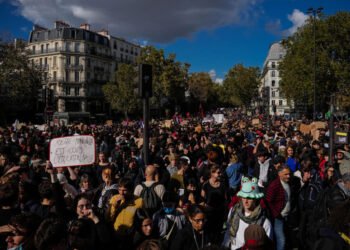
The protests have grown into a significant national challenge for the government. According to figures from France’s interior ministry, more than 260,000 people took part in demonstrations on the previous Tuesday, followed by another 75,000 on Thursday. Further marches and school blockades were expected on Tuesday in Paris and several other major cities.
University students have also expressed solidarity with the high school movement. The student union UE said demonstrators were taking their demands directly to those in power because they felt their concerns were not being heard. High schools in Paris, Marseille and other locations were again blockaded as the protests continued.
The government had hoped the movement would lose momentum ahead of a two-week school half-term holiday beginning at the weekend. Officials expected the break to reduce the number of demonstrations and give political leaders an opportunity to ease tensions. However, the continued mobilisation suggested that many students remained determined to press their demands before the holiday period began.
Education Minister Édouard Geffray said the government was deploying 3,000 substitute teachers to schools experiencing the most severe staffing shortages. He expected approximately 200 of France’s 3,700 high schools to be completely closed on Tuesday.
Reports from French media suggested that the disruption could be wider than those figures indicated. Some schools had cancelled classes or experienced interruptions, while certain secondary schools, known as lycées, had moved some or all teaching online. These institutions generally serve students aged between 15 and 18, a group that has played a prominent role in the demonstrations.
For students, the dispute is not simply about whether schools remain open. Protesters are demanding that the government address the underlying problems affecting their education, including staff shortages, overcrowded classrooms and buildings they consider unsuitable for learning. They argue that temporary measures may help schools manage immediate staffing gaps but will not resolve deeper structural weaknesses.
The protests have also raised concerns about the police response. Lawyers wearing their professional robes reportedly formed a human chain to protect pupils outside the school where Thunberg appeared, following allegations of excessive force during earlier demonstrations. The presence of legal professionals underscored the growing tension between demonstrators and authorities.
French President Emmanuel Macron called for restraint on Monday, saying the issues raised by protesters deserved time, consultation, discussion and respect. His appeal came as official figures indicated that more than 6,800 people, most of them minors, had been detained during the demonstrations.
The justice ministry said approximately 1,500 people were facing prosecution. Meanwhile, 24 allegations of police brutality against demonstrators were under investigation. More than 200 teenagers, 100 school staff members and 700 police officers had reportedly been injured during the unrest.
Some of the injuries have been particularly severe. One young protester lost a hand after being struck by a police stun grenade, prompting the government to prohibit the use of the devices during the demonstrations. Another demonstrator reportedly lost the use of an eye, while a third lost several teeth after being hit at close range by a tear-gas canister.
Rights groups and students have accused police of using disproportionate force. The allegations have added another dimension to the dispute, with campaigners arguing that the right to demonstrate must be protected even when protests disrupt school operations. Police conduct is now under scrutiny alongside the government’s handling of education policy.
The unrest is unfolding around six months before France’s next presidential election, when voters will choose a successor to Macron. The timing has increased the political significance of the demonstrations, with parties across the ideological spectrum attempting to present themselves as defenders of students, parents and public services.
Marine Le Pen, the far-right political frontrunner, has highlighted the poor condition of school buildings but called for parents to pay repair bills. Her position contrasts with the demands of demonstrators who are calling for stronger public investment. Jean-Luc Mélenchon, a prominent radical-left opposition figure, has praised the protesters and condemned what he considers police brutality.
The competing political responses illustrate how the education dispute could become a wider argument over public spending, responsibility for deteriorating infrastructure and the state’s role in providing essential services. The government faces pressure to respond to students’ demands while also managing fiscal constraints and competing priorities.
For teachers and families, the immediate concern remains the quality and reliability of education. Persistent vacancies can leave schools struggling to provide consistent instruction, while overcrowded classrooms may limit the attention individual pupils receive. Deteriorating buildings can also affect the learning environment and raise questions about the long-term maintenance of public infrastructure.
Students argue that these problems have consequences for their prospects and should not be treated as secondary to budget calculations. Their demands have gained visibility partly because the demonstrations involve young people directly affected by the condition of the education system. Thunberg’s participation has further amplified their message by connecting the protests with her longstanding campaign for governments to take younger generations seriously.
However, resolving the dispute will require more than expressions of support or temporary staffing measures. The government must weigh immediate needs against longer-term spending decisions, including how to recruit and retain teachers, reduce pressure on classrooms and repair school buildings. Any lasting response will also need to address the concerns of education workers and local communities.
The growing confrontation presents a difficult test for French authorities. A forceful response to school blockades risks deepening distrust among young demonstrators, while leaving the underlying grievances unresolved could prolong disruption and intensify public frustration. Investigations into alleged police misconduct will also be important in establishing accountability where wrongdoing is proven.

As the protests enter another week, Thunberg’s appearance has brought renewed attention to students who say their voices are being overlooked. Their movement now combines demands for better schools with concerns about political accountability, public investment and the treatment of young people exercising their right to protest.
Whether the demonstrations lead to significant changes remains uncertain. But with school closures, arrests, serious injuries and competing political responses shaping the national debate, France’s education crisis has become a prominent public issue. For the students taking to the streets, the central message is that the condition of their schools is inseparable from their future—and that they expect the government to listen.
Related News:
 French Students Protest Poor Conditions in Paris Suburbs
 Elif Eralp Emerges as Berlin’s Next Political Force
 French Student Protests Escalate Into Violent Clashes
 French School Protests Escalate as 400 Schools Close
 French Student Protests Grow Despite Government Pledge
 France Promises 3,000 Teachers as Student Protests Grow
 Canadian astronaut French words ease language row
 France Faces Record Presidential Crowded Race Amid Far-Right Surge
 Is America Ready for an AOC Presidential Run?
 Five Years of Taliban Rule Leave Afghanistan in Crisis
 Ghent Professors Questioned Cofnas Appointment
 Ukraine Villagers Demand Answers After Deadly Arms Depot Strike
 Europe’s democracies face a growing far-right threat
 Lib Dems Prepare for Election Amid Reform Challenge
 Madrid Tent Camp Grows as Spain Housing Crisis Deepens
 Drumcree Talks Falter as Legal Challenge Deepens
 UK-France Returns Deal Faces Expiry as Talks Stall
 Green Party faces dispute over Zionism motion
 Senators warn US childcare policies could raise costs
 Bosnia’s Young People Look Beyond Election Hope
 Germany Pledges €1bn Military Aid to Ukraine
 Latin America women fear rollback of rights
 Spain Sets Snap Election as Housing Crisis Deepens
 Former German Intelligence Chief Arrested Over Espionage
 France Braces for Major Student Protest Mobilisation
 France Schools Protests Draw 250,000 as Police Clash
 France Suspends Stun Grenades After Student Injury
 India’s Youth Movement Alleges Mass Detentions Before Protest
 Gaza War Deepens India’s Strategic Ties With Israel
 Bolsonaro Gains Key Endorsement Ahead of Brazil Runoff
 Controversial Vaccine Trial Approved in Guinea-Bissau
 France Faces Debt Crisis as Protests and Markets Clash
 Trump Attacks Norway After Nobel Peace Prize Snub
 Delhi Braces for Youth Protests Over Voter Roll Dispute
 Trump Names Katie Zacharia as Next White House Spokesperson
 UK Gaza Refugee Route Criticised Over False Hope Claims
 PTI Announces Swabi Rally Ahead of Long March Plans
 UK Greens Face Crisis Over Zionism and Extremism Row
 UK University Suspends Human Rights Research Following Pressure from China
 Italian Town Buys Mussolini Villa to Keep Away Fascist Fans
 Hungary election: Orbán faces biggest test amid scandal
 US ‘Narco Boat’ Strikes Draw Global Outcry
 Immigration Judges Fear Pressure in Trump Era
 Pope Meets Families in Italy Toxic Waste Zone
 Farage and Reform UK Reshape British Politics
 Starmer Leadership Under Pressure After Setbacks
 Le Pen to Run for President Despite Embezzlement Conviction
 Le Pen’s Popularity Holds Despite Conviction
 England and Norway Fans Turn Miami Into World Cup Carnival
 RAF Barnham Protests Fuel Tensions in Norfolk Town
 Internal Exclusions Surge in England’s Schools
 Bayeux Tapestry Revives Franco-British Ties
 Trump Calls Iran War ‘Small Potatoes’ Despite US Deaths
 Reform Faces Fresh Financial Controversy
 Councils spend £125m on illegal children’s care
 Sweden Election Hangs on Far-Right Breakthrough
 Israel Accused of Undermining Palestinian Life
 Turkey LGBTQ Crackdown Expands With New Arrests
 Yemen War Displaces 125,000 as Fighting Intensifies
 US Networks Suspend Trump White House Pool Coverage
 Democrat Says ICE Restricted Detention Camp Oversight
 UK Plans New Centre to Counter Information Warfare
 Greece Pushes for Parthenon Marbles Reunification
 Lula accuses Trump of seeking control over Brazil
 Republican Senator Questions Trump Ad Spending
 Free Speech Emerges as Key UK Election Issue
 Cornell Fraternity Assault Investigation Reopened
 Economic growth and political strain reshape Benin
 UK University Strikes Spread as Financial Pressure Grows
 Burnham Opens Door to Possible UK Return to EU
 Badenoch Raises Prospect of 2027 UK Election
 New Prosecutor Takes Over Cornell Assault Case
 Families Await USS Abraham Lincoln Homecoming
 Trump Says He Deserves Nobel Peace Prize
 USS Lincoln Ends Record 265-Day Deployment
 Israel Promotes Film Challenging Controversial Gaza Documentary
 EU Divisions Deepen Over Israel Policy
 Australian Advocates Seek Subsidised Drugs for PMOS
 Trump Names Katie Zachariah as Next White House Press Secretary
 Brazil Court Scandal Threatens Lula as Bolsonaros Rise