Published: 13 October 2026. The English Chronicle Desk. The English Chronicle Online
The Church of England’s plan to establish a £100m fund addressing its historical links to the transatlantic slave trade has become the centre of an increasingly organised campaign of political opposition, media criticism and potential legal action.
Known as Project Spire, the initiative was announced in 2023 after research found significant historical connections between the church’s endowment and institutions involved in the slave trade. The Church of England intended to invest £100m from its endowment to support communities affected by the legacy of African chattel enslavement, with the longer-term ambition of attracting additional investment and growing the fund substantially.
Instead, the proposal has faced sustained resistance that has delayed its planned launch and created uncertainty over whether the scheme will proceed in its original form.

At the centre of the opposition is Nigel Biggar, a retired Oxford professor, Conservative peer and Anglican priest who has repeatedly challenged the concept of slavery reparations and criticised the Church of England’s approach to its historical responsibilities. His campaign has received extensive exposure across sections of Britain’s conservative media, while Conservative MP Katie Lam has taken the issue into Parliament.
Lam has questioned the church’s plans and helped coordinate political opposition, including a letter signed by MPs and peers that accused the church of pursuing projects they considered legally questionable. The campaign has increasingly become part of a wider political and cultural debate over Britain’s colonial history, institutional responsibility and the role of reparations in addressing historical injustice.
The dispute has also drawn attention to the influence of wealthy financial figures and their links to media organisations and thinktanks involved in the debate.
Among the most prominent names is Sir Paul Marshall, co-founder of the hedge fund Marshall Wace and a major investor and philanthropist. Marshall has ownership or financial links to several media and political organisations that have provided platforms to critics of Project Spire.
Marshall acquired the Spectator magazine in 2024 and is also associated with GB News and the commentary platform UnHerd. All three have carried criticism of the Church of England’s reparations plans. Biggar has appeared in these outlets and written or spoken extensively against the project.
Marshall has denied funding an anti-Spire campaign but has publicly criticised the church’s proposal. He has argued that the £100m could be better directed towards supporting the wider Anglican community, including struggling parishes in Britain.
The debate has also extended beyond media coverage. Organisations and thinktanks connected to figures involved in the campaign have received financial support from Marshall-linked charitable interests.
One such organisation is the Pharos Foundation, which Biggar co-founded with academic David Abulafia and fund manager Neil Record. The foundation describes itself as supporting academic research and intellectual freedom. Financial records indicate that a trust associated with Marshall provided hundreds of thousands of pounds to Pharos in 2024 and 2025.
Biggar has also been involved with the Alliance for Responsible Citizenship, an international network associated with conservative and rightwing political thought. Marshall helped finance its establishment and remains connected to the organisation.
These relationships have prompted questions about the broader network surrounding opposition to Project Spire and whether the campaign represents an isolated disagreement over church finances or forms part of a wider effort to reshape debates about Britain’s history, Christianity, culture and institutional responsibility.
The Church of England’s decision to establish the fund followed years of internal examination into its historical relationship with slavery.
In 2007, then Archbishop of Canterbury Rowan Williams called for consideration of reparations for the church’s role in the slave trade. His successor, Justin Welby, later expressed deep regret about the institution’s historical failures and its continuing struggles with racism.
Research commissioned by the Church Commissioners subsequently examined the origins of the church’s investment endowment. Findings published in 2022 identified connections to Queen Anne’s Bounty, an institution established in the early 18th century that invested in the South Sea Company.
The South Sea Company participated in the trafficking of enslaved Africans, while wealthy individuals associated with the slave economy also made significant donations to institutions connected with the church.
Further historical research has identified connections between Anglican clergy and the Royal African Company, another major participant in the transatlantic slave trade.
In January 2023, the Church Commissioners published a detailed report examining these links and announced the proposed £100m fund. The money was intended to come from the church’s £11.6bn endowment rather than from direct parish collections.
Church leaders said the fund would support communities affected by the long-term consequences of slavery and would represent an act of repentance, responsible investment and Christian witness.
However, opponents have argued that the church should prioritise immediate financial pressures facing its parishes, clergy and buildings.
A major political argument against the proposal has centred on whether churchgoers would reduce their donations if money were allocated to reparative justice. One widely reported survey suggested that a majority of respondents might withhold donations if parish funding was affected.
But other findings from the same survey indicated a different picture. A majority said they would either maintain or increase their contributions when asked directly about the church committing £100m from its endowment to slavery-related reparative justice.
The survey was commissioned by Biggar, a detail that critics say should have received greater attention in reporting about the poll.
The Church of England has also rejected claims that Project Spire would take money away from parishes. It has pointed to increased spending on churches and clergy during its current funding period.
Despite those assurances, the dispute has now entered a legal phase.
The church acknowledged earlier this year that it faces a potential judicial review concerning the proposed fund. The legal challenge is understood to focus on whether the Church Commissioners have the authority to distribute the money in the proposed manner and whether funding projects outside Britain would comply with their legal responsibilities.
The challenge has delayed the process of establishing the fund as an independent organisation under the Charity Commission.
The identity of those behind the legal challenge has also attracted attention. Barrister and columnist Bijan Omrani is understood to be leading the case, although Biggar has said he has no involvement in the legal action.
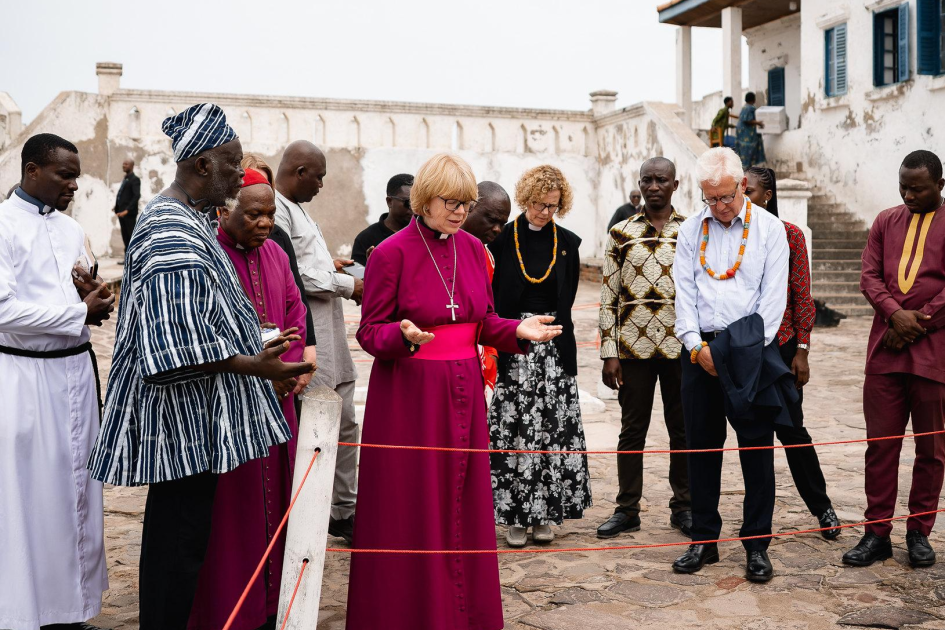
Meanwhile, the Church of England’s new Archbishop of Canterbury, Sarah Mullally, has reaffirmed the institution’s commitment to addressing its historical links to slavery.
During a visit to Ghana in July, Mullally expressed regret over the church’s involvement in transatlantic chattel slavery and emphasised the importance of confronting that history.
Members of the church’s General Synod have meanwhile heard that commissioners responsible for Project Spire had received highly abusive correspondence during the controversy.
The dispute therefore presents the Church of England with a difficult balancing act. Supporters view the fund as an opportunity for meaningful institutional repentance and long-term investment in communities affected by slavery. Opponents regard it as an inappropriate use of church resources and an example of what they describe as modern political ideology being imposed on a historic religious institution.

For now, the £100m initiative remains stalled between political opposition, intense media scrutiny and a potential legal battle.
The wider argument, however, goes far beyond the proposed fund. It touches on how Britain remembers slavery, how institutions respond when historical investigations reveal uncomfortable connections, and whether financial resources should be used to address injustices that occurred centuries ago.
As the Church of England considers its next steps, the controversy is likely to remain a significant test of its willingness to confront its past while responding to the financial and social pressures facing its congregations today.
Related News:
 Murder Probe Continues After Arrest Release
 Dreyfus Statue Finally Gets Permanent Paris Home
 Israeli Strike in Southern Lebanon Kills Seven
 Ukraine Villagers Demand Answers After Deadly Arms Depot Strike
 Daughter Finds Bones in Parents’ Burned-Out Car
 UN expert urges UK to rethink Israel policy
 Miliband Rejects Chief Rabbi’s West Bank Warning
 Patriot Platform Raises Concern Across Britain
 Royal Crown Branded Enslaved Africans in Britain’s Slave Trade
 Israel Accused of Undermining Palestinian Life
 Harrods Faces Dispute Over Fayed Abuse Compensation
 King Refers Jamaica Slavery Petition to Privy Council
 Fayed Survivors Demand Inquiry Into Medical Regulator
 Hundreds of UK prisoners released early amid overcrowding
 Drumcree Talks End Without Agreement Ahead of Appeal
 Almost Half of Fayed Accusers May Be Trafficking Victims
 Latin America women fear rollback of rights
 Royal Navy Sailor Charged With Alleged Spying
 Luton Residents Reject Claims of ‘No-Go Zones’
 Israel Promotes Film Challenging Controversial Gaza Documentary
 UK Greens Face Crisis Over Zionism and Extremism Row
 FBI Director Kash Patel Defends Girlfriend Amid Government Jet Claims
 French Taxi Driver Cleared in David Lammy Theft Case After Fare Dispute
 Met Police Culture Makes Racial Harm ‘Inevitable’
 Boris Johnson accused of undermining BBC leadership
 Remaining rebel Labour MPs have whip restored
 ‘Reckless’ cuts to victims’ services will cost more than they save
 BBC Faces Backlash as Reform UK Withdraws from Film
 UK Candidate Moved to Safe House After Election Threats
 Most Tories Expect to Support a Farage-Led Government
 ‘It’s a Complete Scandal’: Aristocrat’s Fight for Prison Children
 Police response times face strict new national limits
 Prevent Failings Exposed After Southport Attack
 NHS Safety Fears as Nurses Cover Doctor Gaps
 Two Children Die in Wolverhampton House Fire Tragedy
 Cartel crackdown raises fears of fresh violence
 US ‘Narco Boat’ Strikes Draw Global Outcry
 Barrister Criticises Trial After Suicide Case Verdict
 Immigration Judges Fear Pressure in Trump Era
 New Footage Revives Peter Falconio Mystery
 Ukraine Creates Long-Range Strike Command
 UK’s Largest Muslim Convention Scales Up Security Amid Rising Bigotry
 Westminster Council Threatens Charing Cross Soup Kitchen
 BBC Warned About Missing Clothes of Murder Victim
 RAF Barnham Protests Fuel Tensions in Norfolk Town
 Survivor Sues Musk’s xAI Over AI Abuse Images
 Reform Faces Fresh Financial Controversy
 Masked Protesters Bring Dover Port Traffic to Standstill
 Councils spend £125m on illegal children’s care
 Europe’s democracies face a growing far-right threat
 Turning Point USA Faces Crisis After Kirk Killing
 Mahmood Warns Far Right Over Asylum Protests
 Lib Dems Prepare for Election Amid Reform Challenge
 Democrat Says ICE Restricted Detention Camp Oversight
 Japan PM Backs International Criminal Court
 UK Unveils Centre to Counter Foreign Disinformation
 UK Plans New Centre to Counter Information Warfare
 UK Pauses Chagos Deal Amid US Opposition
 Ukraine and Russia Escalate Long-Range Drone War
 Elif Eralp Emerges as Berlin’s Next Political Force
 Free Speech Emerges as Key UK Election Issue
 London Facial Recognition Trial Ends With False Alert
 Pelicot Trial Play Comes to London for One Night
 Drumcree Talks Falter as Legal Challenge Deepens
 UK-France Returns Deal Faces Expiry as Talks Stall
 Green Party faces dispute over Zionism motion
 Badenoch Raises Prospect of 2027 UK Election
 US bombers leave RAF Fairford after terror threat
 Gosport Protesters Clash With Police Over Migrant Rescue
 Andrew Mountbatten-Windsor Challenges Police Raids
 Palace Rejects Funding Andrew’s Police Legal Challenge
 Iran Nobel Laureate Reveals Prison Torture and Fears
 Former German Intelligence Chief Arrested Over Espionage
 France Braces for Major Student Protest Mobilisation
 Police accused of failing abuse victims
 Sri Lanka Ex-First Lady Arrested Over Donation Probe
 Delhi Tightens Security Ahead of Election Protest
 EU Divisions Deepen Over Israel Policy
 US Execution Livestream Plan Sparks Global Outrage
 British Military School Abuse Victims Denied Justice