Published: 12 October 2026. The English Chronicle Desk. The English Chronicle Online
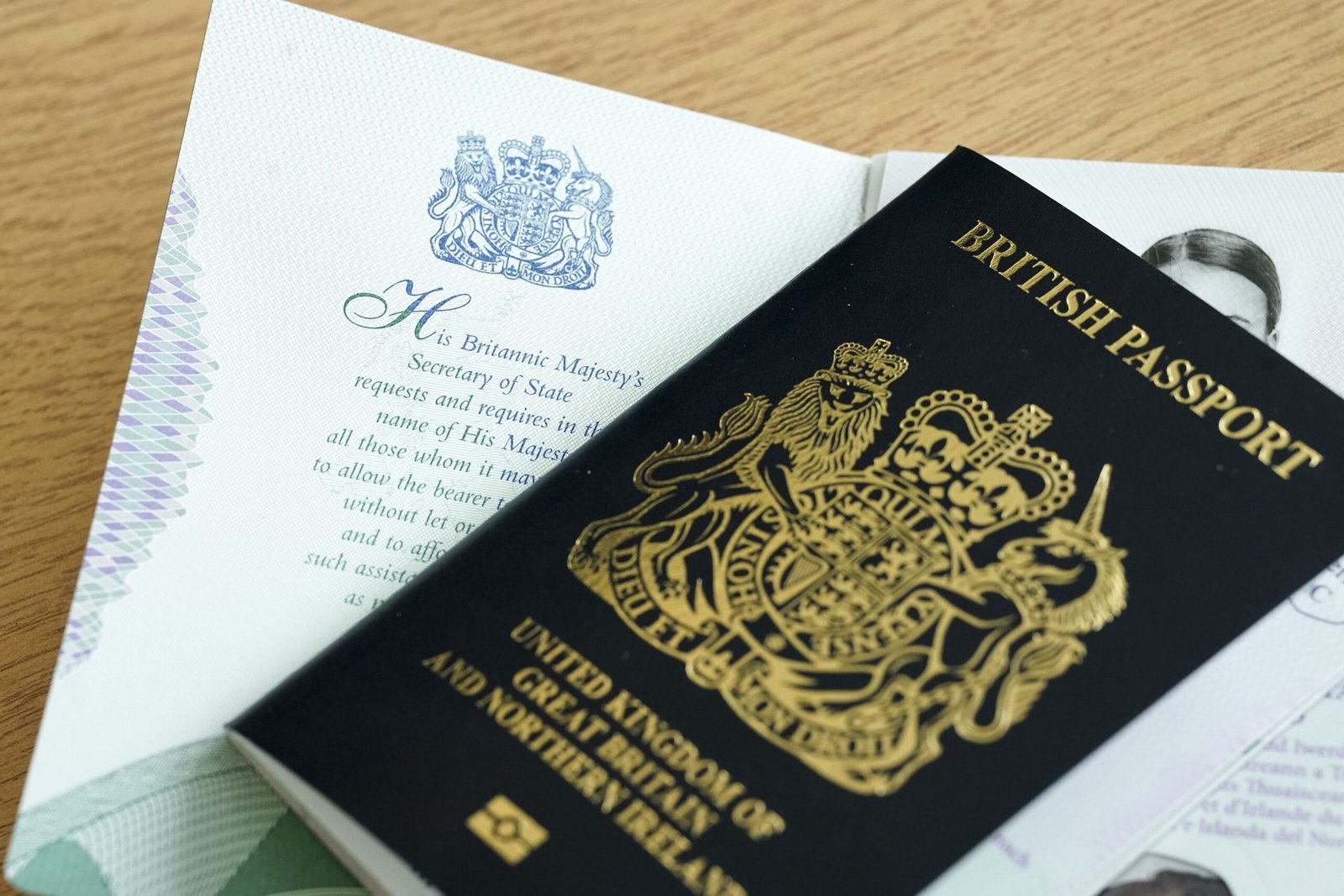
A British father living in France has faced an unexpected obstacle in trying to secure a UK passport for his teenage daughter after being asked to consider a DNA test to prove his paternity. The request, which could cost approximately £600, has highlighted the difficulties some British families living overseas are experiencing under post-Brexit travel rules that require British dual nationals to hold a valid British passport or other recognised documentation before travelling to the United Kingdom.
The father, identified only as BN, said the situation had prevented his daughter from visiting her elderly grandfather in Britain, whose health has deteriorated. Although the family has supplied extensive documentation to support the passport application, officials initially concluded that the evidence was insufficient to establish the father’s relationship with his child. The family was left uncertain about whether the teenager could travel using her French passport without risking being refused boarding.

The case illustrates how changes to border procedures can have consequences beyond immigration administration, particularly for children born abroad to British parents and families whose lives span more than one country. For BN and his family, what began as a routine application for a passport developed into a prolonged and emotionally difficult process involving personal documents, an official interview and the possibility of an expensive genetic test.
BN is a British citizen married to a French national. The couple live in France, where their two older children have both British and French passports. Their youngest daughter, however, was born while the family was living in Zimbabwe and holds only a French passport. The difference in the children’s circumstances became particularly significant when the family tried to arrange a visit to Britain.
The father began the application for his youngest daughter’s British passport in February. He said he submitted a substantial collection of documents intended to establish the family relationship and demonstrate the child’s identity and background. These included photographs of his wife during pregnancy, family photographs covering the period from the daughter’s birth to the present, hospital records, and official translations of French marriage and birth certificates.
Despite the material provided, the application process did not conclude as the family had expected. During an official interview, BN was questioned about his employment, his commute and the layout of his home. He said that comparatively little attention appeared to be given to his relationship with his daughter.
The family was subsequently told that the evidence did not adequately establish paternity. Officials invited BN to consider a DNA test, which he understood would cost around £600 and introduce further delays. For a family that had already assembled extensive documentation, the request raised questions about what additional proof was required and why the material already submitted had not been considered sufficient.
DNA testing can provide biological evidence of a parent-child relationship, but it also involves financial costs, logistical arrangements and personal considerations. In this case, the possibility of testing became another source of uncertainty in an already lengthy application process. The family had to consider whether to accept the additional expense and wait longer or challenge the assessment of the evidence it had already supplied.
The practical consequences were immediate. BN wanted to take his daughter to Britain to visit his elderly father, who was unwell. However, the family was reluctant to travel without confirmation that the teenager would be permitted to board a flight and enter the country. A failed journey could mean additional costs, disruption and further distress, particularly if the family arrived at an airport only to discover that its travel documents were not accepted.
The uncertainty also affected family relationships. Grandparents and grandchildren who live in different countries often depend on school holidays and planned visits to maintain close connections. When a passport application becomes prolonged or its outcome remains unclear, those visits can be postponed indefinitely. For an elderly relative whose health is declining, the loss of time together may be especially painful.
The wider difficulty stems from new UK entry requirements introduced in February 2026. Under the rules described in the case, British dual nationals are expected to travel to the United Kingdom using a British passport or other permitted evidence of their British status. A passport issued by another country does not necessarily provide the same travel rights for someone who is also British.
The changes have created complications for British citizens who live overseas and have acquired another nationality or were born outside the United Kingdom. While foreign nationals can generally travel using passports issued by their own countries, British citizens abroad may need to demonstrate their British status through the appropriate British documentation. A certificate of entitlement, which can cost £589, is one alternative mentioned in connection with the new arrangements, although the precise eligibility and documentation requirements depend on individual circumstances.
For expatriate families, the distinction can be confusing. A child may possess a valid French passport, have British parents and appear to have a strong claim to British citizenship, yet still face practical difficulties when attempting to travel as a British national without a British passport. The issue becomes more complicated when siblings have different documentation because they were born in different countries or completed passport applications at different times.
The reported case is not the first to raise concerns about the operation of the rules. Other families have described children being stranded overseas while waiting for British passports, while some parents have reported difficulties obtaining passports for children whose siblings already possess them. Such experiences have prompted questions about consistency, administrative decision-making and the support available to families navigating the process from abroad.
The government’s guidance on DNA testing for British passport applications provides for applications to be assessed on the balance of probabilities when an applicant chooses not to undergo a test. This means a decision should be based on whether the available evidence makes the claimed relationship more likely than not, rather than treating a DNA test as the only possible means of establishing paternity.
The guidance also requires officials to explain the reasons for refusing an application. That principle is important because applicants need to understand which parts of their evidence have been considered inadequate and whether additional documents could resolve the issue. Without a clear explanation, families may struggle to decide whether to provide further material, request a review or pursue another appropriate route.
In BN’s case, the father said he had not been given a satisfactory explanation for why the extensive evidence submitted was insufficient. The request for information about the layout of his home added to his frustration. Although the Home Office indicated that officials might seek additional details, including domestic information, to help establish the credible authenticity of an application, the family remained concerned about how such requests were being assessed.
The department declined to comment on the individual case. However, the application eventually received a positive outcome. BN was informed that his daughter’s passport application had been accepted, despite no additional paperwork having been requested from the family since April.
The timing raised questions about why the application had initially been considered inadequate and what had changed in the assessment. The journalist who examined the case suggested that public scrutiny may have contributed to the eventual decision, although the department did not confirm that explanation. The final acceptance nevertheless removed the immediate obstacle to obtaining the document.
The outcome offers relief to the family, but it does not resolve the broader questions raised by the experience. Applicants need transparent guidance about acceptable evidence, consistent assessments of similar cases and timely explanations when officials believe documents are insufficient. Families should also be able to understand whether DNA testing is optional, what alternatives are available and how the costs and delays associated with further evidence will affect their applications.
For British citizens living abroad, passports are more than travel documents. They are essential to maintaining family connections, managing emergencies and moving between the countries in which relatives live. Administrative safeguards are necessary to protect the integrity of citizenship decisions, but they must also operate in a way that is understandable, proportionate and fair.

BN’s daughter ultimately moved closer to receiving the documentation she needed, but the family’s experience demonstrates how uncertainty in passport procedures can turn a straightforward visit into a source of anxiety. With an elderly grandfather waiting in Britain, the central concern was never simply paperwork. It was whether a family could travel with confidence and spend valuable time together before the opportunity disappeared.
The case is likely to reinforce calls for clearer communication around the post-Brexit travel requirements and more consistent handling of British passport applications involving children born overseas. For families in similar circumstances, clear decisions and accessible explanations could make the difference between a manageable administrative process and months of uncertainty.
Related News:
 UK may ban protests amid rising antisemitism fears
 Ministers Condemn Far-Right Unrest in Portsmouth
 Patriot Platform Raises Concern Across Britain
 Reform UK Receives Record £36m Donation From Crypto Billionaire
 Election Candidate Abuse Raises Alarm in England
 Mahmood Warns Far Right Over Asylum Protests
 Disabled Travellers Seek Fairer UK Care Rules
 UK Reviews Hague Child Abduction Cases Involving Abuse
 King Refers Jamaica Slavery Petition to Privy Council
 Far-Right Activist Arrested After Channel Dinghy Incident
 Portadown protest ends after tense Orange Order standoff
 Free Speech Emerges as Key UK Election Issue
 Burnham Opens Door to Possible UK Return to EU
 Drumcree Talks Falter as Legal Challenge Deepens
 UK-France Returns Deal Faces Expiry as Talks Stall
 Hundreds of UK prisoners released early amid overcrowding
 Drumcree Talks End Without Agreement Ahead of Appeal
 Badenoch Raises Prospect of 2027 UK Election
 Gosport Protesters Clash With Police Over Migrant Rescue
 Recruitment Boss Accused of Leading Doxxing Campaign
 French Taxi Driver Cleared in David Lammy Theft Case After Fare Dispute
 Major Rent Reform Ends No-Fault Evictions in England
 Peers Flood Assisted Dying Bill with 942 Amendments
 UK Asylum Overhaul Sparks Debate Over Human Rights and Deportations
 UK Asylum Reforms: Temporary Refugee Status and Faster Deportations
 Mahmood Defends Tough Overhaul of UK Asylum System
 Westminster Advances Legacy Bill Amid Criticism
 Peers Get Extra Time to Debate Assisted Dying Bill
 Tim Walz urges Trump to withdraw federal agents immediately
 UK and EU Signal Fresh Push for Defence Cooperation Talks
 Civil Service Pay: Union Urges Ministers to End ‘Barking Mad’ Limits
 Proposed Law Leaves Gap for Children of Convicted Paedophiles
 Kezia Dugdale Warns of Possible Reversal of Equal Rights Gains
 Synagogue Arson Attempt Sparks Security Fears
 NHS Safety Fears as Nurses Cover Doctor Gaps
 Crackdown Backfires on UK Climate Protesters
 John Terry Faces Backlash Over Political Posts
 Greens Face Internal Row Over Antisemitism Claims
 Barrister Criticises Trial After Suicide Case Verdict
 Immigration Judges Fear Pressure in Trump Era
 Farage and Reform UK Reshape British Politics
 Starmer Leadership Under Pressure After Setbacks
 UK Nations Brace for Potential Breakup Amid Reform Surge
 Le Pen’s Popularity Holds Despite Conviction
 London Tube Heat Reaches Dangerous Levels
 Three-Quarters of England’s Riverbanks Still Off Limits
 Westminster Council Threatens Charing Cross Soup Kitchen
 BBC Warned About Missing Clothes of Murder Victim
 Burnham unveils £65m drought aid for farmers
 Unions Warn Labour Over Zero-Hours Contract Reforms
 Queue row erupts on Wales’ highest mountain
 RAF Barnham Protests Fuel Tensions in Norfolk Town
 Internal Exclusions Surge in England’s Schools
 UK plans tougher Israel stance with settlement trade ban
 Councils spend £125m on illegal children’s care
 UK Retailers Accused of Breaking Refund Laws
 NHS Breast Care Review Finds Serious Patient Harm
 Lib Dems Prepare for Election Amid Reform Challenge
 Reform UK Faces Internal Debate Over £72m Spending
 Trump and Mamdani Hold Cordial Gracie Mansion Meeting
 Democrat Says ICE Restricted Detention Camp Oversight
 Roman Finds Reveal Bath’s Suburban Past
 Avanti West Coast Set for Public Ownership in March
 London Facial Recognition Trial Ends With False Alert
 French Student Protests Escalate Into Violent Clashes
 UK University Strikes Spread as Financial Pressure Grows
 Green Party faces dispute over Zionism motion
 French School Protests Escalate as 400 Schools Close
 Palace Rejects Funding Andrew’s Police Legal Challenge
 Police accused of failing abuse victims
 Botstein Quits Bard Amid Epstein Investigation Calls
 UK Mission in East Jerusalem to Remain Open
 Royal Navy Sailor Charged With Alleged Spying
 Labour Wins Key London By-election as Greens Fall Short
 South Africa Withdraws Directive on Asylum Applications
 US Execution Livestream Plan Sparks Global Outrage
 UAE Says Co-Pilot Planned Suicide Attack on Israel
 Delhi Detains Protest Leaders as Youth Rally Escalates
 British Military School Abuse Victims Denied Justice
 UK Greens Face Crisis Over Zionism and Extremism Row