Published: 17 October 2026. The English Chronicle Desk. The English Chronicle Online
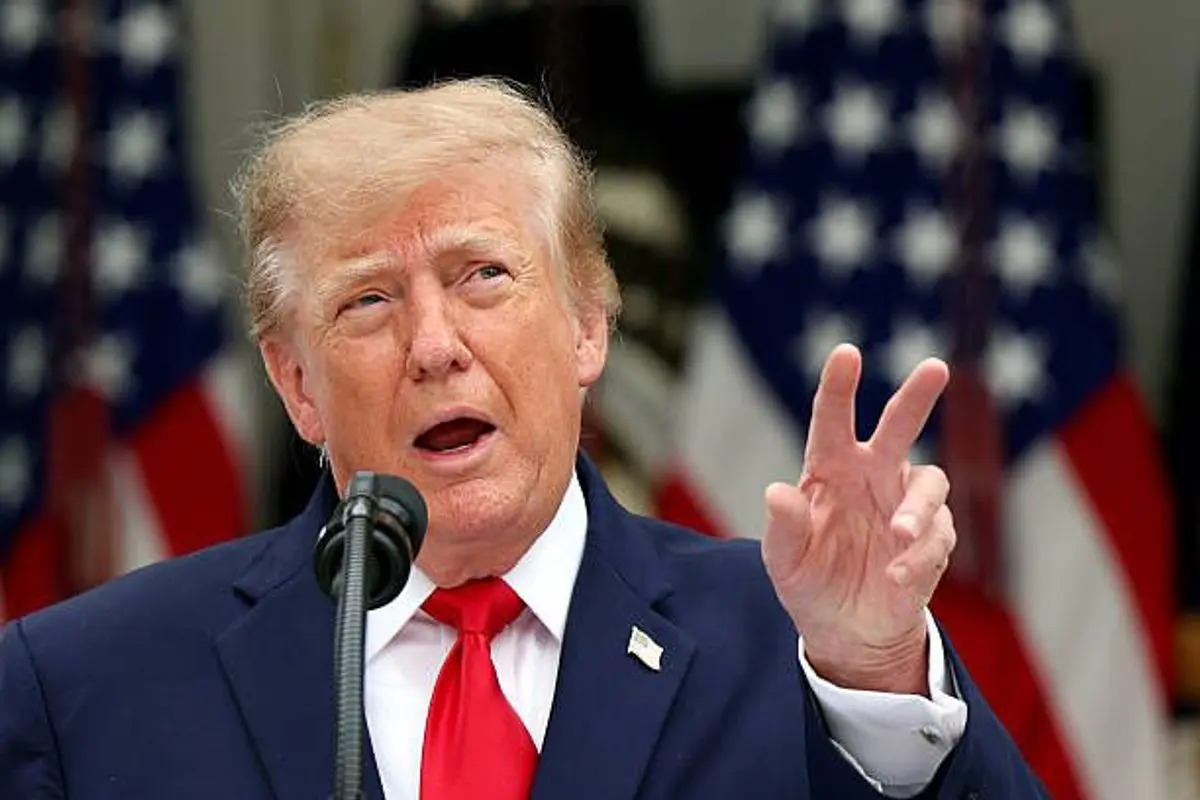
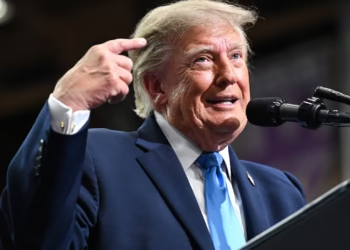
US President Donald Trump has reignited controversy over the legitimacy of American elections after falsely claiming that Democratic Senator Jon Ossoff was never legitimately elected in Georgia. Speaking at a campaign rally in north Georgia, Trump repeated allegations that the 2020 election in the state was fraudulent and challenged Ossoff’s electoral mandate ahead of a closely watched Senate contest scheduled for November. His remarks have added to the political tension surrounding Georgia, a state that has become a central battleground in American presidential and congressional elections.
The rally took place in Dalton, where Trump appeared in support of Republican congressman Mike Collins, who is seeking to unseat Ossoff. The president used the event to attack his Democratic opponent, promote his administration’s record and urge supporters to maintain Republican control of Congress. However, his renewed election claims and assertions about economic performance, immigration and foreign policy also highlighted the competing narratives likely to dominate the approaching midterm elections.

Addressing the crowd, Trump argued that Ossoff did not represent Georgia’s values before declaring that the senator had never been elected. The statement repeated a long-standing theme of Trump’s political rhetoric: that the 2020 presidential election in Georgia was illegitimate. However, the election results in the state were certified following the established electoral process, and repeated reviews and recounts did not overturn Joe Biden’s victory there.
Ossoff was elected to the US Senate in January 2021 after defeating Republican incumbent David Perdue in a January runoff. His victory, alongside Raphael Warnock’s election in the other Georgia Senate runoff, gave Democrats control of the Senate at the beginning of the Biden administration. The results followed an intensely contested period in which Georgia’s electoral process faced extraordinary political pressure.
Trump’s latest comments come as Ossoff prepares to defend his Senate seat against Collins, a Republican member of the House of Representatives. The race is particularly important for both parties because control of the Senate could influence judicial appointments, federal legislation, government spending and the direction of national policy.
Recent polling cited in the campaign coverage showed Ossoff maintaining an approximately nine-point lead over Collins. Although polling does not determine the final outcome, the reported margin presents a challenge for Republicans attempting to turn Georgia into a victory in their effort to strengthen their position in Washington. Trump’s appearance was intended to energise Republican voters and boost Collins’s campaign, while his attacks on Ossoff placed the legitimacy of the senator’s election at the centre of the political confrontation.
The rally also provided Trump with an opportunity to portray his presidency as one of the most successful periods in American history. He claimed that he was approaching the completion of the most successful two-year presidential run the country had ever experienced, citing stock market performance, low unemployment and poverty rates, and the creation of government-backed investment accounts for newborn children.
Trump presented these claims as evidence that his administration was delivering economic benefits to American households. His remarks were designed to reassure supporters that his policies were producing tangible results, even as the cost of living and energy prices remained important concerns for voters.
Among the initiatives he promoted were so-called Trump accounts for newborns, which he described as part of his administration’s efforts to provide financial opportunities for future generations. The president also claimed that voters could receive a $5,000 government cheque if Republicans retained control of the House of Representatives.
To support the proposal, Trump referred to approximately $21 trillion in foreign manufacturing investment commitments announced during his presidency. He argued that these pledges could help offset the substantial cost associated with the proposed payments.
However, the investment figures represent announced commitments rather than proof that the entire amount has already been delivered or invested. Many of the pledges remain unfulfilled, making it important to distinguish between proposed investment, completed projects and actual spending in the American economy. The scale and timing of any such investments will determine how much benefit they ultimately provide to workers, businesses and communities.
Trump’s economic message also faced a challenge from rising fuel prices. The war involving Iran has contributed to higher gasoline and diesel costs, putting additional pressure on households and businesses that depend on affordable energy. Fuel prices can affect transport expenses, food distribution, manufacturing and other essential economic activities, potentially adding to inflationary pressures across the economy.
Rather than accepting affordability as a legitimate criticism of his administration, Trump dismissed the term as Democratic propaganda. His response reflected the widening political disagreement over how Americans should evaluate the economy: through financial market performance and headline indicators, or through the everyday costs faced by households at petrol stations, supermarkets and utility providers.
For Democrats, rising living expenses offer an opportunity to question the effectiveness of the administration’s economic policies. For Republicans, the challenge is to persuade voters that their broader programme will eventually deliver stronger growth, employment opportunities and financial security. The dispute is likely to become increasingly prominent as candidates campaign for seats in both chambers of Congress.
Foreign policy also featured prominently in Trump’s speech. He highlighted his administration’s immigration enforcement record and described the overthrow of the Venezuelan government in triumphant terms. Referring to the conflict, he declared that the war had been completed within 48 hours, presenting the episode as evidence of decisive American action.
Trump also discussed the war involving Iran, recalling meetings in the Oval Office and reports detailing damage caused by attacks on Iranian leadership. He defended the military action by arguing that Iran posed a major threat to Israel and the wider Middle East.
“They’ll blow up Israel, they’ll blow up the Middle East,” Trump said while explaining his administration’s position on Iran. He added that Iran was a country where nobody wanted to become president, a remark intended to portray the country’s leadership and political circumstances as exceptionally difficult.
The president’s account emphasised the military and strategic arguments for confronting Iran, but the economic consequences of the conflict remain a significant domestic issue. Higher energy prices can quickly affect public opinion in the United States, where fuel costs are a visible measure of household financial pressure. The impact could complicate Trump’s attempts to present his administration as economically successful.
Immigration was another central theme. Trump claimed that no undocumented migrants had been admitted into the United States during the previous 17 months. His statement formed part of a broader effort to portray his administration’s border and immigration policies as a decisive departure from those of his predecessors.
However, the wording of the claim requires context. The formal admission of a person into the United States is a specific legal and administrative process, and it is not interchangeable with every form of unauthorised entry, encounter or immigration enforcement activity. A sweeping claim about admissions therefore does not, by itself, establish the total number of people who crossed the border or the full scale of migration during that period.
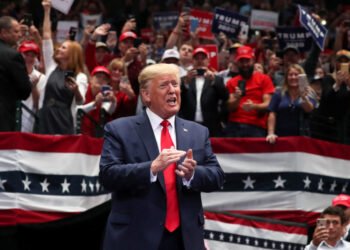
The atmosphere at the Dalton rally illustrated the continuing enthusiasm among Trump’s core supporters. The event began in the afternoon at Dalton Municipal Airport, where approximately 1,200 people gathered in the grandstands. Trump was scheduled to appear earlier but took the stage at around 4.20pm, approximately 80 minutes behind schedule. During the delay, about 300 people remained standing in the afternoon sun without shade.
For many attendees, the wait did little to diminish their support. Tracy Spencer, who had travelled from Chattanooga, Tennessee, described Trump as the greatest president of all time. When asked about criticism from conservatives who had become disillusioned with the president, she dismissed the suggestion that dissatisfaction was widespread among people in her own circle.
Spencer argued that political change involved growing pains and that supporters should allow time for the administration’s policies to take effect. Her comments reflected the loyalty that Trump continues to command among a significant portion of his political base, even as his decisions and rhetoric attract criticism from opponents and some conservatives.
The rally also touched on the administration’s approach to diversity, equity and inclusion policies, which Trump frequently refers to as DEI. He criticised policies associated with these initiatives while describing the appearance of a US soldier he had encountered at the White House. Trump argued that American institutions should be based on merit, presenting the principle as central to his vision for the country.
The debate over DEI has become part of a wider national argument about equal opportunity, discrimination and the criteria used in employment, education and public institutions. Supporters of the administration’s position argue that hiring and promotion should prioritise individual qualifications and performance. Critics, meanwhile, contend that removing diversity-focused policies can weaken efforts to address persistent inequalities and discrimination.
Security personnel also removed two protesters after they briefly unfurled a banner carrying an anti-Immigration and Customs Enforcement message. The demonstrators were quickly escorted from the grandstands, and the incident did not develop into a larger confrontation during the event. The protest nevertheless reflected the continuing opposition to the administration’s immigration enforcement policies.
The rally took place amid broader concerns about political hostility at campaign events. An assault on a protester by Trump supporters at an event in Ohio earlier in the week had drawn attention to the potential for political disagreements to escalate into physical confrontations. No comparable assault was reported during the Dalton rally, although the removal of protesters illustrated the tightly controlled environment surrounding the president’s appearance.

As the November elections approach, Georgia is likely to remain one of the most closely watched states in the country. Ossoff’s Senate race will test whether Democrats can defend a seat in a state where Republicans continue to have a substantial electoral presence. Collins’s campaign, backed by Trump’s appearance, will seek to convert presidential support into votes, while Democrats will attempt to protect their advantage by emphasising their candidate’s record and challenging Republican claims.
Trump’s remarks about Ossoff’s election legitimacy add another layer to that contest. His repeated allegations about Georgia’s 2020 election results continue to influence the political debate, even though the certified results and subsequent reviews did not support his claims of a stolen victory in the state.
Ultimately, the rally demonstrated how the midterm campaign is becoming a contest over more than individual candidates. Election integrity, immigration, energy costs, economic performance, foreign policy and the role of government institutions are all emerging as defining issues. For Georgia voters, the immediate question is whether Trump’s political influence will help Collins overcome Ossoff’s reported polling advantage. For the wider United States, the election will provide another test of the president’s ability to translate his supporters’ enthusiasm into electoral success while addressing the concerns of voters who remain uncertain about the direction of the country.
Related News:
 Trump Ads Trigger Fight Over Taxpayer Money
 Tanker Attacked Near Qatar as Hormuz Tensions Escalate
 Brazil Court Scandal Threatens Lula as Bolsonaros Rise
 Trump Targets Arizona and Montana Amid GOP Election Worries
 Brazil Cuts Working Week to 40 Hours in Lula Election Boost
 Trump Rallies GOP as Senate Democrats Boost Key Races
 Serbia Leader Linked to Controversial Trump Tower Plan
 Thousands Protest ICE Operations in Nationwide US Day of Action
 US Court Ruling Reshapes Voting Rights Landscape
 US states redraw maps after voting rights ruling
 Judge halts deportation of Yemeni refugees in US
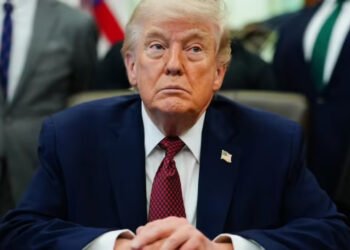 Trump approval plunges amid Iran war fears
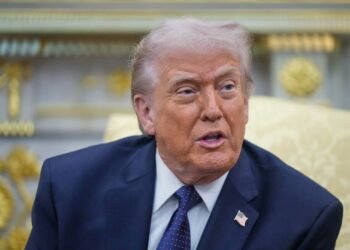 Trump Threatens UN Budget Cuts as US Pushes ‘Trade Over Aid’ Agenda
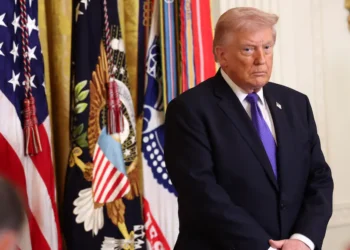 Trump warns Iran as Middle East tensions surge again
 US Court Restores Abortion Pill Access Temporarily
 US Awaits Iran Reply on New Ceasefire Proposal
 Hormuz Talks Near Critical Stage
 Trump’s Revenge Drive Deepens GOP Divide
 Former ICC prosecutor condemns US sanctions
 Gunman Killed After White House Security Shootout
 Mystery Grows Over Mitch McConnell’s Health
 Trump Refuses to Sign Housing Bill, But Law Takes Effect
 Trump announces major US oil deal with Venezuela
 Trump Hardens Canada Trade Stance as Talks Stall
 Trump Calls Iran War ‘Small Potatoes’ Despite US Deaths
 UK plans tougher Israel stance with settlement trade ban
 Trump Pledges $5,000 if Republicans Win Midterms
 US House Passes Russia Sanctions Bill Amid Debate
 Trump Media Ban Triggers First Amendment Clash
 Macron and Carney deepen France-Canada ties
 US Networks Suspend Trump White House Pool Coverage
 Trump and Mamdani Hold Cordial Gracie Mansion Meeting
 Trump Eyes Major Belarus Fertiliser Deal Amid Canada Trade Dispute
 Xi urges Trump to avoid US-China military conflict
 Lula accuses Trump of seeking control over Brazil
 Republican Senator Questions Trump Ad Spending
 Burnham Opens Door to Possible UK Return to EU
 Trump Immigration Policy Faces New Legal Tests
 Latin America women fear rollback of rights
 Lithuania Offers to Fund Permanent US Military Base
 Trump Rally Faces Protests as Texas Race Tightens
 Trump Says He Deserves Nobel Peace Prize
 US Senate Debates Turn Bitter as Midterms Near
 Trump’s Russian Diesel Deal Sparks Ukraine Fury
 Trump Attacks Norway After Nobel Peace Prize Snub
 Ten US Midterm Races That Could Defy Expectations
 Millions Face Tougher Medicaid Rules From January
 Ohio Airports Become Key Hubs for ICE Deportation Flights
 UK Urges Interpol to Reject Argentina’s Falklands Arrest Requests
 Judge Blocks Trump White House Media Ban
 Trump Warns Alaska Voters Over Rival Dan Sullivans
 Talarico Faces Tough Voter Test in Texas Senate Race
 Trump’s Ambassador Picks Face Growing Controversy
 UK Could Rejoin EU Through a Switzerland Plus Deal
 Trump Halts New Russia Sanctions Amid Ukraine Rift
 Trump Deploys DHS to Charlotte in Major Arrest Operation
 Canada Passes Carney’s First Budget in Tight Parliamentary Vote
 US National Guard Member Killed in DC Shooting
 Trump Fed bid heads to Supreme Court
 Partial US Government Shutdown Hits Homeland Security Funding
 UK Stands Firm on Falklands Amid US Rift
 Oil Prices Surge Above $120 Amid Iran Blockade Fears
 Trump orders US troop pullout from Germany
 Kevin Warsh sworn in as Fed chair amid economic backlash
 Houthis Strike Saudi Arabia as Middle East Tensions Rise
 Unions Warn Labour Over Zero-Hours Contract Reforms
 Trump gives $45,000 holiday gifts to White House aides
 Trump Threatens EU With Tariffs Over Canada Proposal
 US Sanctions Open New Battle for Cuba Assets
 Democrat Says ICE Restricted Detention Camp Oversight
 Trump gives Xi red-carpet welcome as trade truce extends
 Badenoch Raises Prospect of 2027 UK Election
 French School Protests Escalate as 400 Schools Close
 Lula Warns of Bolsonaro Family Return as Brazil Votes
 Quebec separatists return to power without majority
 Okinawa US Troops Face Curfew After Murder Case
 South Korea Probes Fuel Shipments to Russia
 Trump Rules Out Iran Attack Before US Elections
 Trump Names Katie Zachariah as Next White House Press Secretary
 India’s Voter Roll Crisis Sparks Nationwide Protests