Published: 17 October 2026. The English Chronicle Desk. The English Chronicle Online
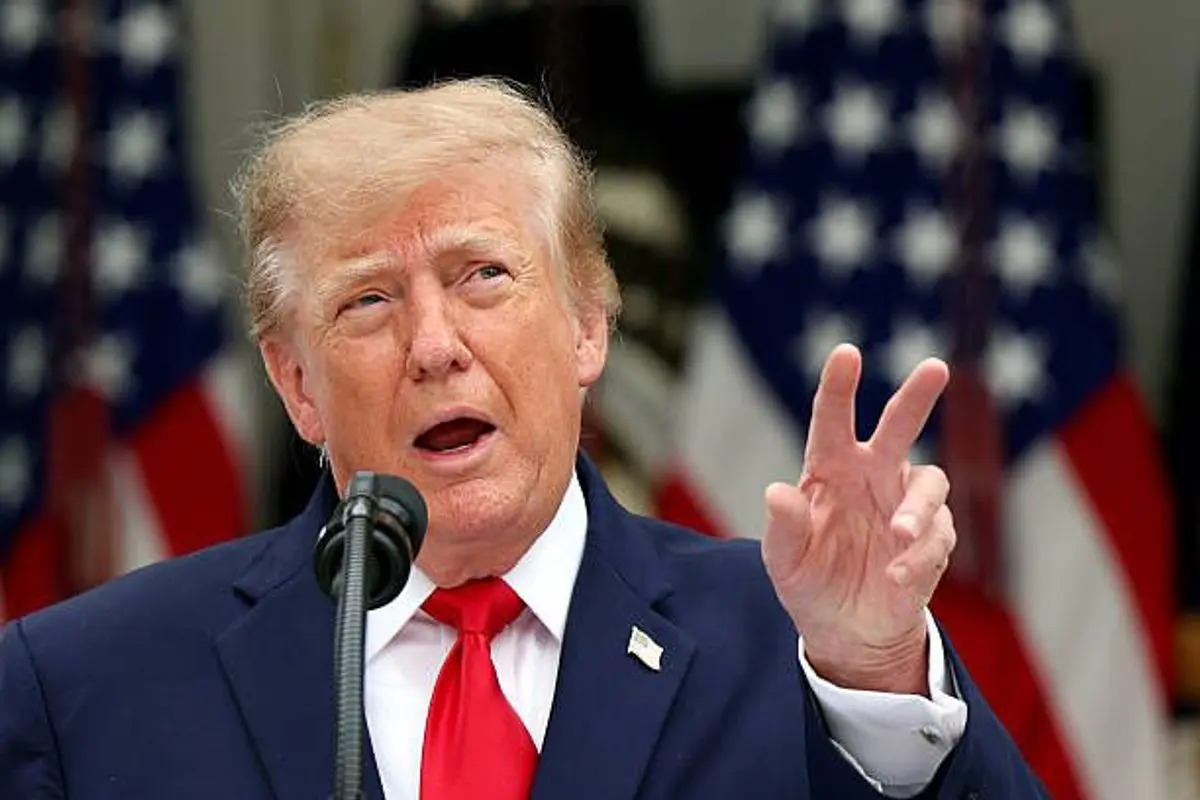
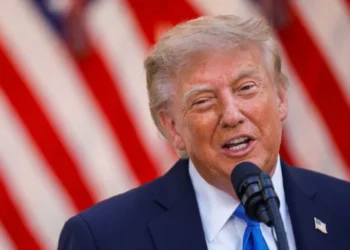
US President Donald Trump has put a sweeping package of sanctions against Russia on hold, raising fresh questions about Washington’s strategy towards Moscow as tensions deepen between the White House and Ukrainian President Volodymyr Zelenskyy. The decision came just days before the restrictions were due to take effect and follows growing criticism of the administration’s approach to the war in Ukraine, including a controversial announcement that the United States would purchase diesel from Russia to help reduce global energy prices.
In an executive order issued on Friday, Trump said he was waiving numerous sanctions, restrictions and duties that formed part of legislation passed by both chambers of the US Congress. He informed lawmakers that suspending the measures was in the national interest, effectively delaying the implementation of a policy designed to increase economic pressure on the Kremlin over its invasion of Ukraine.
The move represents a significant development in the debate over how the United States should use its economic influence to bring an end to the war. While supporters of tougher sanctions argue that restricting Russia’s access to international finance and energy revenues could weaken its ability to sustain military operations, Trump has increasingly emphasised energy prices and diplomatic negotiations as central considerations in his approach.

The legislation, known as the Lindsey O. Graham Sanctioning Russia and Iran Act of 2026, was signed by Trump last month after receiving support from Republicans and Democrats in Congress. Its passage was regarded as a rare instance of bipartisan agreement on a major foreign policy measure, reflecting concerns among lawmakers about Russia’s continuing war against Ukraine and the financial resources available to Moscow.
The bill was championed by the late Republican senator Lindsey Graham, who had advocated stronger economic measures against Russia. It was intended to accelerate efforts to target Russian officials, financial institutions and the network of oil tankers used to transport the country’s energy exports despite existing Western restrictions.
Under the legislation, the administration was required to implement the relevant sanctions and tariffs by 18 October or formally waive them. With the deadline approaching, Trump opted to suspend significant parts of the package, leaving questions about when, or whether, the proposed restrictions would be enforced.
One of the most consequential provisions would authorise tariffs of up to 100 per cent on imports from the five largest purchasers of Russian oil or natural gas. The measure was designed to increase the economic cost of continuing to buy Russian energy by putting pressure on countries that provide an important source of revenue to Moscow.
However, the legislation also provides an exception for countries importing less than 15 per cent of Russia’s natural gas exports that have taken substantial steps to reduce their dependence on Russian supplies. The provision reflects an effort to balance economic pressure on Russia with the practical challenges faced by countries that remain reliant on its energy resources.
The suspension has intensified concerns among lawmakers who believe that Russia’s energy income remains a critical factor in its ability to finance the war. They argue that stronger sanctions could limit Moscow’s financial flexibility and encourage the Kremlin to consider negotiations more seriously.
Trump’s decision also comes amid mounting controversy over the administration’s plan to purchase Russian diesel. The president announced the proposed arrangement last week, saying Russia would supply substantial quantities of fuel in an effort to bring down international energy prices. The announcement surprised critics who have spent years advocating measures to reduce Russia’s energy earnings and isolate its economy following the invasion of Ukraine.
According to Trump’s announcement, Russia would initially supply more than 300,000 metric tonnes of diesel, followed by an additional 500,000 tonnes in November and one million tonnes immediately afterwards. He also indicated that a further three million tonnes would be delivered within a relatively short period.
The proposed arrangement has prompted questions about the relationship between Washington’s economic priorities and its stated commitment to supporting Ukraine. Energy prices have become an increasingly sensitive issue for the US administration, particularly as American households and businesses remain vulnerable to fluctuations in fuel costs.
Trump has argued that reducing energy prices is necessary to protect consumers and support the domestic economy. However, critics contend that purchasing significant quantities of fuel from Russia could undermine efforts to restrict the Kremlin’s revenue and weaken the broader international sanctions strategy.
A group of 12 US senators, including six Republicans, has called on the president to reconsider the diesel arrangement. In a bipartisan letter sent on Tuesday, the lawmakers urged Trump to use the sanctions powers provided by the legislation signed last month rather than pursue a policy that could direct additional money towards Russia.
The intervention illustrates the political divisions surrounding the administration’s approach. Although some Republicans have supported Trump’s emphasis on negotiations and lower energy costs, others have argued that economic pressure remains necessary to deter further Russian aggression and strengthen Ukraine’s position.
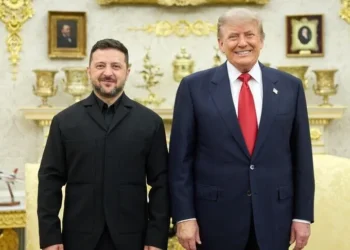
The sanctions dispute has unfolded alongside an increasingly public deterioration in relations between Trump and Zelenskyy. The US president has criticised the Ukrainian leader in recent days and suggested that Ukraine may need new leadership, comments that have heightened uncertainty about the future of Washington’s relationship with Kyiv.
The disagreement has become particularly sensitive as Ukraine continues to defend itself against Russian military attacks. Kyiv has repeatedly sought sustained American military, intelligence and diplomatic support, regarding cooperation with Washington as an important element of its national defence.
Trump also surprised Zelenskyy last weekend by announcing that Ukraine and Russia had agreed not to target each other’s energy infrastructure. The announcement came as the US president sought to reduce the economic consequences of attacks on energy facilities, including Ukrainian strikes against Russian refineries that his administration has blamed for contributing to higher fuel prices.
The issue carries significant domestic political implications for Trump. The United States is approaching midterm elections, and Republicans are attempting to defend narrow majorities in both the Senate and the House of Representatives. Higher fuel prices could create additional pressure on the governing party by increasing household expenses and intensifying criticism of its economic policies.
The administration’s apparent shift has also raised concerns about its military and intelligence relationship with Ukraine. Reports have suggested that Washington may be withholding intelligence about incoming Russian ballistic missile attacks and restricting certain uses of Starshield, the military version of the Starlink satellite communications network.
The reported restrictions concern the use of satellite connectivity on drones travelling faster than 100 miles per hour, or approximately 161 kilometres per hour. Such limitations could affect Ukraine’s ability to use some drone systems effectively, although the allegations concerning intelligence sharing and satellite access have not been officially confirmed.
For Ukraine, the combination of a potential reduction in operational support and the suspension of new sanctions could complicate its efforts to maintain military pressure on Russia while protecting its infrastructure. Russian attacks on Ukrainian energy facilities have remained a major concern, particularly as damage to power plants and related infrastructure threatens electricity supplies and civilian living conditions.
Zelenskyy raised concerns about the financial consequences of the proposed diesel agreement while meeting European leaders in Brussels on Friday. He warned that the arrangement could allow money to flow back into Russia, reinforcing Kyiv’s argument that purchases of Russian energy risk undermining international efforts to constrain Moscow’s war financing.
European governments have faced their own challenges in balancing energy security, economic stability and support for Ukraine. While many have sought to reduce their dependence on Russian supplies, the possibility of renewed American purchases has raised questions about coordination among Western partners and the consistency of their policies towards the Kremlin.
The controversy has also become an important issue in the political contest surrounding the Senate seat previously held by Lindsey Graham. His sister, Darline Graham, was appointed to serve the remaining months of his term and is campaigning to secure the position on a permanent basis. The sanctions legislation has become a prominent part of that campaign.
During a debate earlier this week in Columbia, South Carolina, Darline Graham defended her involvement in securing passage of the legislation while acknowledging that decisions about implementation rested with the president. She argued that the law gave the administration additional tools to pursue an end to the war through economic pressure, while also expressing the view that ending the conflict could help lower energy prices.
Her comments reflected the tension at the centre of the dispute: whether economic sanctions should be used immediately to increase pressure on Russia or retained as an option within a broader diplomatic strategy led by the president.
The debate is unlikely to be resolved solely by the suspension of the current measures. Lawmakers who supported the legislation may continue to demand explanations from the administration, while Ukraine and its European partners will be watching for signs of whether Washington intends to maintain its existing commitments or move towards a different approach.

The immediate effect of Trump’s decision is to delay the application of a sanctions package that had been expected to expand economic pressure on Russia. Its longer-term implications will depend on whether the administration eventually implements the restrictions, extends the waiver or pursues alternative arrangements intended to influence Moscow.
For Ukraine, the uncertainty comes at a particularly difficult moment, as the country continues to face military threats and seeks dependable support from its principal Western partners. For Russia, the suspension could provide temporary relief from additional economic pressure, although the ultimate impact will depend on the wider sanctions regime and developments in international energy markets.
Trump’s decision highlights the competing priorities shaping US policy: reducing fuel prices for American consumers, preserving diplomatic flexibility and determining how economic pressure should be used to end the war. Whether those objectives can be reconciled remains uncertain, particularly as disagreements with Kyiv become more visible and bipartisan support for tougher measures faces its first major test.
Related News:
 Trump Pledges $5,000 if Republicans Win Midterms
 Brazil Court Scandal Threatens Lula as Bolsonaros Rise
 Trump Rallies GOP as Senate Democrats Boost Key Races
 Trump approval plunges amid Iran war fears
 Trump Threatens UN Budget Cuts as US Pushes ‘Trade Over Aid’ Agenda
 US Awaits Iran Reply on New Ceasefire Proposal
 Hormuz Talks Near Critical Stage
 Reeves Fights to Keep Treasury Role Amid Labour Turmoil
 Trump Refuses to Sign Housing Bill, But Law Takes Effect
 Trump announces major US oil deal with Venezuela
 Trump Hardens Canada Trade Stance as Talks Stall
 Trump Calls Iran War ‘Small Potatoes’ Despite US Deaths
 US House Passes Russia Sanctions Bill Amid Debate
 Macron and Carney deepen France-Canada ties
 Trump Eyes Major Belarus Fertiliser Deal Amid Canada Trade Dispute
 Tony Blair Calls for Britain to Rejoin EU Within a Decade
 Xi urges Trump to avoid US-China military conflict
 Lula accuses Trump of seeking control over Brazil
 Saudi intercepts Houthi missiles as oil fears grow
 Trump Ads Trigger Fight Over Taxpayer Money
 EU-China Talks Target Surge in Hybrid Car Imports
 Tanker Attacked Near Qatar as Hormuz Tensions Escalate
 US Senate Debates Turn Bitter as Midterms Near
 Trump’s Russian Diesel Deal Sparks Ukraine Fury
 France Faces Debt Crisis as Protests and Markets Clash
 Millions Face Tougher Medicaid Rules From January
 Trump Targets Arizona and Montana Amid GOP Election Worries
 Brazil Cuts Working Week to 40 Hours in Lula Election Boost
 Serbia Leader Linked to Controversial Trump Tower Plan
 Canada Passes Carney’s First Budget in Tight Parliamentary Vote
 India’s Labour Law Overhaul Sparks Fierce Debate
 Government Unveils Northern Powerhouse Rail Plans
 Trump Fed bid heads to Supreme Court
 Thousands Protest ICE Operations in Nationwide US Day of Action
 Epstein Files Reveal Trump Officials’ Emails with Financier
 Trump to Deploy “God Squad” Over Gulf Wildlife Protections
 UK Stands Firm on Falklands Amid US Rift
 Capitalism ‘Suicidal’, Warns Petro at Climate Summit
 Oil Prices Surge Above $120 Amid Iran Blockade Fears
 $13bn World Cup Set to Break All Revenue Records
 Trump orders US troop pullout from Germany
 Judge halts deportation of Yemeni refugees in US
 Ohio’s Battle for Trust: Democrats Vying to Flip the Buckeye State
 US ‘Narco Boat’ Strikes Draw Global Outcry
 Afghan Families Left in Limbo Face Risk of Deportation
 Kevin Warsh sworn in as Fed chair amid economic backlash
 Nationwide Faces Governance Scrutiny Ahead of AGM
 House Curbs Trump’s War Powers in Rare Rebellion
 Ukraine Creates Long-Range Strike Command
 Houthis Strike Saudi Arabia as Middle East Tensions Rise
 Reform Faces Fresh Financial Controversy
 Swedish Mining Push Puts Sami Land Rights Under Pressure
 UK plans tougher Israel stance with settlement trade ban
 Trump gives $45,000 holiday gifts to White House aides
 Trump Threatens EU With Tariffs Over Canada Proposal
 US Networks Suspend Trump White House Pool Coverage
 MPs Defend UK Economic Watchdog Against Critics
 Trump gives Xi red-carpet welcome as trade truce extends
 Republican Senator Questions Trump Ad Spending
 Burnham Opens Door to Possible UK Return to EU
 Brazil Election Draws Religion Into Final Campaign
 French Debt Fears Put Euro Markets Under Pressure
 UK Diesel Reaches £2 as Inflation Surges Across Europe
 Lula Warns of Bolsonaro Family Return as Brazil Votes
 DOJ Declines to Reopen Powell Renovation Probe
 Families Await USS Abraham Lincoln Homecoming
 Quebec separatists return to power without majority
 Canadian Veterans Condemn Trump Allies’ Military Remarks
 Argentina Protesters Resist Milei’s Land Sale Drive
 IMF Warns Governments Over Rising Debt Burdens
 South Korea Probes Fuel Shipments to Russia
 Ministers Push ATO to Reconsider Credit Card Ban
 Trump Says He Deserves Nobel Peace Prize
 Houthi Missile Claim Sparks Riyadh Airport Disruption
 Trump Rules Out Iran Attack Before US Elections
 Australia Rejects Russian Fuel as Trump Strikes Deal
 Trump Names Katie Zachariah as Next White House Press Secretary
 Hall and Woodford Win Nobel Economics Prize
 IMF Warns Global Economy Is Nearing Its Limits
 UK Could Rejoin EU Through a Switzerland Plus Deal