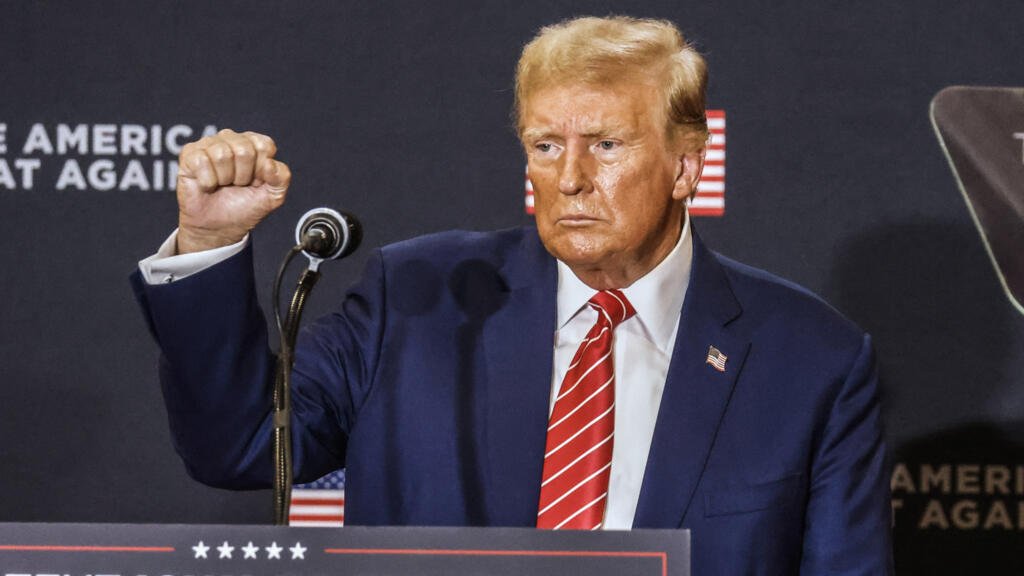
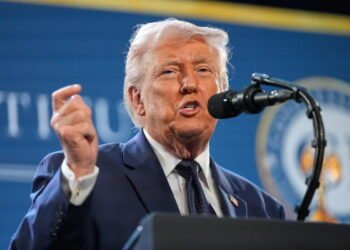
Americans are heading to polling stations across the United States in a closely watched midterm election that could significantly reshape the country’s political landscape and determine how much power President Donald Trump can exercise during the remainder of his second term. With control of both chambers of Congress at stake, the election is widely being viewed as a public verdict on Trump’s leadership, domestic policies, economic performance and increasingly controversial approach to international affairs.
The Republicans currently control both the Senate and the House of Representatives, giving the president considerable political support in Congress. However, Democrats are hoping to take advantage of growing dissatisfaction with the administration and secure enough seats to regain control of one or both chambers. A strong Democratic performance could place significant limits on Trump’s legislative ambitions and increase congressional scrutiny of his administration.
The midterm elections traditionally present a difficult challenge for the party occupying the White House. Historically, the president’s party has often lost congressional seats during the midterm cycle, as voters use the opportunity to express dissatisfaction with the administration without directly deciding the presidency. Democrats are hoping this established political pattern will work in their favour, potentially producing what party supporters describe as a blue wave of opposition.

Throughout the campaign, Trump has remained at the centre of the political debate. Rather than allowing Republican candidates to campaign independently, the president has travelled extensively across the country, attending dozens of rallies and encouraging his Make America Great Again supporters to turn out in large numbers. He has repeatedly urged voters to support Republican candidates, presenting the congressional contests as an opportunity to strengthen his political programme.
The president’s unusually prominent involvement reflects the importance he attaches to maintaining Republican control of Congress. A Republican victory would allow his administration to continue pursuing its legislative priorities with fewer obstacles. Conversely, a Democratic takeover could create a more confrontational relationship between the White House and Congress, potentially affecting legislation, government spending, investigations and the implementation of major policy decisions.
Democrats have focused much of their campaign on the argument that the election is about accountability and the concentration of presidential power. They have criticised the administration’s immigration policies, including large-scale arrests and deportations, and raised concerns about the economic consequences of the president’s international trade measures. They have also questioned the administration’s military decisions, particularly its involvement in the conflict with Iran.
The party has additionally highlighted controversial construction projects associated with the president, including plans for a major ballroom at the White House. Democratic campaigners argue that the administration has devoted too much attention to political and personal priorities while ordinary Americans continue to struggle with the rising cost of everyday necessities.
Opinion polls have indicated that Democrats are comparatively well positioned to regain control of the House of Representatives. Their prospects in the Senate, however, remain more uncertain. The party needs to overcome a challenging electoral map and secure victories in several Republican-held states if it hopes to take control of the upper chamber.
Among the most closely watched Senate contests are races in Ohio, Texas and Maine. These states have attracted particular attention because their outcomes could influence the overall balance of power in Washington. Democrats are attempting to persuade voters who may be dissatisfied with the administration that a change in congressional leadership could provide greater political oversight and a different direction for the country.
Polling released by The New York Times and Siena University shortly before election day suggested that Democratic candidates were leading in five of seven important Senate battleground contests. The findings attracted considerable attention because the reported Democratic advantages included Texas and Kansas, states with long histories of electing Republican senators. Texas has not elected a Democrat to the Senate since 1988, while Kansas has not done so since 1932.
Although polling figures provide an indication of voter sentiment, they cannot guarantee the final outcome. Differences in turnout, campaign organisation, local political conditions and the preferences of undecided voters could all influence the results. The Senate contests are therefore expected to remain highly competitive as Americans cast their ballots.
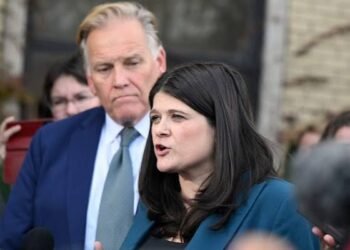
The Democratic campaign has also experienced internal disagreements that could complicate its efforts in several important states. Michigan has emerged as a particularly sensitive battleground following an unexpected political development involving Democratic congresswoman Haley Stevens.
Stevens, who lost the Democratic Senate primary to Abdul El-Sayed, publicly endorsed Republican candidate Mike Rogers shortly before election day. Her decision generated considerable anger among Democratic politicians and supporters, particularly because Michigan is regarded as an important state in the battle for Senate control.
The disagreement followed tensions between Stevens and the El-Sayed campaign over an advertisement produced by an outside political group. The advertisement reportedly connected the rising cost of living in the United States with American support for Israel. The dispute developed into a wider political confrontation, eventually leading Stevens to support her former opponent’s Republican rival.
Senate Democratic leader Chuck Schumer strongly criticised the endorsement, describing it as a betrayal. Other Democrats also expressed disappointment, arguing that the decision could weaken party unity at a critical moment. El-Sayed, meanwhile, continued campaigning and told supporters in Royal Oak, Michigan, that political distractions should not divert attention from the economic pressures facing ordinary households.
The Michigan controversy followed another difficult episode for Democrats in Alaska. Reports emerged that the campaign of Democratic Senate candidate Mary Peltola had been involved in an effort to recruit a candidate whose name was almost identical to that of Republican senator Dan Sullivan. Such a development raised questions about the potential for voter confusion, although Peltola denied having knowledge of any such scheme by her campaign.
The controversy also intersected with legal action initiated by the Department of Justice over the certification of Alaska’s Senate election results in the event of a Republican defeat. The department had argued that the presence of two candidates with the name Dan Sullivan on the ballot could create confusion among voters. However, a judge subsequently dismissed the lawsuit, removing an important legal obstacle surrounding the certification process.
These developments have intensified concerns about the political and legal environment surrounding the elections. The Justice Department, now under the leadership of Todd Blanche, a close ally of Trump, has also pursued other measures that critics argue could undermine confidence in the electoral process. Opponents have particularly objected to claims concerning alleged widespread voting by non-US citizens, arguing that such accusations risk creating unnecessary doubts about election integrity.
Trump’s declining approval ratings have become another central issue in the campaign. Opinion surveys have placed his approval level between 33 and 37 per cent, representing a significant political challenge for a president whose party is attempting to retain control of Congress. Democrats have used these figures to argue that public confidence in the administration has weakened considerably.
Economic concerns have played an especially important role in shaping voter attitudes. During his 2024 presidential campaign, Trump promised to reduce living costs and improve economic conditions for American households. However, many voters continue to face pressure from higher prices, making affordability one of the most politically sensitive issues of the midterm campaign.
The conflict with Iran has added another dimension to the economic debate. The war, launched by the United States and Israel in February, has contributed to higher global oil prices and increased uncertainty in international energy markets. Rising fuel costs have affected American motorists, while higher diesel prices have placed additional pressure on farmers, transport operators and businesses dependent on supply chains.
Democrats have argued that the administration’s foreign policy decisions have contributed to economic difficulties at home. They have attempted to connect international developments with the everyday experiences of voters, particularly the cost of filling vehicles, transporting goods and purchasing essential products.
Questions surrounding political corruption and personal financial interests have also become prominent. A recent Harris poll conducted for The Guardian found that 76 per cent of respondents believed elected officials were more concerned with enriching themselves than improving the economy for ordinary Americans. The findings suggest widespread public frustration with the political establishment and growing demands for greater transparency and accountability.
Financial disclosures submitted to the US Office of Government Ethics have indicated that Trump earned approximately $2.2 billion after returning to the White House. The reported earnings included income associated with his business interests and royalties connected to a cryptocurrency meme coin bearing his name. Democrats have highlighted these financial activities while questioning whether sufficient safeguards exist to prevent potential conflicts of interest.
Beyond the domestic political debate, the election has raised questions about the future of democratic institutions and public confidence in the voting process. The Justice Department plans to deploy approximately 1,000 election monitors to polling stations across the country, a record number according to the reported plans. Supporters may describe monitoring as a measure to protect electoral integrity, but critics have warned that a large federal presence could intimidate voters and discourage participation.

The possibility that Trump might refuse to accept an unfavourable election outcome has also become part of the wider political discussion. His opponents have expressed concern about statements and legal initiatives that they believe could weaken public trust in the results. The administration’s approach to election oversight is therefore likely to attract considerable attention as ballots are counted.
Ultimately, the 2026 midterm elections represent more than a routine congressional contest. They offer American voters an opportunity to influence the balance of political power, determine the extent of congressional oversight and express their views on the direction of the country. For Republicans, retaining both chambers would strengthen Trump’s position during the remaining years of his presidency. For Democrats, winning control of Congress would provide an opportunity to challenge administration policies and introduce a stronger system of political accountability.
The results could also influence the strategies of both parties ahead of the next presidential election. A Republican victory would reinforce Trump’s political influence, while significant Democratic gains could signal a broader shift in public sentiment. As polling stations open across the country, the attention of political leaders, investors and international observers is firmly focused on the American electorate. The outcome will help determine not only who controls Congress but also how the United States is governed during a consequential period in its political history.
Related News:
 Trump Ads Trigger Fight Over Taxpayer Money
 Tanker Attacked Near Qatar as Hormuz Tensions Escalate
 Brazil Court Scandal Threatens Lula as Bolsonaros Rise
 Trump Targets Arizona and Montana Amid GOP Election Worries
 Brazil Cuts Working Week to 40 Hours in Lula Election Boost
 Trump Rallies GOP as Senate Democrats Boost Key Races
 Serbia Leader Linked to Controversial Trump Tower Plan
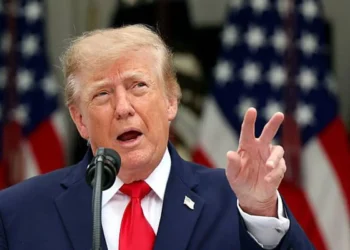 Trump Falsely Questions Ossoff’s Election Legitimacy
 Meta Faces Election Bias Claims Ahead of Brazil Runoff
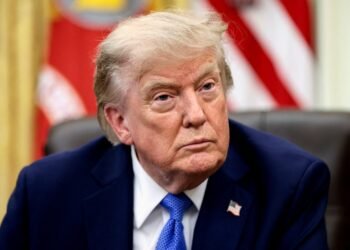 Global Crises Test Diplomacy as Trump’s Policies Face Scrutiny
 Thousands Protest ICE Operations in Nationwide US Day of Action
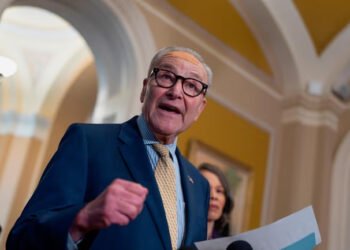 US Court Ruling Reshapes Voting Rights Landscape
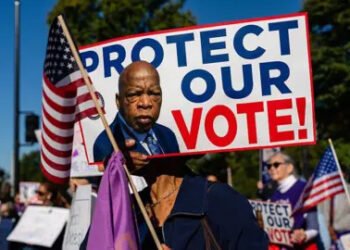 US states redraw maps after voting rights ruling
 Judge halts deportation of Yemeni refugees in US
 Trump approval plunges amid Iran war fears
 Trump Threatens UN Budget Cuts as US Pushes ‘Trade Over Aid’ Agenda
 Trump warns Iran as Middle East tensions surge again
 US Court Restores Abortion Pill Access Temporarily
 US Awaits Iran Reply on New Ceasefire Proposal
 Hormuz Talks Near Critical Stage
 Trump’s Revenge Drive Deepens GOP Divide
 Former ICC prosecutor condemns US sanctions
 Gunman Killed After White House Security Shootout
 Mystery Grows Over Mitch McConnell’s Health
 Trump Refuses to Sign Housing Bill, But Law Takes Effect
 Trump announces major US oil deal with Venezuela
 Trump Hardens Canada Trade Stance as Talks Stall
 Trump Calls Iran War ‘Small Potatoes’ Despite US Deaths
 UK plans tougher Israel stance with settlement trade ban
 Trump Pledges $5,000 if Republicans Win Midterms
 US House Passes Russia Sanctions Bill Amid Debate
 Trump Media Ban Triggers First Amendment Clash
 Macron and Carney deepen France-Canada ties
 US Networks Suspend Trump White House Pool Coverage
 Trump and Mamdani Hold Cordial Gracie Mansion Meeting
 Trump Eyes Major Belarus Fertiliser Deal Amid Canada Trade Dispute
 Xi urges Trump to avoid US-China military conflict
 Lula accuses Trump of seeking control over Brazil
 Republican Senator Questions Trump Ad Spending
 Burnham Opens Door to Possible UK Return to EU
 Trump Immigration Policy Faces New Legal Tests
 Latin America women fear rollback of rights
 Lithuania Offers to Fund Permanent US Military Base
 Trump Rally Faces Protests as Texas Race Tightens
 Trump Says He Deserves Nobel Peace Prize
 US Senate Debates Turn Bitter as Midterms Near
 Trump’s Russian Diesel Deal Sparks Ukraine Fury
 Trump Attacks Norway After Nobel Peace Prize Snub
 Ten US Midterm Races That Could Defy Expectations
 Millions Face Tougher Medicaid Rules From January
 Ohio Airports Become Key Hubs for ICE Deportation Flights
 UK Urges Interpol to Reject Argentina’s Falklands Arrest Requests
 Judge Blocks Trump White House Media Ban
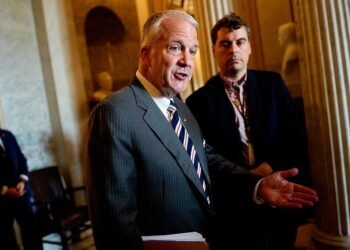 Trump Warns Alaska Voters Over Rival Dan Sullivans
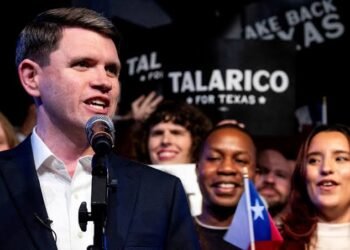 Talarico Faces Tough Voter Test in Texas Senate Race
 Trump’s Ambassador Picks Face Growing Controversy
 UK Could Rejoin EU Through a Switzerland Plus Deal
Trump Halts New Russia Sanctions Amid Ukraine Rift
 Trump Administration Threatens California Election Officials
 Alberta Referendum Exposes Deep Divisions Over Independence
 Obama Warns Against Threat to Ilhan Omar’s Citizenship
 Trump Fears Shock Democratic Senate Win in Kansas
 Alberta Voters Reject Push for Canadian Independence
 Trump Pledges $400m to Boost Republicans in Midterms
 Omar Claims US Raid on Residence Was Meant to Intimidate
 US Midterms Could Reshape Trump’s Second Term
Trump’s Midterm Campaign Faces Racism and Political Backlash
 Flávio Bolsonaro Reportedly Leaves Brazil After Election Defeat
 Fed Expected to Hold Rates Steady Ahead of US Midterms
 Trump’s Global Policies Put Republicans at Risk
 G20 Photo Cancelled as Russia Deepens Western Rift
 Haley Stevens Backs Republican Rival in Michigan Senate Race
 Unions Warn Labour Over Zero-Hours Contract Reforms
 Trump gives $45,000 holiday gifts to White House aides
 Trump gives Xi red-carpet welcome as trade truce extends
 Badenoch Raises Prospect of 2027 UK Election
 Trump Names Katie Zachariah as Next White House Press Secretary
 Lula Supporters Make Final Push Ahead of Brazil Runoff
 UK Land Registry Plan Faces Opposition From Landowners
 Trump Again Demands Peltola Prosecution as Alaska Race Escalates