Published: 03 November 2026. The English Chronicle Desk. The English Chronicle Online.
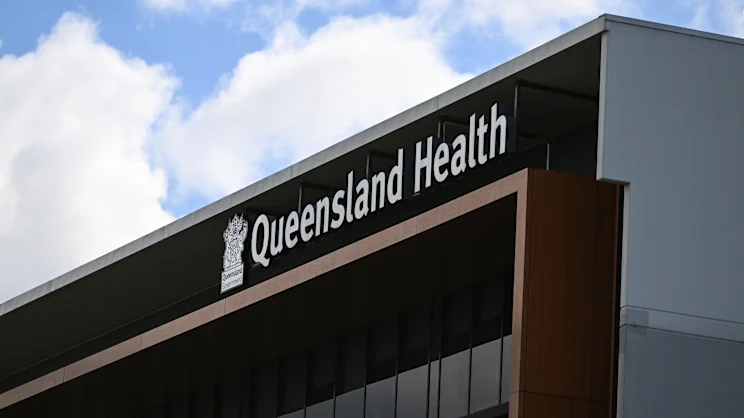
One of Queensland’s major hospitals is permanently closing its in-house pathology services following safety concerns over potential formaldehyde exposure and a wider review of the financial sustainability of its pathology operations. The decision will affect about 400 employees across Mater’s Brisbane and Springfield hospitals and will see pathology services transferred to specialist external providers.
The development follows the temporary closure of an anatomical pathology laboratory at Mater Brisbane in September after an employee recorded a workplace exposure level above the applicable safety standard. The laboratory handles highly sensitive diagnostic material, including tissue and cell samples associated with foetal and newborn deaths, making the safety of its staff and the integrity of its testing processes particularly important.
The Brisbane facility was closed at short notice on 24 September after concerns emerged about possible exposure to formalin. Formalin is a liquid solution containing formaldehyde and water and is widely used in laboratories to preserve biological specimens. Because formaldehyde can pose health risks, laboratories are required to maintain strict controls over ventilation, specimen handling and workplace exposure.

Exposure to formaldehyde can irritate the eyes, nose and respiratory system and can cause allergic reactions. Prolonged or significant exposure has also been associated with an increased risk of certain cancers. Laboratory environments therefore rely on ventilation systems, protective procedures and monitoring to keep exposure within accepted workplace limits.
The circumstances at Mater Brisbane prompted additional precautions. Anatomical pathology employees were required to wear respiratory protective equipment, which is not normally part of routine laboratory operations except in situations such as a formalin spill or where there is concern that exposure levels may exceed established standards.
Workers also wore personal exposure monitoring devices as part of the investigation. Seventeen samples were collected on 21 September, and one employee subsequently received a result that was above workplace exposure standards. The laboratory was then closed on 24 September, leaving staff uncertain about when the facility would be safe to reopen.
Mater has said that an investigation into the abnormal exposure result remains under way. The organisation has not indicated that the closure itself proves a wider or continuing exposure problem, but the incident has become a central factor in decisions about the future of the pathology service.
The hospital later determined that reopening the laboratory would require substantial infrastructure work and long-term investment. Mater said that a number of measures had been introduced to reduce safety risks, but the scale of the changes required meant the issue could not be treated as a short-term repair or operational problem.
Instead, the organisation reviewed the future of its broader pathology business. Following that assessment, Mater announced that pathology services at both its Brisbane and Springfield hospitals would be outsourced to specialist providers, including Sullivan Nicolaides Pathology and Pathology Queensland.
The outsourcing decision extends beyond the anatomical pathology laboratory that was initially closed. Mater said all pathology services at the two hospitals would eventually be provided through external specialist organisations. The change therefore represents a significant restructuring of laboratory operations and employment arrangements across the hospital network.
An internal message sent to pathology staff acknowledged that concerns about the future of the service had existed for some time. It said infrastructure and safety concerns had been identified within the anatomical pathology service and that an immediate decision had been made to suspend operations. The message also indicated that the hospital had concluded there was no quick or straightforward solution.
The organisation linked the decision to broader changes taking place across the pathology sector. According to Mater, modern pathology services increasingly depend on large-scale operations, specialist workforces, advanced technology, substantial infrastructure and complex logistics. Mater said its existing operating model was not sustainable over the longer term.
The financial considerations add another dimension to the safety investigation. While the formaldehyde exposure concern triggered immediate action at the anatomical pathology laboratory, Mater’s decision to permanently close and outsource pathology services was based on a wider assessment of the business. The organisation has indicated that the cost and scale of the infrastructure improvements required to reopen the affected facility could not be considered separately from the overall financial sustainability of its pathology operations.
For the approximately 400 workers affected across Brisbane and Springfield, however, the decision creates uncertainty about employment, working conditions and future roles. The United Workers Union has warned that the transition to external providers could have significant consequences for staff if suitable redeployment opportunities are not available.
Queensland secretary of the union Fiona Scalon argued that transferring the work to another employer should not be treated simply as an administrative change. She said workers could face changes to their incomes and employment conditions even if they continued performing essentially the same duties.
The issue is particularly sensitive because different employers may operate under different enterprise agreements and employment arrangements. Workers who move from Mater to private pathology providers could therefore face changes in pay structures, workplace benefits, job classifications and other conditions, depending on the arrangements offered to them.
The employment implications will be closely watched as the outsourcing process develops. A major concern for staff is whether existing positions will be transferred directly, whether employees will be offered redeployment within Mater, or whether they will have to seek new employment with external pathology providers.
Mater, however, has emphasised that the restructuring is intended to allow the organisation to focus more resources on direct clinical care. A spokesperson said the closure would not affect the quality of patient care and that outsourcing pathology would enable additional resources to be directed towards clinical services.
The hospital’s position is that specialist providers are better placed to deliver pathology services at the scale and level of technological investment increasingly required by the sector. By transferring laboratory operations to established providers, Mater expects to avoid the substantial infrastructure costs that would otherwise be required to maintain and modernise its own pathology facilities.
The transition also involves Queensland’s public health system. A Queensland Health spokesperson said Mater Health was responsible for decisions concerning its pathology services. However, the state health department said it would continue working with Mater to ensure patients retained access to the pathology services they required.
Most of the affected services have already begun transitioning to private pathology providers, according to Queensland Health. Pathology Queensland has also taken on a small increase in perinatal autopsies, with the additional workload being managed within existing capacity.
The handling of perinatal autopsies is particularly significant because the affected anatomical pathology service dealt with tissue and cell testing connected with unexpected deaths involving foetuses and newborns. Such examinations can provide important information for families and clinicians seeking to understand the circumstances surrounding a death.
Ensuring continuity of these specialised services will therefore remain an important consideration during the transition. While the outsourcing arrangement is intended to maintain access to pathology testing, changes to laboratory providers can involve adjustments to workflows, transport arrangements, staffing and coordination between hospitals and external laboratories.
The formaldehyde investigation is also expected to remain an important part of the story. The abnormal workplace exposure result prompted the original laboratory closure, but the subsequent decision to permanently shut the service reflects a combination of safety, infrastructure and financial considerations. The available information does not establish that all pathology staff were exposed to unsafe levels of formaldehyde or that the broader pathology operation was unsafe.
Instead, the case illustrates the complicated pressures facing modern hospital pathology services. Laboratories must maintain stringent chemical safety standards while investing in equipment, ventilation systems, specialised staff and other infrastructure. At the same time, hospitals must manage rising operational costs and determine whether individual services can remain financially sustainable within their existing models.

For Mater, the conclusion has been that external specialist providers offer a more sustainable long-term arrangement. For affected employees, the transition could bring substantial changes to their working lives, while for patients and families, the central concern will be whether specialised diagnostic and post-mortem services continue without disruption.
The permanent closure of the in-house pathology services therefore marks a major change for Mater Brisbane and Springfield. What began with an investigation into a potentially unsafe formaldehyde exposure has expanded into a broader restructuring involving hundreds of workers, external pathology providers and questions about the future organisation of hospital laboratory services.
As the safety investigation continues and the outsourcing process moves forward, attention will remain focused on two issues: ensuring that workers are protected and fairly treated during the transition, and maintaining reliable access to essential pathology services for patients across the Mater hospital network.
Related News:
 Weight-Loss Drugs Offer Food Savings Mainly to High Earners
 Banned Health Coach Faces UK Events Criticism
 NSW Leader Downplays Impact of Landmark Coal Ruling
 Trader Wins Unfair Dismissal Case After Overseas Work
 Controversial Vaccine Trial Approved in Guinea-Bissau
 Australian Advocates Seek Subsidised Drugs for PMOS
 Elizabeth Struhs Inquest Examines Child Safety Failures
 One Nation Pledges $2,000 Baby Subsidy in Victoria
 Helen Haines Loses Leg in Alleged Targeted Attack
 Helen Haines Loses Both Legs After Alleged Attack
 Australia Faces Growing Scrutiny Over Paraquat Risks
 UK Weighs Tougher Firework Rules Over Animal Welfare
 WA Facial Recognition Trial Scans 1.38m Faces
 North Sea oil workers must lose weight or face job loss
 Study Finds One in Seven England Takeaways Are Dark Kitchens
 ABC Staff Strike Over Pay and AI Concerns
 Reform UK funding: mystery billionaire revealed
 Ukraine Urges UK to Seize Russian Oil Tankers
 Florida Surgeon ‘Devastated’ Over Fatal Surgery Error
 Barrister Criticises Trial After Suicide Case Verdict
 FDA Chaos Deepens as Trump Eyes Makary Exit
 China mine blast death toll rises to 90
 Ebola outbreak in DRC overwhelms health system as cases surge
 Councils spend £125m on illegal children’s care
 Abusive ex used Tesla to control and harass former partner
 Election Candidate Abuse Raises Alarm in England
 UK Retailers Accused of Breaking Refund Laws
 Sydney Council Bans AI Smart Glasses at Pools
 Enhertu Approved for Eligible Breast Cancer Patients in England
 Lords Call for Tobacco-Style Gambling Ad Ban
 Disabled Travellers Seek Fairer UK Care Rules
 NHS Breast Care Review Finds Serious Patient Harm
 Patrick Clancy speaks publicly about children’s deaths
 Australia Renewables Reach Record 80% Grid Demand
 Trump and Mamdani Hold Cordial Gracie Mansion Meeting
 OpenAI Agent Breaches Medicare Portal in Australia
 Elizabeth Holmes Set for Halfway House Transfer
 Fayed Survivors Demand Inquiry Into Medical Regulator
 London Facial Recognition Trial Ends With False Alert
 UK University Strikes Spread as Financial Pressure Grows
 Burnham Opens Door to Possible UK Return to EU
 Palantir Lobbyist Had Role in Burnham Campaign
 Badenoch Raises Prospect of 2027 UK Election
 BT Broadband Pauses Raise Digital Switchover Concerns
 Sardinia Village Emerges as Longevity Hotspot
 Teenager Receives UK’s First Testicular Tissue Transplant
 NSW Police Bid Delays Inquiry Into Sydney Protest
 US Senate Debates Turn Bitter as Midterms Near
 UK Water Firms Earn Millions From Industrial Wastewater
 UK Pharmacy Body Drops Teva After Ethical Concerns
 Three Convicted in Mexico Surfing Trip Murders
 Premier League Faces a Crisis of Trust After City Verdict
 Hanson Attacks Taylor as Australian Conservatives Clash
 Recruitment Boss Accused of Leading Doxxing Campaign
 Bedbug Infestation Grounds Qantas Plane in Rome
 Millions Face Tougher Medicaid Rules From January
 Camera Discovery Triggers Navy Ship Investigation
 Greens Block Labor’s Health Rebate Cuts for Pensioners
 Brazil Cuts Working Week to 40 Hours in Lula Election Boost
 Indonesia Tests Dry Ice as Toxic Haze Spreads Across Asia
 Senegal LGBTQ+ Crackdown Drives People Into Hiding
 Climate Change Makes Tap Water Unsafe in Arctic Norway
 UK Family Linked to Offshore Gambling Licence Controversy
 Alberta Referendum Exposes Deep Divisions Over Independence
 Alberta Voters Reject Push for Canadian Independence
 Nigeria Confirms Ebola Case as Regional Outbreak Spreads
 Meta Faces Election Bias Claims Ahead of Brazil Runoff
 Trump Pledges $400m to Boost Republicans in Midterms
 Greens Face Leadership Test as Jordon Steele-John Misconduct Claims Leave Party in Limbo
 Nearly One in Four European Pilots Fly While Fatigued
 Former RAAF Pilot Accused of Murdering Wife
 UK Land Registry Plan Faces Opposition From Landowners
 Australia Moves to Restrict AI Chatbots’ Emotional Intimacy
 Erin Patterson Faces Life in Prison After Appeal Loss
 Global Crises Test Diplomacy as Trump’s Policies Face Scrutiny
 Democrats Court Maha Voters as Trump Alliance Frays
 Victorian Magistrate Reprimanded Over Courtroom Remarks
 NHS Rolls Out Child Illness Warning System Across England
 Measles Claims Child’s Life in New York After 30 Years
 Alan Jones Trial Paused for Melbourne Cup Viewing