Published: 10 October 2026. The English Chronicle Desk. The English Chronicle Online.
Three men have been found guilty of the murders of Australian brothers Jake and Callum Robinson and their American friend Carter Rhoad, bringing a major stage of a deeply painful case to a close more than two years after the three young men were killed during a surfing trip in Mexico.
The verdict was delivered on Friday in the Mexican state of Baja California, where the victims had travelled to enjoy the Pacific coast. The brothers, aged 30 and 33, and their 30-year-old American friend were attacked while camping in a remote beachside area in April 2024. Prosecutors said the three men were killed during a suspected robbery, with their bodies later discovered in a remote shaft near a clifftop.
The court found Jesus Gerardo, known by the nickname “El Kekas”, Irineo Francisco and Angel Jesus guilty of the killings. The judge determined that the three defendants had acted with premeditation, a finding that could result in severe punishment when the court formally sentences them later this month.

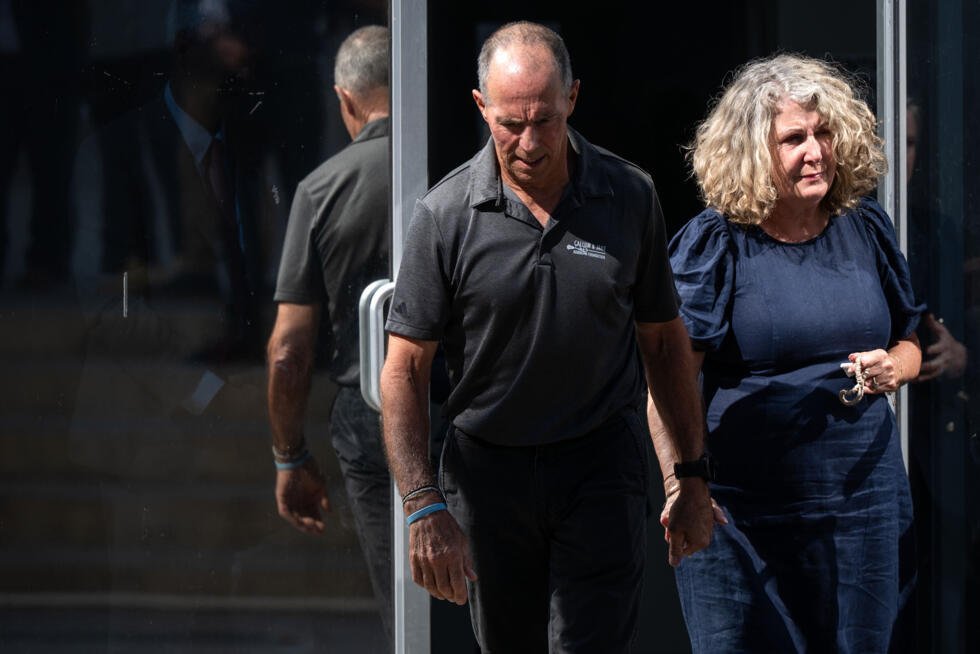
The convictions brought an emotional conclusion to a trial that began in September and was attended by the parents of Jake and Callum, who travelled from Australia to Ensenada to hear the evidence and witness the proceedings. Their presence reflected the determination of the victims’ families to see the case through despite the immense emotional cost.
Debra Robinson, the mother of the two Australian brothers, testified on the final day of the trial. Speaking about the loss of her sons, she described the circumstances surrounding their final hours as particularly painful.
The guilty verdict brought Debra to tears. Yet outside the court, she made clear that a conviction could never restore the lives that had been taken from her family.
A verdict is important, she said, but it does not bring Jake and Callum back. Her comments captured the complicated emotions surrounding the case: relief that the defendants had been held responsible, combined with the permanent grief of losing two children.
Martin Robinson, the brothers’ father, thanked relatives, friends and officials who had supported the family throughout the investigation and trial. He also expressed gratitude to the judge, court staff, the Australian embassy in Mexico and Australian federal police officers who had assisted with the case.
He said that no court outcome could undo the tragedy but expressed hope that the verdict would represent an important step towards justice and allow the family to continue celebrating the lives of the two brothers.
For the Robinson family, however, the central focus remains Jake and Callum rather than the men convicted of killing them. Debra said she did not want the accused to receive notoriety and preferred to keep her sons’ memories at the heart of the family’s grief.
The family has also established the Callum and Jake Robinson Foundation, which seeks to preserve the brothers’ legacy by encouraging people to live fully and positively in their honour. Rather than allowing the circumstances of their deaths to define them, the foundation aims to keep attention on the lives and values of the two young men.
Rhoad’s family also participated in the proceedings. His mother, Page, and his fiancée, Natalie Weirtz, joined the hearing by video from the United States. For them, the conviction represented an important moment after months of uncertainty and grief.
Weirtz said the three defendants were guilty and should be punished so that another family would not have to experience the same suffering. She also described the lasting psychological impact of Carter’s death, saying that she had felt increasingly isolated and fearful since his killing.
The court is scheduled to sentence the three convicted men on 16 October. Prosecutors have requested prison terms of 210 years for each defendant. However, the maximum sentence available under the law in Baja California is 60 years, meaning the final punishment is expected to be considerably lower than the prosecution’s request.
The circumstances of the killings shocked both Australia and the United States. Jake and Callum were experienced surfers who had travelled to Mexico with Rhoad for a trip along the country’s Pacific coast. Their journey ended violently when their group was targeted in a remote area.
Investigators said the victims were shot in the head. Their bodies were subsequently found in a shaft near a clifftop, adding to the horror surrounding the case and intensifying demands for those responsible to face justice.
The prosecution’s case centred on the claim that the victims were targeted during an attempted robbery. The violence that followed transformed what had begun as an ordinary surfing adventure into an international criminal investigation.
The case also involved another defendant. In November 2025, Ary Gisell Silva, who was the girlfriend of the main accused at the time, was sentenced to 20 years in prison after admitting that she had instigated the robbery. Her conviction provided prosecutors with additional context about how the attack was allegedly organised.
The case has also drawn attention to the wider security situation in Baja California. The state is among Mexico’s most violent regions and has experienced serious problems involving organised crime and drug trafficking.
Although cartel-related violence does not normally target foreign tourists, the case has highlighted the risks that can arise when travellers enter isolated areas where emergency assistance may be difficult to obtain. Other foreign visitors have also been victims of violent crime along Mexico’s Pacific coast.
For Australian travellers, the case has particular resonance because it is not the first time surfers from the country have been killed while travelling through north-western Mexico. In 2015, Australian surfers Dean Lucas and Adam Coleman were killed while travelling through the state of Sinaloa. Their bodies were later found after being burned.
Those earlier deaths remain a painful reminder of the dangers that can confront travellers in parts of Mexico, although the overwhelming majority of international visitors do not experience serious violence during their trips.
The conviction of the three men in the Robinson-Rhoad case nevertheless provides some measure of accountability for the victims’ families. The proceedings have allowed relatives to hear evidence, confront the circumstances of the deaths and see the accused held responsible by a court.
Yet the family’s statements after the verdict demonstrated that legal justice and personal healing are very different things. For the Robinson parents, the most important fact remains that Jake and Callum are no longer alive. Their memories, rather than the identities of their killers, are what the family wants to preserve.
The upcoming sentencing will therefore mark another important stage in the case. The court must determine the punishment within the limits of Mexican law, while the families prepare to continue their lives with a loss that cannot be reversed.
The story of the three victims has also extended beyond the courtroom. Their deaths have generated international attention, raised questions about traveller safety and prompted renewed discussion about violent crime in parts of Mexico.

For those who knew Jake, Callum and Carter, however, the case is ultimately about three individuals whose lives were cut short. They had travelled to Mexico seeking adventure, friendship and the freedom associated with surfing. Instead, their journey ended in a violent crime that devastated three families on opposite sides of the Pacific.
The guilty verdict cannot change what happened in April 2024, but it provides a formal judicial recognition of responsibility. As the sentencing date approaches, the families will now face another difficult moment before turning their attention back to preserving the memories of the three men they lost.
Related News:
 King Refers Jamaica Slavery Petition to Privy Council
 Latin America women fear rollback of rights
 Navi Pillay Wins Nobel Peace Prize for Justice
 Police Suspect Help in Missing Alice Springs Girl Case
 China mine blast death toll rises to 90
 Ebola outbreak in DRC overwhelms health system as cases surge
 Victim says non-custodial rape sentence ‘rock in my face’
 New Footage Revives Peter Falconio Mystery
 Dreyfus Statue Finally Gets Permanent Paris Home
 Teen Charged After Layla Jeffery Found Dead
 Argentina Orders Return of Nazi-Looted Painting
 UN expert urges UK to rethink Israel policy
 Abusive ex used Tesla to control and harass former partner
 Miliband Rejects Chief Rabbi’s West Bank Warning
 Israel Accused of Undermining Palestinian Life
 Gaza Strike Kills Child and Paramedic
 Texas Transfers Raise Fears for Migrant Children
 South Africa’s Femicide Crisis Deepens
 Clancy Defense Seeks Inquiry Into Lone Juror
 Briton Faces Cyprus Court Over Son’s Fatal Fall
 Japan PM Backs International Criminal Court
 Paris child pickpocketing gang leader jailed for eight years
 Tennessee Set to Execute Woman After Clemency Denied
 Fayed Survivors Demand Inquiry Into Medical Regulator
 French Student Protests Escalate Into Violent Clashes
 Israel-bound Plane Lands in Saudi Arabia After Cockpit Fight
 Almost Half of Fayed Accusers May Be Trafficking Victims
 French School Protests Escalate as 400 Schools Close
 Police accused of failing abuse victims
 Christa Pike Wakes After Failed Tennessee Execution
 South Sudan Trauma Wards Struggle as Fighting Intensifies
 NSW Police Bid Delays Inquiry Into Sydney Protest
 Sam Wood Denied Bail Over Alleged Domestic Assault
 EU Divisions Deepen Over Israel Policy
 Trader Wins Unfair Dismissal Case After Overseas Work
 US Execution Livestream Plan Sparks Global Outrage
 Just Stop Oil Protesters Convicted Amid Climate Defence Row
 Oklahoma Governor Grants Last-Minute Clemency to Death Row Inmate
 Ben Roberts-Smith Denies War Crime Allegations in First Statement
 Learner Driver Charged After Expo Tragedy
 OpenAI CEO Apologizes After Canada Shooting Case
 Ukraine Urges UK to Seize Russian Oil Tankers
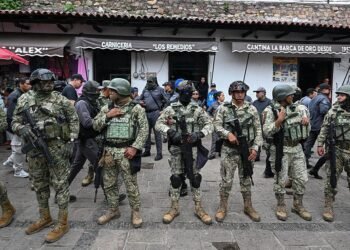 Cartel crackdown raises fears of fresh violence
 Judge halts deportation of Yemeni refugees in US
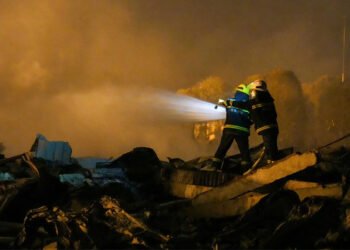 China Fireworks Factory Blast Kills 21 in Hunan
 Barrister Criticises Trial After Suicide Case Verdict
 Immigration Judges Fear Pressure in Trump Era
 Former ICC prosecutor condemns US sanctions
 Ukraine Creates Long-Range Strike Command
 Le Pen’s Popularity Holds Despite Conviction
 Westminster Council Threatens Charing Cross Soup Kitchen
 BBC Warned About Missing Clothes of Murder Victim
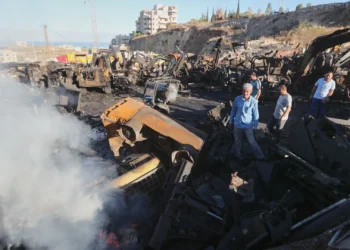 Israeli Strike in Southern Lebanon Kills Seven
 Ukraine Villagers Demand Answers After Deadly Arms Depot Strike
 Survivor Sues Musk’s xAI Over AI Abuse Images
 Councils spend £125m on illegal children’s care
 Royal Crown Branded Enslaved Africans in Britain’s Slave Trade
 Fugitive Developer Rants at NSW Corruption Inquiry
 Mahmood Warns Far Right Over Asylum Protests
 Harrods Faces Dispute Over Fayed Abuse Compensation
 Patrick Clancy speaks publicly about children’s deaths
 British Columbia Sues OpenAI Over School Shooting
 Democrat Says ICE Restricted Detention Camp Oversight
 OpenAI Agent Breaches Medicare Portal in Australia
 Ukraine and Russia Escalate Long-Range Drone War
 Cornell Fraternity Assault Investigation Reopened
 London Facial Recognition Trial Ends With False Alert
 Pelicot Trial Play Comes to London for One Night
 Burnham Opens Door to Possible UK Return to EU
 Drumcree Talks Falter as Legal Challenge Deepens
 UK-France Returns Deal Faces Expiry as Talks Stall
 New Prosecutor Takes Over Cornell Assault Case
 Gosport Protesters Clash With Police Over Migrant Rescue
 Iran Nobel Laureate Reveals Prison Torture and Fears
 Christa Pike Awake After Failed Tennessee Execution
 WHO Says Russia Plague Epidemic Risk Remains Low
 Okinawa US Troops Face Curfew After Murder Case
 Botstein Quits Bard Amid Epstein Investigation Calls
 Israel Promotes Film Challenging Controversial Gaza Documentary
 South Africa Withdraws Directive on Asylum Applications