Published: 13 October 2026. The English Chronicle Desk. The English Chronicle Online
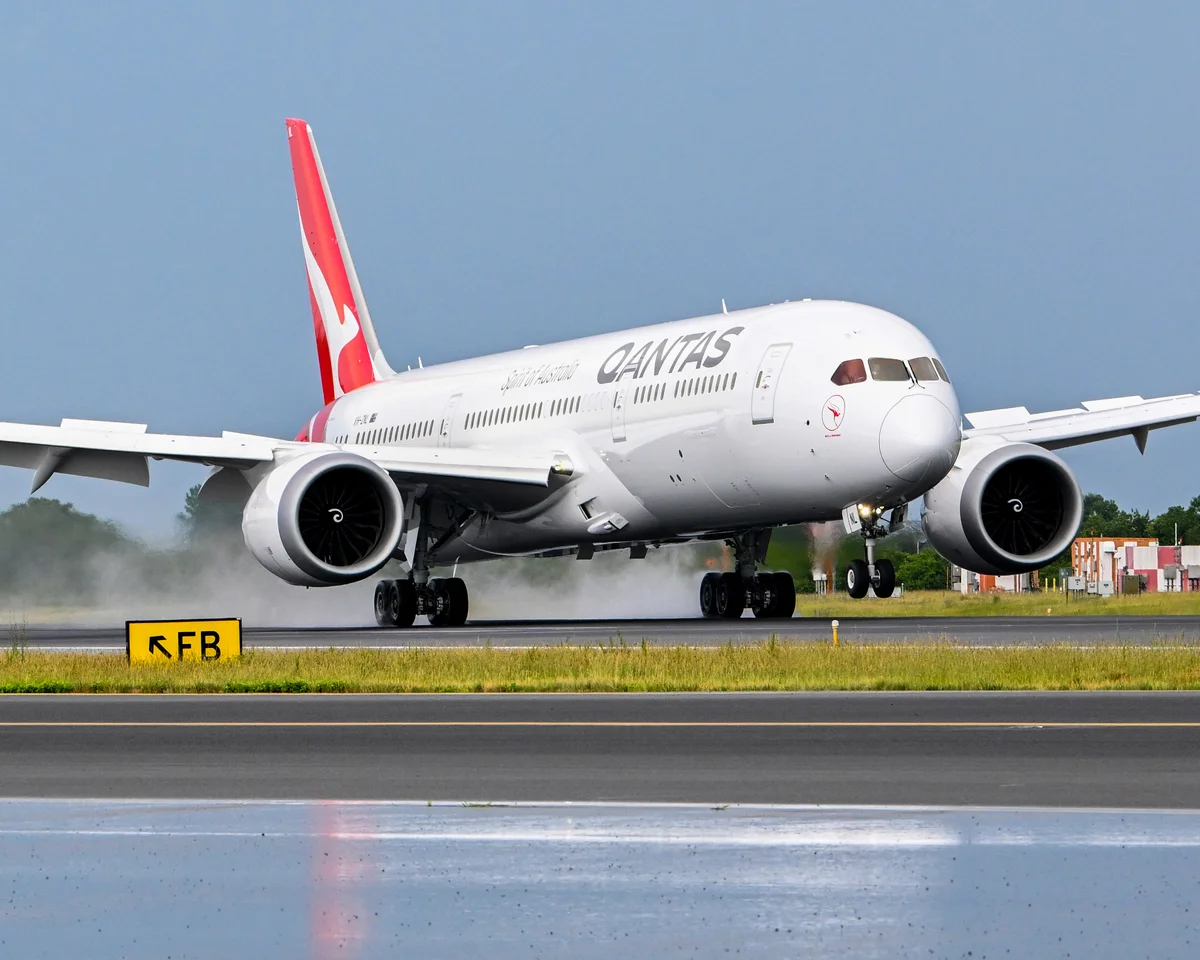
Australian airline Qantas has been forced to take a Boeing 787 Dreamliner out of service in Rome after bedbugs were discovered in its economy-class cabin, disrupting international travel plans and prompting an intensive cleaning operation. The incident led to the cancellation of a scheduled flight from Rome to Perth, leaving affected passengers facing delays while the airline arranged alternative travel and accommodation.
The insects were reportedly discovered on 9 October as the aircraft was operating the QF5 service from Perth to Rome. According to a source familiar with the incident, the bedbugs were found in the forward section of the economy cabin. Following the aircraft’s arrival in the Italian capital, the airline removed it from service to allow engineers and maintenance teams to conduct a deep clean.
The incident highlights a persistent challenge for airlines and other travel operators: preventing small, highly mobile pests from spreading through the international transport network. Although bedbugs are not generally considered dangerous disease transmitters, their ability to hide in narrow spaces, survive for extended periods without feeding and spread through luggage and clothing can make an infestation difficult to eliminate.

Qantas confirmed that the Rome-to-Perth service scheduled for 10 October had been cancelled to allow the necessary cleaning work to take place. The airline apologised to passengers for the disruption and said it had arranged assistance for those whose journeys were affected.
In a statement, a Qantas spokesperson said the cancellation had been necessary after an issue was identified on a small number of economy-class seats. The airline said its engineers and maintenance personnel needed time to complete a thorough cleaning process before the aircraft could return to normal operations.
The company also said affected passengers had been provided with accommodation and rebooked on alternative flights within 48 hours of their original departure time. While the arrangements were intended to reduce the inconvenience, the cancellation inevitably disrupted travel plans for passengers connecting to other flights, returning home or travelling for work.
International flights involve complex schedules, and an aircraft unexpectedly removed from service can create operational challenges for an airline. Maintenance requirements, crew availability, aircraft positioning and passenger connections must all be considered before normal services can resume. In this case, the priority was to address the reported infestation and ensure the cabin could be used again.
Qantas said its aircraft interiors were cleaned regularly to a high standard. The airline also stated that its cabins received disinfectant treatment every 50 days as a standard precautionary measure. However, the incident illustrates that routine cleaning and disinfection do not necessarily prevent every pest-related problem, particularly when insects are introduced through passengers’ belongings.
Bedbugs are small parasitic insects that feed on the blood of humans and certain other animals. They are adept at hiding in mattress seams, upholstered furniture, fabric folds and tiny crevices. On an aircraft, potential hiding places include seat seams, cushions and other narrow spaces within the passenger cabin.
Their presence does not necessarily indicate that an aircraft is poorly maintained or routinely unclean. Bedbugs can be transported inadvertently in suitcases, backpacks, clothing and other personal belongings. Because they can remain concealed while people travel between destinations, identifying the source of an infestation can be difficult.
Professor Michelle Power, a parasitologist at Macquarie University, said the insects had most likely been brought aboard the aircraft in a passenger’s luggage or clothing before escaping into the cabin.
She explained that bedbugs were closely associated with travel because people could encounter them in infested hotels and subsequently carry them to other locations without realising it. The insects favour dark, sheltered spaces and can be attracted to the odours associated with human clothing, making luggage a potential means of transportation.
Hotels, aircraft, trains and other shared travel environments can provide opportunities for bedbugs to move between locations when infested belongings are carried from one place to another. Their spread is generally linked to the movement of people and their possessions rather than their ability to travel independently over long distances.
As Professor Power noted, bedbugs cannot fly. Their spread through modern transport networks depends largely on people inadvertently moving them between places. This makes prevention and early detection particularly important in settings where many passengers and their belongings pass through confined spaces every day.
Despite their unsettling reputation, bedbugs are not generally regarded as dangerous in the way that insects capable of transmitting serious infectious diseases can be. Their bites can, however, cause itching, irritation and discomfort. Some people may experience more pronounced skin reactions, while repeated bites and the anxiety associated with an infestation can affect sleep and wellbeing.
The greater challenge is often eliminating the insects once they have established themselves. Bedbugs can remain hidden in small crevices and survive for long periods without feeding. Treating only the visible insects may not be sufficient because others can remain concealed in upholstery, bedding or structural gaps.
For airlines, a suspected infestation can therefore require more than an ordinary cabin cleaning. Thorough inspection and appropriate pest-control measures may be necessary to identify hiding places and reduce the risk of insects surviving the treatment. The precise procedures required depend on the circumstances, the aircraft’s interior and the extent of the infestation.
The incident also draws attention to the unequal financial burden associated with pest control. Professor Power highlighted the different circumstances faced by people who encounter bedbugs. Frequent travellers may inadvertently transport the insects between hotels, homes and other destinations, while people experiencing financial hardship may struggle to afford effective treatment once an infestation develops.
In some households, professional pest-control services and repeated treatment can be expensive. Access to suitable equipment, hot-water washing facilities and other methods of treating affected belongings may also be limited. These barriers can make it harder for people with fewer resources to eradicate an infestation and prevent it from returning.
Heat is one method used in appropriate bedbug-control procedures, although successful treatment depends on achieving the required temperature throughout the affected material for sufficient time. Professor Power referred to temperatures of around 55C in discussing the difficulties some households face. Simply exposing an item briefly to hot water does not guarantee that every insect or egg will be eliminated.
The financial and practical challenges demonstrate why bedbug infestations should not automatically be associated with poor hygiene or personal negligence. They can affect people across different income groups, particularly when insects are unknowingly carried between locations. However, the ability to respond quickly and obtain effective treatment can vary considerably.
For passengers concerned about encountering bedbugs while travelling, careful inspection of accommodation and luggage can help reduce the risk of carrying the insects home. Travellers can look for small insects, dark spotting or other signs around mattress seams and upholstered areas. Keeping luggage away from beds and soft furnishings where possible may also reduce exposure.
If bedbugs are suspected, travellers should notify the relevant accommodation provider or transport operator and seek appropriate advice about handling their belongings. Clothing and luggage may require suitable treatment, depending on the circumstances. Because bedbugs can hide in inconspicuous spaces, a few visible insects should not be assumed to represent the full extent of a possible infestation.
The Qantas incident underscores the difficulties of maintaining pest-free environments across a global travel network. Aircraft operate across multiple countries, carrying thousands of passengers and their belongings through a succession of airports, hotels and transport connections. Even with established cleaning routines, a pest can be introduced without immediate detection.
For Qantas, the immediate concern was to address the problem on the affected aircraft, minimise passenger disruption and ensure that the plane could safely return to service after the required work. The cancellation of the Rome-to-Perth flight demonstrated how an issue involving a small number of seats can have consequences extending beyond the cabin itself.

The incident also serves as a reminder that effective pest management requires appropriate inspection and treatment alongside regular cleaning. While bedbugs are not generally associated with the transmission of serious diseases, their persistence and ability to spread through personal belongings can make them a significant nuisance for passengers, businesses and households.
As international travel continues, airlines and accommodation providers must remain alert to the possibility of pests being transported inadvertently between destinations. For passengers, awareness and sensible precautions can help reduce the likelihood of bringing unwanted insects home. For operators, a prompt response and thorough treatment remain essential when an infestation is suspected.
Related News:
 UK Pharmacy Body Drops Teva After Ethical Concerns
 London Tube Heat Reaches Dangerous Levels
 Italy’s Beach Lunch Ban Sparks Holiday Backlash
 Weight-Loss Drugs Offer Food Savings Mainly to High Earners
 UK retailers plan 100,000 placements for young people
 Nats Boss Summoned as UK Flight Chaos Continues
 Iceland to Open First UK High Street Store in Falklands
 Thames Water Revises Oxfordshire Mega-Reservoir Plan
 UK Retailers Accused of Breaking Refund Laws
 Lords Call for Tobacco-Style Gambling Ad Ban
 Avanti West Coast Set for Public Ownership in March
 Dale Vince Plans New London-Wide News Operation
 Poundland Rescue Bid Could Protect 11,000 Jobs
 Royal Nursing Union Ends Partnership With Teva UK
 Palantir Lobbyist Had Role in Burnham Campaign
 Feeld Founders Receive Record Dividend as Sales Rise
 BT Broadband Pauses Raise Digital Switchover Concerns
 Rome Cracks Down on Rising Golf Cart Tours
 Sydney Town Square Plans Face New Planning Hurdle
 UK Water Firms Earn Millions From Industrial Wastewater
 Trader Wins Unfair Dismissal Case After Overseas Work
 Qantas Revamps Loyalty Program Amid $1.46bn Profit Surge
 Rising Costs Force Families to Rethink Days Out
 Glasgow Central Set for Full Reopening After Fire
 M&S Demands Urgent Action on Rising Violent Retail Crime
 Ukraine Urges UK to Seize Russian Oil Tankers
 Florida Surgeon ‘Devastated’ Over Fatal Surgery Error
 Barrister Criticises Trial After Suicide Case Verdict
 Belfast Approves Pilot Extension of Sunday Trading Hours
 Pope Meets Families in Italy Toxic Waste Zone
 Thailand Tightens Visa Rules to Curb Tourist Misbehavior
 Jet2 Sees Summer Surge Despite Global Tensions
 England and Norway Fans Turn Miami Into World Cup Carnival
 UK Schools Struggle as Classrooms Top 40C
 Olympus Awaits Unesco Heritage Recognition
 Burnham unveils £65m drought aid for farmers
 Queue row erupts on Wales’ highest mountain
 UK Risks Falling Behind in AI Race
 # How to Beat the Back-to-Work Blues After Summer
 London Launches First Self-Driving Taxis
 UK Subsidence Claims Surge After Record-Breaking Summer
 Swedish Mining Push Puts Sami Land Rights Under Pressure
 Spire Healthcare Agrees £1bn Takeover by Toscafund
 Billionaire Chris Rokos poised to leave UK
 Councils spend £125m on illegal children’s care
 McLaren to Create 1,000 UK Jobs in £450m Investment
 JPMorgan Boss Warns Against UK Bank Tax Rise
 John Lewis Losses Widen to £124m as Confidence Falls
 AI CEOs Call for Slower Development
 UK Heatwaves Set to Worsen Pothole Damage, RAC Warns
 Mayors Could Gain Greater Powers Over Water Firms
 Entain Plans 400 Job Cuts After Profit Update
 Disabled Travellers Seek Fairer UK Care Rules
 UK Rent Gap Puts Low-Income Families Under Pressure
 Headteachers Warn New Ofsted System Is Harming Wellbeing
 Labour Apprenticeship Scheme Faces Slow Start
 UK Flights Hit by Fresh Air Traffic Control Fault
 Roman Finds Reveal Bath’s Suburban Past
 GP List Policy Risks Cutting Off Vulnerable Patients
 Chinese Hybrid Car Surge Raises EU Auto Industry Concerns
 AO Acquires Jessops in Camera Retail Expansion
 Frome Community Loses Bid for Major Regeneration Site
 TalkTalk Races to Sell Arms as Administration Looms
 UK University Strikes Spread as Financial Pressure Grows
 Burnham Opens Door to Possible UK Return to EU
 Healey urged to act as UK energy bills rise 4%
 Badenoch Raises Prospect of 2027 UK Election
 UK Diesel Reaches £2 as Inflation Surges Across Europe
 Salinas Struggles to Keep the American Dream Alive
 Experts Warn UK Food Security Is at Risk
 UK Weighs Chinese Car Tariffs Amid EU Trade Push
 BT Agrees £400m TalkTalk Rescue Deal
 Royal Mail Plans Up to 2,500 Job Cuts
 Japan Beer Giants Face Cartel Probe
 Sardinia Village Emerges as Longevity Hotspot
 Tesco Raises Profit Forecast as Consumer Confidence Holds
 Ministers Push ATO to Reconsider Credit Card Ban
 Houthi Missile Claim Sparks Riyadh Airport Disruption
 Australian Advocates Seek Subsidised Drugs for PMOS
 Hanson Attacks Taylor as Australian Conservatives Clash