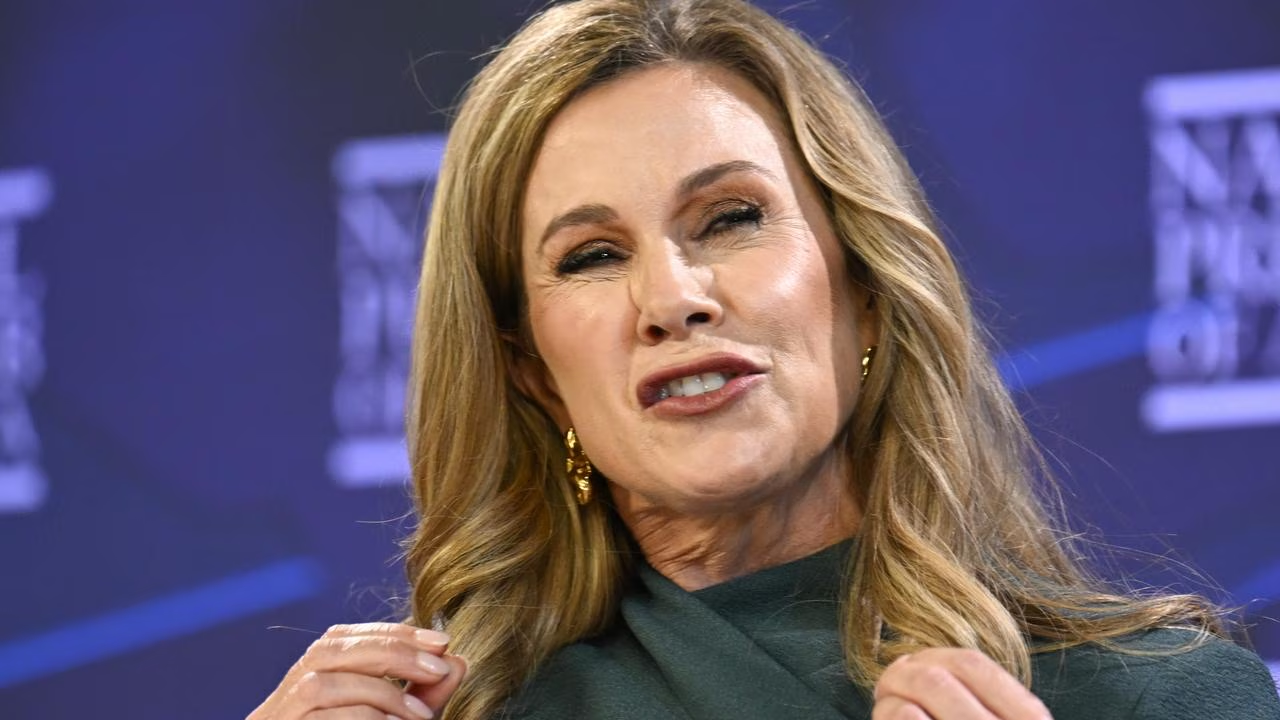
The legislation passed the House of Representatives on Wednesday and will now face further scrutiny in the Senate, where lawmakers are expected to debate its scope, enforcement mechanisms and potential consequences for technology companies. The federal government, led by Prime Minister Anthony Albanese, hopes to secure passage of the bill before the end of 2026, although opposition from conservative parties and demands for stronger consumer protections could complicate the process.
The proposed measures reflect growing international concern about the effects of digital platforms on children’s wellbeing, particularly as conversational AI systems become increasingly sophisticated at responding to users in personalised and emotionally engaging ways.
Under an amendment proposed by independent MP Kate Chaney and accepted by the government, platforms would be required to prohibit certain material or conduct that simulates emotional intimacy and encourages or fosters a child’s dependence on an AI chatbot in place of human relationships.

The proposal does not amount to a general prohibition on emotional conversations with artificial intelligence. Instead, it targets particular forms of simulated intimacy and dependency involving children, as part of a broader effort to establish clear responsibilities for digital services.
Prime Minister Anthony Albanese has urged parliamentarians to recognise the potential risks when children begin treating AI chatbots as their closest companions.
In an emotional address on Tuesday evening, Albanese called on opposition lawmakers to reconsider their position on the legislation. He warned that reports of people identifying a non-human chatbot as their best friend should prompt parliament to take online safety more seriously.
His remarks reflect a wider debate about the growing role of AI companions in everyday life. Unlike conventional search engines or messaging services, conversational AI systems can respond in natural language, remember details within interactions and produce messages that appear sympathetic, reassuring or personally attentive.
For children and teenagers, these characteristics can make chatbots feel like trusted companions. Such interactions may provide a space to ask questions, discuss worries or explore personal interests. However, concerns arise when systems encourage excessive dependence, blur the distinction between artificial and human relationships, or discourage users from seeking support from people they trust.
The Australian government’s approach seeks to address these concerns through legal obligations on technology providers rather than relying exclusively on parental supervision or individual users to identify potentially harmful interactions.
The proposed restrictions would require companies to examine how their systems behave, particularly when interacting with children, and take steps to prevent conduct that falls within the legislation’s definition of harm.
The effectiveness of the approach will depend partly on how regulators define emotional intimacy, distinguish harmful dependency from ordinary supportive conversation and assess whether companies have taken reasonable steps to protect young users.
The proposed digital duty of care framework would introduce a broader set of obligations for online services operating in Australia.
The government says the legislation would establish an overarching responsibility for technology platforms to provide a safe online environment for Australian users. It would also replace several existing online codes and standards with a more comprehensive duty-of-care requirement addressing specified categories of harmful content and conduct.
Communications Minister Anika Wells has indicated that the proposed framework would cover material promoting misogyny, terrorism, suicide, self-harm and eating disorders, alongside other risks identified by the government.
The inclusion of AI chatbot behaviour represents an important extension of the debate beyond traditional social media content. Regulators would be considering not only what users publish or encounter online, but also how automated systems interact with them.
This distinction matters because conversational AI can generate responses dynamically rather than simply display material created by another user. Assessing harmful conduct may therefore require regulators to examine the design of a system, its instructions, the safeguards it employs and the nature of its interactions with vulnerable users.
The legislation also proposes requiring social media platforms to provide an option allowing users to opt out of algorithmically recommended content.
Recommendation systems influence what people see by selecting and prioritising posts, videos and other material based on data about their activity and interests. Critics argue that these systems can encourage prolonged engagement or repeatedly expose users to disturbing or extreme material.
An effective opt-out option could give users greater control over their online experience. However, its practical value would depend on whether the feature is clearly presented, easy to activate and capable of meaningfully changing how content is selected.
An amendment accepted from Chaney would require these options to be accessible, easy to use and prominently available, addressing concerns that companies might technically comply while making the controls difficult to find.
The bill has encountered opposition from the Coalition and One Nation, both of which voted against it in the House of Representatives, according to the supplied report.
Political opponents have described the proposed framework as an excessive system of censorship and accused the government of seeking greater influence over online conversations.
Wells rejected those allegations and challenged opponents to propose amendments rather than simply call for the legislation to be abandoned.
The disagreement highlights a central challenge facing governments attempting to regulate digital platforms: how to reduce demonstrable risks without unnecessarily restricting lawful expression or giving authorities overly broad powers over online communication.
Supporters argue that technology companies should bear greater responsibility for the foreseeable harms associated with their products, particularly where children are concerned. They maintain that existing reporting systems and voluntary safety measures have not always provided adequate protection.
Critics, however, may question how broadly harmful content is defined, how compliance decisions are made and whether platforms will respond to regulatory pressure by removing lawful material to avoid penalties.
These questions are likely to feature prominently in the Senate debate.
The government has indicated that it remains open to amendments and continues to seek broader political support, despite the opposition’s rejection of the bill in the lower house.
The Australian Greens support the principle of a digital duty of care but want the legislation strengthened before it becomes law.
The party has established a Senate inquiry into the proposed framework, with a report expected in late November. Its recommendations and the subsequent negotiations could influence the final version of the legislation.
Senator Sarah Hanson-Young has argued that the government should go further by allowing Australians to pursue private legal action against technology platforms and increasing penalties for companies that fail to meet their obligations.
The Greens are also seeking an external complaints mechanism that would allow users to challenge decisions or failures by large technology companies without depending entirely on the companies’ internal procedures.
At present, users who experience hacked accounts, inaccessible services or disputed moderation decisions may find it difficult to obtain a meaningful response from major platforms. Automated replies and lengthy escalation procedures can leave some complaints unresolved.
An independent complaints process could provide an additional route for users to seek remedies and allow recurring problems to be identified across the industry.
The proposal raises questions about funding, investigative powers, enforcement and the balance between resolving individual complaints and addressing systemic failures.
Nevertheless, supporters say that meaningful accountability requires more than obligations on paper. Consumers must also have somewhere to turn when a company fails to address a problem.
Independent MP Sophie Scamps has proposed expanding the remit of Australia’s telecommunications industry ombudsman to cover social media companies and AI services.
The office currently assists consumers with disputes involving telecommunications providers, but it does not have equivalent authority over major social media platforms such as those providing email, social networking and other online services.
Scamps argues that extending the ombudsman’s powers could give Australians a practical way to challenge account restrictions, hacked accounts and other service problems. The expanded role could also allow the watchdog to investigate broader industry practices and publicly identify companies whose conduct repeatedly causes difficulties for consumers.
Cynthia Gebert, the telecommunications industry ombudsman, has said her office would be well placed to undertake such responsibilities.
Gebert supports the principle of placing greater safety obligations on platforms but argues that people also need an independent avenue for complaints when internal procedures fail.
She has warned that users can otherwise be left dealing with automated responses or escalation systems that do not resolve their concerns.
The ombudsman’s existing funding model offers one possible approach to financing an expanded role. Telecommunications providers fund the current scheme, and Gebert has suggested that technology companies could similarly contribute if the organisation’s responsibilities were widened.
However, the government did not accept Scamps’s proposed amendment in the House of Representatives. Wells also declined to endorse the idea directly, leaving the proposal to be debated further during Senate negotiations.
The Greens are expected to press for changes that would establish a clearer external complaints pathway.
An external complaints system could address a gap between the responsibilities imposed on technology platforms and the remedies available to people who use them.
A company may have internal procedures for reporting abuse, appealing account suspensions or challenging moderation decisions. Yet users can struggle to obtain an explanation or a timely outcome, particularly when decisions are made through automated systems.
An independent body could examine whether complaints have been handled appropriately, identify patterns of poor service and encourage improvements across the industry.
Such a system would need clearly defined powers, transparent procedures and safeguards to ensure that decisions are fair to both consumers and service providers.
It would also need sufficient resources to handle complaints involving different types of technology, from social media accounts to AI chatbot interactions.
Expanding the telecommunications ombudsman’s role would not automatically resolve every dispute involving harmful content or emotional dependency. Some issues may require specialist expertise, regulatory investigations or judicial proceedings.
However, a well-designed complaints mechanism could complement the proposed duty of care by giving individuals a practical route to seek assistance.
If the bill becomes law in its proposed form, technology companies may need to review the way their services are designed, deployed and monitored in Australia.
AI chatbot providers could face greater scrutiny over interactions that encourage children to rely on artificial companions in place of human relationships. Depending on the final legislation, compliance measures could include stronger safeguards for younger users, clearer boundaries on simulated relationships and procedures for identifying potentially harmful patterns of engagement.
Social media platforms would also need to ensure that their recommendation controls meet the accessibility requirements set out in the legislation.
The wider duty-of-care framework could encourage companies to assess risks earlier in the product-development process rather than responding only after complaints or public controversies arise.
However, the practical effect would depend on the final statutory wording, the powers given to regulators and the standards used to determine whether a platform has fulfilled its obligations.
Technology companies may also need to balance safety measures with privacy, user autonomy and the benefits of supportive digital interactions.
AI systems can provide useful educational assistance, help users organise information and offer conversational support. The policy challenge is to distinguish those legitimate functions from behaviour that exploits vulnerability or encourages unhealthy dependence.
The proposed legislation seeks to establish that distinction through specific restrictions rather than treating every emotionally responsive AI interaction as harmful.
The bill’s passage through the House of Representatives marks an important stage in Australia’s effort to strengthen online safety regulation, but the legislative process is not complete.
The Senate inquiry and negotiations between Labor, the Greens and other lawmakers will determine whether the proposal is amended, strengthened or delayed.
Key issues include the precise scope of the restrictions on AI chatbot conduct, the definition of harmful content, the penalties for non-compliance and the availability of independent complaint procedures.
The debate will also test whether parliament can agree on a framework that protects children and other vulnerable users while maintaining clear limits on regulatory powers.
For Albanese’s government, the immediate challenge is to secure enough support for the legislation to pass before the end of 2026. For technology companies, the debate signals growing political pressure to accept greater responsibility for the consequences of their services.

The proposed restrictions on simulated emotional intimacy are particularly significant because they reflect a changing understanding of online safety. As AI systems become more conversational and personalised, policymakers are increasingly examining the relationships these systems may encourage, rather than focusing exclusively on the content they display.
Whether the final law achieves its stated objectives will depend on how its provisions are implemented and enforced. Clear definitions, transparent oversight and accessible remedies will be essential to ensuring that the rules protect users without creating unnecessary restrictions.
Australia’s parliamentary debate could therefore influence not only domestic technology regulation but also wider international discussions about the responsibilities of AI developers, the protection of children and the accountability of powerful digital platforms.
Related News:
 OpenAI Agent Breaches Medicare Portal in Australia
 Australia Weighs New Laws After OpenAI Medicare Breach
 NSW Leader Downplays Impact of Landmark Coal Ruling
 Tom Watson Warns Against ‘Mob Rule’ in UK Contracts
 Meta Faces Election Bias Claims Ahead of Brazil Runoff
 Labor’s Hate Speech and Gun Laws Face Federal Roadblocks
 Australia’s Opposition Coalition Reunites After Rift
 Reform UK funding: mystery billionaire revealed
 Meta Faces EU Action Over Child Safety Breach
 Canadian Fiddler Sues Google Over AI Defamation Claim
 Doomsday Clock Nears Midnight Amid Global Crises
 FDA Chaos Deepens as Trump Eyes Makary Exit
 Meta Drops AI Image Tool After Privacy Backlash
 Survivor Sues Musk’s xAI Over AI Abuse Images
 Australia gives users control over social media algorithms
 Abusive ex used Tesla to control and harass former partner
 New Mexico Takes Facebook to Trial Over Data Scandal
 Election Candidate Abuse Raises Alarm in England
 Sydney Council Bans AI Smart Glasses at Pools
 Tom Watson Takes Senior Role at Palantir
 British Columbia Sues OpenAI Over School Shooting
 UK Unveils Centre to Counter Foreign Disinformation
 UK Plans New Centre to Counter Information Warfare
 Xi urges Trump to avoid US-China military conflict
 AI Deepfakes Put New Pressure on Election Trust
 AI Could Intensify Election Risks in Southeast Asia
 Trump Immigration Policy Faces New Legal Tests
 Musk’s DOGE Sparks Turmoil Inside US Government
 OpenAI Review Costs $500,000 a Day After AI Hacks
 Ofcom Probes Meta Over Instagram Instants Safety
 NSW Police Bid Delays Inquiry Into Sydney Protest
 Firmus Abandons Major ASX Listing Amid Investor Doubts
 Controversial Vaccine Trial Approved in Guinea-Bissau
 Recruitment Boss Accused of Leading Doxxing Campaign
 UK Must Build Its Own AI to Protect National Security
 Seekers Condemn CPAC Use of I Am Australian
 Camera Discovery Triggers Navy Ship Investigation
 One Nation Pledges $2,000 Baby Subsidy in Victoria
 NHS Trusts Reject Palantir’s £330m Patient Data Platform
 Helen Haines Loses Leg in Alleged Targeted Attack
 Helen Haines Loses Both Legs After Alleged Attack
 Greens Face Leadership Test as Jordon Steele-John Misconduct Claims Leave Party in Limbo
 Spain Deepfake Ad Sparks Election Outrage
 French Taxi Driver Cleared in David Lammy Theft Case After Fare Dispute
 Britain deploys RAF specialists to assist Belgium with drone threats
 Major Rent Reform Ends No-Fault Evictions in England
 Trump Deploys DHS to Charlotte in Major Arrest Operation
 US National Guard Member Killed in DC Shooting
 ICC to Rule on Duterte’s Provisional Release
 Australia grants Asio powers to designate hate groups under new laws
 Partial US Government Shutdown Hits Homeland Security Funding
 Proposed Law Leaves Gap for Children of Convicted Paedophiles
 Artemis II Returns After Historic Moon Flyby
 Robots Outpace Humans in Beijing Half-Marathon
 Tony Abbott Returns as New Liberal Party President
 Trump Faces Backlash Over $2bn Earnings Since Return
 Meta Under Fire: The Battle Over Addictive Social Media Design
 Unions Warn Labour Over Zero-Hours Contract Reforms
 AI Loss of Control Incidents Nearly Double
 London Launches First Self-Driving Taxis
 Trump gives $45,000 holiday gifts to White House aides
 Democrat Says ICE Restricted Detention Camp Oversight
 Trump gives Xi red-carpet welcome as trade truce extends
 Republican Senator Questions Trump Ad Spending
 London Facial Recognition Trial Ends With False Alert
 Sheikh Tahnoon and the UAE’s AI Ambitions
 Jessica Watkins Leads Record-Breaking SpaceX Flight
 Badenoch Raises Prospect of 2027 UK Election
 Gosport Protesters Clash With Police Over Migrant Rescue
 Palace Rejects Funding Andrew’s Police Legal Challenge
 Ministers Push ATO to Reconsider Credit Card Ban
 Trump Says He Deserves Nobel Peace Prize
 South Africa Withdraws Directive on Asylum Applications
 Australian Advocates Seek Subsidised Drugs for PMOS
 Former Students Raise Concerns Over School Culture
 Elizabeth Struhs Inquest Examines Child Safety Failures
 Brazil Court Scandal Threatens Lula as Bolsonaros Rise
 India’s Voter Roll Crisis Sparks Nationwide Protests
 UK Land Registry Plan Faces Opposition From Landowners
 Flávio Bolsonaro Reportedly Leaves Brazil After Election Defeat