Published: 12 October 2026. The English Chronicle Desk. The English Chronicle Online
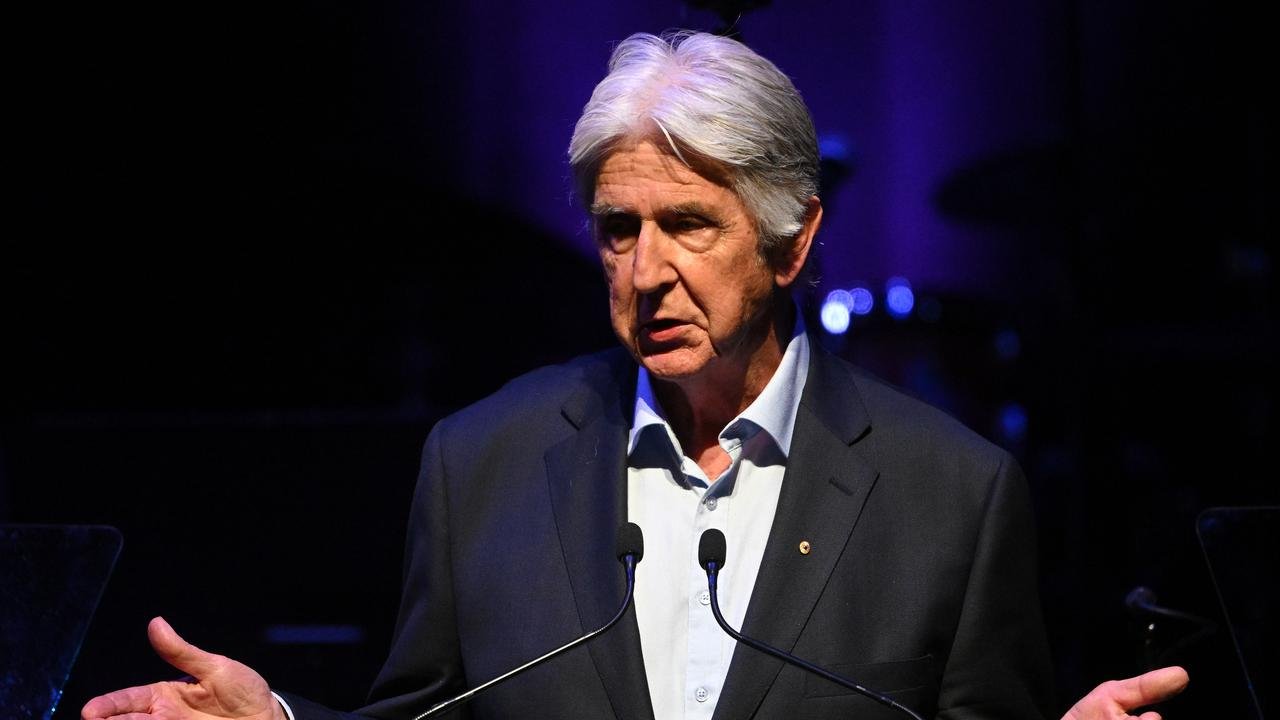
Members of legendary Australian band The Seekers have criticised organisers of the Conservative Political Action Conference after the group’s iconic song I Am Australian was played at the event without permission, arguing that the use of the song was fundamentally at odds with the political messages delivered by speakers at the conservative gathering.
Bruce Woodley, who co-wrote the song, said on Monday that he had neither been asked for permission nor agreed to its use at the conference, which was held in Brisbane. Fellow songwriter Dobe Newton also criticised the decision, recalling that Pauline Hanson had previously faced the threat of legal action when she attempted to use the song for political purposes.
I Am Australian was performed during the opening ceremony of the Australian Conservative Political Action Conference on Saturday. The song followed performances of the national anthem and Waltzing Matilda and was also included in the conference’s official programme.

The choice of music quickly attracted attention because of the song’s message of national unity and diversity. Written by Woodley and Newton in 1987, I Am Australian presents an inclusive vision of Australian identity, celebrating a country shaped by people from different backgrounds and places.
Its best-known refrain declares that Australians are “one, but we are many”, reflecting an idea of national identity built around diversity and migration. That message appeared particularly significant given that several speakers at the conference subsequently attacked what they described as excessive immigration.
Among those speaking at the event were One Nation leader Pauline Hanson and opposition leader Angus Taylor, both of whom expressed concerns about mass immigration during their appearances.
Woodley said he strongly objected to the song being associated with those political positions.
“No permission was either sought or given by me for the use of my song,” he said, making clear that his involvement in the song did not amount to support for the conference or its political message.
Newton was equally critical, saying he would never endorse the use of the song for purposes that conflicted with its underlying message.
The disagreement is not the first time the song has become entangled in Australian political debate. Newton recalled that Hanson had previously attempted to use I Am Australian during an election campaign.
According to Newton, he and Woodley responded by considering legal action and sending a strongly worded letter warning that they would sue if the song was used without their approval.
Newton recalled that the two songwriters reacted to the proposed political use with disbelief, asking one another what planet Hanson was on. The warning ultimately led to a change of decision and the song was not used in the campaign.
The songwriters also rejected approaches from both sides of the political debate during the 2023 referendum on an Indigenous Voice to Parliament. Newton said both the Yes and No campaigns sought permission to use I Am Australian, but neither was granted permission.
Their position illustrates the distinction the writers have attempted to maintain between the song and contemporary political campaigns. Rather than allowing it to become the musical property of one political movement, they have consistently resisted attempts to attach the song to partisan causes.
The latest controversy has also raised questions about copyright and the responsibilities of political organisations when using well-known music at public events.
Mark Callaghan, leader of Australian band Ganggajang and a long-serving board member of copyright management organisations APRA AMCOS, said permission was required for a public performance of the song, particularly when it was being used in a political setting.
Callaghan described unauthorised music use as a persistent problem, especially online. He said songs associated with Australian identity are frequently incorporated into political or commercial material without proper authorisation, creating the impression that artists or songwriters support a particular cause when they may have no connection with it.
He pointed to Ganggajang’s Sounds of Then (This Is Australia) as another example. According to Callaghan, the song is regularly added to political social-media posts without permission, sometimes creating an implied association between the musicians and political messages with which they may disagree.
The problem, he suggested, has become increasingly difficult to control because political material can be created and distributed rapidly across social-media platforms.
For musicians, the issue is not simply about copyright payments. The political context in which a song is used can alter how audiences understand the artist’s intentions and values.
That concern is particularly relevant to I Am Australian because the song has developed a status well beyond an ordinary popular recording. It has become closely associated with Australian identity and is regularly performed at national occasions, sporting events and other major gatherings.
The song was originally written by Woodley and Newton in 1987. A later recording featuring Judith Durham, Russell Hitchcock and Yothu Yindi leader Dr M Yunupingu helped establish it as a widely recognised Australian standard.
That 1997 recording has since become part of the country’s cultural heritage and was added to the National Film and Sound Archive registry in 2023.
The song has previously been used in political contexts with explicit permission. During the 1999 referendum on Australia becoming a republic, the Australian Republican Movement used the recording in radio and television advertisements after obtaining the necessary approval.
That history makes the current controversy more significant for the songwriters, who have repeatedly demonstrated that permission can be sought and granted when the circumstances are acceptable to them.
The disagreement also reflects a broader debate in Australia over who has the right to claim national symbols and cultural works. Songs such as I Am Australian have become part of a shared cultural vocabulary, meaning political groups often see them as natural choices for rallies, conferences and campaigns.
But cultural familiarity does not necessarily remove copyright obligations or give political organisations the right to imply endorsement.
For Woodley and Newton, the issue appears to be especially sensitive because the song was created around an idea of Australia that emphasises inclusion and shared identity rather than division.
Its use immediately before speeches criticising mass immigration therefore created a sharp contrast between the meaning of the work and the political message surrounding its performance.
The incident may also renew discussion about how political conferences select music and whether organisers should take greater care to establish that performers and songwriters are comfortable with the context in which their work is presented.
CPAC organisers have been contacted for comment on the allegations concerning the song’s use.
For The Seekers’ songwriters, however, the controversy appears to be about more than one performance. Their objections underline a longstanding concern among artists that music can be detached from its original meaning and used to strengthen political messages without the creators’ consent.

As I Am Australian continues to occupy a prominent place in Australia’s cultural landscape, the dispute demonstrates how a song intended to celebrate a diverse national identity can become the centre of a political argument over immigration, copyright and representation.
The episode is also a reminder that nationally recognised music carries meaning beyond entertainment. When such songs are used at political events, audiences may naturally assume that the artists support the cause being promoted. Woodley and Newton’s response makes clear that, in this case, that assumption would be wrong.
Related News:
 Franklin Turtle, Sabrina Carpenter Slam US Social Media Use
 Labor’s Hate Speech and Gun Laws Face Federal Roadblocks
 Australia’s Opposition Coalition Reunites After Rift
 NSW Leader Downplays Impact of Landmark Coal Ruling
 NSW Police Bid Delays Inquiry Into Sydney Protest
 Sam Wood Denied Bail Over Alleged Domestic Assault
 Sydney Festival 2027 Unveils Major International Dance Line-up
 French Taxi Driver Cleared in David Lammy Theft Case After Fare Dispute
 Pop Stars Call on UK Government to Cap Resale Prices for Fans
 Major Rent Reform Ends No-Fault Evictions in England
 Peers Flood Assisted Dying Bill with 942 Amendments
 US Justice Department Files Lawsuit Against California Over Partisan Voting Maps
 Trump Deploys DHS to Charlotte in Major Arrest Operation
 Eminem Takes Legal Aim at Australian ‘Swim Shady’ Brand
 Peers Get Extra Time to Debate Assisted Dying Bill
 US National Guard Member Killed in DC Shooting
 ICC to Rule on Duterte’s Provisional Release
 Liberal Turmoil Threatens Victorian Election Hopes
 Australia grants Asio powers to designate hate groups under new laws
 Nationals Crisis Meeting Threatens Coalition Stability
 Criticism of Netanyahu Risks Offence Under Australia Law
 Tim Walz urges Trump to withdraw federal agents immediately
 Trump officials continue false claims after Alex Pretti shooting
 Partial US Government Shutdown Hits Homeland Security Funding
 Thousands Protest ICE Operations in Nationwide US Day of Action
 Proposed Law Leaves Gap for Children of Convicted Paedophiles
 SA Liberals Back Candidate With Controversial Views on Homosexuality
 Army Probes Apache Flyover at Kid Rock’s Nashville Estate
 Report Says Pezzullo Acted ‘Recklessly’ in Dealings
 Keir Starmer Expresses Concern Over Kanye West Wireless Festival Dates
 Hungary election: Orbán faces biggest test amid scandal
 Suspected Plot Targets Pipeline Before Hungary Vote
 Crackdown Backfires on UK Climate Protesters
 Stephen Fry Sues Tech Organisers For £100k Following Stage Fall
 Judge halts deportation of Yemeni refugees in US
 White House Security Case Sparks Political Firestorm
 Immigration Judges Fear Pressure in Trump Era
 Tony Abbott Returns as New Liberal Party President
 US green card applicants must apply from abroad, DHS says
 Tulsi Gabbard exits after turbulent intelligence tenure
 Taylor Swift and Travis Kelce Marry at Madison Square Garden
 Le Pen’s Popularity Holds Despite Conviction
 Trump Refuses to Sign Housing Bill, But Law Takes Effect
 Unions Warn Labour Over Zero-Hours Contract Reforms
 UK plans tougher Israel stance with settlement trade ban
 Trump gives $45,000 holiday gifts to White House aides
 Abusive ex used Tesla to control and harass former partner
 New Mexico Takes Facebook to Trial Over Data Scandal
 Israel Accused of Undermining Palestinian Life
 Fugitive Developer Rants at NSW Corruption Inquiry
 Mahmood Warns Far Right Over Asylum Protests
 Disabled Travellers Seek Fairer UK Care Rules
 Reform UK Faces Internal Debate Over £72m Spending
 US Networks Suspend Trump White House Pool Coverage
 Democrat Says ICE Restricted Detention Camp Oversight
 Japan PM Backs International Criminal Court
 OpenAI Agent Breaches Medicare Portal in Australia
 Republican Senator Questions Trump Ad Spending
 Free Speech Emerges as Key UK Election Issue
 Burnham Opens Door to Possible UK Return to EU
 Drumcree Talks Falter as Legal Challenge Deepens
 Badenoch Raises Prospect of 2027 UK Election
 French School Protests Escalate as 400 Schools Close
 DOJ Declines to Reopen Powell Renovation Probe
 Musk’s DOGE Sparks Turmoil Inside US Government
 Gosport Protesters Clash With Police Over Migrant Rescue
 Palace Rejects Funding Andrew’s Police Legal Challenge
 UK Mission in East Jerusalem to Remain Open
 Royal Navy Sailor Charged With Alleged Spying
 Ministers Push ATO to Reconsider Credit Card Ban
 Trump Says He Deserves Nobel Peace Prize
 Sri Lanka Ex-First Lady Arrested Over Donation Probe
 Israel Promotes Film Challenging Controversial Gaza Documentary
 South Africa Withdraws Directive on Asylum Applications
 Delhi Tightens Security Ahead of Election Protest
 EU Divisions Deepen Over Israel Policy
 US Execution Livestream Plan Sparks Global Outrage
 Three Convicted in Mexico Surfing Trip Murders
 Australia Rejects Russian Fuel as Trump Strikes Deal
 Former Students Raise Concerns Over School Culture