Published: 20 October 2026. The English Chronicle Desk. The English Chronicle Online
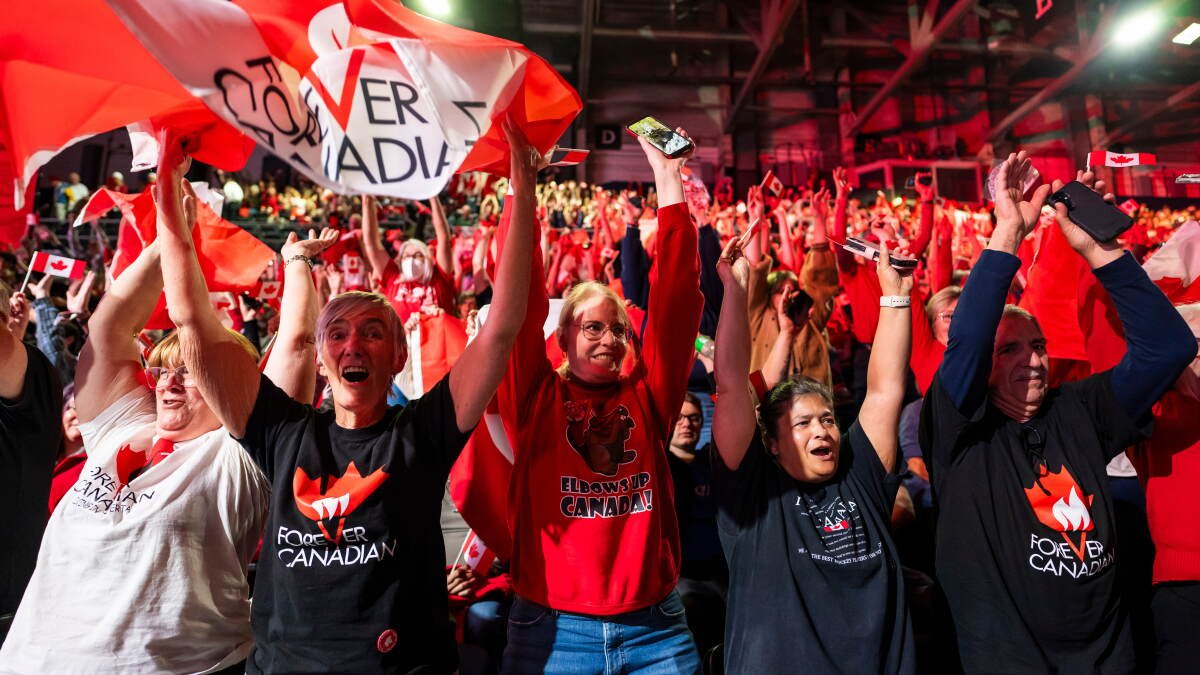
Voters in Alberta have decisively rejected a proposal to begin a process that could eventually lead to the Canadian province separating from the country, according to a projection by the Canadian public broadcaster CBC. The result represents a significant political victory for Prime Minister Mark Carney and supporters of national unity, while delivering a setback to separatists who have sought to turn dissatisfaction with the federal government into a movement for independence.
With more than one million votes counted early on Tuesday, approximately 76 per cent of voters had supported remaining in Canada, compared with around 23 per cent who backed beginning a legal process that could lead to separation. Roughly one-third of ballots had been counted at the time of the projection, meaning the figures remained preliminary. Nevertheless, the margin indicated a strong rejection of the proposal and suggested that the separatist movement had failed to secure the broad public backing needed to advance its immediate political ambitions.
The vote took place on Monday as part of a wider referendum featuring 10 questions covering several contentious issues in Alberta, including immigration, healthcare, education and the province’s constitutional powers. The independence-related question did not directly ask voters to approve Alberta’s separation from Canada. Instead, it asked whether the province should begin a legal process that could eventually lead to another vote on independence.

That distinction became a source of frustration for some separatists, who argued that the question did not offer voters a straightforward choice on independence itself. Even so, the result exposed a deep political divide within the oil-rich western province and highlighted the challenges facing those who want to transform regional grievances into a successful campaign for secession.
The outcome also offers an important moment for Carney, who had warned Albertans against using the referendum simply to express frustration with the federal government. The prime minister, who grew up in Edmonton, has a personal connection to the province and made the case that national unity provides greater stability and opportunity than a prolonged constitutional confrontation.
During campaigning, Carney cautioned that a vote against Canada could trigger years of uncertainty and undermine opportunities for both Albertans and Canadians. He argued that dissatisfaction with the policies of a particular government should not be confused with a decision about the future of the country itself.
“A vote against Canada is a dangerous bluff that will lead to years of deep uncertainty and lost opportunities for Albertans and Canadians,” he said at a campaign appearance last week.
The warning reflected concerns that even the beginning of a formal separation process could create significant economic and political uncertainty. Alberta is one of Canada’s most important energy-producing provinces, and any sustained debate over its constitutional status could affect investor confidence, business planning and relations with the federal government.
The possibility of separation has raised questions about the future of trade, energy infrastructure, public finances and the legal arrangements governing the province’s relationship with Ottawa. Although the referendum question did not itself establish a path to immediate independence, a successful vote in favour of beginning the process could have opened the door to further political and constitutional disputes.
For businesses and investors, the prospect of years of uncertainty is particularly significant. Alberta’s economy depends heavily on energy production and connections to domestic and international markets. A prolonged debate over separation could create concerns about regulation, investment decisions and the continuity of economic arrangements, even before any formal constitutional changes were considered.
The projected result provides reassurance to those who believe Alberta’s interests are best served within Canada. However, it does not necessarily mean that public dissatisfaction with federal policies has disappeared. The province has long experienced tensions over energy policy, federal regulation, taxation and the distribution of economic benefits, and those grievances have helped sustain the separatist movement.
Conservative Leader Pierre Poilievre also campaigned against separation, urging Albertans not to use the referendum as a means of punishing the federal government. Poilievre represents a parliamentary constituency in Alberta and sought to persuade voters that national identity and the country’s future extend beyond disagreements with a particular prime minister.
“Canada is more than a government,” he told supporters, describing the country as a shared community shaped by its people, flag, land, history and collective aspirations. He also argued that Albertans should not be portrayed as people prepared to abandon the country because of political frustration.
His intervention demonstrated that opposition to independence extended beyond Carney’s governing camp. Although federal Conservatives frequently challenge the policies of the Liberal government, Poilievre made clear that he did not support using dissatisfaction with Ottawa as a reason to pursue separation.
The campaign also presented a delicate challenge for Alberta Premier Danielle Smith and her United Conservative Party. Smith has publicly stated that she will vote to remain in Canada, but she has declined to require elected members of her party to take the same position. Her approach reflects the competing pressures within a political organisation that includes both federalist conservatives and supporters of greater provincial autonomy, some of whom have backed the separatist cause.
Smith’s leadership has been closely associated with the province’s political divisions. Her rise to the leadership of the United Conservative Party followed the departure of her predecessor, Jason Kenney, amid tensions involving conservative voters and separatist sentiment. Since taking office, she has attempted to maintain support among different factions while navigating Alberta’s relationship with the federal government.
The referendum has nevertheless become a political liability for her party. The campaign unfolded amid declining popular support for the United Conservatives and the loss of a previously reliable conservative stronghold in a by-election. The projected rejection of the separation proposal may weaken the immediate case for independence, but it does not automatically resolve the broader political difficulties confronting Smith.
Her position has required a careful balance between acknowledging frustration with federal decisions and avoiding a constitutional confrontation that could divide the province. A decisive result in favour of remaining in Canada could strengthen the argument that most Albertans are unwilling to pursue separation, while leaving Smith under pressure to demonstrate that her government can effectively represent the province’s interests within the federation.
Turnout figures suggested that the referendum attracted substantial public attention. Data from Elections Alberta indicated that approximately 43 per cent of eligible voters, equivalent to around 1.3 million people, had already cast ballots through advance voting and mail-in voting before Monday’s polling day. The figure pointed towards potentially higher participation than in the province’s previous referendum in 2021.
The level of advance participation highlighted the importance voters attached to the questions being presented. While the separation proposal attracted particular attention, the remaining questions addressed policy areas that affect daily life across Alberta, including access to healthcare, education and immigration. Elections Alberta said final results on the outstanding questions could take several days to complete.
The counting process was also affected by delays at polling locations. Problems at approximately 100 of the province’s 1,400 polling stations pushed the announcement of results back by more than two hours. Although the delays prolonged uncertainty on election night, the early figures indicated a clear advantage for those supporting Alberta’s continued membership in Canada.
Opponents of independence have argued that Alberta can pursue its economic and political interests more effectively without embarking on a separation process that could unsettle relationships with the rest of the country. Calgary Mayor Jeromy Farkas, a prominent critic of the independence movement, said the city’s future was strongest as part of Canada and warned that uncertainty could encourage capital to leave the region.
Farkas stressed that his support for Canada was not dependent on which political party controlled the federal government. He argued that national identity and the benefits of remaining together should not be treated as temporary positions that change with the political climate.
He also cautioned against assuming that the referendum would permanently end the separatist debate. In his view, the movement has a long-term objective and could continue campaigning even after suffering a decisive electoral setback.
That assessment is shared by separatist activists who have indicated that they intend to continue advocating independence despite the projected result. For them, the referendum is part of a wider political effort rather than a single event that will determine the province’s future once and for all.
The movement draws support from residents who believe Alberta has not received sufficient recognition or influence within the Canadian federation. Some supporters argue that the province’s contribution to the national economy, particularly through oil and gas production, gives it grounds to demand greater control over its resources and political decisions.
However, translating those grievances into majority support for independence remains a substantial challenge. Separating from Canada would involve complex legal, constitutional and economic questions, and the referendum result suggests that a large majority of participating voters were unwilling to support even the proposed initial step towards such a process.
For Carney, the projection strengthens the position of those who argue that national unity remains the preferred option for Alberta. It also gives federal leaders an opportunity to address the concerns that have fuelled regional discontent without facing an immediate mandate to begin a separation process.

The result should not be interpreted as a resolution of every dispute between Alberta and Ottawa. Questions about energy policy, provincial authority, economic development and federal decision-making are likely to remain central to the province’s politics. The challenge for both levels of government will be to manage those disagreements without allowing them to deepen the divisions exposed during the campaign.
As the remaining ballots are counted and the results of the other referendum questions emerge, Alberta’s political leaders will face pressure to respond to the issues voters placed before them. The projected rejection of the independence proposal provides a clear boost to Canadian unity, but the continuing presence of separatist sentiment means that the debate over Alberta’s place within the federation is unlikely to disappear.
For now, the strongest message from the early results is that Alberta voters have declined to take the proposed first step towards separation. The outcome represents a setback for the independence campaign and a victory for those who believe the province’s future is best secured within Canada, even as the political disagreements behind the referendum remain unresolved.
Related News:
 Alberta Referendum Exposes Deep Divisions Over Independence
 Burnham Opens Door to Possible UK Return to EU
 US Senate Debates Turn Bitter as Midterms Near
 France Faces Debt Crisis as Protests and Markets Clash
 Brazil Court Scandal Threatens Lula as Bolsonaros Rise
 Brazil Cuts Working Week to 40 Hours in Lula Election Boost
 Trump Rallies GOP as Senate Democrats Boost Key Races
 Cormann Warns Australia Against Populist Migration Caps
 Athens Mayor Moves to Tackle Overtourism Crisis
 Ukraine Urges UK to Seize Russian Oil Tankers
 Reeves Fights to Keep Treasury Role Amid Labour Turmoil
 Trump’s Revenge Drive Deepens GOP Divide
 Le Pen’s Popularity Holds Despite Conviction
 Trump Refuses to Sign Housing Bill, But Law Takes Effect
 Green Leader Targets Starmer’s Former Seat
 UK plans tougher Israel stance with settlement trade ban
 Trump Pledges $5,000 if Republicans Win Midterms
 Reform UK Receives Record £36m Donation From Crypto Billionaire
 Reform Faces Questions Over £72m Donations
 UK Retailers Accused of Breaking Refund Laws
 Slave-Trade Wealth Embedded in Britain’s Financial System
 Trump Threatens EU With Tariffs Over Canada Proposal
 Trump Threatens EU Over Canada Partnership Proposal
 US House Passes Russia Sanctions Bill Amid Debate
 Reform UK Faces Internal Debate Over £72m Spending
 Macron and Carney deepen France-Canada ties
 Trump and Mamdani Hold Cordial Gracie Mansion Meeting
 King Refers Jamaica Slavery Petition to Privy Council
 Thinktank Calls for Abolition of UK State Pension
 Tony Blair Calls for Britain to Rejoin EU Within a Decade
 Saudi intercepts Houthi missiles as oil fears grow
 French Student Protests Escalate Into Violent Clashes
 Trump Ads Trigger Fight Over Taxpayer Money
 Drumcree Talks Falter as Legal Challenge Deepens
 UK-France Returns Deal Faces Expiry as Talks Stall
 Badenoch Raises Prospect of 2027 UK Election
 French School Protests Escalate as 400 Schools Close
 Latin America women fear rollback of rights
 Spain Sets Snap Election as Housing Crisis Deepens
 EU-China Talks Target Surge in Hybrid Car Imports
 Tanker Attacked Near Qatar as Hormuz Tensions Escalate
 Turkey Rules Out Troops in Saudi Arabia’s Houthi Conflict
 Trader Wins Unfair Dismissal Case After Overseas Work
 Navi Pillay Wins Nobel Peace Prize for Justice
 Controversial Vaccine Trial Approved in Guinea-Bissau
 Premier League Faces a Crisis of Trust After City Verdict
 Trump Attacks Norway After Nobel Peace Prize Snub
 Delhi Braces for Youth Protests Over Voter Roll Dispute
 Delhi Detains Protest Leaders as Youth Rally Escalates
 Labour Fears Budget Will Fail to Lift Living Standards
 Ten US Midterm Races That Could Defy Expectations
 Millions Face Tougher Medicaid Rules From January
 Ohio Airports Become Key Hubs for ICE Deportation Flights
 Farage Rejects Claims Reform Would Let Troops Shoot Migrants
 UK Urges Interpol to Reject Argentina’s Falklands Arrest Requests
 Trump Targets Arizona and Montana Amid GOP Election Worries
 Gadi Eisenkot: Israel’s Anti-Netanyahu Challenger
 Talarico Faces Tough Voter Test in Texas Senate Race
 Serbia Leader Linked to Controversial Trump Tower Plan
 One Nation Pledges $2,000 Baby Subsidy in Victoria
 UK Could Rejoin EU Through a Switzerland Plus Deal
 Trump Halts New Russia Sanctions Amid Ukraine Rift
Trump Falsely Questions Ossoff’s Election Legitimacy
 Australian Mortgages Now Cheaper Than Rent in Some Suburbs
 Macron Condemns Violence as France Faces 2,400 Arrests
 UK Family Linked to Offshore Gambling Licence Controversy
 Marseille Activist Defies France’s Powerful Drug Gangs
 Obama Warns Against Threat to Ilhan Omar’s Citizenship
 Milan Luxury Stores Shut as Italy Plans Troop Deployment
 Suu Kyi Appears in Rare Photos After Royal Gift
 Trump Fears Shock Democratic Senate Win in Kansas
 Zelenskyy Accuses US of Delaying Ukraine Missile Supplies
 Unions Warn Labour Over Zero-Hours Contract Reforms
 Trump gives $45,000 holiday gifts to White House aides
 Entain Plans 400 Job Cuts After Profit Update
 Healey urged to act as UK energy bills rise 4%
 Ministers Push ATO to Reconsider Credit Card Ban
 South Africa Withdraws Directive on Asylum Applications
 Trump Names Katie Zachariah as Next White House Press Secretary
 UK Visa Refusal Threatens Baby’s Family Christmas