Published: 19 October 2026. The English Chronicle Desk. The English Chronicle Online
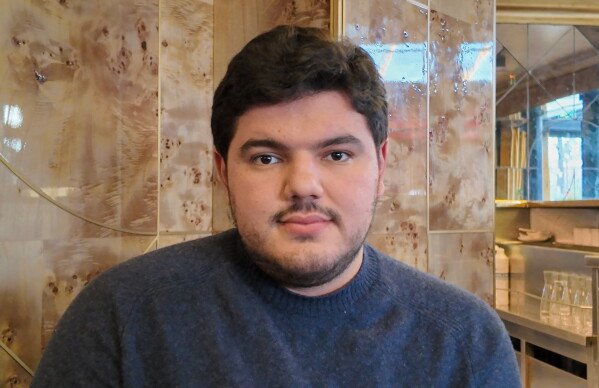
At just 23, Amine Kessaci has become one of France’s most prominent voices against organised drug crime, despite living under constant threat after the murders of his two brothers. The young law student and activist from Marseille has emerged as a determined opponent of powerful drug networks whose influence has spread through vulnerable neighbourhoods, where poverty, limited opportunities and the promise of quick money can draw teenagers into dangerous criminal operations.
Kessaci’s campaign has come at a devastating personal cost. His elder brother, Brahim, was murdered in 2020 after becoming involved with a drug gang as a teenager. Five years later, while Kessaci was increasingly visible in public campaigning against organised crime, his younger brother, Mehdi, was shot dead in Marseille. Mehdi had wanted to join the police force and, according to Kessaci, had no connection to the drug trade. The deaths transformed a family tragedy into a public struggle over violence, social abandonment and the ability of criminal groups to intimidate those who challenge them.
A trial beginning on Monday in Aix-en-Provence is expected to bring renewed attention to the growing problem of mafia-style drug trafficking in France. Five men accused of involvement in the murder of Brahim are facing trial in a case that could reveal more about the operations of a major Marseille-based criminal organisation known as the DZ Mafia. The defendants deny the charges, and the court proceedings will examine the allegations against them.

The case has become a focal point in France’s wider effort to confront organised drug crime. Political leaders and security officials have increasingly warned that powerful trafficking networks pose a serious threat to public safety and the authority of the state. The issue is also becoming a major battleground ahead of the 2027 presidential election, with rightwing and far-right politicians accusing the government of failing to prevent drug-related killings and dismantle criminal networks that generate enormous profits.
For Kessaci, the violence is not an abstract political issue. He was only 17 when Brahim, then 22, was shot and his body burned inside a car near a motorway in Marseille. The killing reflected a brutal pattern associated with drug-related disputes in the city, where violence has sometimes been used to punish rivals, settle conflicts and send warnings to people who might challenge criminal authority.
The loss of his brother pushed Kessaci towards public activism. He wrote a book, became involved with the Green political movement and began campaigning for policies that could prevent vulnerable teenagers from being recruited by drug dealers. His work has focused on the conditions that allow criminal networks to gain influence in neighbourhoods where young people face unemployment, educational disadvantage and a shortage of credible routes towards a better future.
But his activism became even more dangerous following Mehdi’s murder in November 2025. The daytime shooting triggered public anger and demonstrations, with many people expressing concern that drug gangs were prepared to target individuals who spoke openly against them. The killing also intensified questions about whether the authorities could adequately protect communities and campaigners from organised criminal violence.
Kessaci now lives under extensive security precautions, regularly changing where he sleeps because of fears that contract killers could target him. His public profile has made him a symbol of resistance to criminal intimidation, but it has also placed him in a particularly vulnerable position. He believes drug bosses see outspoken activists as a threat to their control because public criticism can weaken the image of power that helps them recruit young people and maintain influence over local communities.
“Narcos and drug traffickers only have one language, one method: violence,” Kessaci has said, arguing that criminal leaders attempt to silence those who expose the realities of the drug economy and organise solidarity among residents.
The problem has deep historical roots in Marseille. The Mediterranean port city was once associated with international heroin processing and trafficking, particularly during the middle decades of the 20th century. In more recent years, the market has increasingly focused on drugs such as cannabis and cocaine for domestic consumption. Criminal groups have built local networks that depend partly on recruiting teenagers to perform risky tasks, including selling drugs, transporting goods and helping enforce control over particular areas.
In neighbourhoods marked by economic hardship, these organisations can exploit the absence of opportunities and the desire for belonging. Kessaci has described recruited teenagers as “child soldiers”, arguing that young people are drawn into a system that treats them as expendable while those at the top collect the profits.
The promise of quick earnings is a powerful part of the recruitment process. Some teenagers are led to believe that drug dealing offers an opportunity to earn hundreds of euros a day and escape financial insecurity. Yet the apparent rewards conceal a reality in which young recruits face arrest, exploitation, intimidation and potentially fatal violence. The people who control the most profitable parts of the trade are often far removed from the immediate danger experienced by street-level dealers.
Kessaci argues that popular culture can reinforce this misleading image. Television dramas, films and social media content sometimes portray drug barons as glamorous figures who enjoy wealth, influence and apparent freedom from ordinary rules. He believes these depictions can encourage young people to admire criminal figures without understanding the suffering caused by their activities.
He has criticised online influencers who display luxury cars, expensive restaurants and extravagant lifestyles, particularly when such images suggest that extraordinary wealth can be achieved easily. In his view, the displays create unrealistic expectations and make criminal opportunities appear more attractive to teenagers who feel that conventional routes to success are closed to them.
The activist believes the response must go beyond police operations and criminal prosecutions. While he supports action against powerful traffickers, he argues that long-term progress will require stronger public services, better schools, improved housing and meaningful opportunities for young people. Without those changes, he warns, criminal organisations will continue to exploit the gaps left by struggling institutions.
Education is central to his approach. Kessaci believes schools must give children reasons to imagine a future beyond their immediate circumstances. Young people who feel abandoned by the education system or see their families struggling to pay bills can become more receptive to groups offering money, status and a sense of belonging. Rebuilding trust in public institutions, he argues, is essential to breaking that cycle.
He has also called for French authorities to pursue major drug traffickers who operate from abroad, including individuals believed to be living in destinations such as Dubai. Targeting those who organise and finance criminal operations, rather than focusing solely on vulnerable young dealers, is a key part of his proposed strategy.
Kessaci’s work now extends beyond campaigning. He has been elected a deputy mayor of Marseille and heads a social housing organisation, giving him a role in efforts to address the conditions that can leave children exposed to criminal recruitment. His position allows him to connect the debate about organised crime with wider questions about housing, public investment and social mobility.
Other community figures are pursuing similar efforts. Farida Chater, who runs a youth and sports association in Marseille, is working to give teenagers constructive activities and alternatives to the influence of drug dealers. Her own family has suffered from violence: her son-in-law was killed in a shooting in 2019. She has since dedicated herself to protecting younger generations from the false promises of easy money and the dangers associated with criminal networks.
Such initiatives are important in neighbourhoods where residents can feel trapped between the threat of gang violence and a lack of sufficient public support. Community organisations can provide safe spaces, mentoring, sporting activities and relationships with adults who offer encouragement beyond the criminal economy. However, campaigners argue that local groups cannot carry the burden alone and need sustained support from government and public institutions.
The trial of the five men accused in Brahim Kessaci’s murder will place the family’s suffering at the centre of a national debate. It may also provide insight into the structures and methods of the criminal networks accused of spreading fear through Marseille. Any findings will depend on the evidence presented in court, while the defendants retain the right to challenge the accusations against them.
For France, the challenge extends well beyond a single courtroom. The country must confront organisations capable of generating large sums of money, recruiting children and using extreme violence to protect their interests. The issue has become politically charged, but the experiences of families affected by shootings demonstrate that the consequences are measured in lost lives, traumatised communities and futures cut short.

Kessaci’s determination to continue speaking out, despite the danger, reflects his belief that silence allows criminal groups to strengthen their influence. He wants young people to understand that the apparent glamour of the drug trade hides a system built on exploitation and fear. His central message is that human life must be valued above money and that communities deserve a future not dictated by armed dealers.
The deaths of Brahim and Mehdi cannot be undone, and the risks facing Kessaci remain severe. Yet his campaign has helped bring renewed attention to the families and neighbourhoods caught in the grip of organised crime. His struggle highlights a broader question confronting France: whether it can combine effective law enforcement with social investment to prevent another generation of young people from being drawn into a cycle of violence.
Related News:
 King Refers Jamaica Slavery Petition to Privy Council
 French Student Protests Escalate Into Violent Clashes
 French School Protests Escalate as 400 Schools Close
 Latin America women fear rollback of rights
 Navi Pillay Wins Nobel Peace Prize for Justice
 Macron Condemns Violence as France Faces 2,400 Arrests
 Cartel crackdown raises fears of fresh violence
 Trump’s Revenge Drive Deepens GOP Divide
 Gunman Killed After White House Security Shootout
 Irish Gangland Figure Fails in Dublin Election Bid
 Le Pen’s Popularity Holds Despite Conviction
 Dreyfus Statue Finally Gets Permanent Paris Home
 Teen Charged After Layla Jeffery Found Dead
 Masked Protesters Bring Dover Port Traffic to Standstill
 UN expert urges UK to rethink Israel policy
 Armed Suspect Attacks Ohio Governor Candidate
 Ministers Condemn Far-Right Unrest in Portsmouth
 Miliband Rejects Chief Rabbi’s West Bank Warning
 Patriot Platform Raises Concern Across Britain
 Israel Accused of Undermining Palestinian Life
 Iran School Strike Raises War Crimes Questions, UN Says
 Texas Transfers Raise Fears for Migrant Children
 Memphis Questions National Guard Crime Surge
 Mahmood Warns Far Right Over Asylum Protests
 Briton Faces Cyprus Court Over Son’s Fatal Fall
 UK Reviews Hague Child Abduction Cases Involving Abuse
 Democrat Says ICE Restricted Detention Camp Oversight
 Japan PM Backs International Criminal Court
 Far-Right Activist Arrested After Channel Dinghy Incident
 Portadown protest ends after tense Orange Order standoff
 Three Die in Channel Crossing Attempt Near France
 Israel-bound Plane Lands in Saudi Arabia After Cockpit Fight
 Burnham Opens Door to Possible UK Return to EU
 Drumcree Talks Falter as Legal Challenge Deepens
 UK-France Returns Deal Faces Expiry as Talks Stall
 Hundreds of UK prisoners released early amid overcrowding
 Drumcree Talks End Without Agreement Ahead of Appeal
 Gosport Protesters Clash With Police Over Migrant Rescue
 Botstein Quits Bard Amid Epstein Investigation Calls
 NSW Police Bid Delays Inquiry Into Sydney Protest
 ICE Agent Shoots Man in New York as Child Escapes Harm
 France Promises 3,000 Teachers as Student Protests Grow
 South Africa Withdraws Directive on Asylum Applications
 EU Divisions Deepen Over Israel Policy
 US Execution Livestream Plan Sparks Global Outrage
 Three Convicted in Mexico Surfing Trip Murders
 UAE Says Co-Pilot Planned Suicide Attack on Israel
 Controversial Vaccine Trial Approved in Guinea-Bissau
 Trump Attacks Norway After Nobel Peace Prize Snub
 Delhi Braces for Youth Protests Over Voter Roll Dispute
 Delhi Detains Protest Leaders as Youth Rally Escalates
 Recruitment Boss Accused of Leading Doxxing Campaign
 Ten US Midterm Races That Could Defy Expectations
 Ohio Airports Become Key Hubs for ICE Deportation Flights
 England and Wales Begin Second Wave of Early Prison Releases
 Farage Rejects Claims Reform Would Let Troops Shoot Migrants
 Camera Discovery Triggers Navy Ship Investigation
 Brazil Cuts Working Week to 40 Hours in Lula Election Boost
 Gadi Eisenkot: Israel’s Anti-Netanyahu Challenger
 Talarico Faces Tough Voter Test in Texas Senate Race
 French Police Face Scrutiny Over Injured Teenagers
 One Nation Pledges $2,000 Baby Subsidy in Victoria
 Mexican Court Sentences Three Men to 158 Years Each
 Trump Administration Threatens California Election Officials
 Alberta Referendum Exposes Deep Divisions Over Independence
 French Taxi Driver Cleared in David Lammy Theft Case After Fare Dispute
 Greene Pushes Epstein Files Amid Trump Fallout
 Ben Roberts-Smith Denies War Crime Allegations in First Statement
 Barrister Criticises Trial After Suicide Case Verdict
 Farage and Reform UK Reshape British Politics
 British Columbia Sues OpenAI Over School Shooting
 Republican Senator Questions Trump Ad Spending
 London Facial Recognition Trial Ends With False Alert
 Badenoch Raises Prospect of 2027 UK Election
 Palace Rejects Funding Andrew’s Police Legal Challenge
 Trump Names Katie Zachariah as Next White House Press Secretary
 Elizabeth Struhs Inquest Examines Child Safety Failures
 India’s Voter Roll Crisis Sparks Nationwide Protests
 UK Bill Faces Warning Over Fayed Trafficking Victims
 UK Visa Refusal Threatens Baby’s Family Christmas