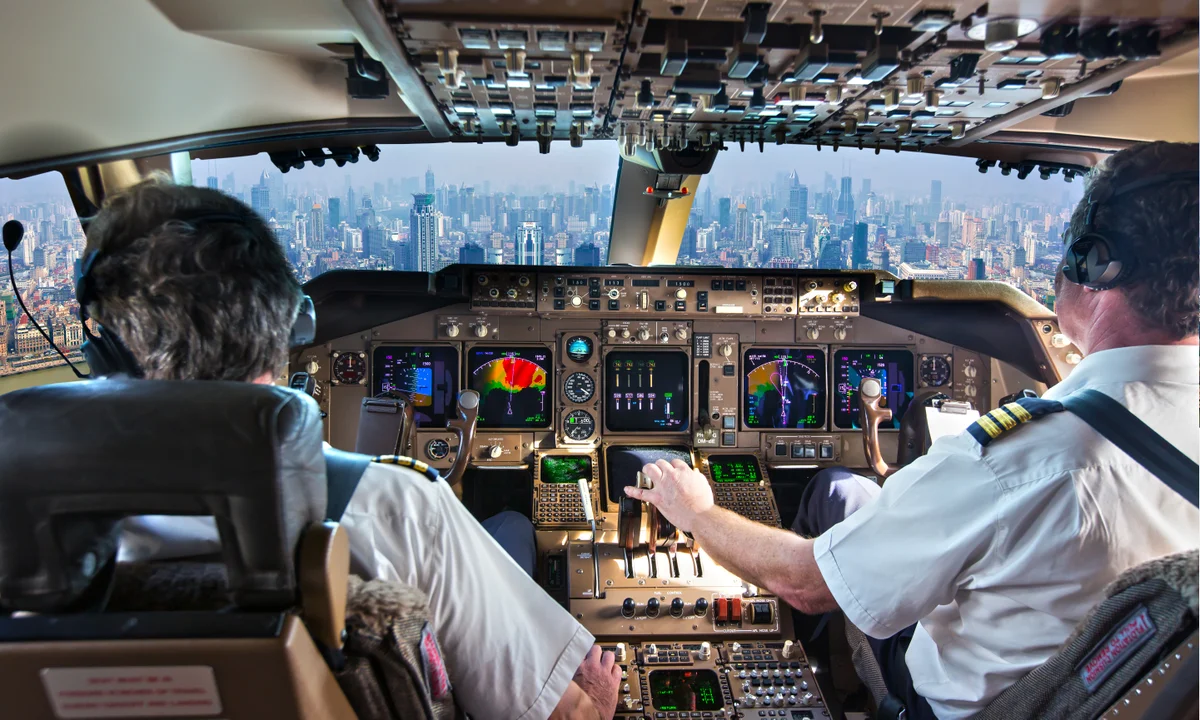
Nearly one in four European airline pilots routinely continue flying despite being too fatigued to work safely, while three-quarters have experienced involuntary microsleeps in the cockpit, according to a major survey highlighting persistent concerns about aviation safety, working conditions and fatigue management across the European aviation industry.
The findings, based on responses from almost 7,200 captains and first officers, have raised questions about whether existing safeguards are adequately protecting flight crews and passengers. The survey was conducted in August by the European Cockpit Association (ECA), which represents pilots across Europe. Its results point to a working environment in which insufficient rest, pressure to extend duty hours and concerns about management retaliation may discourage pilots from reporting fatigue before operating an aircraft.
The figures highlight a potentially serious problem for an industry in which alertness, concentration and rapid decision-making are essential to safe operations. Although fatigue is a recognised occupational risk in aviation, the survey suggests that many pilots continue to face circumstances in which acknowledging exhaustion may be perceived as a professional or employment risk rather than a necessary safety precaution.

Almost 24% of respondents said they usually continued flying rather than declaring themselves unfit for duty because of fatigue. Another 16.8% said they would call in sick instead. The findings suggest that pilots respond differently when they feel too exhausted to work, with some choosing not to operate and others continuing despite their concerns.
Fatigue can develop through a combination of extended working hours, inadequate rest periods, irregular schedules and flights across multiple time zones. These factors can interfere with the body’s natural sleep cycle, leaving pilots struggling to maintain the level of alertness required during demanding operations.
The consequences can extend beyond ordinary tiredness. Fatigue can impair judgement, slow reaction times, reduce situational awareness and make it more difficult to respond appropriately to unexpected events. In aviation, where crews must monitor complex systems, communicate effectively and make time-sensitive decisions, even brief lapses in attention can become a significant concern.
One of the survey’s most striking findings concerned microsleeps, which are brief, involuntary episodes of sleep that can occur when a person is severely tired. Approximately three-quarters of the pilots surveyed reported experiencing at least one microsleep while operating an aircraft during the four weeks preceding the survey.
Such episodes can last only a few seconds, and the person experiencing them may not always recognise what has happened immediately. Nevertheless, a momentary lapse in awareness can be particularly concerning in a cockpit, where pilots must continuously monitor flight instruments, aircraft performance, weather conditions and communications.
The survey did not establish that every reported microsleep resulted in a safety incident, nor did it directly measure the impact of fatigue on accident rates. However, the prevalence of these experiences among respondents raises important questions about the effectiveness of current fatigue prevention measures and the working conditions under which pilots are expected to operate.
The findings also revealed considerable differences between countries and airline operating models. Pilots employed by airlines based in Ireland and Malta reported some of the highest levels of microsleeps. More than one-third of respondents said they were not receiving sufficient rest to prevent fatigue from accumulating over time.
The proportion of pilots who said they usually continued flying while fatigued was particularly high among respondents working for airlines based in Spain, Ireland and France. Around two in five pilots at Spain-based airlines said they generally flew despite fatigue, while approximately one-third of those working for Ireland- and France-based airlines reported the same behaviour.
The corresponding figure among pilots working for UK-based airlines was about one in 10. These differences indicate that fatigue management experiences vary considerably across the European aviation sector. However, the survey results reflect the experiences of participating pilots and should not automatically be interpreted as a comprehensive measurement of safety performance across every airline in each country.
Another significant finding concerned trust in the systems designed to manage fatigue. Almost half of the respondents feared that declaring themselves unfit for duty because of exhaustion could lead to negative consequences from management. Only 11.9% said they trusted their airline’s fatigue reporting system.
These figures raise concerns about whether pilots feel sufficiently protected when making safety-related decisions. If crew members believe that reporting exhaustion could result in disciplinary action, unfavourable scheduling decisions or damage to their professional prospects, they may be less willing to communicate their concerns openly.
An effective safety system depends on employees being able to report hazards without fear of inappropriate punishment. In aviation, this principle is especially important because pilots may be the first people capable of recognising when their physical condition makes it difficult to perform their duties safely.
European aviation safety regulations require airlines to establish systems for identifying, monitoring and managing crew fatigue. These arrangements are intended to reduce risks associated with duty schedules, rest periods and the physiological demands of flying. However, the survey suggests that the existence of formal rules does not necessarily guarantee that pilots experience those protections consistently in practice.
Ian Holder, managing director of aviation safety consultancy Baines Simmons, said the findings illustrated persistent differences in the way airlines and national authorities manage fatigue risks. He emphasised that the survey captured pilots’ direct experiences rather than providing a direct measurement of aviation safety outcomes.
Holder also highlighted the significance of similar concerns emerging over three consecutive years. The persistence of the findings suggests that fatigue reporting and management remain areas requiring sustained attention rather than problems that can be addressed through isolated policy changes.
He pointed to Finland and the Netherlands as examples where stronger fatigue reporting cultures were achievable. Their experiences suggest that improvements may depend not only on regulatory requirements but also on workplace practices, management attitudes and the degree to which pilots feel comfortable reporting safety concerns.
The survey also identified differences between airline business models. Only 15.6% of pilots working for low-cost carriers believed their airline managed fatigue risks well. Among pilots employed by aircraft, crew, maintenance and insurance providers, commonly known as ACMI or wet-lease operators, the proportion was slightly higher at 18.6%.
Wet-lease companies supply aircraft and operational crews to other airlines, often helping carriers meet seasonal demand, cover capacity shortages or maintain services during operational disruptions. While these arrangements can provide flexibility to the aviation industry, they can also involve complex scheduling and operational relationships that make consistent fatigue management particularly important.
The results do not establish that every low-cost or wet-lease operator manages fatigue poorly. Nevertheless, the low levels of confidence among respondents suggest that some pilots believe their employers need to do more to identify and address exhaustion before it affects their ability to work safely.
Concerns about extended working hours emerged as another major issue. Nearly two in five respondents said they had used a procedure known as commander’s discretion at least once during the month before the survey. The procedure allows a captain, in exceptional circumstances and subject to applicable rules, to extend crew duty hours or adjust rest arrangements when operational conditions require it.
Such discretion is intended to provide flexibility in unusual situations rather than serve as a routine solution to scheduling difficulties. However, almost 70% of surveyed pilots expressed concern about refusing to extend their duty periods. The finding suggests that some crew members may feel pressure to accept additional working hours even when they have reservations about their fatigue levels.
Pilots working for low-cost carriers and wet-lease operators, as well as those employed by airlines based in Ireland and Malta, reported particularly strong concerns about these issues.
The distinction between a permitted operational extension and pressure to work beyond reasonable limits is central to the debate. Captains must consider the safety of their crews and passengers, but their decisions can become more difficult if they believe that refusing an extension could provoke conflict with management or create problems for their employment.
European Cockpit Association president Captain Tanja Harter said responsibility for fatigue management should not be left solely to individual pilots. She argued that flight crews should not be expected to manage the risks themselves while simultaneously being responsible for delivering passengers safely to their destinations.
Harter called on the European Union Aviation Safety Agency to strengthen fatigue management rules and ensure that airlines comply with requirements for non-punitive reporting and the appropriate use of commander’s discretion. Her position reflects the association’s view that effective safeguards require action from both regulators and airline management.
She also warned against allowing the issue to continue without meaningful progress. The aviation industry, she argued, already understands many of the problems and has potential solutions available, making stronger implementation and political commitment essential.
For passengers, the findings offer a reminder that aviation safety depends on more than aircraft maintenance, technology and airport security. The physical and mental condition of flight crews is also fundamental to safe operations, particularly when pilots work irregular schedules or face repeated demands for extended duty periods.
Addressing fatigue will require airlines to examine staffing levels, scheduling practices, rest opportunities and the workplace culture surrounding safety reporting. Regulators must also ensure that existing requirements are applied consistently and that pilots can declare themselves unfit without fear of inappropriate retaliation.
The survey does not demonstrate that European aviation as a whole is unsafe, and its findings should not be treated as proof that fatigue has caused a specific accident. It does, however, reveal a substantial gap between the safety standards the industry seeks to maintain and the experiences reported by many pilots.

With thousands of flight crew members describing microsleeps, inadequate rest and concerns about reporting procedures, the pressure is now on airlines and regulators to demonstrate that fatigue is being treated as a serious operational risk.
The central challenge is to create conditions in which pilots can make safety decisions without fear of professional consequences. Ensuring that exhausted crew members can report themselves unfit, receive appropriate rest and refuse unsafe extensions of duty is essential not only for their wellbeing but also for the confidence of the travelling public.
The findings provide a clear warning that fatigue management cannot depend on written policies alone. It must be reflected in everyday scheduling decisions, management practices and a workplace culture that places safety ahead of operational pressure.
Related News:
 Bradford Rail Hub Promises Faster Northern Connections
 Reform UK funding: mystery billionaire revealed
 Italy’s Beach Lunch Ban Sparks Holiday Backlash
 Weight-Loss Drugs Offer Food Savings Mainly to High Earners
 London Launches First Self-Driving Taxis
 Nats Boss Summoned as UK Flight Chaos Continues
 UK Heatwaves Set to Worsen Pothole Damage, RAC Warns
 Edinburgh Glasshouses Reopen After Major Restoration
 Feeld Founders Receive Record Dividend as Sales Rise
 BT Broadband Pauses Raise Digital Switchover Concerns
 Rome Cracks Down on Rising Golf Cart Tours
 Teen Rescued After AI Gives Dangerous Hiking Route
 Sydney Town Square Plans Face New Planning Hurdle
 UK Water Firms Earn Millions From Industrial Wastewater
 Bedbug Infestation Grounds Qantas Plane in Rome
 Virgin Trains Moves Closer to Challenging Eurostar Monopoly
 New laws to bolster UK’s defences against cyber attacks on NHS, transport and energy
 AI job losses UK: Britain faces sharper employment shock
 UK AI avatar firm Synthesia valuation jumps to $4bn
 BT Names New Openreach Chief Amid Major Fibre Expansion
 AI fears hit UK wealth and comparison sites
 Qantas Revamps Loyalty Program Amid $1.46bn Profit Surge
 Tesla Enters British Energy Market Following Ofgem Approval
 Rising Costs Force Families to Rethink Days Out
 Glasgow Central Set for Full Reopening After Fire
 M&S Demands Urgent Action on Rising Violent Retail Crime
 Ukraine Urges UK to Seize Russian Oil Tankers
 Disney+ Wins Champions League Rights in Key Markets
 DeepMind Staff Vote to Unionize Over US Military Contract
 Belfast Approves Pilot Extension of Sunday Trading Hours
 Thailand Tightens Visa Rules to Curb Tourist Misbehavior
 SpaceX Prepares for Historic Valuation Launch
 Trump Faces Backlash Over $2bn Earnings Since Return
 Record £28m Fine for Virgin Media Over Cancellation Woes
 Jet2 Sees Summer Surge Despite Global Tensions
 England and Norway Fans Turn Miami Into World Cup Carnival
 London Tube Heat Reaches Dangerous Levels
 Olympus Awaits Unesco Heritage Recognition
 Burnham unveils £65m drought aid for farmers
 Gen Z turns to BirdTok for a gentler digital escape
 Queue row erupts on Wales’ highest mountain
 UK Risks Falling Behind in AI Race
 UK Subsidence Claims Surge After Record-Breaking Summer
 Councils spend £125m on illegal children’s care
 McLaren to Create 1,000 UK Jobs in £450m Investment
 Iceland to Open First UK High Street Store in Falklands
 AI CEOs Call for Slower Development
 UK Retailers Accused of Breaking Refund Laws
 Heathrow Expansion Faces New Climate Conditions Over CO₂
 Tom Watson Takes Senior Role at Palantir
 UK Rent Gap Puts Low-Income Families Under Pressure
 Labour Apprenticeship Scheme Faces Slow Start
 Australia Renewables Reach Record 80% Grid Demand
 Tropics May Wait Longest for Net-Zero Climate Benefits
 Roman Finds Reveal Bath’s Suburban Past
 Trump gives Xi red-carpet welcome as trade truce extends
 Chinese Hybrid Car Surge Raises EU Auto Industry Concerns
 Xi urges Trump to avoid US-China military conflict
 Frome Community Loses Bid for Major Regeneration Site
 TalkTalk Races to Sell Arms as Administration Looms
 London Facial Recognition Trial Ends With False Alert
 UK University Strikes Spread as Financial Pressure Grows
 Burnham Opens Door to Possible UK Return to EU
 Poundland Rescue Bid Could Protect 11,000 Jobs
 Sheikh Tahnoon and the UAE’s AI Ambitions
 Healey urged to act as UK energy bills rise 4%
 Badenoch Raises Prospect of 2027 UK Election
 Salinas Struggles to Keep the American Dream Alive
 Sardinia Village Emerges as Longevity Hotspot
 Houthi Missile Claim Sparks Riyadh Airport Disruption
 UK Pharmacy Body Drops Teva After Ethical Concerns
 Australian Advocates Seek Subsidised Drugs for PMOS
 Hanson Attacks Taylor as Australian Conservatives Clash
 UK Must Build Its Own AI to Protect National Security
 Hall and Woodford Win Nobel Economics Prize
 Millions Face Tougher Medicaid Rules From January
 UK Shoppers Urged to Avoid Hake and Coley
 UK Pledges Stronger Protections for Disabled Air Passengers
 Zelenskyy Says US Failed to Warn Kyiv of Russian Strikes
 Middleton Revitalisation Blueprint for UK Towns