


Published: 14 October 2026. The English Chronicle Desk. The English Chronicle Online
Australia’s Labor government has suffered a parliamentary setback after the Greens joined opposition parties and crossbench senators to block proposed cuts to private health insurance rebates for older Australians, insisting that pensioners must be protected from the changes during a continuing cost-of-living crisis.
The legislation, which the Albanese government intended to introduce from April 2027, was designed to reduce federal spending by approximately A$3bn. However, the proposal has triggered a growing political dispute over the affordability of healthcare, the financial security of retirees and the relationship between government savings and the funding of aged care services.
The Greens have made their support conditional on excluding pensioners from the proposed changes, arguing that older Australians should not have to sacrifice access to private health coverage to manage everyday expenses. The government, meanwhile, has accused the party of using the issue for political advantage and says the legislation deserves a full parliamentary debate.

The bill was blocked in the Senate on Wednesday after the Greens, the Coalition and crossbench senators combined to prevent it from proceeding. In an unusual procedural development, the legislation was discharged from the upper house, meaning the government will need to reintroduce it if it wants to pursue the same policy.
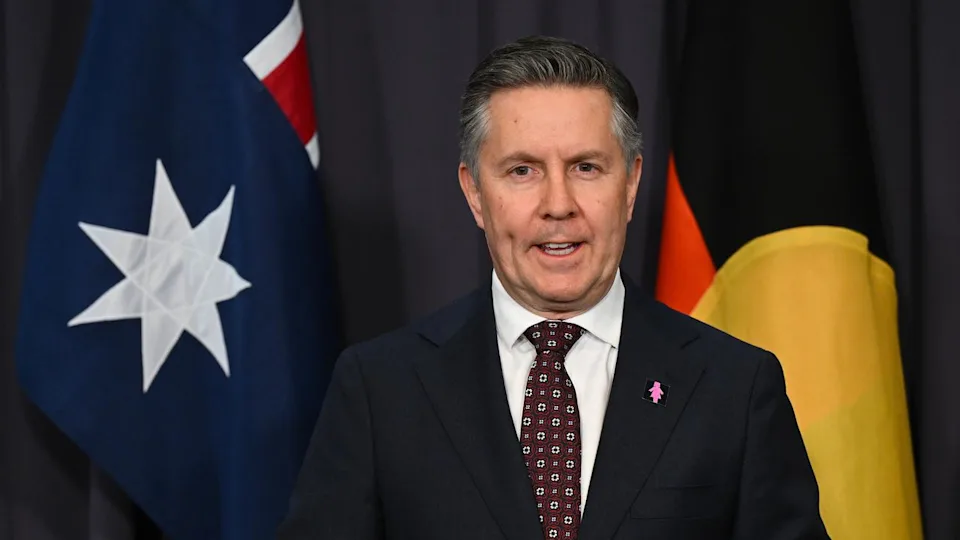
Health Minister Mark Butler said Labor intended to bring the same bill back to parliament on Thursday. He argued that the consequences of the proposal for older Australians were too important to be decided through political manoeuvring and called for elected representatives in both houses to examine the changes properly.
The confrontation represents another setback for the government’s efforts to reduce public expenditure. Labor has faced resistance over other proposed savings measures, including a plan to cap payments for allied health services for veterans that would have saved A$748m over three years. The government was forced to retreat from that proposal after facing opposition.
At the heart of the current dispute is the existing private health insurance rebate system. Australians aged 65 and over currently receive a higher rebate on their insurance premiums than younger policyholders, with the level of assistance increasing further for people aged 70 and above. The proposed changes would reduce this additional support, potentially increasing the amount some older policyholders must pay to maintain their coverage.
For retirees living on fixed incomes, even a relatively modest increase in insurance premiums can create difficult choices. Rising costs for groceries, housing, energy, transport and other essentials have already placed pressure on many household budgets. Healthcare expenses can add another burden, particularly for people managing multiple conditions or anticipating the need for specialist treatment.
Health department modelling released under freedom-of-information laws suggests that almost 80,000 older Australians could abandon private health insurance by the 2028–29 financial year as a result of the government’s proposal. The projected figure has become a central part of the debate, with critics warning that reduced private coverage could place additional pressure on an already strained public health system.
Greens leader David Shoebridge said his party would support the legislation if the government excluded pensioners from the changes. He argued that around 1.2 million pensioners should be protected, presenting the carve-out as a necessary safeguard for people who have limited capacity to absorb higher healthcare costs.
Shoebridge said the Greens were prepared to pass the bill quickly if Labor agreed to the exemption. Without that concession, he said, his party would not support a measure that it believes risks making healthcare less affordable for vulnerable older people.
The government’s response has been sharply critical. Butler accused the Greens’ new leadership of recognising a political opportunity to join forces with the Coalition and other senators against Labor. The minister’s comments suggest the government views the parliamentary defeat not only as a policy disagreement but also as a challenge to its broader budget strategy.
The dispute has raised questions about how governments should balance fiscal savings against the financial pressures experienced by older citizens. Supporters of the proposed changes argue that reforming the rebate could reduce public expenditure and help the government direct resources towards other priorities. Opponents say the savings should not be achieved by making essential healthcare harder to afford.
Patricia Sparrow, chief executive of Council on the Ageing Australia, rejected the suggestion that older Australians should have to choose between affordable private healthcare and a properly funded aged care system. She argued that protecting access to healthcare and providing adequate aged care should be treated as complementary responsibilities rather than competing demands.
Her position reflects a broader concern that older Australians are increasingly being asked to navigate a fragmented system in which access to medical treatment, hospital discharge and aged care support can depend on a complicated combination of public services and private financial resources.
The Coalition has also opposed the proposal. Shadow health minister Anne Ruston said the changes could affect up to 1.5 million pensioners, a figure broader than the government’s projected estimate of those expected to leave private insurance. The two figures measure different potential impacts and should not be treated as equivalent: the government’s modelling estimates how many older people might drop their cover, while the opposition’s claim concerns the wider group it says could be affected by the policy.
Ruston criticised the government’s budget management, arguing that the need to reduce health-related support to finance aged care reflected weaknesses in its overall fiscal approach. Her comments underline the opposition’s effort to frame the proposal as evidence that Labor is struggling to meet competing spending commitments.
State and territory governments have also expressed concern, warning that the federal proposal could have consequences for public hospitals. Although private insurance does not eliminate the need for public healthcare, a decline in private coverage could alter where some patients seek treatment and increase demand for publicly funded services.
Victoria’s health minister, Ingrid Stitt, said she had raised concerns with Butler and would oppose measures that made it more difficult for Victorians to obtain the care they needed. She argued that federal savings should not come at the expense of older residents or simply transfer financial and operational pressure to state-run hospitals.
New South Wales health minister Ryan Park said the state’s public health system was already under significant strain because of insufficient aged care placements. When older patients are medically ready to leave hospital but cannot secure appropriate aged care arrangements, they may remain in hospital beds for longer than necessary. That can reduce capacity for other patients and complicate the delivery of emergency and planned treatment.
Queensland health minister Tim Nicholls similarly warned that additional pressure could fall on older Australians already waiting in hospitals. Tasmania’s health minister, Bridget Archer, criticised the proposal and argued that the government had failed to provide adequate solutions for aged care patients who remain in hospital because suitable placements are unavailable.
These concerns highlight the close relationship between private insurance, public hospitals and aged care. A policy intended to reduce federal expenditure may have consequences across several parts of the healthcare system, particularly if changes in insurance coverage increase demand for public services or compound existing delays in moving patients from hospitals into residential or community care.
However, the precise effect of the proposed rebate changes remains uncertain. The number of people who may leave private insurance is a projection rather than a confirmed outcome, and the eventual impact would depend on the final legislation, the availability of alternative coverage and how individual households respond to any increase in premiums.
The government must now decide how to proceed after the Senate defeat. Reintroducing the bill would give Labor another opportunity to argue for its proposed savings, but the Greens’ position means that negotiations over a pensioner exemption could become essential to securing sufficient support.

For older Australians, the debate is about more than a line in the federal budget. It concerns whether they can continue paying for private health coverage while meeting the cost of daily living, and whether changes to one part of the healthcare system will place greater pressure on another.
The parliamentary confrontation has exposed the difficulty of delivering budget savings when the effects are felt by people who may have little room to adjust their spending. Unless Labor and its opponents find common ground, the proposed reform could remain a major source of political conflict as the government tries to balance financial restraint with the needs of an ageing population.
Related News:
 Thinktank Calls for Abolition of UK State Pension
 Ministers Push ATO to Reconsider Credit Card Ban
 Australia Delays Tax Credit Card Payment Ban After Backlash
 France Faces Debt Crisis as Protests and Markets Clash
 Labour Fears Budget Will Fail to Lift Living Standards
 Unions Raise Concerns Over Doctors’ Pay Dispute
 NHS Safety Fears as Nurses Cover Doctor Gaps
 BBC News Faces Deep Cuts in 2,000 Job Plan
 Reeves Fights to Keep Treasury Role Amid Labour Turmoil
 Labour MPs Urge Burnham to Revive UK Aid Target
 Weight-Loss Drugs Offer Food Savings Mainly to High Earners
 UK Households Could Save £173 on Fixed Energy Deals
 Burnham Faces Mounting Budget Challenges
 UK House Prices Fall as Mortgage Rates Rise
 Reform UK Receives Record £36m Donation From Crypto Billionaire
 Thames Water Revises Oxfordshire Mega-Reservoir Plan
 UK Pay Growth Slows to 3.9% as Rate Decision Nears
 Bank Urged to Slow Bond Sales as UK Costs Rise
 UK Inflation Hits 3.1% as Household Pressure Grows
 UK Youth Jobs Gap Reveals Deep Regional Divide
 Disabled Travellers Seek Fairer UK Care Rules
 UK Rent Gap Puts Low-Income Families Under Pressure
 MPs Defend UK Economic Watchdog Against Critics
 GP List Policy Risks Cutting Off Vulnerable Patients
 Tony Blair Calls for Britain to Rejoin EU Within a Decade
 Saudi intercepts Houthi missiles as oil fears grow
 Madrid Tent Camp Grows as Spain Housing Crisis Deepens
 Burnham Opens Debate on Pension Triple Lock for Care
 New UK Homes in Flood Zones Face Insurance Risk
 Burnham Opens Door to Possible UK Return to EU
 Poundland Rescue Bid Could Protect 11,000 Jobs
 Healey urged to act as UK energy bills rise 4%
 Badenoch Raises Prospect of 2027 UK Election
 DOJ Declines to Reopen Powell Renovation Probe
 London Council Warns of 150% Council Tax Rise
 Informa Agrees £2.24bn Deal to Buy Clarion
 EU-China Talks Target Surge in Hybrid Car Imports
 Coalition Migration Plan Faces Costing Questions
 IMF Warns Governments Over Rising Debt Burdens
 NSW Police Bid Delays Inquiry Into Sydney Protest
 US Senate Debates Turn Bitter as Midterms Near
 Sydney Town Square Plans Face New Planning Hurdle
 Labour MP Urges Billions for Affordable Homes
 Controversial Vaccine Trial Approved in Guinea-Bissau
 Australian Advocates Seek Subsidised Drugs for PMOS
 IFS Warns UK Budget Faces £35bn Spending Gap
 Elizabeth Struhs Inquest Examines Child Safety Failures
 Millions Face Tougher Medicaid Rules From January
IMF Raises UK Growth Forecast Ahead of Healey’s Budget
Millions Face Tougher Medicaid Rules From January
IMF Raises UK Growth Forecast Ahead of Healey’s Budget
 Camera Discovery Triggers Navy Ship Investigation
 Reeves rejects £1bn plea for NHS redundancy payouts
 Senator John Fetterman Hospitalized After Fall from Heart Flare-Up, Keeps Sense of Humor
 Liberal Turmoil Threatens Victorian Election Hopes
 New Zealand Covid Response Praised Despite Lingering Scars
 Farage Faces Backlash Over Crypto Cameo Endorsements
 Albanese Rejects Gas Export Tax Push
 Barrister Criticises Trial After Suicide Case Verdict
 Wes Streeting faces narrow road to Labour members’ favour
 Tony Abbott Returns as New Liberal Party President
 Kevin Warsh sworn in as Fed chair amid economic backlash
 Pope Meets Families in Italy Toxic Waste Zone
 Farage and Reform UK Reshape British Politics
 Labour MP Revives Blocked Assisted Dying Bill in Commons
 Trump’s Mount Rushmore Speech: A Divisive Anniversary
 Burnham unveils £65m drought aid for farmers
 Trump gives $45,000 holiday gifts to White House aides
 UK Retailers Accused of Breaking Refund Laws
 North Sea Firms Urge Early End to Windfall Tax
 Mayors Could Gain Greater Powers Over Water Firms
 Entain Plans 400 Job Cuts After Profit Update
 Trump Threatens EU With Tariffs Over Canada Proposal
 Calls Grow to Expand UK National Wealth Fund
 Democrat Says ICE Restricted Detention Camp Oversight
 AO Acquires Jessops in Camera Retail Expansion
 Salinas Struggles to Keep the American Dream Alive
 Gosport Protesters Clash With Police Over Migrant Rescue
 Tesco Raises Profit Forecast as Consumer Confidence Holds
 South Africa Withdraws Directive on Asylum Applications
 Trump Names Katie Zachariah as Next White House Press Secretary
 Hall and Woodford Win Nobel Economics Prize








