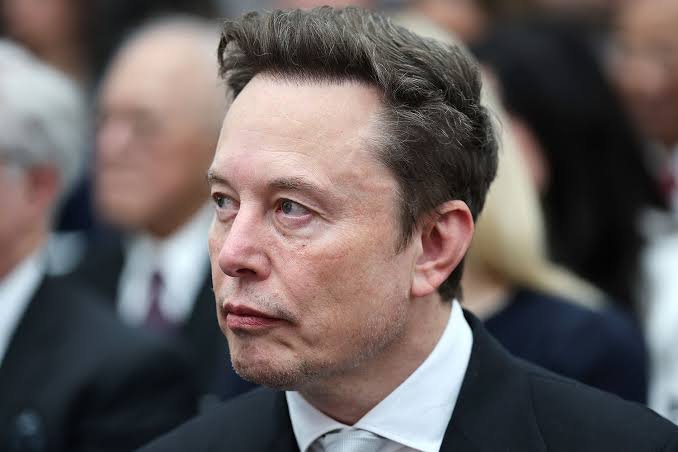
Elon Musk’s extraordinary investment of nearly half a billion dollars in the 2026 US midterm elections has ended in a major political setback, after several Republican candidates backed by the billionaire suffered defeats across the country. Despite spending at least $446 million to support Republican campaigns and protect the Trump administration’s political influence in Congress, Musk failed to achieve his central objective as Democrats secured significant victories in key Senate, gubernatorial and congressional contests.
The election results represent one of the most expensive political interventions by an individual in recent American history. Musk, the world’s richest person and chief executive of Tesla and SpaceX, dramatically increased his political spending compared with the 2024 presidential election. His latest contributions exceeded the nearly $290 million he spent during the previous election cycle, demonstrating the growing role he intended to play in shaping American politics.

However, the Democratic victories have raised serious questions about the effectiveness of massive financial contributions in determining election outcomes. Musk’s political organisations invested heavily in competitive races, funded advertising campaigns and promoted Republican candidates through extensive political messaging. Yet voters in several states rejected the candidates he supported, suggesting that financial resources and celebrity influence could not overcome growing dissatisfaction with the Republican administration.
Musk’s political spending was primarily channelled through Republican-aligned political action committees and other campaign organisations. At least $446 million went to eight such groups, with his own America PAC receiving the largest contribution, amounting to at least $216 million. Another $168 million was directed towards the Senate Leadership Fund, which supported several Republican candidates, including Texas Attorney General Ken Paxton.
The scale of the investment reflected Musk’s determination to help Republicans maintain control of Congress. With the Trump administration relying on Republican majorities to advance its legislative priorities, the billionaire’s financial involvement was intended to strengthen the party’s position in several closely contested states. Instead, Democrats achieved victories in many of the races that received the greatest financial attention from his political network.
One of the most significant setbacks occurred in Texas, where Musk had concentrated a substantial portion of his political resources. The state is particularly important to his business empire, with major operations and corporate interests connected to Tesla and SpaceX. Musk had strongly supported Republican Senate candidate Ken Paxton against Democratic challenger James Talarico, investing heavily in efforts to prevent a Democratic victory.
America PAC alone spent at least $28 million on advertising and messaging campaigns targeting Talarico. Musk also repeatedly criticised the Democratic candidate through his social media platform, X, using inflammatory political messaging to portray him as a threat to conservative values and immigration policies.
Despite those efforts, Talarico secured a commanding victory, delivering a major defeat to Musk’s preferred candidate. The outcome was especially significant because Texas has traditionally been one of the Republican Party’s strongest political territories. Talarico’s victory also marked the first time since 1988 that a Democrat had won a US Senate seat representing the state.
During his victory speech, Talarico directly addressed the influence of wealthy political donors, arguing that enormous financial resources could not replace public support. He said the election had demonstrated that even the richest individuals could not overcome the collective will of ordinary voters. His remarks were widely viewed as a direct response to Musk’s extensive involvement in the campaign.
The setbacks in Texas extended beyond the Senate contest. Democrats also secured the governor’s office, with Gina Hinojosa emerging as the incoming governor, while Republicans faced the prospect of losing control of the state legislature. The combined results represent a significant political shift in a state where Musk had enjoyed close relationships with Republican leaders and policymakers.
The billionaire’s political difficulties were not confined to Texas. Democratic candidates also won Senate races in Michigan, Maine, Ohio and Iowa, despite substantial financial support from America PAC for Republican opponents. These contests had received tens of millions of dollars in political spending, much of which was directed towards negative advertisements and campaign messages attacking Democratic candidates.
Some of the advertising focused heavily on transgender rights, immigration and accusations that Democratic politicians supported radical socialist policies. The strategy was designed to mobilise conservative voters and portray Republican candidates as defenders of traditional values. Nevertheless, the results demonstrated that such messaging was not enough to secure victories in several competitive electoral contests.
Musk’s unusually limited public response on election night also attracted attention. Throughout the campaign, he had frequently used X to criticise Democrats, promote Republican candidates and amplify allegations concerning election procedures. However, following the disappointing results, the billionaire largely remained silent about the scale of the Republican defeats.
He made a brief humorous post suggesting that data centres in space appeared increasingly attractive, but offered little public explanation for the outcome of the enormous political investment. The comment was interpreted as an indirect reaction to the disappointing results, although Musk did not provide a detailed assessment of the campaign.
The consequences of the election may extend considerably further than the financial losses associated with unsuccessful campaigns. Musk’s businesses have benefited from substantial government contracts and a relatively favourable regulatory environment under the Trump administration. His companies operate in sectors where federal decisions concerning technology, defence, artificial intelligence, space exploration and infrastructure can have significant commercial consequences.
The changing political balance in Washington could therefore create new challenges for his corporate interests. Democrats are preparing to exercise greater influence over congressional investigations, government spending and regulatory oversight. Several Democratic lawmakers have already indicated that they intend to examine Musk’s business activities and his previous involvement in government.
One particularly important area of concern involves his leadership of the Department of Government Efficiency, commonly known as DOGE, during the previous year. Democratic lawmakers have called for investigations into his conduct while overseeing the initiative, including questions about the restructuring of federal agencies, government expenditure and the role of private business interests in public administration.
House Democrats have also indicated that they want closer scrutiny of federal funding received by companies associated with Musk. Such investigations could examine government contracts, regulatory decisions and whether public resources have been distributed appropriately. Although an investigation would not automatically establish wrongdoing, the prospect of increased oversight could create significant political and administrative pressure for the billionaire.
Texas may present another important challenge. Musk’s companies have developed substantial operations in the state, benefiting from business-friendly policies and relationships with Republican Governor Greg Abbott and other political leaders. The state government has supported policies favourable to his business interests, while Musk’s political organisations have also maintained close connections with influential Republican figures.
However, incoming Democratic Governor Gina Hinojosa is expected to take a more critical approach towards certain aspects of Musk’s business operations. She has called for a moratorium on new data centres, raising concerns about the potential consequences of rapid expansion, including electricity demand, water consumption and pressure on local infrastructure.
Hinojosa has also been involved in a legal dispute seeking access to unredacted communications between Abbott’s office and Musk. The matter highlights growing questions about the relationship between government officials and major private companies, particularly when public policy decisions have significant commercial implications.
The issue of data centres is becoming increasingly important as technology companies expand their artificial intelligence operations. Large-scale facilities require enormous amounts of electricity and substantial infrastructure investment. While supporters argue that such projects can generate employment, attract investment and strengthen technological competitiveness, critics are concerned about environmental costs and the impact on local communities.
Musk’s political spending has also raised broader questions about the influence of wealthy individuals in American democracy. The enormous amounts invested in the 2026 elections helped make several contests among the most expensive in US political history. Although the money did not produce the expected Republican victories, it demonstrated the extent to which individual billionaires and political action committees can shape campaign strategies.
The financial scale of the election could establish a new benchmark for future political campaigns, particularly ahead of the 2028 presidential election. Candidates and political organisations may increasingly seek support from wealthy donors capable of financing large advertising operations and nationwide political campaigns.
At the same time, the Republican defeats could encourage renewed debate about the limits of political spending. Musk’s experience demonstrates that substantial financial resources can amplify a candidate’s message and influence the campaign environment, but they cannot guarantee voter support. Economic concerns, candidate credibility, local political conditions and public perceptions of national leadership can ultimately prove more decisive.

For Trump, the results represent another challenge to his administration’s political standing. Musk had become one of the most prominent wealthy supporters of the president’s political movement, and his financial involvement was intended to strengthen Republican control of Congress. The Democratic victories therefore undermine an important part of the political strategy that brought together wealthy business figures and conservative voters.
The coming months will reveal whether Musk responds to the setbacks by reducing his political involvement or investing even more heavily in future campaigns. His financial resources and influence over major technology companies ensure that he will remain an important figure in American political and economic discussions.
Nevertheless, the 2026 midterm elections have delivered a clear warning to wealthy political donors: enormous financial contributions and extensive media influence do not necessarily translate into electoral victories. Musk invested at least $446 million in an effort to strengthen Republican power, but the results suggest that voters ultimately made their decisions on issues that money alone could not resolve.
Related News:
 Xi urges Trump to avoid US-China military conflict
 Meta Faces Election Bias Claims Ahead of Brazil Runoff
 US Bans BYD Vehicles at Japan Military Base
 Anthropic IPO Reveals AI Boom’s Huge Costs and Risks
 Reform UK funding: mystery billionaire revealed
 UK Risks Falling Behind in AI Race
 AI CEOs Call for Slower Development
 Why AI Doomsday Warnings Failed to Slow the Race
 Tom Watson Takes Senior Role at Palantir
 Nvidia chief rejects AI extinction fears
 AI Takes Centre Stage in Trump-Xi Talks
 Trump gives Xi red-carpet welcome as trade truce extends
 Elizabeth Holmes Set for Halfway House Transfer
 Trump backs voluntary AI safety pact with tech giants
 AI Deepfakes Put New Pressure on Election Trust
 Food Industry Mobilises Against the MAHA Movement
 Bank Chief Calls for Power to Intervene in AI
 Palantir Lobbyist Had Role in Burnham Campaign
 Samsung Heads for Record Profit as AI Chip Demand Surges
 Doubts Grow Over Trump’s $15bn Iowa Steel Plant
 Brown Targets Ohio Data Centers in Senate Comeback
 Firmus Abandons Major ASX Listing Amid Investor Doubts
 Tom Watson Warns Against ‘Mob Rule’ in UK Contracts
 UK Must Build Its Own AI to Protect National Security
 EU Caps Chinese Hybrid Car Imports at 350,000
 Global Tech Sell-Off Deepens on Inflation and AI Debt Fears
 China’s AI Ambitions Hit $2.4 Trillion Market Setback
 Global Crises Test Diplomacy as Trump’s Policies Face Scrutiny
 Government Unveils Northern Powerhouse Rail Plans
 Trump Fed bid heads to Supreme Court
 Can Congress Stop US Sports Teams From Moving Cities?
 Iron Worker Challenges Trump Loyalist in Ohio
 Trump approval plunges amid Iran war fears
 Trump Threatens UN Budget Cuts as US Pushes ‘Trade Over Aid’ Agenda
 US Awaits Iran Reply on New Ceasefire Proposal
 Kevin Warsh sworn in as Fed chair amid economic backlash
 Hormuz Talks Near Critical Stage
 Trump Faces Backlash Over $2bn Earnings Since Return
 Trump Refuses to Sign Housing Bill, But Law Takes Effect
 London Launches First Self-Driving Taxis
 Trump Hardens Canada Trade Stance as Talks Stall
 Trump Calls Iran War ‘Small Potatoes’ Despite US Deaths
 Swedish Mining Push Puts Sami Land Rights Under Pressure
 McLaren to Create 1,000 UK Jobs in £450m Investment
 Nats Boss Summoned as UK Flight Chaos Continues
 New Mexico Takes Facebook to Trial Over Data Scandal
 Trump’s Washington Projects Face Architectural Criticism
 Trump Faces Congress Push for AI Guardrails
 OpenAI Reveals Six Cases of Concerning AI Behaviour
 Trump and Mamdani Hold Cordial Gracie Mansion Meeting
 UK Unveils Centre to Counter Foreign Disinformation
 UK Plans New Centre to Counter Information Warfare
 Chinese Hybrid Car Surge Raises EU Auto Industry Concerns
 Lula accuses Trump of seeking control over Brazil
 TalkTalk Races to Sell Arms as Administration Looms
 Avanti West Coast Set for Public Ownership in March
 Sheikh Tahnoon and the UAE’s AI Ambitions
 Trump Immigration Policy Faces New Legal Tests
 Jessica Watkins Leads Record-Breaking SpaceX Flight
 Musk’s DOGE Sparks Turmoil Inside US Government
 BT Broadband Pauses Raise Digital Switchover Concerns
 US Man Arrested Over Canada School Shooting Plot
 IMF Warns Governments Over Rising Debt Burdens
 Ministers Push ATO to Reconsider Credit Card Ban
 UK Water Firms Earn Millions From Industrial Wastewater
 Trump’s Russian Diesel Deal Sparks Ukraine Fury
 Brazil Court Scandal Threatens Lula as Bolsonaros Rise
 Millions Face Tougher Medicaid Rules From January
 Trump Rallies GOP as Senate Democrats Boost Key Races
 Serbia Leader Linked to Controversial Trump Tower Plan
 Trump Halts New Russia Sanctions Amid Ukraine Rift
 NHS Trusts Reject Palantir’s £330m Patient Data Platform
 UN Warns World Must Cut Emissions by 18% by 2030
 Meta Reaches Deal to Keep Zuckerberg in California
 Spain Deepfake Ad Sparks Election Outrage
 Labour MPs Urge Burnham to Lead UK Reindustrialisation
 Fed Expected to Hold Rates Steady Ahead of US Midterms
 Trump’s Global Policies Put Republicans at Risk
 Haley Stevens Backs Republican Rival in Michigan Senate Race
 James Talarico Makes History with Texas Senate Victory