Published: 21 October 2026. The English Chronicle Desk. The English Chronicle Online
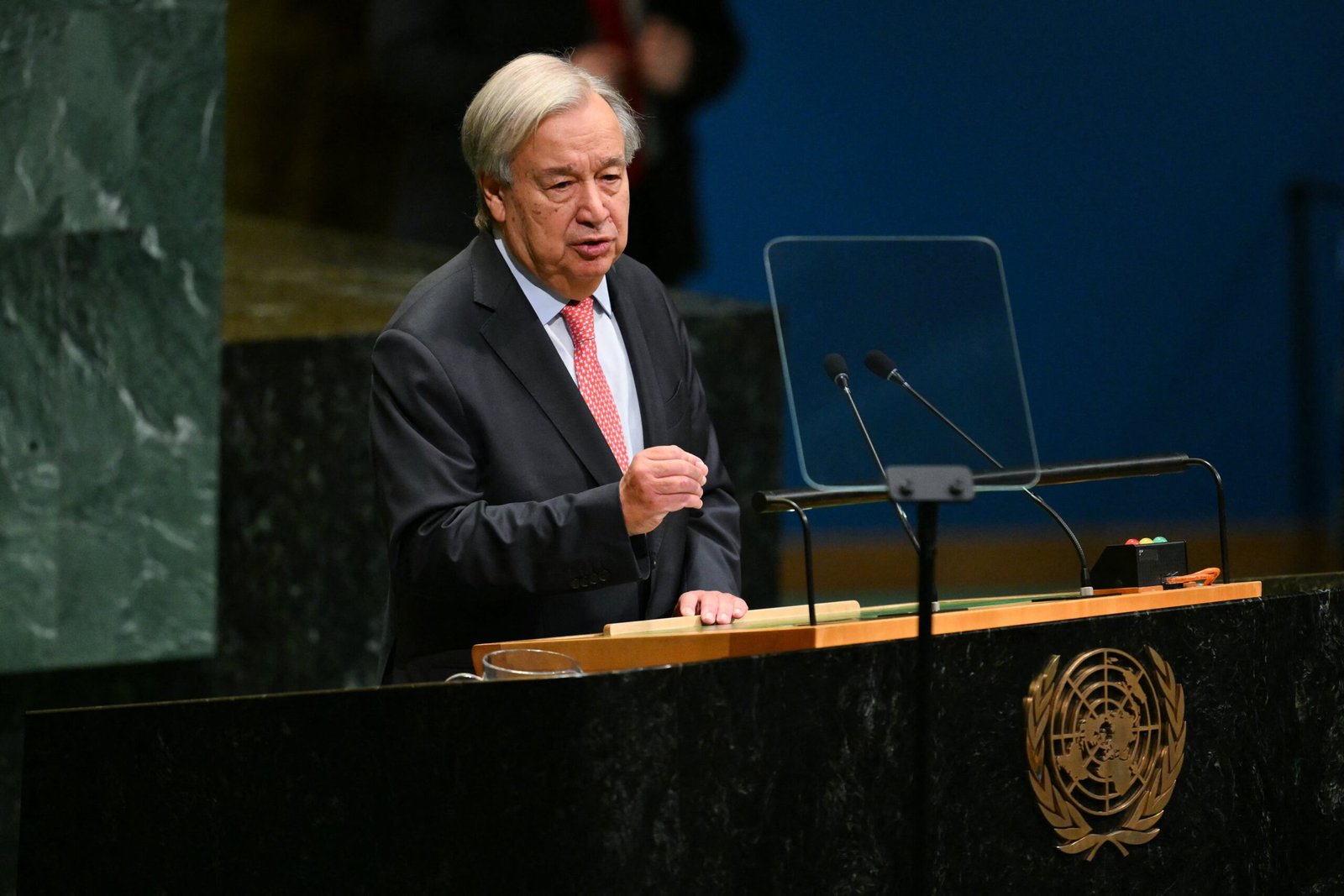
The world is facing an increasingly urgent climate challenge, with the United Nations warning that global greenhouse gas emissions must fall sharply over the next four years to prevent dangerous levels of global warming from becoming even more severe. According to a new assessment by the United Nations Environment Programme (UNEP), emissions need to decline by approximately 18 per cent by 2030 and 45 per cent by 2045 to give the world a reasonable chance of limiting global temperature rises to 1.7C above pre-industrial levels. The warning highlights the growing distance between international climate ambitions and the practical measures governments are taking to reduce pollution.
Climate scientists have repeatedly warned that rising temperatures are increasing the frequency and intensity of extreme weather events, including heatwaves, droughts, wildfires, floods and destructive storms. The latest assessment suggests that although the opportunity to prevent global warming from exceeding the internationally established 1.5C threshold has effectively closed, countries can still influence how far temperatures rise above that level and how long the overshoot lasts. The central challenge is no longer simply to prevent the threshold from being crossed, but to limit the damage and bring temperatures back down as quickly as possible.
The UNEP report examines the growing gap between the emissions reductions required to meet international climate targets and the commitments and policies governments have actually adopted. Its findings suggest that national climate promises remain insufficient, while implementation continues to fall behind the pace demanded by scientific evidence. Governments have announced long-term objectives, but many have yet to introduce the immediate and substantial changes needed to achieve them.

Inger Andersen, UNEP’s executive director, said governments had received warnings for years that the time available to keep global warming within 1.5C was rapidly disappearing. The extraordinary international effort required to achieve that objective had not materialised at the necessary scale. She nevertheless urged countries to retain the target as a guiding ambition, arguing that every effort to reduce the size and duration of the overshoot would remain important.
The distinction matters because the consequences of global warming depend not only on the temperature eventually reached but also on how long the planet remains at elevated levels. A prolonged period of excessive warming could intensify damage to ecosystems, threaten food production, place additional pressure on water supplies and expose vulnerable populations to increasingly dangerous environmental conditions.
The Paris climate agreement established the international framework for limiting global temperature increases, with countries expected to strengthen their commitments over time. However, the latest UNEP assessment indicates that the current trajectory remains far from what is required. Even if governments fulfil their updated climate pledges, global temperatures could rise to approximately 2.6C above pre-industrial levels. Under policies currently in force, projections suggest warming could reach around 2.8C.
Such outcomes would represent a substantial departure from the objectives that governments have repeatedly endorsed. The difference between a rise of 1.7C and one approaching 3C is not merely a matter of statistics. Higher temperatures increase the risks of severe heat exposure, crop failures, coastal flooding and damage to natural systems on which human societies depend.
Scientists are also concerned that sustained warming could push parts of the climate system beyond critical thresholds known as tipping points. These changes could trigger self-reinforcing processes, potentially making certain environmental transformations difficult or impossible to reverse on human timescales. The risks associated with such developments strengthen the case for rapid emissions reductions, even after the world has moved beyond the original 1.5C threshold.
Global greenhouse gas emissions appear to have stabilised in 2025, remaining broadly similar to the previous year’s levels. However, UNEP analysts have cautioned against interpreting this development as evidence that emissions have definitively peaked. International political uncertainty, changing energy demand and continued dependence on fossil fuels could alter the trajectory, while the expansion of renewable energy offers a potentially significant counterweight.
Solar and wind power have expanded rapidly in recent years, demonstrating that cleaner alternatives can supply an increasing share of electricity demand. Yet renewable energy growth alone does not guarantee a sufficiently rapid decline in total emissions. If fossil fuel consumption continues to rise in other sectors or clean energy fails to displace existing high-emission sources, the overall reduction may remain too small to meet international targets.
The United States remains central to this debate because it is the world’s second-largest emitter of greenhouse gases after China. Under President Donald Trump, Washington has withdrawn from the Paris climate agreement and threatened to reverse policies that previously supported reductions in domestic emissions. The direction of US energy and climate policy therefore has consequences well beyond its borders.
Bill Hare, chief executive of the Climate Analytics research organisation, has argued that major fossil fuel producers must confront the scientific evidence rather than allow political considerations to delay action. Countries with substantial influence over global oil, gas and coal production have a particularly important role in determining whether the world can reduce its dependence on high-carbon energy.
The United States and Saudi Arabia are among the major producers whose decisions can influence global energy markets and investment patterns. Continued expansion of fossil fuel production could make the transition to cleaner energy more difficult, particularly if new infrastructure locks economies into decades of additional emissions.
The challenge is not limited to countries that have openly questioned international climate commitments. Governments around the world have also struggled to strengthen their own targets sufficiently. UNEP’s analysis indicates that recent national pledges remain far below the collective ambition needed to bring global warming under control.
At the COP30 climate summit in Brazil in November 2025, governments were expected to present stronger commitments under the Paris agreement. However, the resulting pledges were not sufficiently ambitious to close the emissions gap. The shortfall has raised concerns about whether international negotiations can deliver the practical progress needed to match scientific warnings.
Mohamed Adow, director of the climate thinktank Power Shift Africa, has highlighted the contrast between technological progress and political hesitation. Solar and wind energy are expanding faster than many observers previously anticipated, and the technologies needed to reduce emissions are increasingly available. The difficulty lies in accelerating their deployment while reducing reliance on fossil fuels at the scale and speed required.
For developing countries, the transition presents both opportunities and serious challenges. Many are particularly vulnerable to extreme heat, flooding, drought and changing rainfall patterns, despite having contributed relatively little to historical greenhouse gas emissions. At the same time, expanding electricity access, creating jobs and supporting economic development remain essential priorities.
A successful global transition will therefore require more than targets and declarations. Governments must invest in electricity networks, renewable energy generation, public transport, energy-efficient buildings and industrial technologies that reduce pollution. Financial assistance and access to affordable technology will also be important in helping lower-income countries pursue development without becoming increasingly dependent on carbon-intensive infrastructure.
Another area offering significant opportunities is the reduction of methane emissions. Methane is a powerful greenhouse gas that contributes substantially to near-term global warming. Although it remains in the atmosphere for a shorter period than carbon dioxide, it traps considerably more heat over a 20-year timeframe. UNEP has identified methane reductions as one of the measures that could help slow warming relatively quickly.
Methane is released through activities including oil and gas production, coal mining, agriculture and waste management. Improving the detection and repair of leaks, capturing emissions from waste facilities and adopting more effective agricultural practices could deliver meaningful reductions. Such measures could complement the longer-term transition away from fossil fuels and help limit additional warming in the coming years.
The international climate process also faces institutional uncertainty. Under the Paris agreement, the global stocktake provides a mechanism for assessing collective progress and identifying where additional action is required. The next assessment is scheduled for 2028, making the availability of reliable and up-to-date scientific information particularly important.
However, disagreements among countries over the timetable for the next major assessment by the Intergovernmental Panel on Climate Change have raised concerns about whether its findings will be available in time. Delays could complicate efforts to evaluate progress against the latest scientific evidence and determine what further measures are necessary.
Johan Rockström, director of the Potsdam Institute for Climate Impact Research, has warned that disputes over scientific reporting must not become an excuse for delaying action. Current national commitments could leave annual global greenhouse gas emissions at approximately 50 gigatonnes of carbon dioxide equivalent by 2035, compared with a level below 35 gigatonnes that would be needed to align with a substantially safer climate pathway.
His assessment underlines the scale of the challenge. Closing the gap will require governments to turn existing promises into enforceable policies, change investment priorities and accelerate the replacement of polluting energy sources. Scientific evidence already provides a clear understanding of the problem; the decisive question is whether political leaders will act with sufficient urgency.
The consequences of inaction are likely to be felt unevenly. Communities with limited financial resources, inadequate infrastructure and high exposure to extreme weather often face the greatest difficulties recovering from climate disasters. Rising temperatures can also threaten workers exposed to outdoor heat, damage agricultural livelihoods and increase pressure on public health services.
For ordinary households, climate change is increasingly connected to everyday concerns, including food prices, energy costs, housing security and access to safe water. Severe weather can disrupt transport, destroy crops and damage infrastructure, creating economic losses that extend far beyond the locations directly affected.

The UNEP warning therefore presents governments with a choice between faster action now and significantly greater risks in the future. The loss of the original opportunity to remain within 1.5C does not mean further emissions reductions have become pointless. Every fraction of a degree avoided can reduce the severity of future impacts and improve the prospects of protecting vulnerable populations and natural ecosystems.
The coming years will be decisive in determining whether countries can translate scientific warnings into measurable progress. Reducing emissions by 18 per cent by 2030 will require rapid policy changes, greater investment in clean energy, stronger cooperation between major economies and a credible strategy for reducing fossil fuel dependence.
The world cannot reverse decades of accumulated emissions overnight, but governments still possess the tools to influence the scale of future warming. Whether they use those tools effectively will determine how much additional damage can be avoided and how quickly the global climate can move towards a safer path.
Related News:
 Capitalism ‘Suicidal’, Warns Petro at Climate Summit
 Trump to Deploy “God Squad” Over Gulf Wildlife Protections
 Norway Doubles Down on Oil and Gas for Europe Energy Security
 Doomsday Clock Nears Midnight Amid Global Crises
 Turkmenistan Begins Fixing Major Methane Mega-Leaks
 UN Warns Record El Niño Could Supercharge Global Heat
 Swedish Mining Push Puts Sami Land Rights Under Pressure
 Europe Faces Climate Reckoning After Extreme Summer
 Super El Niño Threatens Hundreds of Thousands of Lives
 Norfolk Broads Housing Levy Faces Environmental Criticism
 Xi urges Trump to avoid US-China military conflict
 Swiss Glaciers Lose Nearly One-Fifth of Ice in Five Years
 Argentina Protesters Resist Milei’s Land Sale Drive
 Drax Datacentre Faces Major Carbon Emissions Concerns
 Norway Fjord Faces Fresh Mine Waste Dumping
 NSW Leader Downplays Impact of Landmark Coal Ruling
 Australia Rejects Russian Fuel as Trump Strikes Deal
 Britain deploys RAF specialists to assist Belgium with drone threats
 Canada Passes Carney’s First Budget in Tight Parliamentary Vote
 India’s Labour Law Overhaul Sparks Fierce Debate
 Mark Carney Walks Diplomatic Tightrope on China Visit
 UK New Car Discounts Near £6,000 as Prices Are Slashed
 Ocean Warming Drives Massive Marine Life Loss, Study Warns
 The Truth Behind Rising Energy Costs and Fossil Fuel Myths
 Apple at 50: Three Products That Changed How We Live
 Trump Slams UK Ties and Threatens To Rewrite Trade Deal
 Southeast Asia Turns to Russia Amid Energy Crisis
 US Calls Australia Media Law “Foreign Extortion”
 Oil Prices Surge Above $120 Amid Iran Blockade Fears
 Trump approval plunges amid Iran war fears
 Trump Threatens UN Budget Cuts as US Pushes ‘Trade Over Aid’ Agenda
 US Awaits Iran Reply on New Ceasefire Proposal
 Hormuz Talks Near Critical Stage
 UK Pushes for New EU Goods Trade Deal
 Trump Faces Backlash Over $2bn Earnings Since Return
 Germany Summons Chinese Envoy Over Russian Troop Training
 Ukraine Creates Long-Range Strike Command
 Three-Quarters of England’s Riverbanks Still Off Limits
 Burnham unveils £65m drought aid for farmers
 Trump Hardens Canada Trade Stance as Talks Stall
 Trump Calls Iran War ‘Small Potatoes’ Despite US Deaths
 UK plans tougher Israel stance with settlement trade ban
 Saudi Arabia Shuts Oil Pipeline After Drone Attack
 Heathrow Expansion Faces New Climate Conditions Over CO₂
 Trump Threatens EU Over Canada Partnership Proposal
 Indonesia Receives First Aircraft Carrier
 Tom Watson Takes Senior Role at Palantir
 Australia Renewables Reach Record 80% Grid Demand
 Tropics May Wait Longest for Net-Zero Climate Benefits
 UK Plans New Centre to Counter Information Warfare
 Iran Rejects Claims of Shift in US Talks
 Trump gives Xi red-carpet welcome as trade truce extends
 Chinese Hybrid Car Surge Raises EU Auto Industry Concerns
 Lula accuses Trump of seeking control over Brazil
 Nepal PM calls deadly flood a global climate warning
 Saudi intercepts Houthi missiles as oil fears grow
 Economic growth and political strain reshape Benin
 Burnham Opens Door to Possible UK Return to EU
 Berlin App Helps Residents Protect City Trees
 South Korea Probes Fuel Shipments to Russia
 Britons Demand Greater Honesty on Climate Crisis
 Houthi Missile Claim Sparks Riyadh Airport Disruption
 UK Water Firms Earn Millions From Industrial Wastewater
 Turkey Rules Out Troops in Saudi Arabia’s Houthi Conflict
 Trump’s Russian Diesel Deal Sparks Ukraine Fury
 Panama Hit by Powerful 7.7-Magnitude Earthquake
 Hanson Attacks Taylor as Australian Conservatives Clash
 UK Must Build Its Own AI to Protect National Security
 Hall and Woodford Win Nobel Economics Prize
 Brazil Court Scandal Threatens Lula as Bolsonaros Rise
 Millions Face Tougher Medicaid Rules From January
 UK Shoppers Urged to Avoid Hake and Coley
 Trump Rallies GOP as Senate Democrats Boost Key Races
 Serbia Leader Linked to Controversial Trump Tower Plan
 UK Could Rejoin EU Through a Switzerland Plus Deal
 Trump Halts New Russia Sanctions Amid Ukraine Rift
 Brexit Debate Returns as UK Voters Reconsider EU Exit
 Milan Luxury Stores Shut as Italy Plans Troop Deployment
 Zelenskyy Says US Failed to Warn Kyiv of Russian Strikes
 Japan’s Takaichi Faces a Crucial Second Year in Power