Published: 23 September 2026. The English Chronicle Desk. The English Chronicle Online.
More than 450,000 people could die from additional heat linked to the exceptionally powerful El Niño weather phenomenon during the next six months, according to a new estimate by climate scientists, highlighting the growing health risks created when a natural climate cycle develops on top of an already warmer planet. The projected deaths would come between September 2026 and February 2027, while researchers warn that elevated heat-related mortality could continue into the middle of next year.
The estimate, produced by researchers associated with the Climate Impact Lab and academic institutions in the United States, puts the potential number of additional heat deaths at about 451,000. The calculation focuses specifically on deaths associated with additional heat and does not attempt to capture the wider human toll that could result from drought, flooding, wildfires, crop failures and other consequences of a severe El Niño.
Researchers say the projection is intended not simply as a warning about the scale of the threat but also as a way of identifying where preparations could have the greatest effect. By examining the relationship between temperature and mortality across thousands of regions, scientists have attempted to determine which populations are most exposed to additional heat during the current event.
The countries expected to face some of the largest numbers of additional heat deaths include Nigeria, Indonesia, Sudan, India and Brazil. The Sahel region of Africa and parts of south-east Asia are also expected to experience substantial impacts. The United States is among the countries included in the assessment, with thousands of additional heat-related deaths projected there during the six-month period.

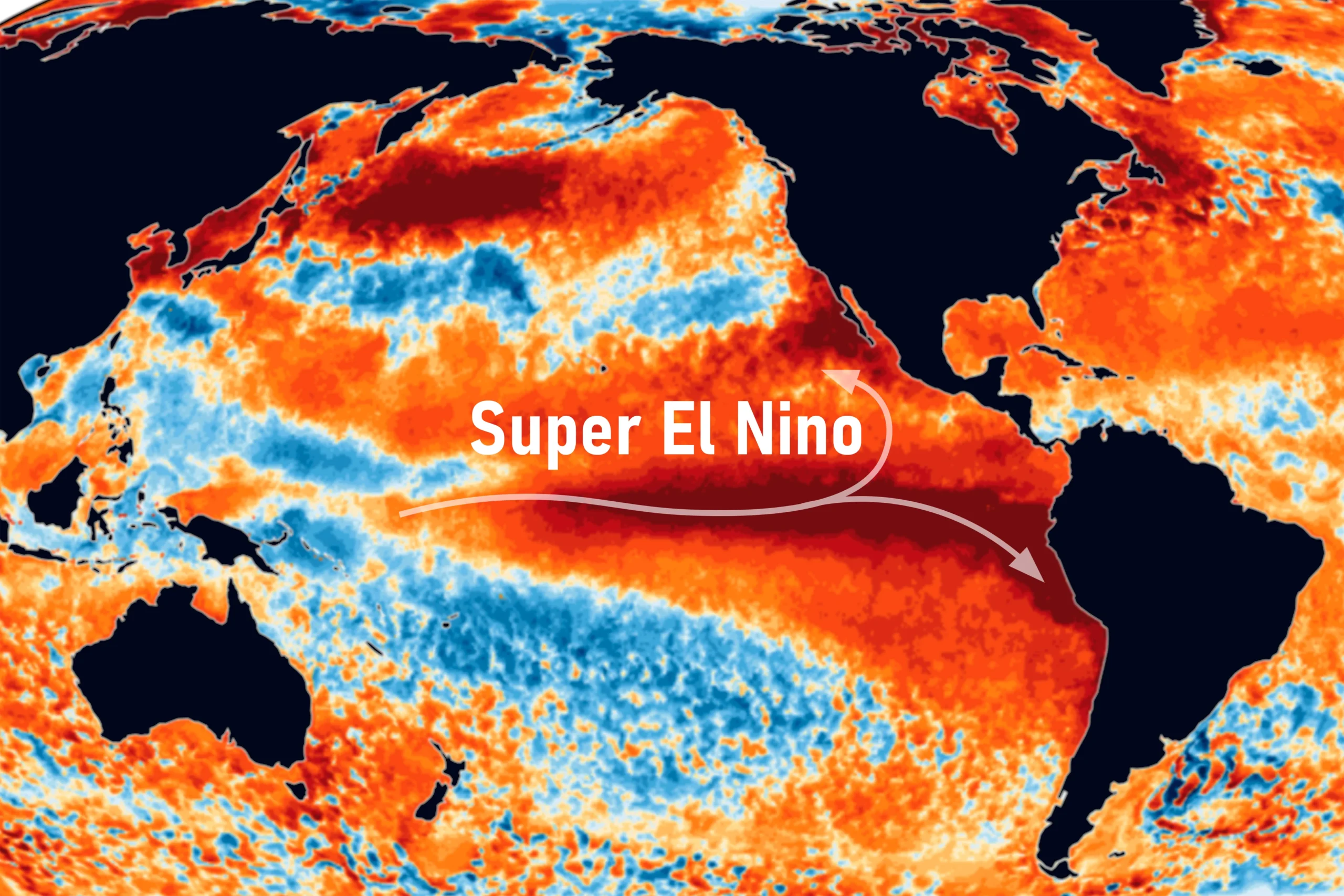
The scale of the estimate reflects the unusual strength of the El Niño now developing in the tropical Pacific. El Niño is a naturally occurring climate pattern associated with unusually warm surface waters in parts of the central and eastern tropical Pacific Ocean. Changes in the Pacific can influence atmospheric circulation and alter rainfall, temperature and storm patterns across large parts of the world.
The current event has become particularly concerning because it is developing against the background of long-term global warming. Scientists distinguish between the natural El Niño cycle and the human-driven increase in global temperatures, but the combination can produce conditions that are more dangerous for communities already exposed to extreme heat.
Recent observations indicate that the current El Niño has already reached exceptional levels before its anticipated peak. Reports on the developing event indicate that Pacific sea-surface temperatures have reached record territory for an El Niño episode, while forecasts have raised concerns that the phenomenon could become one of the strongest observed.
For people living in countries already experiencing high temperatures, even a relatively short period of additional heat can have serious consequences. Heat can increase stress on the cardiovascular and respiratory systems, worsen existing illnesses and place particular pressure on older people, young children and those working outdoors. People without access to reliable cooling, clean water or adequate healthcare can face substantially greater risks.
The researchers behind the mortality estimate say governments can still reduce the human toll by preparing before the most dangerous conditions arrive. Better heat forecasts can give communities more time to respond, while cooling centres can provide temporary refuge for people living in overheated homes. Health authorities can increase staffing during periods of extreme heat, and workplace protections can reduce the exposure of outdoor workers.
The importance of preparation extends beyond public health. The World Food Programme has warned that the current El Niño could push at least 49 million additional people into acute food insecurity by the end of 2027 across 45 countries already vulnerable to hunger. Its analysis suggests the number of people facing acute food insecurity in those countries could rise from about 225 million to 274 million.
The food-security consequences are linked to the highly uneven nature of El Niño. Some areas can experience prolonged drought, while others face unusually heavy rainfall and flooding. Both extremes can damage agricultural production. Dry conditions can destroy crops and reduce water availability, while excessive rain can wash away fields, damage infrastructure and prevent farmers from planting or harvesting at the normal time.
The risks are particularly significant in regions where households depend heavily on small-scale agriculture. A failed harvest can affect not only food supplies but also household income, livestock, local employment and the ability of families to afford essential goods. In countries already dealing with conflict, displacement or economic instability, an additional climate shock can make existing vulnerabilities considerably worse.
The World Food Programme has already activated anticipatory measures in several countries, including South Sudan, Chad, Mauritania, Uganda, Guatemala and El Salvador. The organisation says more than US$14 million in early support has been provided since May to help vulnerable communities prepare for expected climate shocks.
International agencies are increasingly focusing on action before disasters occur rather than waiting until humanitarian emergencies have reached their peak. FAO and the World Food Programme launched a joint appeal earlier this year seeking funding to protect millions of people in high-risk countries from droughts, floods and other consequences associated with the strengthening El Niño.
The potential human toll also demonstrates why heat mortality can be difficult to observe immediately. Unlike deaths caused by a major storm or earthquake, heat-related mortality is often spread across weeks and months. Many deaths occur because extreme temperatures worsen underlying medical conditions rather than because heat is recorded as the sole direct cause.
That makes the projected figure particularly significant. Researchers say their approach uses historical relationships between temperature and additional mortality across 24,378 regions, comparing expected temperatures with a baseline derived from average monthly heat deaths between 1996 and 2025. The current forecasts are then used to estimate the additional mortality associated with El Niño-related warming.
The scientists also stress that the 451,000 figure is a projection rather than a confirmed death toll. It covers the period for which current temperature forecasts are available, meaning the eventual impact could differ from the estimate. It also focuses on additional heat deaths and does not include the full number of deaths that could potentially arise from flooding, drought, fires, hunger or other secondary consequences.
Nevertheless, the projection illustrates a broader concern about the changing baseline on which natural climate events occur. A strong El Niño would have produced significant disruption in previous decades, but the same weather pattern now develops in a world where average temperatures are substantially higher than they were in the past.
Climate researchers have described the current event as a glimpse of conditions that could become increasingly familiar as global temperatures rise. The concern is therefore not limited to one unusually severe season. If extreme temperatures that are currently regarded as exceptional become more frequent, governments and health systems could face increasingly persistent demands for emergency responses.
The challenge is particularly acute for poorer countries, where access to air conditioning, reliable electricity, healthcare and climate-resilient infrastructure is often limited. At the same time, populations in tropical regions can face extreme heat while also confronting drought, water shortages and rising food prices.
The World Food Programme has emphasised that early action can protect both lives and livelihoods. Its preparations include cash assistance, agricultural support, water-management measures, early-warning systems and other interventions designed to help communities respond before climate shocks become full-scale humanitarian emergencies.
The developing El Niño is therefore being watched not only as a major meteorological event but also as a test of how effectively governments and international organisations can translate climate forecasts into practical protection. The projected 451,000 additional heat deaths represent an estimate of what could happen if current conditions unfold as expected, rather than an unavoidable outcome.

For communities already living under severe heat and economic pressure, the coming months could be particularly difficult. But the researchers argue that the mortality associated with extreme temperatures is not entirely predetermined. Timely warnings, stronger medical preparedness, access to cooling and water, safer working conditions and targeted assistance can all reduce exposure.
The immediate concern is the next six months, but the larger issue extends well beyond February 2027. As El Niño eventually weakens, the underlying warming of the planet will remain. The experience of the current event could therefore provide governments with valuable information about where health systems, food networks and emergency services are most vulnerable before similar climate extremes occur again.
The projected deaths serve as a stark reminder that climate hazards are ultimately measured not only in temperature records or damaged crops but also in their consequences for ordinary people. How effectively authorities prepare for the months ahead could determine how much of the forecast human cost becomes reality.
Related News:
 UN Warns Record El Niño Could Supercharge Global Heat
 Wildfires rage across Europe as hundreds arrested in France
 Nepal seeks $20m climate compensation after deadly floods
 Europe Faces Climate Reckoning After Extreme Summer
 Ocean Warming Drives Massive Marine Life Loss, Study Warns
 Musk’s xAI Permit Sparks Fury Over Power Plant Expansion
 ‘Drinking from a Fetid Pond’: Superbug Genes in Lough Neagh
 Evacuations Ordered as California Wildfires Spread Fast
 Queensland Braces for Potential Second Severe Cyclone Hit
 Chornobyl Still at Risk 40 Years After Disaster
 Capitalism ‘Suicidal’, Warns Petro at Climate Summit
 Record May Heat to Cold Front in Eastern Australia
 Doomsday Clock Nears Midnight Amid Global Crises
 Ebola outbreak in DRC overwhelms health system as cases surge
 Pope Meets Families in Italy Toxic Waste Zone
 UN Issues Urgent Warning: Imminent Return of El Niño
 Deadly H5 Bird Flu Reaches Australia’s East Coast
 Sydney Records Hottest June Since 1859 as Expert Warns New High a ‘Signature’ of Global Warming
 UK Heatwaves Ignite Crisis of Sleep and Public Safety
 Europe Scorched as Record Heatwaves Grip the Continent
 Battery Fires Cost UK Recycling Industry £1bn
 Nepal Rescuers Race to Save Hundreds Trapped Underground
 Turkmenistan Begins Fixing Major Methane Mega-Leaks
 Japan Braces for Dujuan as Storm Threat Grows
 Typhoon Dujuan Leaves Four Dead in Japan
 Tropics May Wait Longest for Net-Zero Climate Benefits
 Patients to Test Health at Home to Ease NHS Winter Pressure
 Britain deploys RAF specialists to assist Belgium with drone threats
 Hitler’s DNA Confirms He Truly Had Only One Testicle
 Working-Class Men with Prostate Cancer Left Behind by NHS
 New AI tool could cut wasted efforts in organ transplants
 From Baby Teeth to Bioengineering: The Future of Self-Healing Teeth
 Healthy Habits in Your 30s That Boost Life in Your 70s
 Coffins Now Too Large to Cremate Amid Rising Obesity Crisis
 ‘Extinct’ Antelope Returns to Sahara, Bringing Hope
 Google Removes Some AI Health Summaries Over Safety Concerns
 Polycrisis Anxiety Leaves Many Feeling Trapped in the Present
 Half the World’s Largest Cities Face Rising Water Stress
 AI Transforms Lung Cancer Detection in NHS Trial
 Autistic Girls Often Missed in Childhood Diagnoses, Study Finds
 Most Statin Side-Effects Are Not Caused by Drugs, Study Confirms
 Chikungunya Spread in Europe Climbs as Climate Warms
 Greenpeace $345m Ruling Sparks Appeal Battle
 Zorevunersen Breakthrough for Dravet Syndrome
 Cancer Death Rate in Britain Falls by Nearly a Third
 Taking Multivitamins Daily Could Slightly Slow Ageing, Study Finds
 Canada Plasma Deaths Raise Safety Concerns After Two Donors Die
 The Kill Line: A Shifting Vision of the American Dream
 The Truth Behind Rising Energy Costs and Fossil Fuel Myths
 Extreme Weather: Europe Shivers as Cyclone Narelle Hits
 Trump to Deploy “God Squad” Over Gulf Wildlife Protections
 Artemis II: Humanity Returns to the Moon After Decades
 Artemis II Returns After Historic Moon Flyby
 Gene Therapy Wins Major Prize for Restoring Vision
 Older Than Dinosaurs: Secrets of Mayfly Dance Revealed
 Coalition pushes fossil fuel phaseout plan
 WHO approves first malaria drug for babies
 Germany to Return Rare Irritator Dinosaur Skull to Brazil
 Hantavirus Cruise: Britons Face 45-Day Isolation Order
 Crisis in the Canary Islands as Cruise Ship Evacuated
 Cruisers Face Perth Quarantine After Hantavirus Outbreak
 UK Faces Mass Water Shortages by 2055, Lords Warn
 Maldives Cave Diving Tragedy Raises Safety Alarm
 Man killed in shark attack on Great Barrier Reef
 Hope for mountain bongos returns to Kenya
 Germany Summons Chinese Envoy Over Russian Troop Training
 UK Schools Struggle as Classrooms Top 40C
 London Tube Heat Reaches Dangerous Levels
 Olympus Awaits Unesco Heritage Recognition
 Wildfires Force Mass Evacuations in France And Spain
 Powerful 7.7-Magnitude Earthquake Hits Eastern Indonesia
 Weight-Loss Drugs Offer Food Savings Mainly to High Earners
 Gen Z turns to BirdTok for a gentler digital escape
 Australia Races to Find Tourists Missing in Nepal
 Swedish Mining Push Puts Sami Land Rights Under Pressure
 Typhoon Saudel Triggers Mass Evacuations in China
 Heathrow Expansion Faces New Climate Conditions Over CO₂
 British Columbia Sues OpenAI Over School Shooting
 Australia Renewables Reach Record 80% Grid Demand