Published: 03 September 2026.The English Chronicle Desk. The English Chronicle Online.
The El Niño climate phenomenon is rapidly intensifying and could become one of the most powerful events of its kind in at least 1,000 years, according to the latest warnings from the United Nations and international climate experts. Scientists say the unusually strong event could push global temperatures to unprecedented levels and make 2027 the hottest year ever recorded.
The latest forecasts indicate that El Niño is already firmly established across the Pacific Ocean and is expected to strengthen considerably during the coming months. Climate prediction models suggest that ocean temperatures in the central and eastern tropical Pacific could rise to around 4C above the long-term average by November. If that forecast is realised, the event would be far beyond the threshold normally used to classify an El Niño and could rival or exceed the most powerful episodes recorded in the modern climate record.
The World Meteorological Organization has described the developing phenomenon as a major global climate threat, warning that its effects are likely to include extreme heat, severe drought, destructive flooding and disruptions to food production. The organisation has also begun an unprecedented international mobilisation involving national meteorological and hydrological services to improve forecasting and help governments prepare for worsening conditions.
UN Secretary-General António Guterres warned that the planet is entering increasingly dangerous territory as natural climate cycles interact with human-driven global warming. He said El Niño was effectively being amplified before the world’s eyes and stressed that the consequences could be severe for communities already struggling with climate-related disasters.

The developing event is particularly concerning because global temperatures are already exceptionally high as a result of greenhouse gas emissions from fossil fuels. El Niño naturally transfers large amounts of heat from the Pacific Ocean into the atmosphere, temporarily raising global temperatures. When that natural process occurs against a background of long-term human-induced warming, the combined effect can produce extraordinary heat.
Scientists therefore expect the developing El Niño to add another significant burst of warming to an already overheated climate system. Forecasts indicate that 2027 could set a new global temperature record, potentially exceeding the previous high by a substantial margin.
The latest ocean observations underline the unusual strength of the event. Temperatures in the central Pacific region associated with El Niño were recently measured at approximately 2.6C above the 30-year average. That figure is already approaching the highest anomaly recorded during the satellite observation era. During the powerful 2015-16 El Niño, the corresponding anomaly reached about 3.1C.
However, the current event is still developing and is not expected to reach its peak until later in 2026. Climate models suggest the ocean temperature anomaly could climb to roughly 4C in November. Researchers examining evidence from coral reefs, tree rings and historical records have suggested that an El Niño of such magnitude may not have occurred during the past millennium.
An El Niño is triggered by changes in winds and ocean circulation across the tropical Pacific. Normally, trade winds push warm surface water westward, allowing cooler water to rise in the eastern Pacific. During El Niño, those winds weaken or change direction, allowing warm water to spread eastward. The accumulated ocean heat is then released into the atmosphere, influencing weather patterns across much of the world.
The effects can extend far beyond the Pacific. South America can experience unusually heavy rainfall and flooding, while parts of Australia and Indonesia may face heightened drought and wildfire risks. India and other parts of South Asia can experience disruptions to monsoon rainfall, creating serious consequences for agriculture, water supplies and food prices.
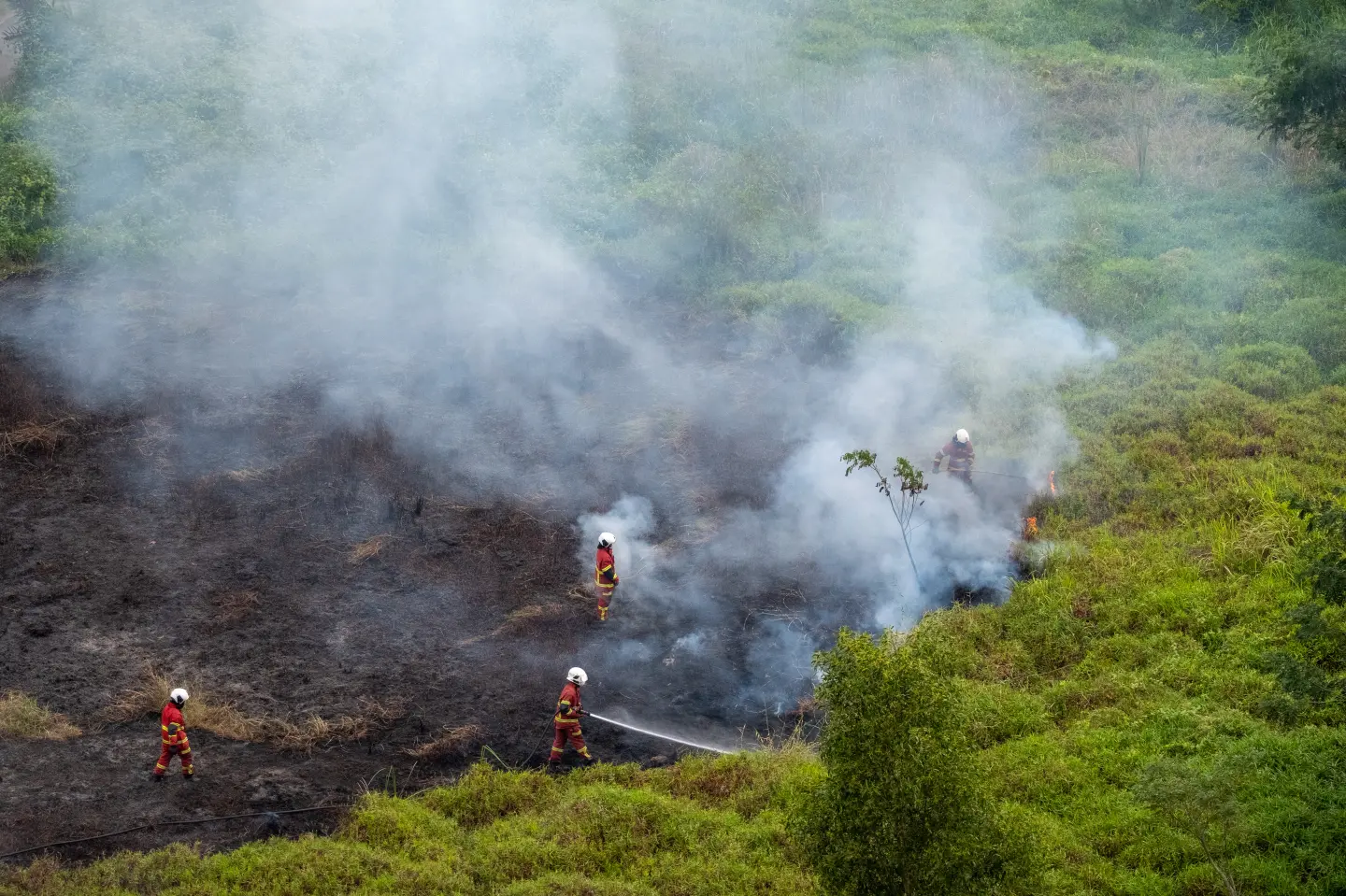
Early signs of the current event are already being observed in several regions. Researchers have linked worsening wildfire conditions in Indonesia and weakening monsoon rainfall in parts of India to the changing climate pattern. The coming months could bring increasingly disruptive weather as the El Niño strengthens.
The humanitarian consequences could be particularly serious. The World Food Programme has warned that the phenomenon could contribute to acute hunger for around 50 million additional people if severe droughts, floods and crop losses occur in vulnerable regions. Poor communities are expected to face the greatest risks because they often have fewer resources to recover from extreme weather and food-price shocks.
Agricultural producers in several countries are already facing difficult conditions. Drought, heatwaves and abnormal rainfall have damaged crops and increased pressure on food supplies. In the United Kingdom, farmers have experienced severe weather conditions during 2026, with widespread drought and repeated heatwaves contributing to fears of an exceptionally poor harvest.
Climate experts say the developing El Niño demonstrates how natural climate variability and human-induced warming can interact to produce increasingly severe consequences. Recent research suggests that global heating may itself be influencing the behaviour and intensity of El Niño events, potentially making their impacts more damaging in an already warmer world.
The concern extends beyond temperature records. Extreme heat can increase deaths and illnesses, place additional pressure on hospitals and electricity systems, and threaten outdoor workers and vulnerable populations. Drought can reduce agricultural production and water availability, while heavy rainfall can overwhelm drainage systems and increase the risk of landslides and flooding.
Economies could also suffer as supply chains are disrupted and food prices rise. Energy demand may increase during extreme heat as households and businesses rely more heavily on cooling systems. At the same time, floods, wildfires and storms can damage infrastructure, homes, transport networks and businesses.
Celeste Saulo, Secretary-General of the World Meteorological Organization, warned that the developing El Niño could deliver a major shock to communities and economies around the world. She said that droughts and floods were already causing disruption and devastation and that the impacts were expected to intensify as the phenomenon strengthened.
The WMO has emphasised that accurate early warnings will be essential during the coming months. Governments and emergency agencies are being encouraged to use climate forecasts to prepare for extreme weather, protect vulnerable populations and strengthen disaster-response systems.
Scientists stress that El Niño itself is a natural phenomenon and is not caused by climate change. However, the background temperature of the planet has changed dramatically because of human activity. As a result, the same natural climate event can now occur on top of a much warmer baseline, increasing the likelihood of record-breaking temperatures and amplifying the damage caused by extreme weather.
The coming months will therefore be closely watched by climate scientists and governments worldwide. If forecasts continue to indicate that the event will reach extraordinary strength, countries will face growing pressure to prepare for heatwaves, floods, droughts, wildfires and food insecurity.

The developing El Niño also highlights the broader challenge posed by global warming. Scientists have repeatedly warned that reducing greenhouse gas emissions remains essential to limiting long-term climate risks. At the same time, governments must strengthen infrastructure, public-health systems, food security and disaster preparedness to cope with climate impacts that are already occurring.
For now, the strongest concern is that an exceptionally powerful El Niño could combine with record levels of global warming to create a new benchmark for extreme temperatures. With the event expected to intensify through late 2026 and its effects potentially continuing well into 2027, scientists and international agencies are urging governments to act quickly.
The message from the international climate community is increasingly clear: the world is entering a period of heightened climate risk, and the developing El Niño could significantly intensify conditions that are already placing people, ecosystems and economies under unprecedented pressure.
Related News:
 Wildfires rage across Europe as hundreds arrested in France
 Ocean Warming Drives Massive Marine Life Loss, Study Warns
 Musk’s xAI Permit Sparks Fury Over Power Plant Expansion
 Evacuations Ordered as California Wildfires Spread Fast
 Queensland Braces for Potential Second Severe Cyclone Hit
 Chornobyl Still at Risk 40 Years After Disaster
 Capitalism ‘Suicidal’, Warns Petro at Climate Summit
 Record May Heat to Cold Front in Eastern Australia
 Doomsday Clock Nears Midnight Amid Global Crises
 UN Issues Urgent Warning: Imminent Return of El Niño
 Sydney Records Hottest June Since 1859 as Expert Warns New High a ‘Signature’ of Global Warming
 Battery Fires Cost UK Recycling Industry £1bn
 Nepal Rescuers Race to Save Hundreds Trapped Underground
 Turkmenistan Begins Fixing Major Methane Mega-Leaks
 Britain deploys RAF specialists to assist Belgium with drone threats
 Night after night, Belgium is on high alert.
 Hitler’s DNA Confirms He Truly Had Only One Testicle
 Poll Reveals China Leads World in Trusting AI Technology
 ‘Extinct’ Antelope Returns to Sahara, Bringing Hope
 US Clears Nvidia AI Chip Sales to China in Policy Shift
 Japan Prepares for Kashiwazaki Restart After Fukushima Legacy
 Half the World’s Largest Cities Face Rising Water Stress
 The Sound of Mayhem’: Terror and Loss at Mount Maunganui
 Reindeer Deaths Rise as Finnish Herders Blame Border Wolves
 UK New Car Discounts Near £6,000 as Prices Are Slashed
 Storm Leonardo Triggers Election Delay Calls in Iberia
 Tropical Flowers Shift Blooming Due to Climate Crisis
 Greenpeace $345m Ruling Sparks Appeal Battle
 Anthropic AI Refuses Pentagon’s Safety Demand
 Social Media Trial: Woman Says Addiction Began at Six
 The Kill Line: A Shifting Vision of the American Dream
 The Truth Behind Rising Energy Costs and Fossil Fuel Myths
 ‘Drinking from a Fetid Pond’: Superbug Genes in Lough Neagh
 Iran Social Media Strategy Shifts to Information War
 ABC Staff Strike Over Pay and AI Concerns
 Cluster Strikes Test Israel’s Missile Defences
 Extreme Weather: Europe Shivers as Cyclone Narelle Hits
 Trump to Deploy “God Squad” Over Gulf Wildlife Protections
 Artemis II: Humanity Returns to the Moon After Decades
 UK Records Earliest Spring as Nature Awakens Fast
 Apple at 50: Three Products That Changed How We Live
 Moldova River Crisis Exposes War’s Hidden Cost
 Heavier SUVs Accelerate Britain’s Pothole Crisis
 Artemis II Returns After Historic Moon Flyby
 Canadian astronaut French words ease language row
 Escobar’s Hippos May Be Moved to India Zoo
 Older Than Dinosaurs: Secrets of Mayfly Dance Revealed
 Coalition pushes fossil fuel phaseout plan
 Ukraine strikes Tuapse as oil disaster worsens
 Germany to Return Rare Irritator Dinosaur Skull to Brazil
 Canadian Fiddler Sues Google Over AI Defamation Claim
 Norway Doubles Down on Oil and Gas for Europe Energy Security
 UN Faces Crucial Vote on Landmark ICJ Climate Ruling
 UK Faces Mass Water Shortages by 2055, Lords Warn
 China mine blast death toll rises to 90
 Pope Meets Families in Italy Toxic Waste Zone
 UK rejects EV charging VAT cut amid Treasury clash
 Man killed in shark attack on Great Barrier Reef
 Hope for mountain bongos returns to Kenya
 Cambridge Recreates Historic 336-Year-Old Garden
 Green Lawsuits Surge as AI Expansion Strains Planet
 Deadly H5 Bird Flu Reaches Australia’s East Coast
 Germany Summons Chinese Envoy Over Russian Troop Training
 Lanarkshire AI Hub Fails Energy Promises
 UK Heatwaves Ignite Crisis of Sleep and Public Safety
 China Storms Claim Fifteen Lives in Tragic Surge
 UK Seas Face Extreme Heatwave as Global Temperatures Surge
 Concerns Rise Over New Zealand’s AI Datacentre Plans
 Venezuela Quake Death Toll Surpasses 4,000
 Olympus Awaits Unesco Heritage Recognition
 Wildfires Force Mass Evacuations in France And Spain
 Three-Quarters of England’s Riverbanks Still Off Limits
 Powerful 7.7-Magnitude Earthquake Hits Eastern Indonesia
 London’s 2026 ‘Great Stink’ Raises Sewer Concerns
 Gen Z turns to BirdTok for a gentler digital escape
 Deadly TikTok Driving Trend Alarms Ireland
 Heavy Casualties Feared as Flash Flood Sweeps Nepal-Tibet Border
 Australia Races to Find Tourists Missing in Nepal
 Nepal Flood Death Toll Tops 300 as Second Flood Feared
 Nepal-Tibet Flood Death Toll Rises as 2,478 Remain Missing