
Published: 08 July 2026. The English Chronicle Desk. The English Chronicle Online.
The United Kingdom finds itself currently grappling with a severe marine heatwave. Official data from the Met Office confirms this alarming environmental trend today. Global ocean temperatures have now reached record levels across the entire planet. Scientists are expressing profound concern regarding the impact on marine life. Many experts warn that these conditions could trigger major mass mortality events. Marine species face significant threats as their natural habitats become increasingly hostile. These elevated temperatures developed rapidly following a massive atmospheric heat dome recently. Europe suffered immensely during that heatwave, which climate experts deemed statistically impossible. Human-induced climate change remains the primary driver behind these extreme weather patterns. The current situation marks the third heatwave event of this long summer.  Temperatures across the United Kingdom are expected to exceed thirty degrees Celsius soon. This oppressive heat could persist for up to ten consecutive days ahead. Dr. Ségolène Berthou specializes in air-sea interaction studies at the Met Office. She explains that specific atmospheric conditions actively drive this dangerous marine heatwave. The ocean surface simply lacked sufficient time to cool between these major events. Oceans play a critical role by absorbing excess energy from the atmosphere today. They currently capture more than ninety percent of heat within Earth’s system. This accumulation of energy primarily results from burning massive amounts of fossil fuels. Dr. Berthou confirms this represents the most intense marine heatwave seen this year. Surface temperatures currently average two degrees Celsius warmer than typical seasonal historical norms. Certain coastal locations report severe conditions with waters four degrees warmer than expected. There is unfortunately no immediate sign of an end to this warming trend. The Copernicus Climate Change Service continues to monitor these worrying maritime data points. They have confirmed that global sea surface temperatures have surpassed all previous records. These figures eclipse the benchmarks previously established during the years twenty twenty-three. Significant shifts in oceanic temperature were anticipated following new El Niño conditions globally. Scientists currently forecast that this climate phenomenon will be the strongest in decades. The United Nations secretary general, António Guterres, issued a very urgent warning. He insists the world must view El Niño as a dire climate signal. Global leaders must treat the arrival of these conditions with extreme systemic seriousness. He argues that the only effective response involves immediate and radical climate action. We must end our collective addiction to fossil fuels to survive this crisis. Accelerated shifts toward renewable energy sources are required to protect our vulnerable planet. Delivering effective early warning systems for all citizens remains a top global priority. Prof John Pinnegar serves as a principal scientist for environmental aquaculture research projects. He warns that these extreme heatwave conditions threaten delicate marine life across Britain. Some species face the risk of mass mortality events if temperatures remain high. The distribution of commercially important fish stocks will likely shift in coming months. Prolonged periods of elevated sea water temperatures also create new, unpredictable ecological outcomes. These warm waters often encourage non-native species to visit coastal United Kingdom waters. Such migrations establish new populations, potentially disrupting the stability of established local ecosystems. This ecological disruption could permanently change the balance of our coastal marine biology. We observed evidence of this shift quite clearly during the previous calendar year.
 Record numbers of octopuses were discovered off the south-west coast of England recently. This influx has successfully transformed the regional fishing industry and the local ecosystem. A record one hundred tonnes of octopus were sold at Brixham market recently. This single day sale highlights the rapid shift in local marine populations today. The ocean is changing faster than many researchers had previously predicted or feared. Protecting our seas requires a concerted global effort to reduce greenhouse gas emissions. Without significant policy changes, these heatwaves will become a regular feature of summer. We must address the root causes of climate change with speed and precision. The health of our oceans is intrinsically linked to our own human future. The United Kingdom stands at the forefront of this changing marine landscape today. Observers and citizens must stay informed as climate data continues to emerge rapidly. Every degree of warming poses a new threat to our precious blue planet. Nature is sending us a clear and unmistakable signal through these warming oceans. We must listen carefully to the warnings provided by our leading climate scientists. The path forward demands both courage and commitment to sustainable living for all.
Related News:
 Scotland’s Climate Plans Face Scrutiny Over ‘Science Fiction’ Targets
 UK Records Earliest Spring as Nature Awakens Fast
 UK Faces Mass Water Shortages by 2055, Lords Warn
 Three-Quarters of England’s Riverbanks Still Off Limits
 Norfolk Coastal Graves at Risk as Erosion Deepens Family Anguish
 Winter plant bloom signals climate breakdown in UK
 Dog Food Emissions: 1% of UK Greenhouse Gas Revealed
 Storm Goretti leaves Cornwall homes without power
 Kent Residents Continue Facing Water Supply Disruptions
 Water firms may avoid fines under UK water reform plan
 No Gas Boiler Ban as UK Warm Homes Plan Backs Heat Pumps
 Judi Dench Champions Fight to Save London’s Green Spaces
 UK joins North Sea wind grid pact with nine European nations
 Devon hosts first high-density hydro power system
 Storm Chandra floods Somerset, triggers major incident declaration
 Storm Chandra flooding leaves England on high alert
 UK Pfas Action Plan Faces Criticism From Environmentalists
 Wigan Dump Crisis Sparks Health and Safety Alarm
 Fish disco plan could save 90% of fish at Hinkley C
 Aberdeen Chosen for GB Energy HQ at Marischal Square
 Flood risk homes surge across England builds
 Deer Shooting England: New Plan to Protect Woods
 Illegal Waste Dumping: New Drone Unit Launched
 Group Expands Legal Claim Over South West Water Pollution
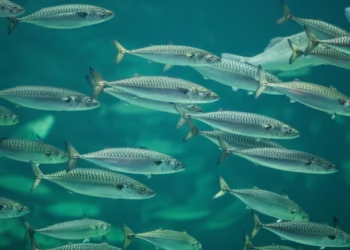 Ocean Warming Drives Massive Marine Life Loss, Study Warns
 Tropical Flowers Shift Blooming Due to Climate Crisis
 Wood burner legal threats spark council row
 South East Water Fined £22.5m for Repeated Supply Failures
 Yorkshire Water Funding Sparks Debate Amid Fines and Pay Row
 Net Zero Cheaper Than One Fossil Fuel Crisis, UK Told
 Welsh Water Faces £44.7m Enforcement Over Sewage Breaches
 London Considers New SUV Charges to Improve Road Safety
 New £10bn rescue plan offered for Thames Water
 UK Energy Reform Could Cut Bills by £200
 MPs Slam Agency Over Failing Fight Against Waste Dumping
 RNLI Beach Rescues Surge as Coastal Popularity Hits New High
 Evacuations Ordered as California Wildfires Spread Fast
 North Sea Drilling to Cut UK Imports Only Slightly
 Queensland Braces for Potential Second Severe Cyclone Hit
 RSPB Urges Summer Bird Feeder Removal to Curb Disease
 Heavier SUVs Accelerate Britain’s Pothole Crisis
 Britain Facing Sharp Decline in Rare Butterfly Species
 Crackdown Backfires on UK Climate Protesters
 Capitalism ‘Suicidal’, Warns Petro at Climate Summit
 Record May Heat to Cold Front in Eastern Australia
 Tractor Breakdown Tests Lincolnshire Farmers
 Britons Build Emergency Supplies Amid Rising Fears
 Toxic ‘Forever Chemicals’ Threaten Southern English Coast
 Toxic Flea Treatments Devastating UK Rivers and Wildlife
 Sycamore Gap Artwork Chosen After Public Vote
 UK rejects EV charging VAT cut amid Treasury clash
 Essex valley emerges as rising English wine hub
 Hope for mountain bongos returns to Kenya
 Saving Our Lost Rainforests: The Battle for Dartmoor
 Outrage in Surrey as Vital Nesting Colony of Endangered Swifts is Entirely Demolished
 The Hidden Cost of Our Oceans
 Whitehall Steps In: The Battle Over Thames Water Deepens
 UK Heatwaves Ignite Crisis of Sleep and Public Safety
 Europe Scorched as Record Heatwaves Grip the Continent
 UK Power Grid Strained by Summer Heatwave
 UK Pets Face Heatstroke Risks Even While Resting Indoors
 New Debt Limits Proposed for England’s Water Sector
 UK Schools Struggle as Classrooms Top 40C
 London Tube Heat Reaches Dangerous Levels
 South East Water Faces £30.5m Penalty for Supply Failures
 London’s 2026 ‘Great Stink’ Raises Sewer Concerns
 Wildfires rage across Europe as hundreds arrested in France
 Burnham unveils £65m drought aid for farmers
 Fatal Bolton Taxi Crash Claims Three Teens and Driver
 ScottishPower Tops List of Worst UK Energy Suppliers
 Crowborough Camp Welcomes First Asylum Seekers
 BBC Funding Crisis: Tim Davie Warns of Jeopardy Ahead
 Artificial intelligence will cost jobs, admits Liz Kendall
 Older Women Vanish from BBC Screens, Review Confirms Bias
 Streeting moves on doctor pay to end strike dispute
 Stirchley Community Housing Scheme Faces Crisis
 Watchdog Warns Ministers to Pause Impending HS2 Reset
 EU Slashes Steel Quotas But Grants UK Favourable Rates
 Welfare System Faces Radical Overhaul After Timms Review
 Ann Widdecombe, Formidable Political Figure, Dies at 78