Published: July 8, 2026 | The English Chronicle Desk | The English Chronicle Online
Water companies and environmental authorities are urging households across the United Kingdom to use water responsibly as soaring temperatures and prolonged dry weather continue to increase demand, placing additional pressure on reservoirs, rivers and the country’s water supply network.
The appeal comes as much of Britain experiences an extended period of unusually hot weather, with forecasters predicting temperatures will remain well above seasonal averages for several more days. The sustained heat has led to a sharp increase in domestic water consumption as people water gardens, fill paddling pools, wash vehicles and take more frequent showers to stay cool.
Although officials have reassured the public that drinking water supplies remain secure in most areas, they warn that responsible water use will be essential if the hot, dry conditions continue throughout the summer.
Water providers say daily consumption has risen significantly since the beginning of the heatwave. During periods of extreme warmth, household demand can increase by hundreds of millions of litres each day compared with average seasonal levels.

This surge places additional strain on treatment facilities, pumping stations and distribution networks, particularly during morning and evening periods when water use is at its highest.
Industry experts explain that the challenge is not only the volume of water available in reservoirs but also the ability to treat and deliver it efficiently to millions of homes simultaneously.
Many reservoirs were replenished during wetter months earlier in the year, providing an important buffer against summer demand. However, prolonged periods without meaningful rainfall can gradually reduce storage levels, especially when accompanied by unusually high temperatures and increased evaporation.
Environmental scientists note that rivers and streams are also experiencing lower flows in some regions. Reduced river levels can affect aquatic ecosystems, fish populations and water quality while limiting the amount of water available for abstraction.
Authorities are therefore encouraging consumers to adopt simple conservation measures before more restrictive interventions become necessary.
Water companies emphasise that small actions taken by millions of households can collectively save enormous quantities of water each day.
People are being encouraged to avoid leaving taps running unnecessarily, repair leaking taps or toilets promptly and operate washing machines and dishwashers only when fully loaded.
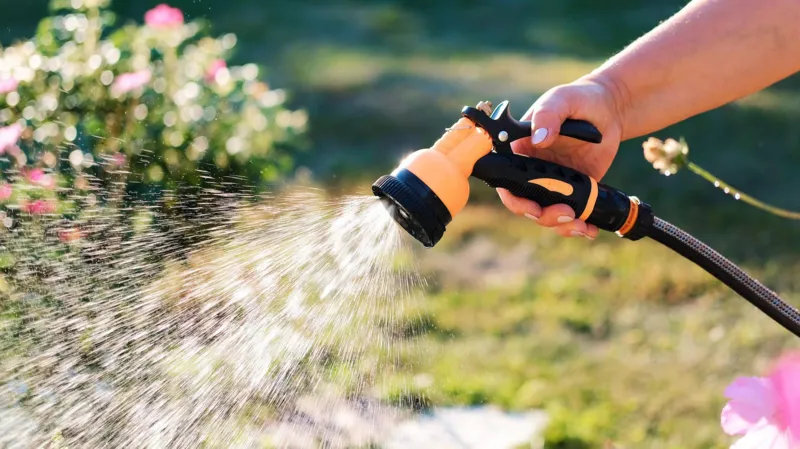
Garden watering has become another major focus of conservation efforts.
Experts recommend watering plants during the early morning or late evening when temperatures are lower and evaporation rates are reduced. Using watering cans instead of sprinklers can also significantly reduce water consumption while delivering moisture directly to plant roots.
Rainwater collected in water butts remains one of the most environmentally friendly sources for garden irrigation, reducing demand on treated drinking water supplies.
Car washing is another activity authorities say can consume large volumes of water if not carried out carefully. Using buckets instead of continuously running hoses can substantially reduce consumption while achieving the same results.
Swimming pools and inflatable paddling pools have become increasingly popular during recent summers, but officials advise families to reuse water whenever possible rather than draining and refilling pools each day.
Public awareness campaigns have intensified as climate scientists warn that Britain is likely to experience more frequent and prolonged periods of hot weather in the coming decades.
While the UK has traditionally been viewed as a relatively wet country, rainfall patterns are becoming increasingly variable. Wetter winters combined with hotter, drier summers are creating new challenges for water resource management.
Climate researchers explain that higher temperatures accelerate evaporation from reservoirs, lakes, rivers and soils while simultaneously increasing household demand.
This combination places greater importance on long-term planning, infrastructure investment and responsible consumer behaviour.
Water companies have invested billions of pounds in recent years to modernise networks, improve treatment facilities and reduce leakage. However, industry leaders acknowledge that ageing infrastructure remains a significant challenge in some areas.
Leaks within underground pipe networks still account for substantial water losses nationwide, and companies continue working to identify and repair damaged sections more quickly using advanced monitoring technology.
Consumer organisations argue that while households should play their part in conserving water, suppliers must also continue improving network efficiency and reducing leakage.
Many environmental groups believe effective water management requires cooperation between utility companies, regulators, government agencies and consumers alike.
Agriculture is also being affected by the prolonged dry conditions.
Farmers across several regions have increased irrigation to protect crops from heat stress, while livestock producers are ensuring animals have continuous access to clean drinking water during periods of elevated temperatures.
Some growers have expressed concern that continued dry weather could affect harvest yields later in the season if meaningful rainfall does not return.
Wildlife organisations are similarly encouraging the public to consider the needs of animals during hot weather.
Leaving shallow bowls of clean water in gardens can help birds, hedgehogs and pollinating insects cope with prolonged heat, particularly in urban environments where natural water sources may be limited.
Public health officials meanwhile continue reminding residents to stay hydrated by drinking water regularly, especially older adults, young children and individuals with underlying medical conditions who are more vulnerable to heat-related illnesses.
Employers are also being encouraged to ensure outdoor workers have access to sufficient drinking water and regular breaks during periods of extreme heat.
While there are currently no widespread restrictions on household water use, authorities say they will continue monitoring reservoir levels, weather forecasts and daily consumption patterns closely.

If exceptionally dry conditions persist for an extended period, some regions could eventually consider temporary measures designed to protect essential supplies.
For now, however, officials emphasise that voluntary conservation remains the preferred approach.
By making small adjustments to daily routines, households can help reduce unnecessary water consumption while ensuring supplies remain resilient throughout the summer.
As Britain faces another prolonged spell of unusually hot weather, experts say responsible water use will play an increasingly important role in protecting both public supplies and the natural environment.
The message from water companies is straightforward: every litre saved today helps strengthen resilience for tomorrow, ensuring communities, businesses and ecosystems continue receiving the water they depend upon during one of the warmest summers in recent years.
Related News:
 What is Groundwater Flooding and Why Dorset is Seeing ‘Historical Highs’
 Dozens of Flood Warnings in England After Days of Non-Stop Rain
 Temperatures Dip Below Freezing as Arctic Air Sweeps Across the UK
 Scotland’s Climate Plans Face Scrutiny Over ‘Science Fiction’ Targets
 UK Winter Nowhere Near a Record Breaker Despite Floods and Storms
 UK Records Warmest Day of the Year as Temperatures Exceed 18 °C
 Conservation Budgets Hit by Increased Fly‑Tipping Costs
 UK Records Earliest Spring as Nature Awakens Fast
 UK Faces Mass Water Shortages by 2055, Lords Warn
 Temperatures Set to Fall This Week, But Forecasters Warn Heat Could Return Soon
 Extreme Heat Grounds Birds of Prey Across the UK
 “Enough is Enough”: Local MP Vows to Fight Rainham Quarry Plans
 Heat, Drought and Fire Push UK Nature to Breaking Point in 2025
 UK Snow Forecast Arctic Blast to Bring Up to 11 Inches of Snow
 Norfolk Coastal Graves at Risk as Erosion Deepens Family Anguish
 Local Fish Could Boost UK Health and Economy Significantly
 World’s richest 1% consume annual emissions in just ten days
 Storm Goretti leaves Cornwall homes without power
 Robo-Vaccination Could Transform Fight Against Bovine TB
 No Gas Boiler Ban as UK Warm Homes Plan Backs Heat Pumps
 Judi Dench Champions Fight to Save London’s Green Spaces
 UK joins North Sea wind grid pact with nine European nations
 Devon hosts first high-density hydro power system
 Storm Chandra floods Somerset, triggers major incident declaration
 UK Pfas Action Plan Faces Criticism From Environmentalists
 Draft Severe Weather Plan Following Storm Flooding
 Wigan Dump Crisis Sparks Health and Safety Alarm
 Cameras Installed to Monitor Flood Levels Across Vulnerable Areas
 Aberdeen Chosen for GB Energy HQ at Marischal Square
 Flooding May Worsen Before It Improves as More Rain Forecast for the UK
 Deer Shooting England: New Plan to Protect Woods
 Illegal Waste Dumping: New Drone Unit Launched
 Fly-Tippers to Be Hunted by ‘Drone Squad’ in Crackdown from the Sky
 Deer Shooting to Be Facilitated in England to Protect Woodlands
Storm Hernando: Edinburgh Airport Flights Cancelled in US Travel Chaos
Deer Shooting to Be Facilitated in England to Protect Woodlands
Storm Hernando: Edinburgh Airport Flights Cancelled in US Travel Chaos
 Victorian Bridge Could Be Saved by Traffic Ban
 Group Expands Legal Claim Over South West Water Pollution
 Police Appeal After Goshawk ‘Brutally Shot’
 UK’s First Geothermal Plant Powers 10,000 Homes
 Miliband Says Climate Impact of Data Centres Is Uncertain
 Farmers on Edge as Record Rainfall Dampens Slurry Season
 Water Cremation Introduced in UK First
 Wood burner legal threats spark council row
 Community farm appeal to cover thousands in repairs
 Dramatic Rescue as Ice Shelf Detaches on Lake Huron
 Net Zero Cheaper Than One Fossil Fuel Crisis, UK Told
 Net Zero by 2050 ‘Cheaper Than One Fossil Fuel Crisis’
 Scotland Braces for 80mph Gales and ‘Intense Rain’
 London Considers New SUV Charges to Improve Road Safety
 UK Energy Reform Could Cut Bills by £200
 MPs Slam Agency Over Failing Fight Against Waste Dumping
 Tropical Cyclone Narelle Batters the Western Australian Coast
 The Banbridge Rescue: 300 Sheep Saved from Massive Hay Shed Inferno
 Evacuations Ordered as California Wildfires Spread Fast
 Country Diary: A Bum Note Amid the Dawn Chorus
 Country Diary: The Eagle’s Shadow Over the Lambing Shed
 High-Rise Rescue: The Dramatic Recovery of a Stranded Peregrine Falcon
 RSPB Urges Summer Bird Feeder Removal to Curb Disease
 The Lough’s Lament: Can Fiction Spark a ‘Seismic’ Rescue for Lough Neagh?
 Southern Skies: High Turnout and Surprise Visitors in Birdwatch 2026
 Heavier SUVs Accelerate Britain’s Pothole Crisis
 Night of Fire: Thousands of Turkeys Perish in Cheshire Barn Inferno
 Crackdown Backfires on UK Climate Protesters
 Capitalism ‘Suicidal’, Warns Petro at Climate Summit
 Record May Heat to Cold Front in Eastern Australia
 “A Canvas of Spring”: Readers Capture Scotland’s Golden Hour and New Life
 Tractor Breakdown Tests Lincolnshire Farmers
 Britons Build Emergency Supplies Amid Rising Fears
 Sycamore Gap Artwork Chosen After Public Vote
 UK rejects EV charging VAT cut amid Treasury clash
 Hope for mountain bongos returns to Kenya
 Saving Our Lost Rainforests: The Battle for Dartmoor
 Family Says Heatwave Drownings Reopen Grief
 At Least 19 Killed After Powerful Earthquake Hits Southern Philippines
 Airline Leaders Warn 2050 Net Zero Target May No Longer Be Achievable
 Whitehall Steps In: The Battle Over Thames Water Deepens
 Net Zero School Remains Cool and Open as Heatwave Tests Britain’s Buildings
 Why Extreme Heat Can Cause Trees to Collapse and What Experts Say Can Be Done
 UK Heatwaves Ignite Crisis of Sleep and Public Safety
 Parents Fundraise to Cool Overheated School Classrooms