Published: 21 May 2026. The English Chronicle Desk. The English Chronicle Online.
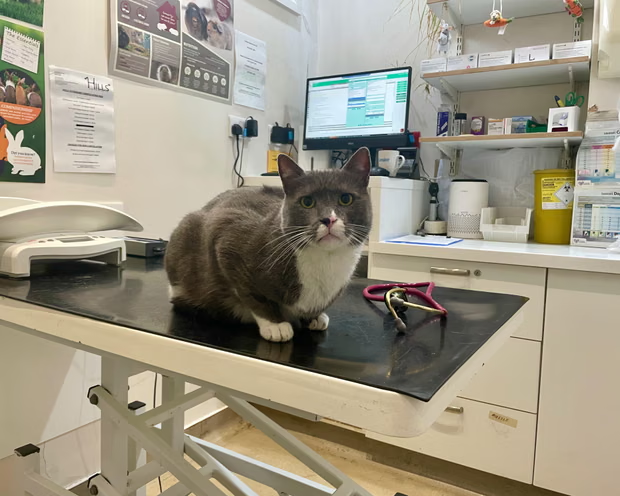
A major new environmental study has delivered an urgent warning to the British public today. Toxic chemicals found in common pet flea treatments are currently devastating wildlife across the United Kingdom. These highly toxic substances are actively polluting rivers, public parks, and special nature conservation areas. Leading scientists are now urging the government to take immediate action regarding these dangerous products. Liquid flea treatments contain powerful chemicals that have already been banned for agricultural use. However, these same ingredients are still permitted for use on domestic cats and dogs. The new report highlights how these substances are causing irreversible harm to aquatic life. They are also responsible for decimating wild bird populations and vital insect pollinators nationwide.
The comprehensive study was published on Thursday and contains deeply concerning scientific data. Two specific chemicals, fipronil and imidacloprid, are the main drivers of this environmental damage. Shockingly, these substances are also linked to developmental issues in young children with autism. The Environment Agency recently ranked these specific toxins as a major threat to humans. They represent the highest chemical risk to human health currently found in English waters. This troubling assessment was conducted by Matt Shardlow, a highly respected British ecologist. Shardlow carried out some of the very first studies into flea treatments nine years ago. He believes that immediate government intervention is required to prevent further catastrophic ecosystem collapse.
The scale of the ecological damage appears to grow worse with each new study. Shardlow represents the Wildlife and Countryside Link, a prominent coalition of conservation groups. He stated that the latest evidence regarding these chemicals is incredibly stark and alarming. Last month, media reports highlighted growing calls for strict restrictions on these pet treatments. Research revealed that British songbird feathers were widely contaminated with these nerve-agent pesticides. These chemicals can severely damage avian brains and kill unborn chicks inside their eggs. Previous research also found that parent birds inadvertently poison their own nests with fur. They gather contaminated pet hair to line nests, which subsequently kills their vulnerable hatchlings.
This latest analysis suggests that irreparable damage has already occurred in many areas. Precious rivers, National Parks, and Sites of Special Scientific Interest are heavily affected. The famous Norfolk Broads are highlighted as a primary example of this severe contamination. Every single major river entering this protected wetland area contains high levels of toxins. Natural England has expressed grave concern over a ninety percent decline in local dragonflies. The average concentration of fipronil and imidacloprid in English rivers reduces aquatic life significantly. In twenty percent of tested cases, chemical levels were high enough to impact birds. These concentrations cause a thirty percent reduction in bird populations reliant on river ecosystems.
Environmental scientists are discovering these toxic chemicals far beyond our rural river systems. Public parks are also showing high levels of pollution from these domestic pet treatments. Common garden dandelions in public spaces are heavily contaminated with these chemical flea residues. This widespread contamination is highly likely to harm caterpillars, bees, and other pollinators. Topical spot-on treatments applied to pet skin are the primary source of environmental leakage. These liquids are absorbed by the skin but remain on the fur for weeks. Pet owners are often unaware of how easily these chemicals transfer into nature. The pathways through which these toxins enter the wider environment are numerous and varied.
The chemical substances frequently enter local waterways directly through our domestic sewage systems. This occurs when treated pets are bathed or when owners wash contaminated pet bedding. Clothing that has come into contact with treated animals also transfers toxins during washing. Pets also introduce these chemicals into nature when they go swimming in local rivers. They shed the toxins when rubbing against outdoor vegetation or losing fur outside. The sheer volume of treated pets in the UK creates a continuous toxic stream. Millions of cats and dogs are regularly given these treatments as a preventative measure. This creates a constant cycle of chemical pollution entering our fragile British ecosystems.
In response to growing public concern, the government has launched an official consultation. This eight-week consultation explores banning over-the-counter sales of these specific pet treatments. This would mean pet owners could no longer buy them freely in local shops. However, conservationists argue that this proposed measure does not go nearly far enough. Shardlow pointed out that these products would remain highly accessible to the general public. They would still be available through pharmacies, supermarkets, online retailers, and veterinary clinics. A simple sales restriction will not stop the flow of chemicals into British waters. Stronger regulatory action is required to protect our environment from further long-term degradation.
The author of the report is calling for a comprehensive environmental risk assessment. This would help authorities fully understand the true scale of this toxic chemical problem. Shardlow believes the only sensible option is an immediate suspension of these products. The government Veterinary Medicines Directorate should officially ban fipronil and imidacloprid for pets. He argues that the government has failed to act as a proper environment regulator. Official bodies have seemingly ignored the mounting scientific evidence accumulated over the last decade. The health of our rivers and wildlife must be prioritised over commercial interests. Urgent regulatory reform is necessary to halt this ongoing environmental disaster across Britain.
A spokesperson for the Department for Environment, Food and Rural Affairs responded today. The government claims it remains fully committed to restoring nature and cleaning waterways. They emphasised their desire to maintain the highest standards of animal welfare across the nation. The current consultation is described as an important step toward reducing these forever chemicals. They hope to protect the nation’s precious wildlife through these new regulatory discussions. The department has actively encouraged the Wildlife and Countryside Link to submit their evidence. This collaboration could help shape future policy regarding chemical safety and environmental protection.
The Veterinary Medicines Directorate also released an official statement regarding the new report. They acknowledged the clear benefits that fipronil and imidacloprid provide to British pets. These chemicals play a vital role in protecting animals from painful external parasites. They also prevent the spread of dangerous diseases that parasites can carry to humans. However, the agency admitted that these substances are clearly entering our delicate watercourses. They acknowledge that these veterinary medicines could be contributing to wider environmental degradation. The directorate wants to hear many different perspectives during the ongoing eight-week consultation. They aim to balance appropriate market availability with essential environmental protection measures.
The debate highlights a difficult conflict between pet care and vital environmental conservation. British pet owners want to protect their beloved companions from fleas and ticks. However, the convenience of spot-on treatments is clearly costing our natural world dearly. Safe alternative methods of pest control must be explored by veterinarians and owners. Sweeping changes in consumer habits and government regulations are urgently required to save wildlife. Our rivers, birds, and insects cannot survive continued exposure to these modern chemical treatments. The English Chronicle will continue to track this vital environmental story as it develops.
Related News:
 Norfolk Coastal Graves at Risk as Erosion Deepens Family Anguish
 Winter plant bloom signals climate breakdown in UK
 Dog Food Emissions: 1% of UK Greenhouse Gas Revealed
 Storm Goretti leaves Cornwall homes without power
 Kent Residents Continue Facing Water Supply Disruptions
 Water firms may avoid fines under UK water reform plan
 No Gas Boiler Ban as UK Warm Homes Plan Backs Heat Pumps
 Judi Dench Champions Fight to Save London’s Green Spaces
 UK joins North Sea wind grid pact with nine European nations
 Devon hosts first high-density hydro power system
 Storm Chandra floods Somerset, triggers major incident declaration
 Storm Chandra flooding leaves England on high alert
 UK Pfas Action Plan Faces Criticism From Environmentalists
 Wigan Dump Crisis Sparks Health and Safety Alarm
 Fish disco plan could save 90% of fish at Hinkley C
 Flood risk homes surge across England builds
 Deer Shooting England: New Plan to Protect Woods
 Illegal Waste Dumping: New Drone Unit Launched
 Group Expands Legal Claim Over South West Water Pollution
 Scotland’s Climate Plans Face Scrutiny Over ‘Science Fiction’ Targets
 Wood burner legal threats spark council row
 South East Water Fined £22.5m for Repeated Supply Failures
 Yorkshire Water Funding Sparks Debate Amid Fines and Pay Row
 Net Zero Cheaper Than One Fossil Fuel Crisis, UK Told
 Welsh Water Faces £44.7m Enforcement Over Sewage Breaches
 London Considers New SUV Charges to Improve Road Safety
 New £10bn rescue plan offered for Thames Water
 MPs Slam Agency Over Failing Fight Against Waste Dumping
 RNLI Beach Rescues Surge as Coastal Popularity Hits New High
 UK Records Earliest Spring as Nature Awakens Fast
 RSPB Urges Summer Bird Feeder Removal to Curb Disease
 Britain Facing Sharp Decline in Rare Butterfly Species
 Toxic ‘Forever Chemicals’ Threaten Southern English Coast
 UK Faces Mass Water Shortages by 2055, Lords Warn
 Saving Our Lost Rainforests: The Battle for Dartmoor
 Outrage in Surrey as Vital Nesting Colony of Endangered Swifts is Entirely Demolished
 The Hidden Cost of Our Oceans
 Whitehall Steps In: The Battle Over Thames Water Deepens
 UK Seas Face Extreme Heatwave as Global Temperatures Surge
 UK Pets Face Heatstroke Risks Even While Resting Indoors
 New Debt Limits Proposed for England’s Water Sector
 South East Water Faces £30.5m Penalty for Supply Failures
 Three-Quarters of England’s Riverbanks Still Off Limits
 Kate Winslet to Narrate Film Highlighting King’s Environmental Mission
 Trump’s UK Ambassador Urges North Sea Drilling to Strengthen US Ties
 UK Bans Fake Numbers: Scammers Lose Their Trick
 Millionaires group urge Reeves to introduce wealth tax to ‘lift kids out of poverty’
 Reeves rejects £1bn plea for NHS redundancy payouts
 PM Condemns Leaks, Vows Loyalty to Ministers and Stability
 Inside the Helpline Protecting Missing Children in the UK
 PlayStation PS5 Deals Hit Lowest Prices Ahead of Black Friday
 Five-Year-Old Dies After Rare Tonsil Surgery Complication
 Starmer Says Labour’s Economic Plan Needs Years to Deliver
 ‘Extinct’ Antelope Returns to Sahara, Bringing Hope
 Starmer Faces Parliamentary Battles Over UK-EU ‘Reset’ Plan
 Met Police Vetting Failures Let Serial Rapists Remain
 Fatal Bolton Taxi Crash Claims Three Teens and Driver
 ScottishPower Tops List of Worst UK Energy Suppliers
 Crowborough Camp Welcomes First Asylum Seekers
 BBC Funding Crisis: Tim Davie Warns of Jeopardy Ahead
 Artificial intelligence will cost jobs, admits Liz Kendall
 Blue Badge Abuse: The Rising Tide of Public Hostility
 Scott Parker Leaves Burnley After Premier League Drop
 Silent Tracks: Rail Line Without Passengers
 RFU Backs Borthwick Despite England’s Poor Six Nations
 Major test for Labour as polls open in Great Britain
 Keir Starmer Struggles to Secure His Grip on Downing Street
 Farage Faces Standards Probe Over Cash Property Purchase
 Closing the Gap: UK Pensions Commission Demands Action
 The Battle for Wembley Sparking Unprecedented Legal Warfare
 Secret Role of UK Security Services in Troubles Amnesty Law
 Tube Strike Brings Capital to a Standstill Over Shift Disputes
 Teaching Machines Right From Wrong in the Digital Age
 The Hidden Crisis Eroding Trust in British Communities
 Stolen Mobiles Could Soon Become Useless Bricks
 Clean Air Initiatives Spark Major Fall in London Hospital Admissions
 UK Care Crisis: Row Explodes Over New Visa Settlement Rules
 Sainsbury’s Boss Optimistic As Grocery Inflation Eases
 US Airman Avoids British Court in Indecent Exposure Case
 Britain’s Mini Fan Craze Sparks Major Waste Crisis