Published: 22 October 2026. The English Chronicle Desk. The English Chronicle Online
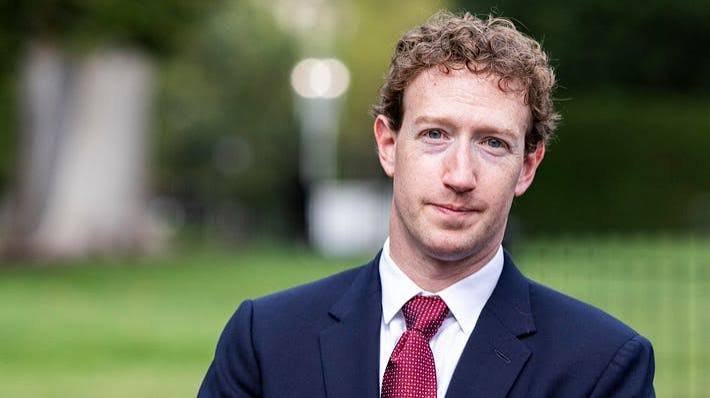
In a historic corporate arrangement designed to navigate complex state political dynamics, Meta Platforms has struck a formal binding agreement with chief executive Mark Zuckerberg to ensure he remains a resident of California despite the imminent threat of an unprecedented state wealth tax targeting ultra-wealthy residents. The social media giant behind Facebook, Instagram, and WhatsApp disclosed that the agreement was structured specifically to protect Zuckerberg’s majority voting control in the company should state voters approve a proposed one-off tax on the state’s richest individuals. Under the terms of the eight-year covenant, Zuckerberg has committed to maintaining his primary legal residence in California, or wherever Meta maintains its global corporate headquarters, securing stable executive leadership during a period of fierce technological competition.
The agreement follows growing anxiety among Silicon Valley executives over Proposition 40, a high-stakes ballot measure slated for a public vote early next month. If approved by state electors, Proposition 40 would levy a one-time five percent tax on the net assets of the approximately 250 billionaires who reside within California. With a personal net worth estimated by Forbes at approximately $239 billion, Zuckerberg informed Meta’s board of directors that the measure could expose him to a staggering multibillion-dollar tax liability. Satisfying such an unprecedented assessment under traditional corporate structures would have forced him to liquidate substantial voting shares, threatening his voting control over the technology giant.

To address these concerns without driving its founder and chief executive out of the state, Meta’s board created a specialized recapitalization plan centered on a two-for-one stock split for all existing shareholders. The restructuring introduces a brand-new class of non-voting Class C shares. This mechanism enables Zuckerberg to sell a portion of these new non-voting shares to generate the liquid capital necessary to foot a potential multibillion-dollar tax bill, while fully preserving his absolute majority control over the company’s governance and long-term strategic direction.
Political sentiment around Proposition 40 has triggered intense public debate across California, highlighting broader national disagreements regarding tax structure, economic inequality, and wealth distribution. Recent public polling indicates that support for the measure remains just below the majority threshold required for passage, largely due to a heavily funded opposition campaign led by Silicon Valley figures. Prominent technology founders and executives, including Google co-founder Sergey Brin, Palantir co-founder Peter Thiel, and former Google CEO Eric Schmidt, have poured significant financial resources into defeating the ballot initiative, arguing that punitive wealth taxation will trigger a damaging exodus of capital, enterprise, and high-tech innovation from the state.
In contrast, proponents of Proposition 40 view the measure as an essential step toward restoring economic balance and funding vital public services. United States Congressman Ro Khanna, who represents California’s 17th congressional district in the heart of Silicon Valley, recently framed the upcoming vote as a defining choice between supporting working families and protecting wealthy interests. Writing in defense of progressive taxation, Khanna argued that working-class citizens carry a heavy proportion of the overall tax burden while corporate leaders accumulate historically unprecedented fortunes, insisting that the ultra-wealthy must contribute their fair share toward public infrastructure and essential social programs.
The governance resolution coincided with Meta’s quarterly financial disclosures, which demonstrated robust top-line revenue performance alongside significant legal cost headwinds. The tech giant reported a 26 percent year-over-year surge in quarterly revenue, reaching $64.6 billion and comfortably surpassing Wall Street consensus expectations of $63.3 billion. However, net profits fell by 37 percent to $13 billion, dragged down significantly by a $9.9 billion legal charge linked to high-profile litigation over child protection standards and youth social media addiction.

Compounding Meta’s legal challenges, a state judge in New Mexico separately ordered the technology firm to pay $25 billion following a trial where the court concluded the company had misled the public regarding its handling and protection of user data. Concurrently, Meta disclosed that its ongoing corporate restructuring and operational streamlining reduced its total workforce to 66,775 employees at the end of September, representing a 15 percent headcount reduction over the prior twelve months.
The agreement follows growing anxiety among Silicon Valley executives over Proposition 40, a high-stakes ballot measure slated for a public vote early next month. If approved by state electors, Proposition 40 would levy a one-time five percent tax on the net assets of the approximately 250 billionaires who reside within California. With a personal net worth estimated by Forbes at approximately $239 billion, Zuckerberg informed Meta’s board of directors that the measure could expose him to a staggering multibillion-dollar tax liability. Satisfying such an unprecedented assessment under traditional corporate structures would have forced him to liquidate substantial voting shares, threatening his voting control over the technology giant.
Related News:
 TalkTalk Races to Sell Arms as Administration Looms
 Bank Chief Calls for Power to Intervene in AI
 Feeld Founders Receive Record Dividend as Sales Rise
 Asos Investigates Hack Claims After Customer Alerts
 UK Risks Falling Behind in AI Race
 AI CEOs Call for Slower Development
 Nvidia chief rejects AI extinction fears
 Chinese Hybrid Car Surge Raises EU Auto Industry Concerns
 BBC Three and Scotland Face Online-Only Future
 BT Broadband Pauses Raise Digital Switchover Concerns
 Samsung Heads for Record Profit as AI Chip Demand Surges
 Firmus Abandons Major ASX Listing Amid Investor Doubts
 EU Caps Chinese Hybrid Car Imports at 350,000
 Cyber-Attack Puts Hobbs and Whistles Customer Data at Risk
 Global Tech Sell-Off Deepens on Inflation and AI Debt Fears
 Apple at 50: Three Products That Changed How We Live
 Europe EV Demand Surges as Fuel Prices Rise
 UK rejects EV charging VAT cut amid Treasury clash
 UK firms accused of ‘AI washing’ boom
 Weight-Loss Drugs Offer Food Savings Mainly to High Earners
 Billionaire Chris Rokos poised to leave UK
 Oil nears $100 as Saudi attacks shake markets
 McLaren to Create 1,000 UK Jobs in £450m Investment
 Nats Boss Summoned as UK Flight Chaos Continues
 Apple Folding iPhone Set for Major CEO Test
 JPMorgan Boss Warns Against UK Bank Tax Rise
 John Lewis Losses Widen to £124m as Confidence Falls
 Thames Water Revises Oxfordshire Mega-Reservoir Plan
 UK Retailers Accused of Breaking Refund Laws
 JLR Eyes NATO Market With New Defender Military Vehicle
 Anthropic Backs $31.9bn Queensland Data Centre
 Next Raises Profit Forecast After Strong Summer Sales
 OpenAI Reveals Six Cases of Concerning AI Behaviour
 UK Productivity Improves as Bank Weighs Interest Rates
 Australia Renewables Reach Record 80% Grid Demand
 UK Trade Losses Grow Without EU Product Deal
 AO Acquires Jessops in Camera Retail Expansion
 Elizabeth Holmes Set for Halfway House Transfer
 Beaverbrooks Boss Calls for Relief on Business Costs
 OpenAI Scraps AI Model Release After Safety Tests
 Trump backs voluntary AI safety pact with tech giants
 Poundland Rescue Bid Could Protect 11,000 Jobs
 Sheikh Tahnoon and the UAE’s AI Ambitions
 UK Bookmakers Linked to Offshore Casino Deal
 Boots Sale Nears as Weston Family Eyes $9bn Deal
 Palantir Lobbyist Had Role in Burnham Campaign
 UK Diesel Reaches £2 as Inflation Surges Across Europe
 Minister Rejects Fears of UK Diesel Shortage
 UK Faces Calls to Review Bank Failure Bets
 iPhone 18 Pro brings major upgrades with familiar design
 BT Agrees £400m TalkTalk Rescue Deal
 Informa Agrees £2.24bn Deal to Buy Clarion
 EU-China Talks Target Surge in Hybrid Car Imports
 Tesco Raises Profit Forecast as Consumer Confidence Holds
 Ministers Push ATO to Reconsider Credit Card Ban
 Australia Delays Tax Credit Card Payment Ban After Backlash
 UK Water Firms Earn Millions From Industrial Wastewater
 US Moves to Restrict Chinese Labs Testing Electronics
 UK Must Build Its Own AI to Protect National Security
 Parking Apps Push UK Drivers’ Costs Up by 40%
 Hall and Woodford Win Nobel Economics Prize
 Cyber Fraud Threatens Trust in Global Financial System
 Healey Plans £1bn Online Marketplace Tax Crackdown
 UK Water Firms Face £107m Bill Reduction Penalties
 BT Names New Openreach Chief Amid Major Fibre Expansion
 Artemis II Returns After Historic Moon Flyby
 DeepMind Staff Vote to Unionize Over US Military Contract
 Trump Faces Backlash Over $2bn Earnings Since Return
 Apollo Launches £5.7bn Bid for Aviation Giant easyJet
 AI Loss of Control Incidents Nearly Double
 London Launches First Self-Driving Taxis
 Entain Plans 400 Job Cuts After Profit Update
 Tom Watson Takes Senior Role at Palantir
 UK Rent Gap Puts Low-Income Families Under Pressure
 Calls Grow to Expand UK National Wealth Fund
 MPs Defend UK Economic Watchdog Against Critics
 Trump gives Xi red-carpet welcome as trade truce extends
 London Facial Recognition Trial Ends With False Alert
 Healey urged to act as UK energy bills rise 4%
 Royal Mail Plans Up to 2,500 Job Cuts