Published: 22 October 2026. The English Chronicle Desk. The English Chronicle Online
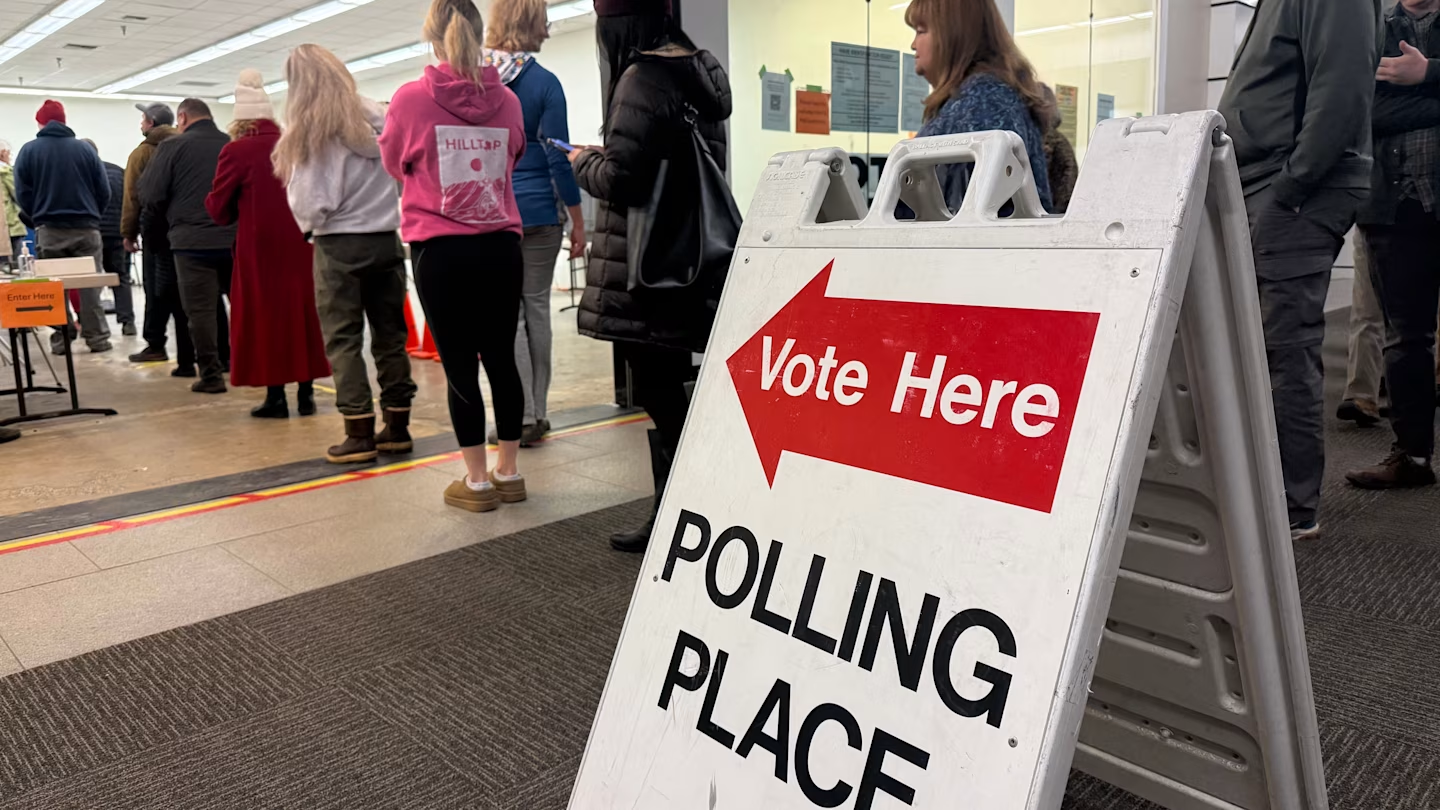
In communities across the United States, thousands of concerned citizens are stepping forward to undergo intensive poll-watcher training ahead of the upcoming midterm elections, driven by growing anxieties over potential voter intimidation, federal monitoring plans, and immigration enforcement activities near voting centers. Across key battleground states and urban centers, grassroots organizations, civil rights groups, and political networks are mobilizing an unprecedented coalition of volunteer observers. Their core mission is to safeguard the democratic process, protect vulnerable populations from intimidation, and ensure that every eligible voter can cast a ballot safely, securely, and without fear of interference from law enforcement or partisan actors.
The urgency behind these community-led monitoring efforts stems from heightened tensions surrounding federal election policies and local enforcement actions. In metropolitan areas like Phoenix, Arizona, community groups such as Living United for Change in Arizona and the Arizona Center for Empowerment have spent months organizing volunteers to counter what they perceive as an atmosphere of fear. Organizers report that increased immigration enforcement patrols and visible law enforcement presence in historically Hispanic neighborhoods have created widespread anxiety, with many residents expressing fear that participating in basic civic duties could expose them or their families to risk. In response, these grassroots networks have launched dual-purpose training programs designed to monitor local voting precincts while simultaneously tracking and documenting enforcement activities within vulnerable communities.

For volunteers like Stevie Lyn, a resident of Phoenix who took time off work to serve as a poll observer during the primary elections, the decision to participate was born out of a desire to channel frustration into positive civic action. Having completed rigorous observer training courses, Lyn monitored activity outside her local polling place during the primaries, ensuring compliance with legal distance requirements and reporting minor procedural issues to election staff. With plans to return to her post for the general midterms, she echoes the sentiment of many volunteer monitors who hope their presence will ultimately prove uneventful, stating that her primary objective is to ensure a calm, orderly, and transparent voting experience for every citizen who approaches the ballot box.
The mobilization efforts extend far beyond the American Southwest, reflecting a nationwide surge in civic engagement and voter protection programming. In Pennsylvania, state political organizations have recruited and trained hundreds of volunteers to staff extensive voter protection hotlines operating in multiple languages, backed by legal teams stationed in every county to address challenges to voter eligibility in real time. Similarly, national civil rights organizations, including the American Civil Liberties Union, report a massive influx of tens of thousands of new volunteers signing up to serve as democracy defenders. These individuals are being deployed strategically to high-stakes battleground states, competitive congressional districts, and historically disenfranchised communities where access to the ballot has frequently faced structural and political challenges.
These grassroots preparations are unfolding against a backdrop of fierce national debate regarding federal oversight and potential administration actions at polling locations. Earlier in the year, federal announcements regarding extensive election monitoring operations drew sharp scrutiny from voting rights advocates and legal scholars. While federal officials defended the deployment as a necessary measure to ensure electoral integrity, critics and legal watchdogs warned that heavily publicized federal presences could inadvertently intimidate voters or overstep legal boundaries. Constitutional law experts note that federal monitors possess no special legal authority that supersedes state and local election laws, and armed law enforcement personnel are strictly prohibited from entering active polling places under long-standing federal statutes unless actively casting their own ballots.
Voting rights experts and election administrators emphasize that state and local officials retain primary authority over the administration and security of elections across the country. Legal scholars point out that proposals suggesting sweeping federal or military intervention in local polling operations face insurmountable constitutional and logistical barriers, particularly given the widespread adoption of early voting and mail-in ballots that disperse voting activity over weeks rather than a single day. Nevertheless, advocates stress that the psychological impact of aggressive political rhetoric and rumors of enforcement actions remains a significant concern, as fear alone can successfully deter eligible voters from exercising their constitutional rights.
To counter potential intimidation, community organizers have established sophisticated rapid-response networks and mapping tools to track reported incidents, deploy legal observers, and provide immediate support to voters on the ground. By maintaining a visible, peaceful, and well-prepared presence outside polling precincts, volunteers aim to restore confidence and foster a welcoming environment for all participants. As the nation approaches election day, the vast mobilization of citizen observers highlights a deep public commitment to defending democratic norms, ensuring transparent oversight, and preserving the fundamental right to vote free from fear or coercion.
The mobilization efforts extend far beyond the American Southwest, reflecting a nationwide surge in civic engagement and voter protection programming. In Pennsylvania, state political organizations have recruited and trained hundreds of volunteers to staff extensive voter protection hotlines operating in multiple languages, backed by legal teams stationed in every county to address challenges to voter eligibility in real time. Similarly, national civil rights organizations, including the American Civil Liberties Union, report a massive influx of tens of thousands of new volunteers signing up to serve as democracy defenders. These individuals are being deployed strategically to high-stakes battleground states, competitive congressional districts, and historically disenfranchised communities where access to the ballot has frequently faced structural and political challenges.
These grassroots preparations are unfolding against a backdrop of fierce national debate regarding federal oversight and potential administration actions at polling locations. Earlier in the year, federal announcements regarding extensive election monitoring operations drew sharp scrutiny from voting rights advocates and legal scholars. While federal officials defended the deployment as a necessary measure to ensure electoral integrity, critics and legal watchdogs warned that heavily publicized federal presences could inadvertently intimidate voters or overstep legal boundaries. Constitutional law experts note that federal monitors possess no special legal authority that supersedes state and local election laws, and armed law enforcement personnel are strictly prohibited from entering active polling places under long-standing federal statutes unless actively casting their own ballots.

Voting rights experts and election administrators emphasize that state and local officials retain primary authority over the administration and security of elections across the country. Legal scholars point out that proposals suggesting sweeping federal or military intervention in local polling operations face insurmountable constitutional and logistical barriers, particularly given the widespread adoption of early voting and mail-in ballots that disperse voting activity over weeks rather than a single day. Nevertheless, advocates stress that the psychological impact of aggressive political rhetoric and rumors of enforcement actions remains a significant concern, as fear alone can successfully deter eligible voters from exercising their constitutional rights.
To counter potential intimidation, community organizers have established sophisticated rapid-response networks and mapping tools to track reported incidents, deploy legal observers, and provide immediate support to voters on the ground. By maintaining a visible, peaceful, and well-prepared presence outside polling precincts, volunteers aim to restore confidence and foster a welcoming environment for all participants. As the nation approaches election day, the vast mobilization of citizen observers highlights a deep public commitment to defending democratic norms, ensuring transparent oversight, and preserving the fundamental right to vote free from fear or coercion.
Related News:
 Judge halts deportation of Yemeni refugees in US
 Immigration Judges Fear Pressure in Trump Era
 US judge dismisses Kilmar Abrego Garcia indictment
 US green card applicants must apply from abroad, DHS says
 Former ICC prosecutor condemns US sanctions
 Texas Transfers Raise Fears for Migrant Children
 Latin America women fear rollback of rights
 US Execution Livestream Plan Sparks Global Outrage
 US National Guard Member Killed in DC Shooting
 Trump officials continue false claims after Alex Pretti shooting
 Partial US Government Shutdown Hits Homeland Security Funding
 Thousands Protest ICE Operations in Nationwide US Day of Action
 Thousands Protest ICE in New York Against Trump Deportation Campaign
 Trump at Press Dinner Sparks Tension
 US Court Weighs Fate of TPS for Migrants
 Florida Redistricting Map Sparks Major US Political Battle
 US Voting Rights Ruling Sparks Celebration and Outcry
 US Court Ruling Reshapes Voting Rights Landscape
 US states redraw maps after voting rights ruling
 Asylum deal sparks fears over Syria deportations
 White House Security Case Sparks Political Firestorm
 Trump warns Iran as Middle East tensions surge again
 US Supreme Court fast-tracks Voting Rights ruling
 Afghan Families Left in Limbo Face Risk of Deportation
 FDA Chaos Deepens as Trump Eyes Makary Exit
 Tulsi Gabbard exits after turbulent intelligence tenure
 Gunman Killed After White House Security Shootout
 Prosecutor Proposes Law to Combat Election Deceit
 Mystery Grows Over Mitch McConnell’s Health
 Trump Refuses to Sign Housing Bill, But Law Takes Effect
 Trump Orders Signs Criticising Smithsonian Museum
 UN expert urges UK to rethink Israel policy
 Trump gives $45,000 holiday gifts to White House aides
 Turning Point USA Faces Crisis After Kirk Killing
 Miliband Rejects Chief Rabbi’s West Bank Warning
 New Mexico Takes Facebook to Trial Over Data Scandal
 Israel Accused of Undermining Palestinian Life
 Saudi Pact Raises Risk of Pakistan Entering War
 US Deportation Deals Send Migrants to Unfamiliar Countries
 US Networks Suspend Trump White House Pool Coverage
 Clancy Defense Seeks Inquiry Into Lone Juror
 Trump and Mamdani Hold Cordial Gracie Mansion Meeting
 Democrat Says ICE Restricted Detention Camp Oversight
 Japan PM Backs International Criminal Court
 King Refers Jamaica Slavery Petition to Privy Council
 CNN, MS NOW Barred From Xi State Dinner Coverage
 Republican Senator Questions Trump Ad Spending
 Tennessee Set to Execute Woman After Clemency Denied
 Kristi Noem Files for Divorce After 34 Years
 Trump Immigration Policy Faces New Legal Tests
 DOJ Declines to Reopen Powell Renovation Probe
 Musk’s DOGE Sparks Turmoil Inside US Government
 Questions Grow Over Tennessee Execution Failures
 McIver Faces Key Deadline in ICE Confrontation Case
 France Braces for Major Student Protest Mobilisation
Christa Pike Awake After Failed Tennessee Execution
 Susan Collins Distances Herself From Trump in Maine Race
 Democrats Gain Ground in Key Senate Midterm Races
 Trump Rally Faces Protests as Texas Race Tightens
 Tanker Attacked Near Qatar as Hormuz Tensions Escalate
 Botstein Quits Bard Amid Epstein Investigation Calls
 Trump Says He Deserves Nobel Peace Prize
 US Senate Debates Turn Bitter as Midterms Near
 EU Divisions Deepen Over Israel Policy
 Brazil Court Scandal Threatens Lula as Bolsonaros Rise
 Ohio Airports Become Key Hubs for ICE Deportation Flights
 Iranian Woman Faces Death Sentence Over Social Media Post
 Judge Blocks Trump White House Media Ban
 Trump Warns Alaska Voters Over Rival Dan Sullivans
 Trump Targets Arizona and Montana Amid GOP Election Worries
 Brazil Cuts Working Week to 40 Hours in Lula Election Boost
 Trump Rallies GOP as Senate Democrats Boost Key Races
 Talarico Faces Tough Voter Test in Texas Senate Race
 Trump’s Ambassador Picks Face Growing Controversy
 Serbia Leader Linked to Controversial Trump Tower Plan
 Trump Falsely Questions Ossoff’s Election Legitimacy
 Meta Faces Election Bias Claims Ahead of Brazil Runoff
 Omar Claims US Raid on Residence Was Meant to Intimidate
 Aung San Suu Kyi Speaks to Son After Five Years
 Russia Strikes Kyiv After Agreeing to Resume Peace Talks